Saudi SABIC Posts $220M Net Loss in Q2 2026, Red Sea Shipping Unaffected
en.Wedoany.com Reported - SABIC has reported no disruption to its shipments via the Red Sea and is leveraging supply chain flexibility and alternative export routes to navigate trade disruptions caused by the US-Iran conflict. The company's Chief Financial Officer, Salah Al-Hareky, made these remarks during the second-quarter earnings call on July 30.
Al-Hareky stated that the company is closely monitoring the security situation in the Bab el-Mandeb Strait. This waterway, connecting the Red Sea to the Suez Canal, is a critical chokepoint for global shipping. Recently, Yemen's Houthi rebels attacked Saudi oil facilities and threatened shipping linked to Saudi exports, disrupting passage through this corridor. Al-Hareky noted that if disruptions escalate, SABIC plans to utilize domestic and Gulf Cooperation Council (GCC) sales channels, as well as activate alternative shipping routes, including the Suez Canal.
Geopolitical turmoil has already impacted the company's performance. In the second quarter, weighed down by factors such as the closure of the Strait of Hormuz, SABIC recorded a net loss of $220 million, with an adjusted net loss of $102 million. The net loss for April to June 2026 narrowed from $1.08 billion in the same period last year, primarily driven by lower operating expenses resulting from non-recurring costs and restructuring initiatives. Al-Hareky pointed out that sales volumes declined due to the strait closure, but the company diverted cargo through alternative routes and secured higher market prices. CEO Faisal Al-Faqeer described the quarter as a period of "exceptional operational challenges," characterized by the prolonged closure of the Strait of Hormuz, disruptions to key energy facilities, and rising global energy prices.
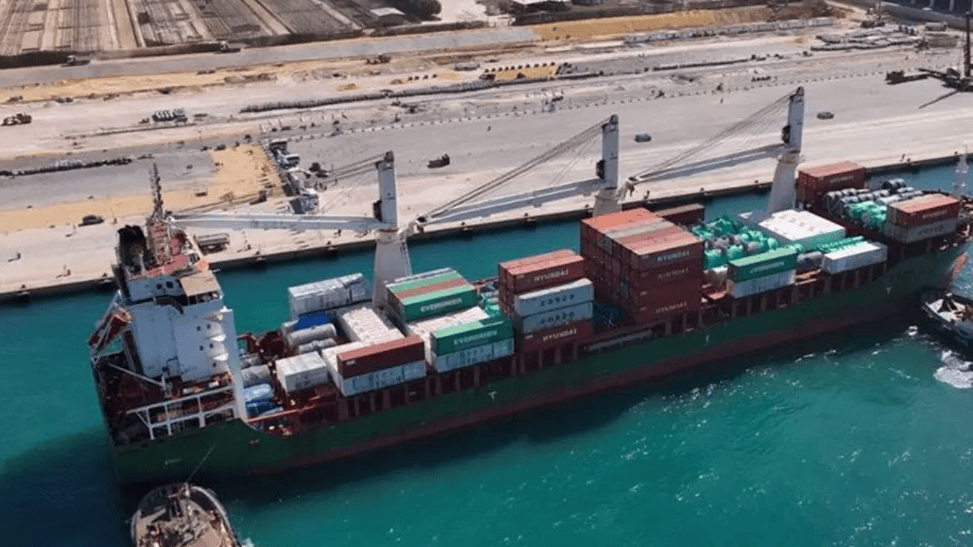
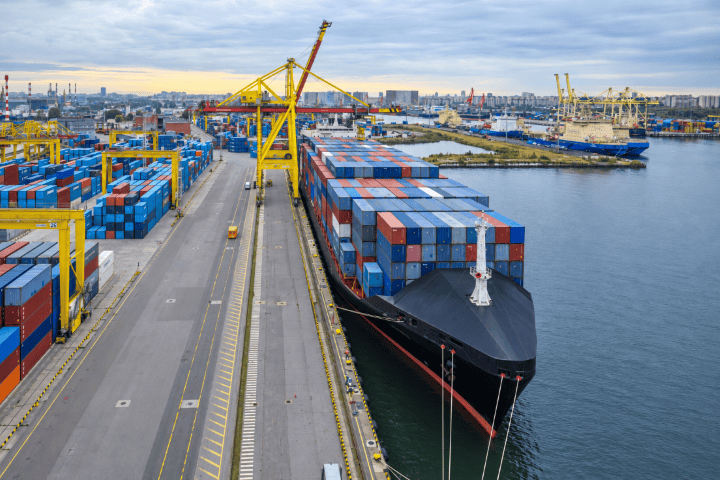
To sustain exports, SABIC rerouted polymer volumes from Saudi Arabia's east coast to the west coast, enabling shipments through multiple ports. Sequentially, polymer volumes transshipped in the second quarter more than doubled. Al-Faqeer noted that in Yanbu, the company utilized the newly launched Red Sea Express Service, collaborating with the Saudi Ports Authority and Falk Maritime to complete polymer exports. Additionally, approximately 6,600 standard polymer containers were shipped from Jeddah Islamic Port via the Red Sea Gateway Terminal. During the quarter, SABIC also initiated urea exports through Saudi Arabia's west coast for the first time, with the initial cargo departing from Yanbu Commercial Port.
Logistics costs rose significantly during this period: basic chemicals logistics expenses increased by approximately 40%, and agricultural nutrients by around 60%. Al-Hareky stated that these costs encompass land transportation, marine fuel adjustments, war risk premiums, and insurance, but were absorbed by higher product selling prices. Adjusted EBITDA for the petrochemical segment exceeded $630 million, roughly flat compared to the previous quarter, supported by stronger polyethylene (PE) performance and stringent cost controls, though higher liquid feedstock costs limited margin expansion.
SABIC believes that industry overcapacity and geopolitical uncertainty remain key challenges ahead. Al-Hareky stated that the company will continue to focus on enhancing the resilience and competitiveness of its petrochemical portfolio, creating long-term value while ensuring customer service.