India's winding wire industry benefits from Rs 9 trillion transmission investment
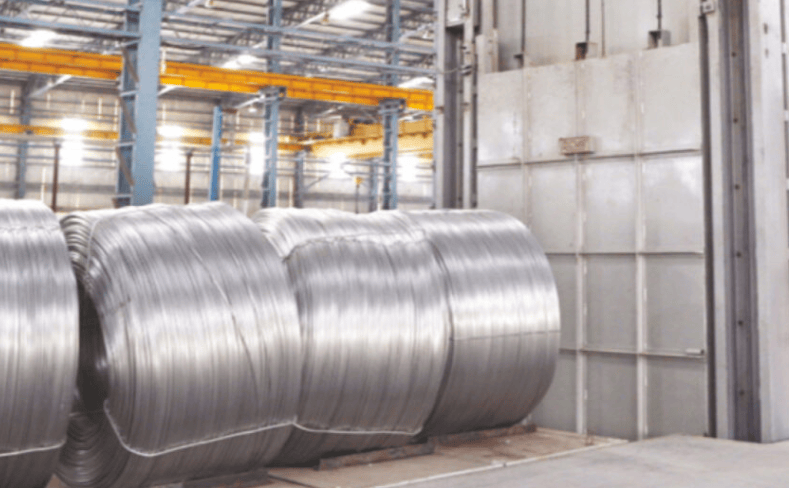
en.Wedoany.com Reported - PhillipCapital recently released a report stating that India's winding wire industry is entering a phase of structural growth, based on the convergence of factors such as rapid electrification, increased investment in transmission and distribution, and rising adoption of renewable energy. Winding wire is a critical material for transformers, motors, and generators, and its demand is directly linked to the expansion of power infrastructure and the pace of the energy transition. Demand from electric vehicles, data centers, industrial automation, and the heating, ventilation, and air conditioning (HVAC) sector is expected to drive steady growth in sales volumes and provide room for organized manufacturers to improve profit margins.
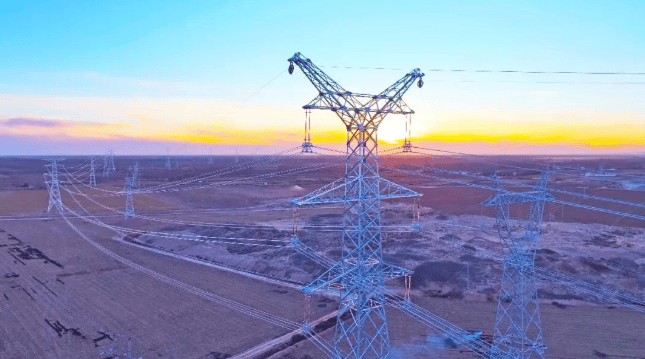
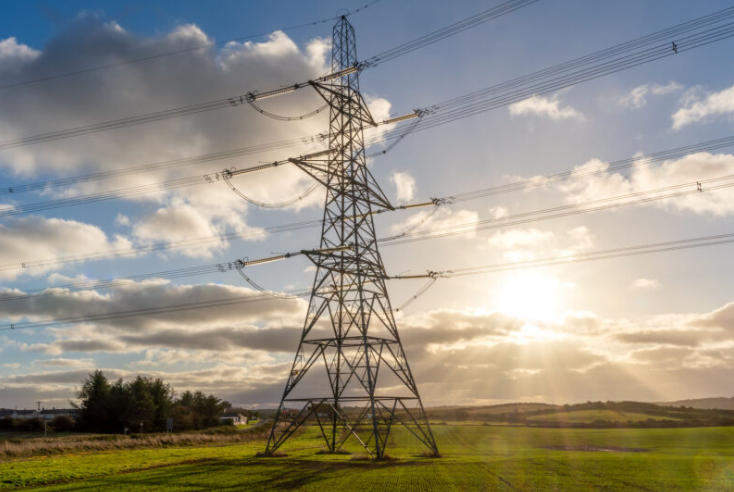
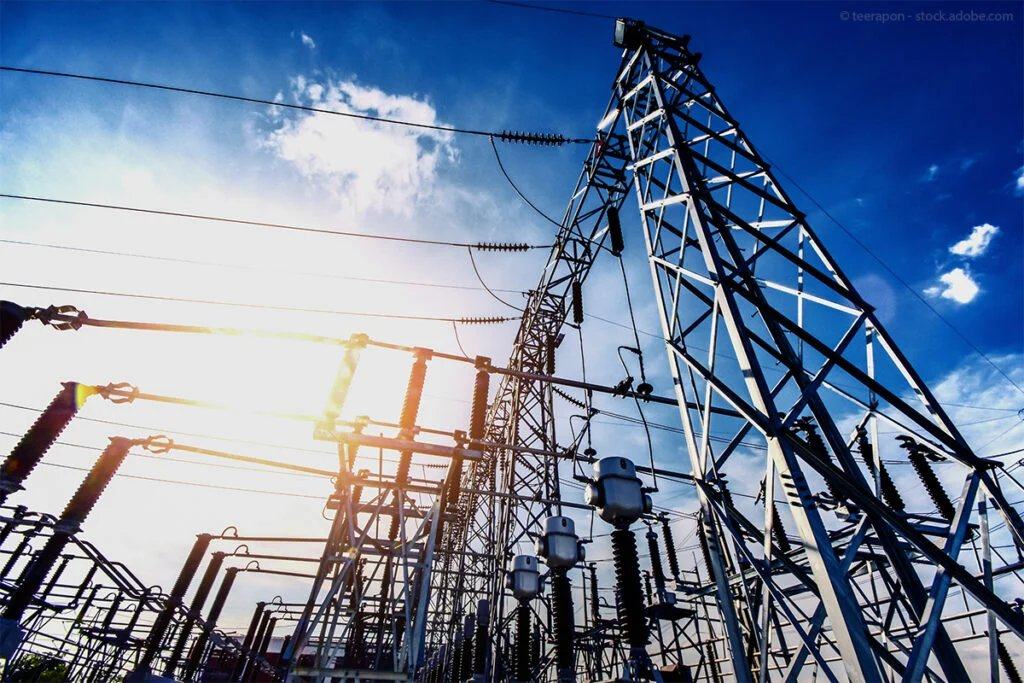
India plans to nearly double its installed power generation capacity from approximately 442 gigawatts (GW) in fiscal year 2024 (FY24) to around 900 GW by fiscal year 2032 (FY32), while also planning to invest over Rs 9 trillion in transmission infrastructure. The expansion of substations, transmission lines, and transformer capacity will generate long-term demand for distribution transformers, power transformers, and specialty transformers, which in turn will flow through to winding wire manufacturers. This scale of expansion may also prompt the industry to increase investment in higher-quality inputs and greater manufacturing capacity.
Renewable energy and grid modernization are seen as key growth drivers. India's non-fossil fuel installed capacity target is 612.7 GW by 2032, up from 194 GW in 2024, corresponding to a compound annual growth rate of 15.5%. The advancement of battery energy storage systems, smart grids, and green hydrogen projects is expected to boost demand for specialty winding wires used in transformers, generators, and inverters. The industry's product mix is shifting from conventional categories toward high-value-added products such as continuously transposed conductors and EV-grade winding wires, which impose higher requirements on production qualifications and technical barriers.
PhillipCapital noted that the global trend of supply chain diversification, coupled with the growth of India's transformer and motor exports, along with industry formalization and the advancement of the "China+1" sourcing strategy, may create opportunities for the country's winding wire industry. In terms of conductor materials, copper will remain the preferred choice for critical applications due to its electrical and thermal conductivity, with demand for copper expected to remain strong in EV traction motors, renewable energy equipment, high-voltage direct current (HVDC) transformers, industrial automation, and data centers. The report also mentioned that the HVAC market continues to expand and air conditioner penetration remains low, presenting structural opportunities in the copper tube segment.
Related Products

Forest and Grassland Heat Source Infrared Monitor
China Huayun Meteorological Technology Group Co., Ltd.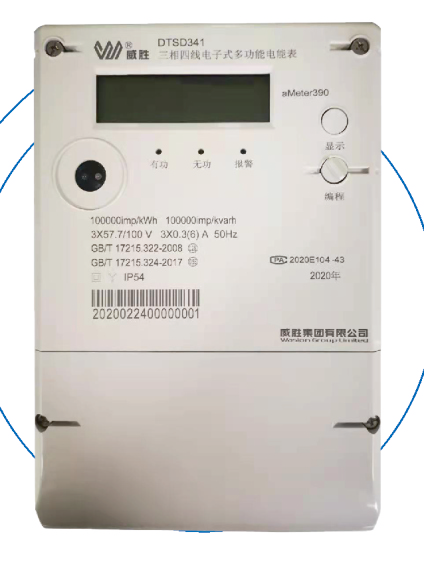
Overseas IEC Gateway Energy Meter - DTSD341/DSSD331-aMeter390
Wasion Group Limited Co., Ltd.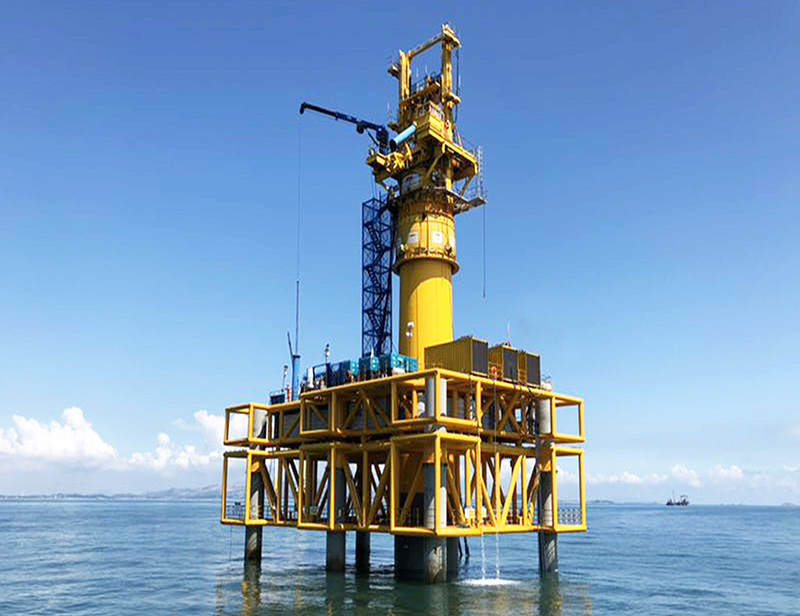
CITIC Heavy Industries Offshore Wind Power Equipment Hydraulic Pile Hammer
CITIC Heavy Industries Co., Ltd.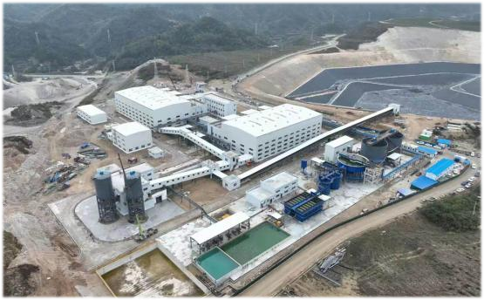
Yingping Mining Section Open-pit Tailings Backfill Treatment of Goaf Ecological Restoration EPC Project
China Bluestar Lehigh Engineering Corporation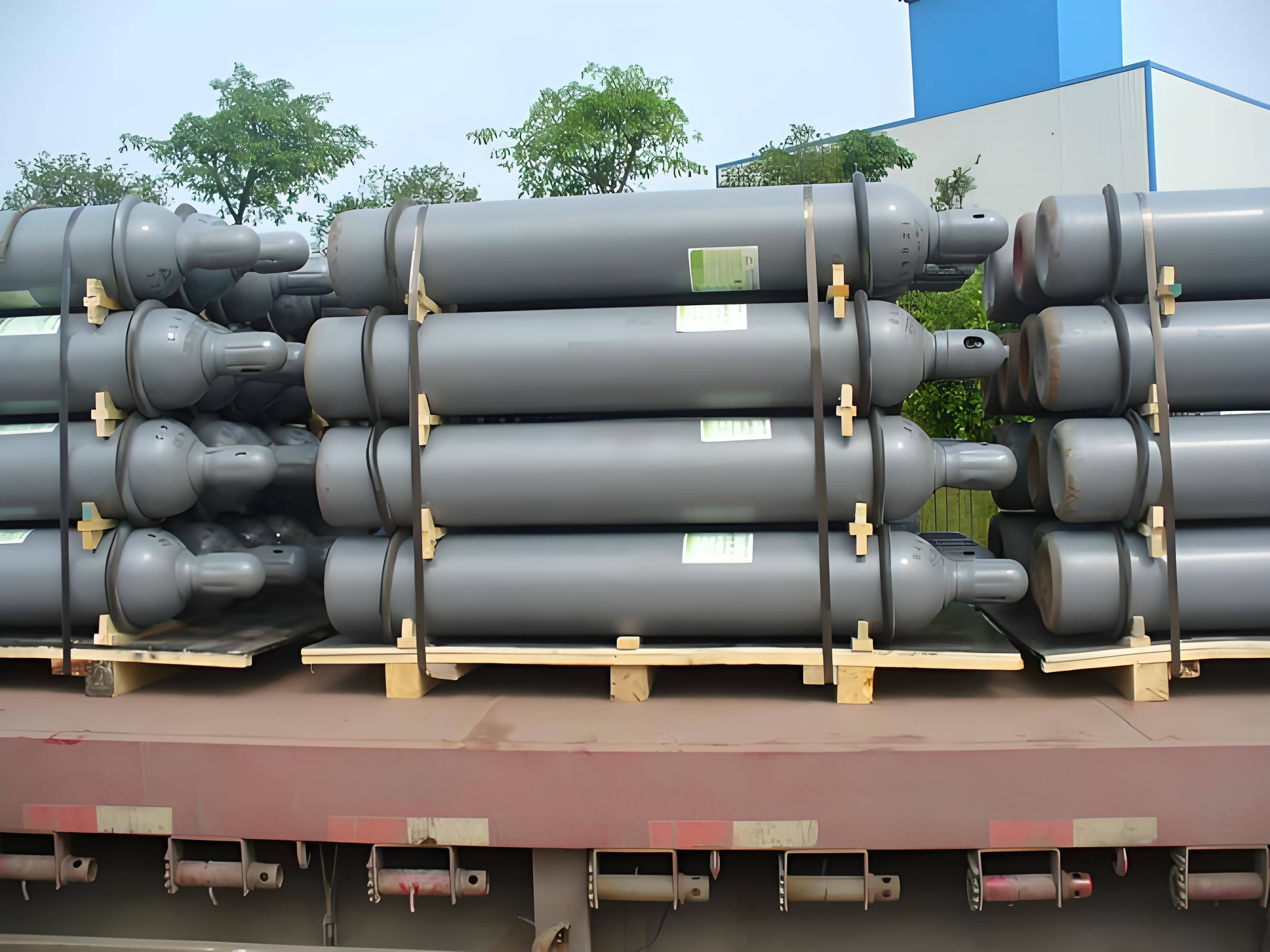
Global Sulfur Hexafluoride Gas Supply and Cylinder Export
Foshan Yuexin Industrial Gas Co., Ltd.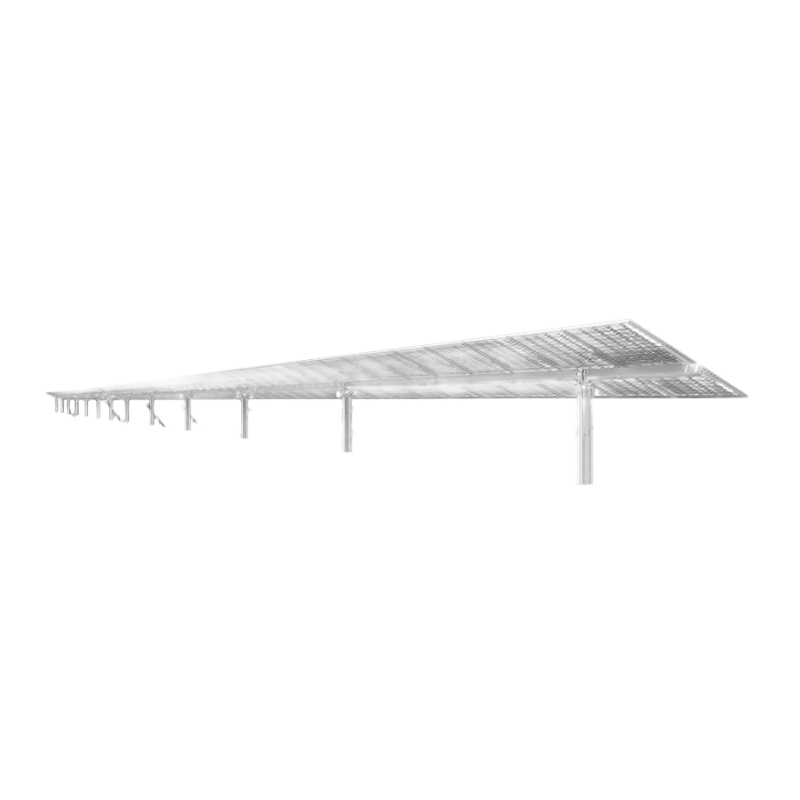
TAI Slew-drive Single-axis Independent 1P Tracking Bracket System
ANTAI TECHNOLOGY CO., LTD.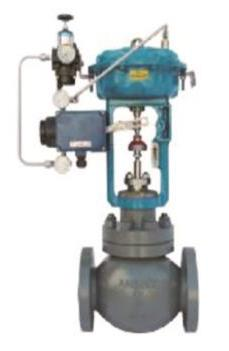
Quick-Change Single-Seat Control Valve / Quick-Change High-Pressure Single-Seat Control Valve
Beijing Consen Automation Technology Co., Ltd.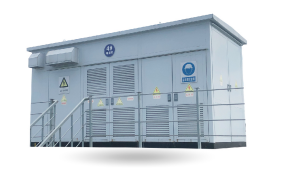
Smart Photovoltaic Prefabricated Substation
Shanghai Jinyou Jinhong Intelligent Electric Co., Ltd.