IEA: Global Electric Vehicle Sales to Reach 29% of Total by 2026
en.Wedoany.com Reported - The latest report from the International Energy Agency (IEA) shows strong growth in global electric vehicle (EV) sales in the second quarter of 2026. Despite overall pressure on the global automotive market, the energy crisis triggered by the Middle East war has caused fuel price fluctuations, becoming one of the driving factors behind rising EV sales. In key EV markets such as Brazil, India, South Korea, and Vietnam, sales from March to June nearly doubled compared to the same period in 2025; in the first half of 2026, EV sales grew year-on-year in more than 90 countries.
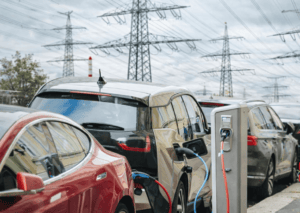
The report, titled "Electric Car Markets in a Time of Uncertainty," supplements the "Global EV Outlook 2026" released in May and compiles the latest data on the global automotive market for the first half of this year. It shows that global car sales from January to June fell by approximately 5% compared to the same period in 2025, with the contraction mainly driven by China and the United States—the world's two largest automotive markets—both facing economic pressures, rising fuel prices, and changes in public policy.
Global EV sales also declined in the first quarter, likewise due to the slowdown in the Chinese and U.S. markets. However, the market saw a strong recovery from April to June, with EV sales in the second quarter growing 35% quarter-on-quarter and reaching record levels in 50 countries.
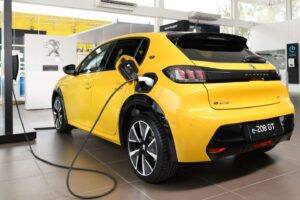
Given the second-quarter performance and the continuation of incentive policies across multiple regions including Europe, Latin America, and Southeast Asia, the IEA has revised its forecast for EVs' share of global car sales in 2026 to 29%, an increase of 1 percentage point from the estimate in the "Global EV Outlook 2026." The report also notes that road vehicles account for nearly half of global oil consumption, making the sector vulnerable to fuel price volatility and supply disruptions; it is also one of the main factors driving oil imports in several regions that have traditionally relied on the Middle East.
The IEA believes that policy responses by governments and industry to the current energy crisis—particularly measures to accelerate fleet electrification—could further speed up the ongoing transformation of the global automotive industry.
The trajectory in the Chinese market differs. The IEA expects that EV sales in China will remain flat year-on-year for the first time in 2026, reflecting the overall slowdown in the local automotive market. Even so, more than 60% of car sales in China this year are expected to be electric models, setting a new historical record. The study also points to further room for growth in global sales: in the first six months of this year, China's EV exports have already nearly matched its total shipments for the full year of 2025.
The report estimates that only about two-thirds of those exported vehicles have been sold so far, and combined with previously exported but unsold inventory, more than 1 million EVs are available for sale on the international market. The IEA notes that Chinese manufacturers have consolidated a highly competitive edge in specific segments, and their progress should intensify competition with traditional automakers, especially in emerging markets where imports of Chinese-made EVs continue to grow rapidly. The report also highlights that China and other emerging economies will account for about 60% of global automotive demand over the next decade, and their performance will be a key factor in determining global leadership in the automotive industry.
Related Products

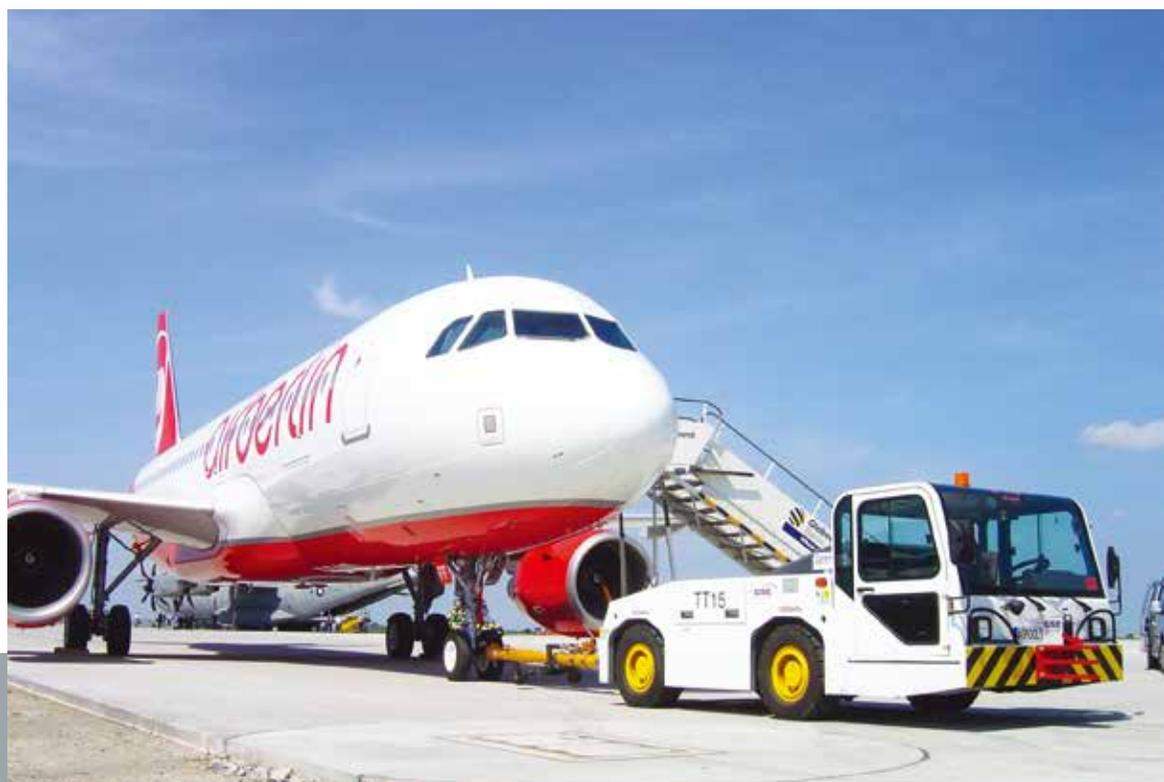
WGQY Series Aircraft Tow Tractor-WGQY15, WGQY27
Weihai Guangtai Airport Equipment Co., Ltd.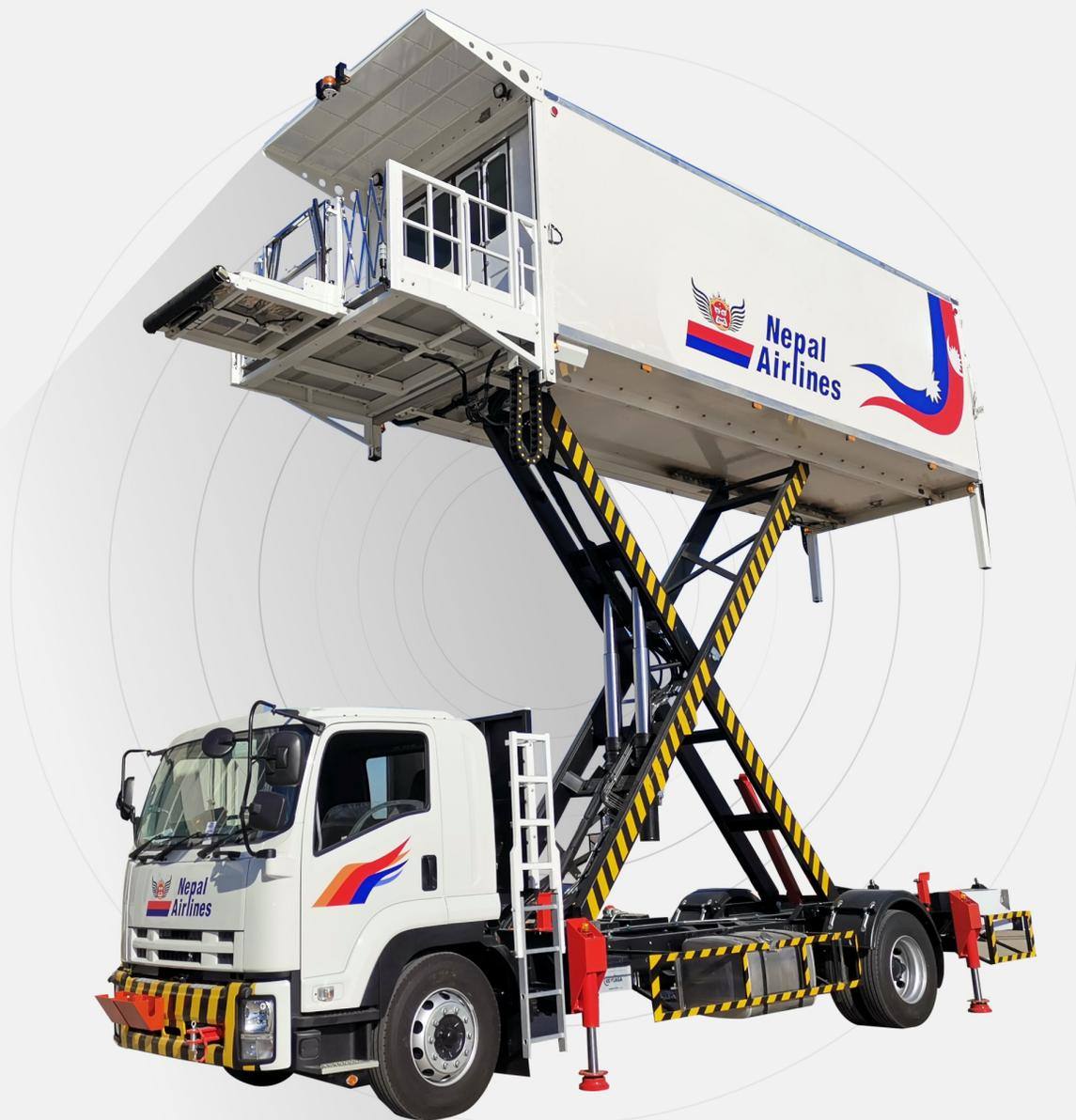
XC-6000e Type Aviation Catering Truck (Fuel Type)
Shenzhen CIMC-TianDa Airport Support Ltd.
![IVECO Cash-in-Transit [DMT5048XYCL3-AM] - Chongqing Dima Industry Co., Ltd](https://img.wedoany.com/2026/0911/20260911030157582.png)
GSR6-27.5kV SF6 Free Gas-insulated Metal-enclosed Switchgear
Zhejiang Juhonkia Intelligent Electric Co., Ltd.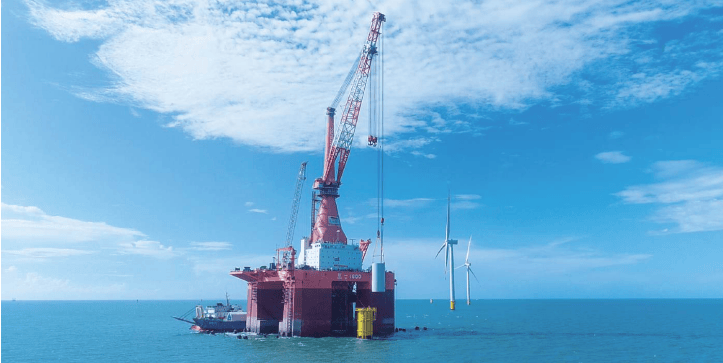
"Shunyi 1600" Deep-submerging Bottom-sitting Multi-functional Wind Power Engineering Vessel
Zhengli Offshore Engineering Co., Ltd.
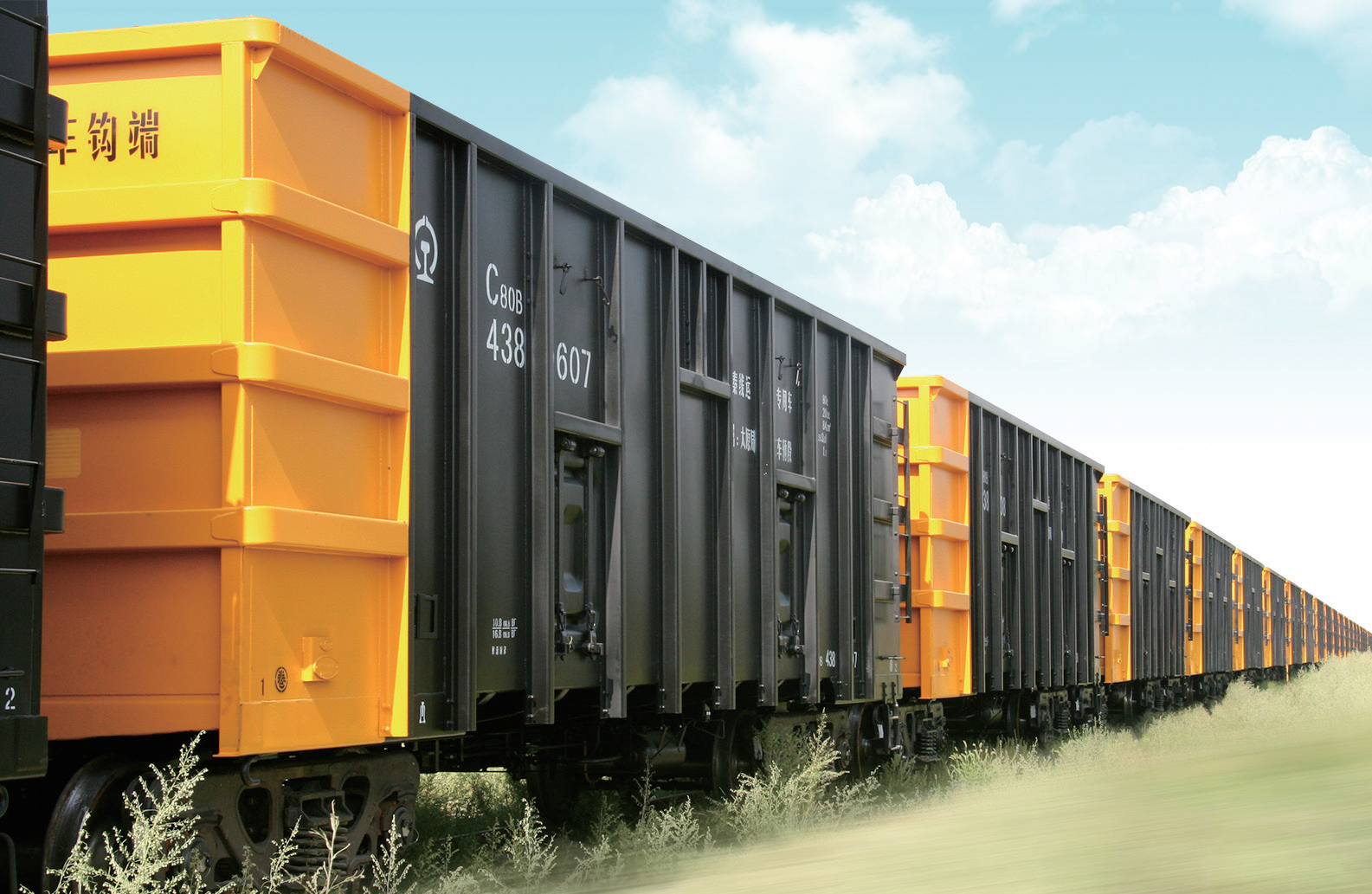
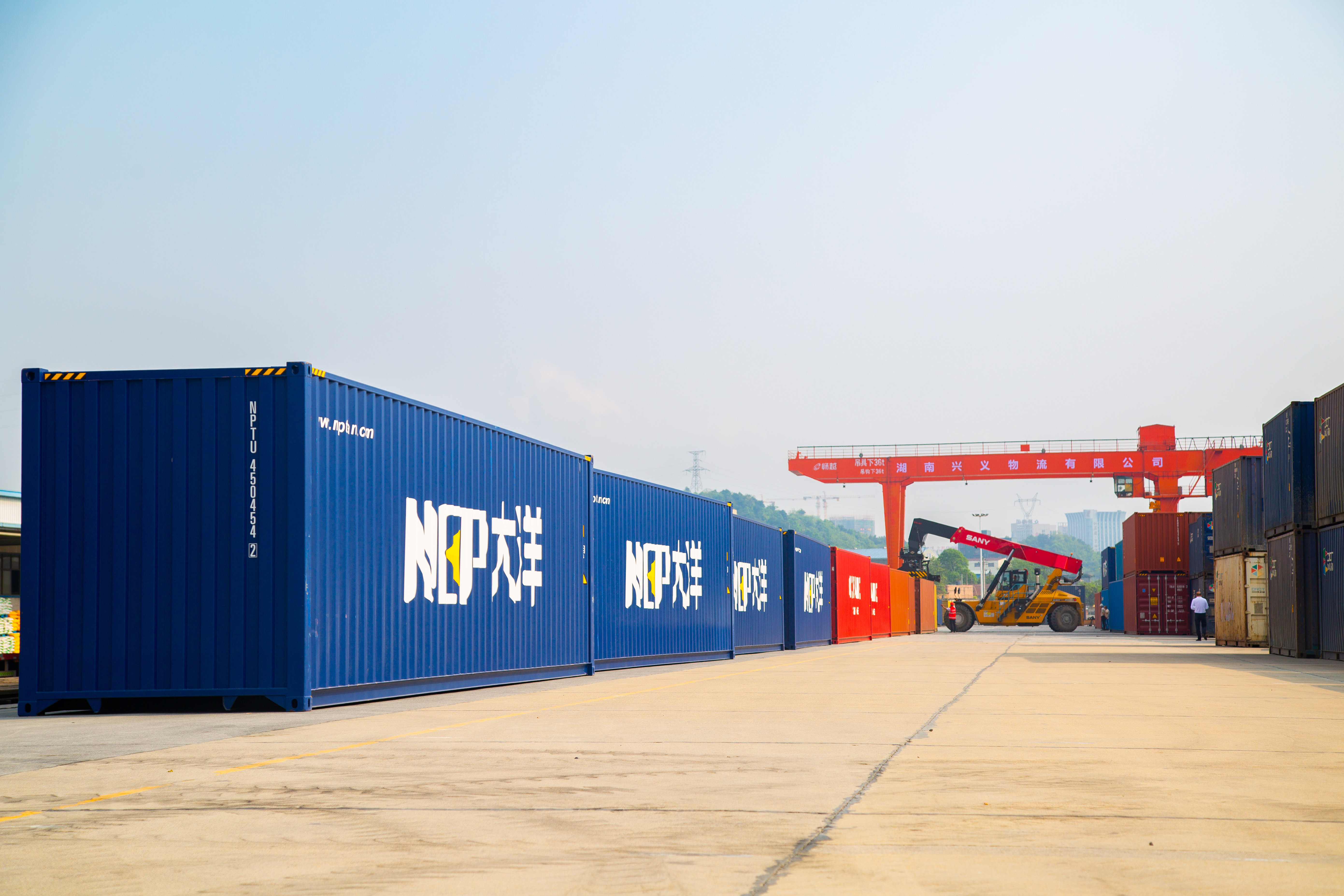
China - Alashankou/Khorgos - Europe Full Range Transportation (Mala/Hamburg/Duisburg/Budapest, etc.)
Shenzhen Neptune Logistics Co., Ltd.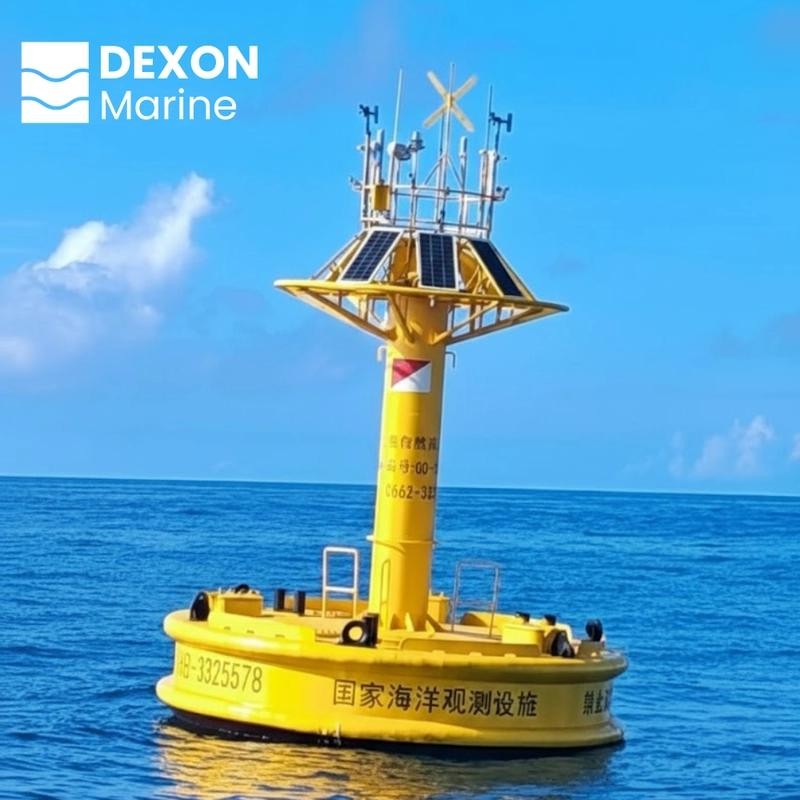
3m intelligent buoy combining navigation safety and real-time marine monitoring integrated navigation and marine monitoring system for real-time maritime data
Chengdu Dixin Technology Co., Ltd.