Airbus Launches LEIA Project to Advance Hybrid-Electric Architectures
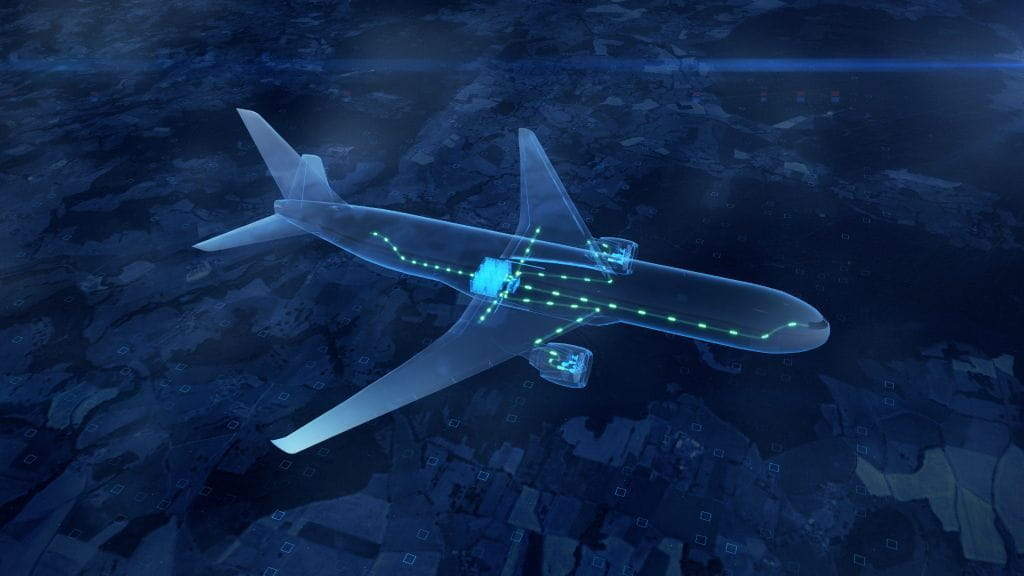
en.Wedoany.com Reported - Airbus, together with its partners from the European Union, the United Kingdom, and the United States, has launched the LEIA (Large-Scale Integration and Demonstration of Hybrid-Electric Architectures) project, aimed at developing hybrid-electric non-propulsive energy architectures for next-generation commercial aircraft. Supported by the EU's Clean Aviation Joint Undertaking, the project focuses on high-voltage power generation and distribution technologies required for innovative electrical systems on short-to-medium-range aircraft, seeking to bridge the gap between component-level innovation and aircraft-level maturity, thereby laying the groundwork for future integration and certification of related technologies.
Karim Mokaddem, Head of Research and Technology for Airbus "Future Aircraft," stated that the advancement of hybrid-electric technology research and the launch of the LEIA demonstration project mark a critical shift in the way aircraft are designed. He emphasized that moving toward integrated, intelligent hybrid-electric architectures is about building the physical and digital foundation for next-generation aircraft, and that the future of aviation involves not only new power sources but also the ecosystem that manages them.
The LEIA project builds on the completed SWITCH project. SWITCH, which focused on hybrid-electric powertrain subsystems, reached a key milestone in July this year when Collins Aerospace completed integrated laboratory testing. This achievement was delivered jointly by project partners Pratt & Whitney, GKN Aerospace, and MTU Aero Engines.
After operating in conjunction with simulated aircraft and engine systems, these subsystems are now being transferred to the Airbus Sustainable Technologies and Engineering Projects (STEP) laboratory in Ottobrunn, Germany. The Airbus team will conduct critical aircraft-level integration tests there, covering design, battery interfaces, and energy management systems.
Airbus is leading the integration of multiple advanced electrical components, including scalable electric motors/generators, next-generation electronic controllers, power distribution equipment, and other aircraft systems. These systems will be validated through a comprehensive test plan, with key ground demonstrations scheduled before 2027.
Both the SWITCH and LEIA projects build on Airbus's ongoing collaborations across multiple Clean Aviation programs targeting electrification technologies for regional and short-to-medium-range aircraft. By coordinating cross-border supply chain integration and stringent technical requirements, Airbus is driving the aviation industry's transition toward greater electrification, with the ultimate goal of reducing greenhouse gas emissions in aviation.
Partners involved in the LEIA project include AVL, Collins Aerospace, the European Aeronautics Science Network (EASN), Fraunhofer-Gesellschaft, Liebherr Aerospace, Lynxeo, the Netherlands Aerospace Centre (NLR), Safran, SAFT, the University of Warwick, and Wroclaw University of Science and Technology.
Related Products
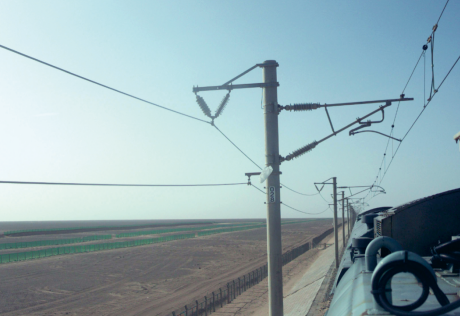

Pantograph-Catenary Comprehensive Detection Device (1C)
CHENGDU TANGYUAN ELECTRIC CO., LTD.
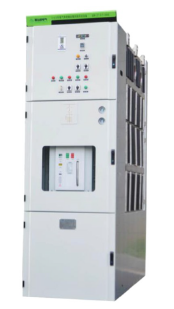
GSR6-27.5kV SF6 Free Gas-insulated Metal-enclosed Switchgear
Zhejiang Juhonkia Intelligent Electric Co., Ltd.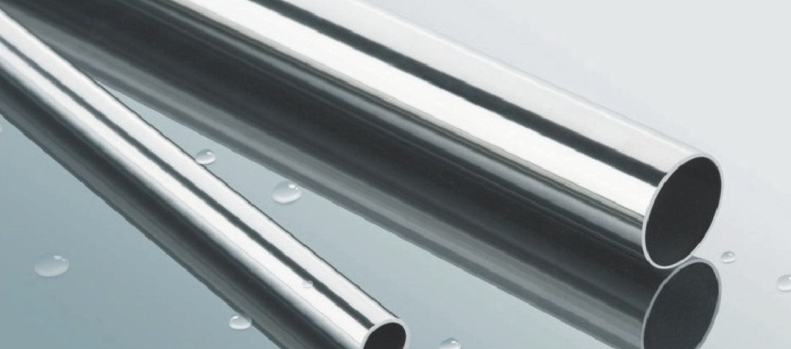
ERW Welded Pipe (Black Pipe and Hot-dip Galvanized Steel Pipe)
Handan Zhengda Steel Pipe Co., Ltd.