India-US East Coast freight rates may hit record $7,400 next week
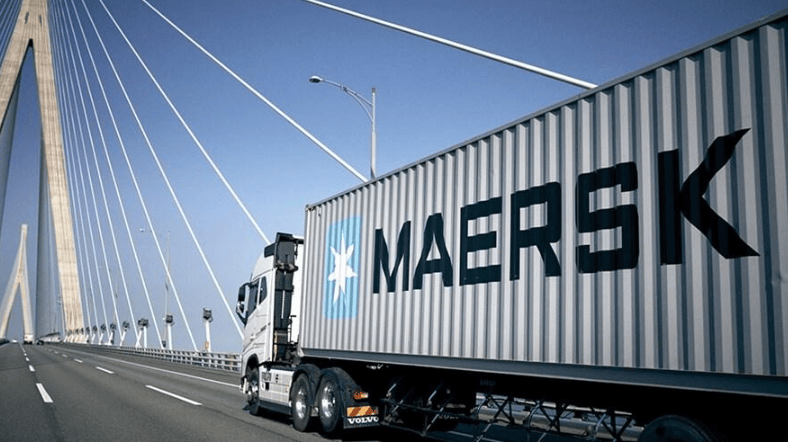
en.Wedoany.com Reported - Container shipping data shows that India's exports to the US continue to strengthen, with India emerging as one of the major beneficiaries of the post-pandemic transformation of global supply chains toward resilience.
Peter Sand, chief analyst at Xeneta, told The Loadstar that carriers are aligning with shippers' supply chain de-risking strategies, resulting in a growing volume of cargo originating from India. Freight rates from India to the US East Coast are expected to hit an all-time high next week, potentially reaching $7,400 per 40-foot container based on early indicators from Xeneta data, and are still climbing. Sand stated that this increase reflects importers diversifying their sourcing away from China to reduce geopolitical and supply chain risks. Global shipping dynamics are no longer confined to major trade lanes, he added.
The Loadstar previously reported that a European freight forwarder said high demand coupled with capacity constraints on the India-North Europe route had made it nearly impossible to ship cargo from India. The forwarder had to book space four to six weeks in advance and observed carriers canceling bookings outright when capacity tightened, rather than rolling cargo to the next sailing.
Braemar stated that the resilience of Indian exports reflects a broader transformation of global supply chains. Since the COVID-19 pandemic, the container market has fundamentally changed, with resilience replacing efficiency as the industry's defining principle. Braemar analyst Jonathan Roach explained that uncertainty has now become part of the business model. Importers no longer wait for market stability before making decisions; instead, they diversify suppliers, adjust sourcing, build inventory when necessary, and ship early when risks emerge. Flexibility has replaced efficiency as the guiding principle.
He added that the industry no longer expects calm seas but anticipates disruptions. Roach emphasized that this does not mean container shipping is immune to shocks, but the industry is unlikely to be caught off guard as it has been in the past. COVID-19 not only disrupted global shipping but also changed the industry's mindset. For decades, the industry placed efficiency above almost everything else; since 2020, it has pursued resilience, flexibility, and responsiveness. This may prove to be the pandemic's most enduring legacy.
Related Products


GSR6-27.5kV SF6 Free Gas-insulated Metal-enclosed Switchgear
Zhejiang Juhonkia Intelligent Electric Co., Ltd.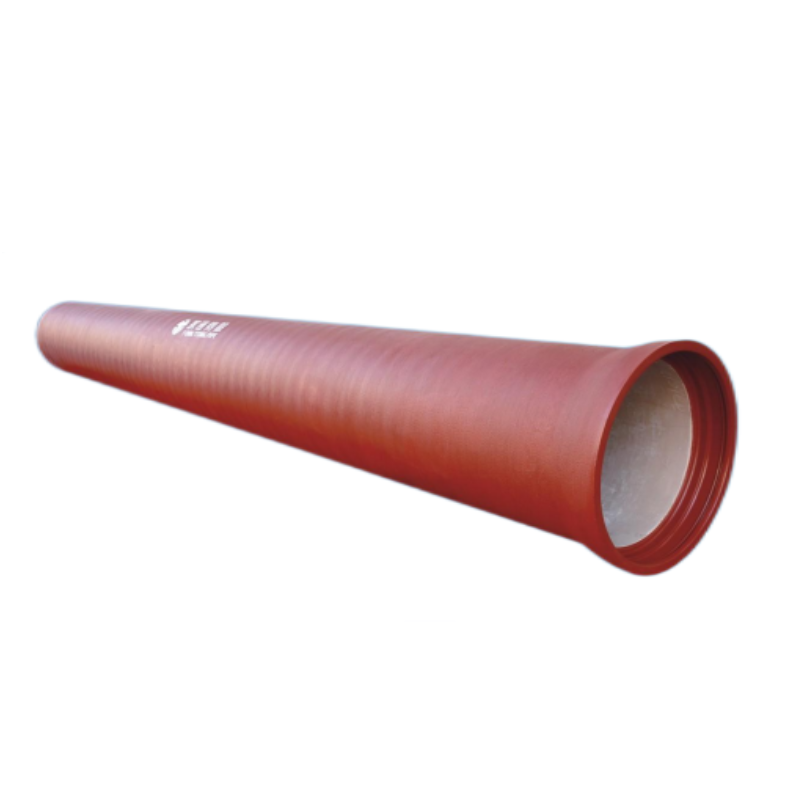
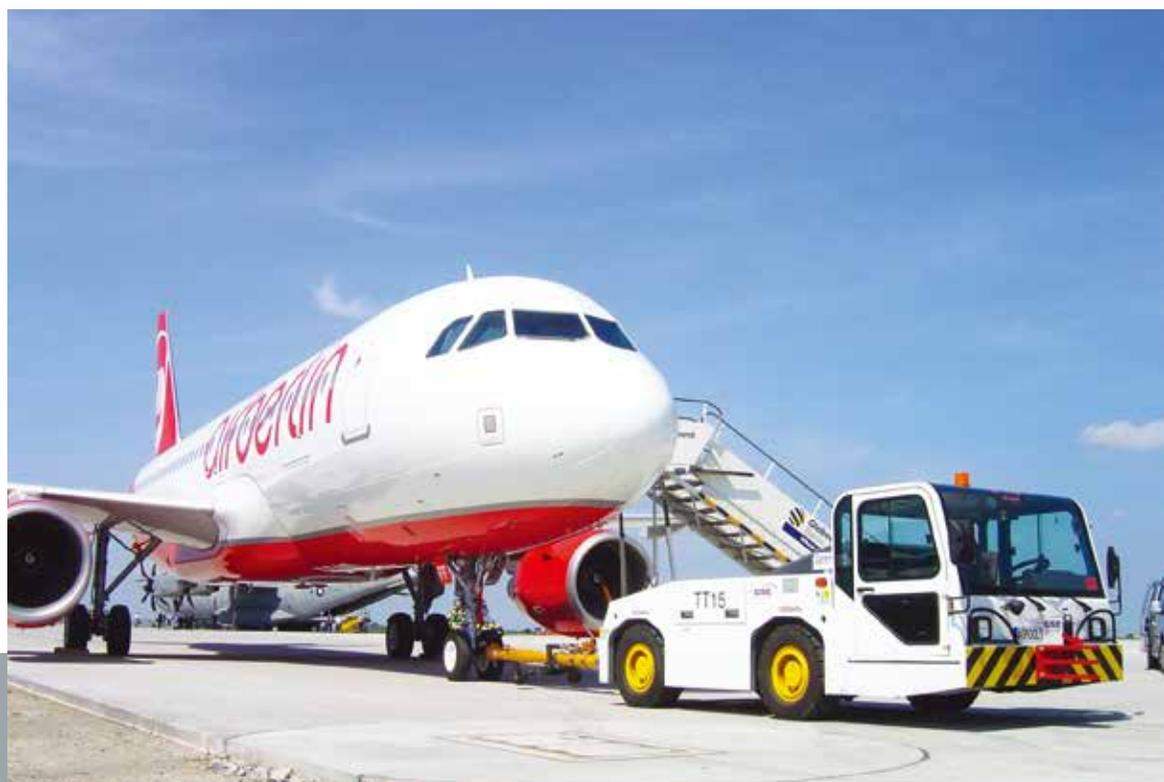
WGQY Series Aircraft Tow Tractor-WGQY15, WGQY27
Weihai Guangtai Airport Equipment Co., Ltd.
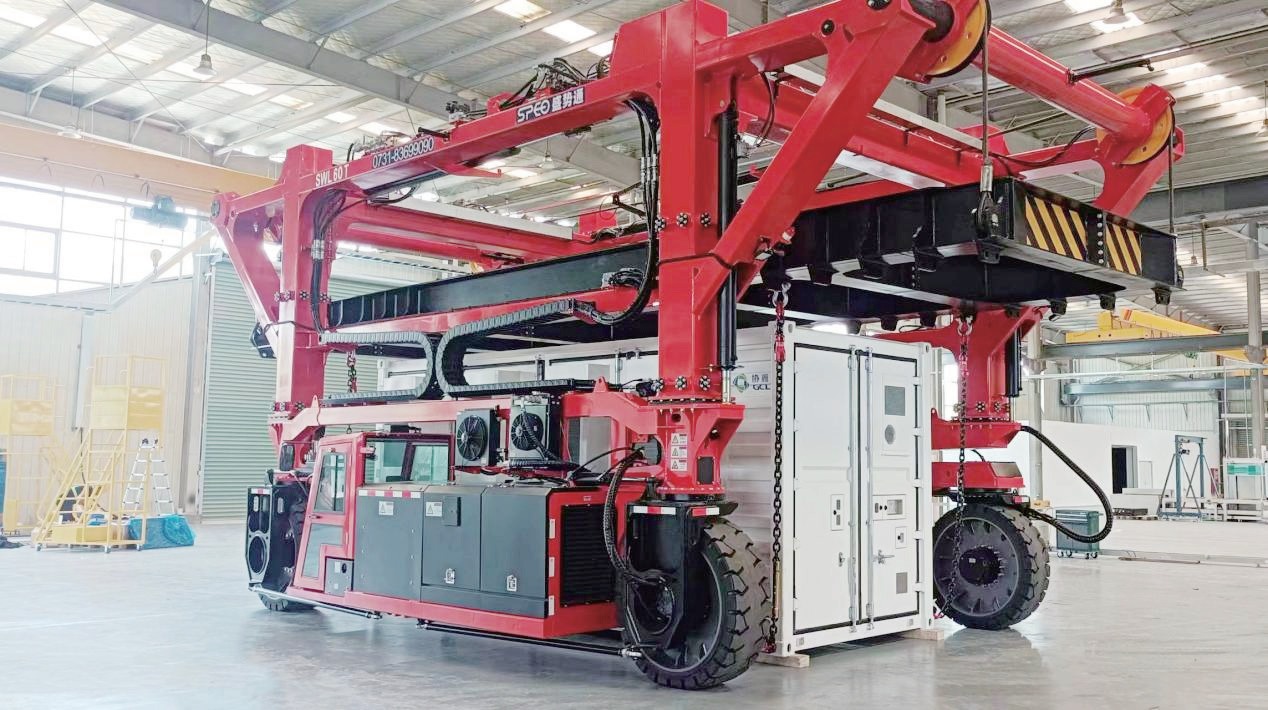
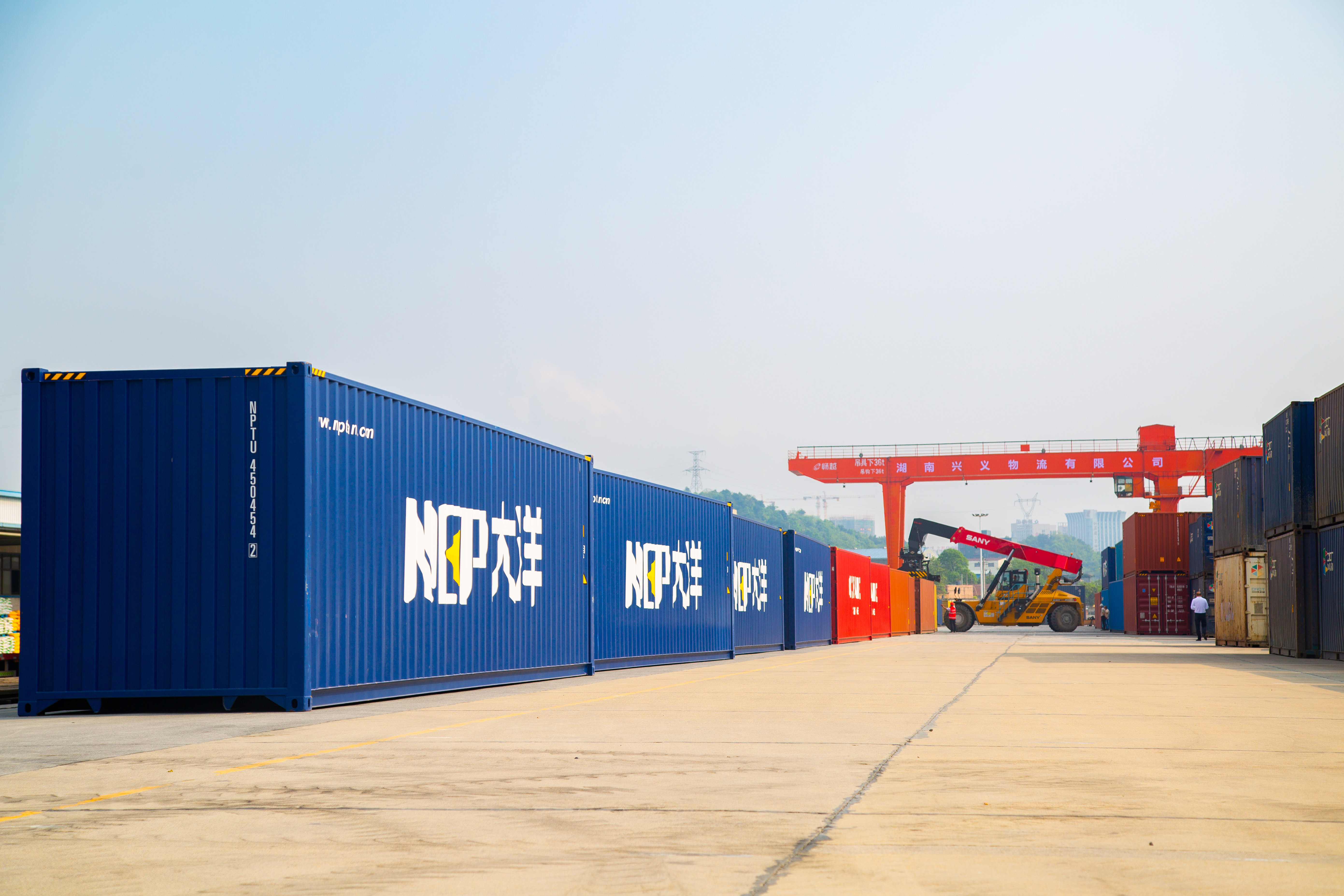
China - Alashankou/Khorgos - Europe Full Range Transportation (Mala/Hamburg/Duisburg/Budapest, etc.)
Shenzhen Neptune Logistics Co., Ltd.

Pantograph-Catenary Comprehensive Detection Device (1C)
CHENGDU TANGYUAN ELECTRIC CO., LTD.
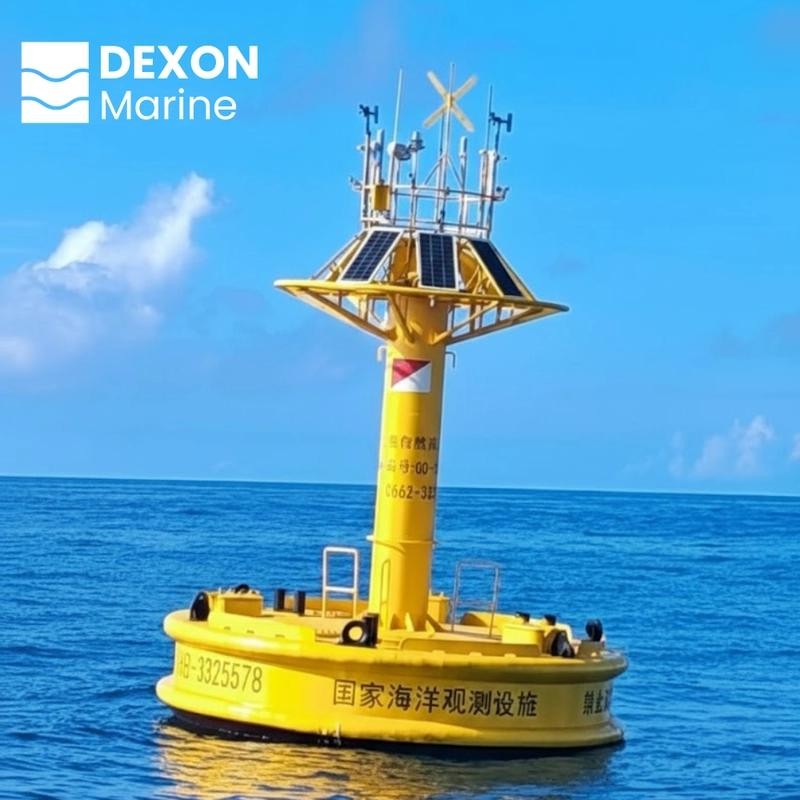
3m intelligent buoy combining navigation safety and real-time marine monitoring integrated navigation and marine monitoring system for real-time maritime data
Chengdu Dixin Technology Co., Ltd.
XC-6000e Type Aviation Catering Truck (Fuel Type)
Shenzhen CIMC-TianDa Airport Support Ltd.