en.Wedoany.com Reported - UK regional airline Loganair and ClimaHtech Green Flight have recently announced a 15-year Sustainable Aviation Fuel (SAF) offtake agreement to support the long-term decarbonisation of UK regional aviation. Under the agreement, Loganair plans to continuously offtake SAF produced through ClimaHtech Green Flight's advanced technology pathway over a 15-year period.
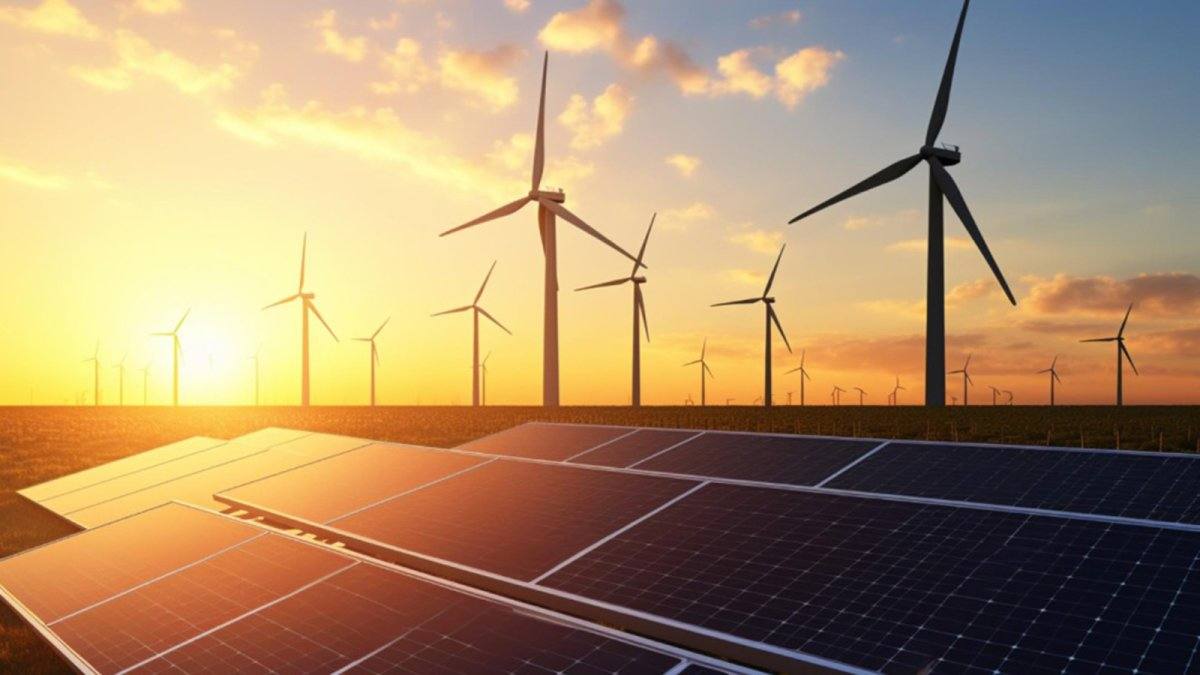
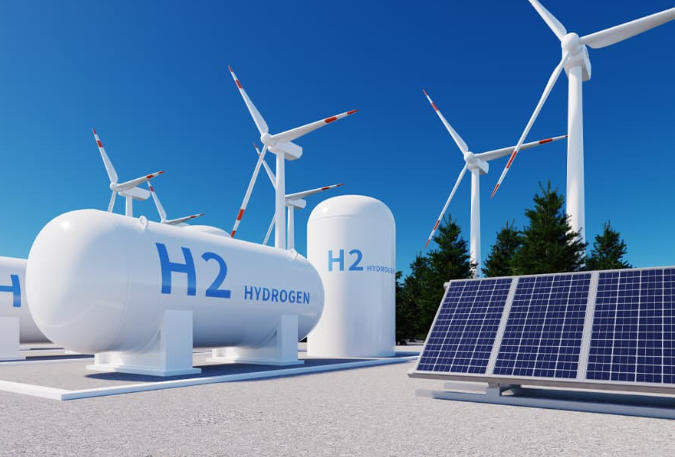
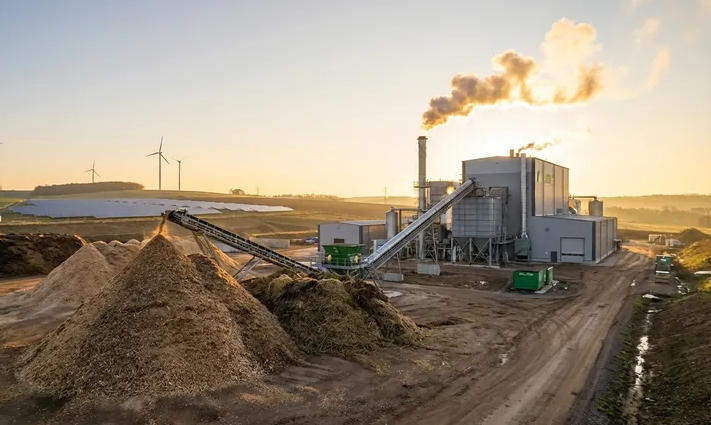
ClimaHtech Green Flight's technology enables distributed SAF production, utilising waste biomass feedstocks and operating flexibly in conjunction with intermittent renewable energy through its proprietary technology. The company is currently developing a first-of-a-kind (FOAK) SAF production project, which aligns closely with Loganair's core operating regions across the Scottish Highlands, islands, and UK regional routes including Northern Ireland.
This agreement supports the SAF mandate introduced by the UK government and reflects both companies' commitment to jointly developing localised, scalable SAF solutions. The solution aims to provide supply near regional aviation operations while reducing full life-cycle carbon emissions.
Luke Farajallah, CEO of Loganair, said: "As the UK's largest regional airline, Loganair plays a vital role in connecting communities across the UK, particularly in regions where aviation is seen as a lifeline rather than a luxury. Decarbonising regional aviation is both a responsibility and a practical challenge. This long-term agreement with ClimaHtech Green Flight is a significant step towards securing sustainable aviation fuel produced closer to our operating locations, supporting the UK supply chain, and reflecting our commitment to reducing our carbon footprint."
Mel Courtney, CEO of ClimaHtech Green Flight, said: "This offtake agreement with Loganair demonstrates airlines' confidence in our SAF pathway and our ambition to build a distributed, regional SAF production model. The ClimaHtech electrically driven platform has greater tolerance for intermittent renewable energy supply, enabling direct connection to renewable power assets. By combining this with efficient energy and biomass utilisation, we are bringing a scalable and resilient approach to SAF deployment."