Xinjiang's new energy storage in 2025 records cumulative charging of 9.1 billion kWh
en.Wedoany.com Reported - Xinjiang in China has built six new energy bases each with an installed capacity exceeding 10 million kilowatts, and the installed capacity of new energy power generation in all 14 prefectures and cities has surpassed one million kilowatts each. New energy power generation has become the region's largest power source and the primary driver of power generation growth. The rapid increase in installed capacity poses challenges to the safe and stable operation of the power grid, new energy consumption, and cross-regional transmission. State Grid Xinjiang Electric Power Co., Ltd. is advancing the construction of a new-type power system through efforts in three areas: grid framework development, source-grid-load-storage coordination, and dynamic assessment of grid carrying capacity.
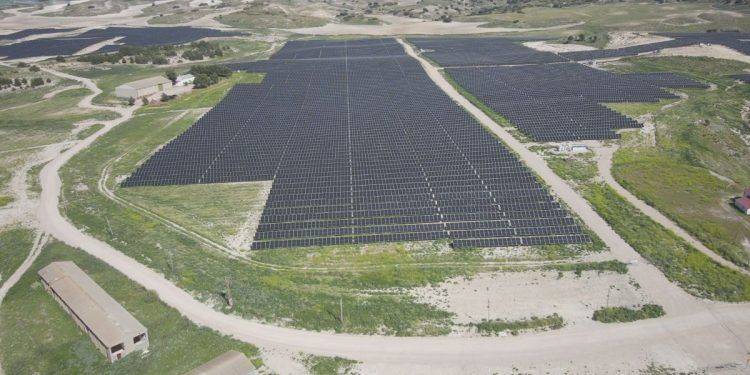
As of the end of June, Xinjiang's installed capacity of new energy power generation reached 173 million kilowatts. State Grid Xinjiang Electric Power has established a main grid framework featuring "eight internal power supply loops and five external transmission channels," forming an outward transmission pattern with three ultra-high-voltage direct current (UHVDC) channels as the backbone and two alternating current (AC) channels as auxiliary support, with a Xinjiang-to-external power transmission capacity of 33 million kilowatts. As of the end of May, the total length of transmission lines at 220 kV and above in Xinjiang's power grid exceeded 50,000 kilometers, including 14,800 kilometers of 750 kV ultra-high voltage lines.
The 750 kV Ruoqiang-Antelope power transmission and transformation project under construction is the third AC channel for Xinjiang's external power transmission. It commenced on September 19, 2025, and is scheduled to be operational in the first half of 2027. Upon completion, Xinjiang's power grid will form a "three AC and three DC" external transmission pattern, with AC external transmission capacity increasing from 3 million kilowatts to approximately 4.8 million kilowatts, strengthening the grid framework of southern Xinjiang and cross-regional resource allocation capabilities.
During the "15th Five-Year Plan" period, State Grid Xinjiang Electric Power will accelerate the construction of the 750 kV Ta'e, Karamay, Meigui Spring, and Jiangjunmiao power transmission and transformation projects, address the transmission section bottlenecks of the million-kilowatt-level photovoltaic bases in Hami, Changji, and southern Xinjiang, and leverage the AC/DC hybrid grid framework to achieve interconnection of grid channels across the six major new energy bases in Xinjiang, supporting large-scale development and high-level consumption of wind power in northern Xinjiang and photovoltaic power in southern Xinjiang by region.
New energy power generation is highly volatile, requiring coordinated efforts in forecasting and dispatch. State Grid Xinjiang Electric Power, relying on a new-generation new energy power generation forecasting system, has improved the accuracy of wind and solar power generation forecasts to over 96%, and utilizes technologies such as AI meteorological large models to provide a basis for output forecasting, promoting efficient consumption of new energy.
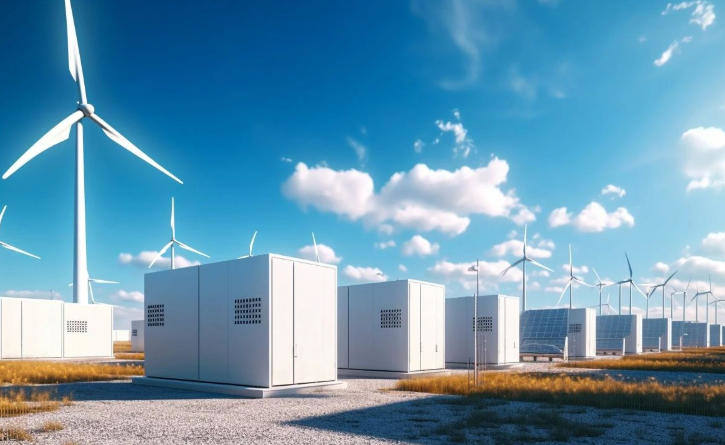
State Grid Xinjiang Electric Power has established a source-grid-load-storage coordinated regulation system, promoting multi-power-source complementarity, energy storage regulation, and coordinated participation of load-side resources. The Gobi energy base at the northern foot of the Tianshan Mountains is a supporting power source project for the "Xinjiang-to-Chongqing Power Transmission" project, with a total power source scale of 14.2 million kilowatts, of which new energy power generation accounts for over 70% of installed capacity, supported by 1.2 million kilowatts/4.8 million kilowatt-hours of electrochemical energy storage devices. State Grid Xinjiang Electric Power coordinates power source integration with grid planning, providing grid connection technical support and dispatch service guarantees for supporting power source projects of key projects. As of 24:00 on July 20, the cumulative power transmission of the "Xinjiang-to-Chongqing Power Transmission" project exceeded 30 billion kilowatt-hours.
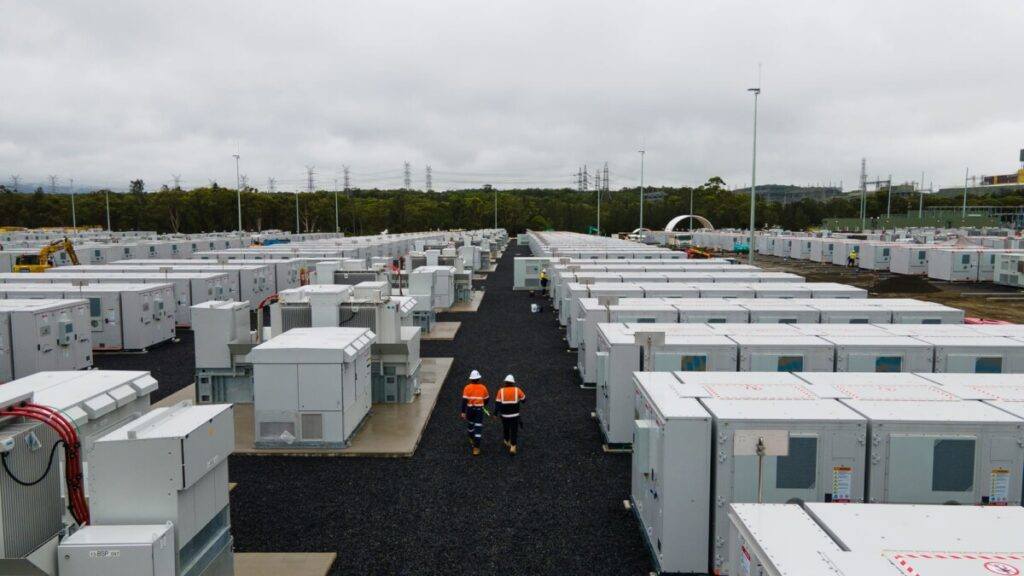
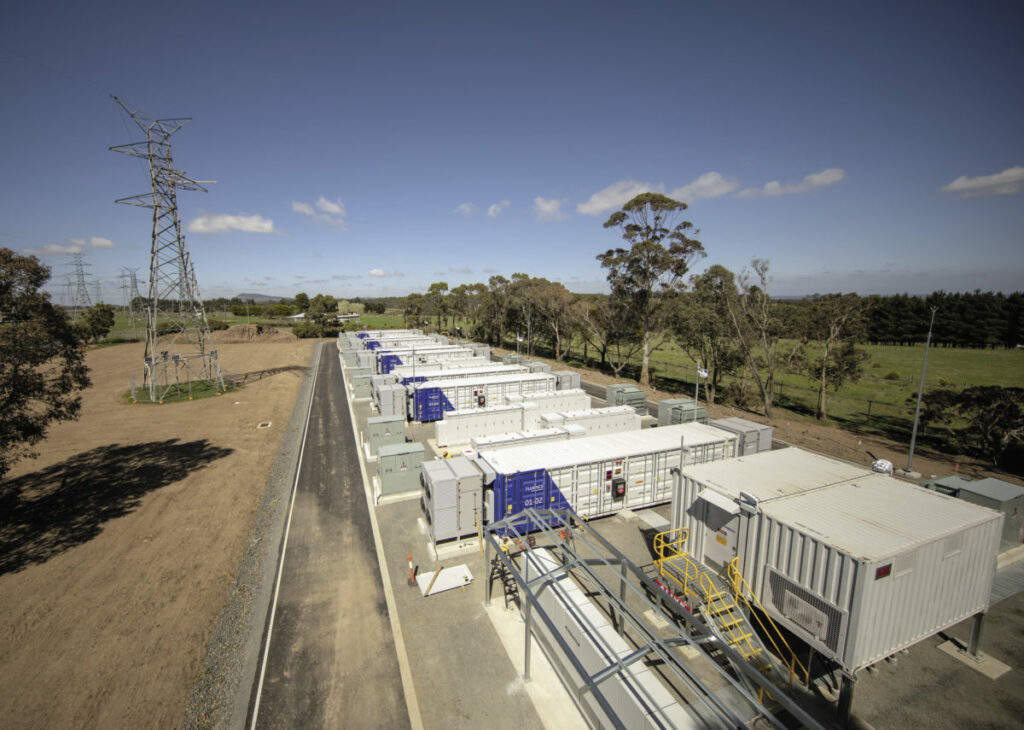
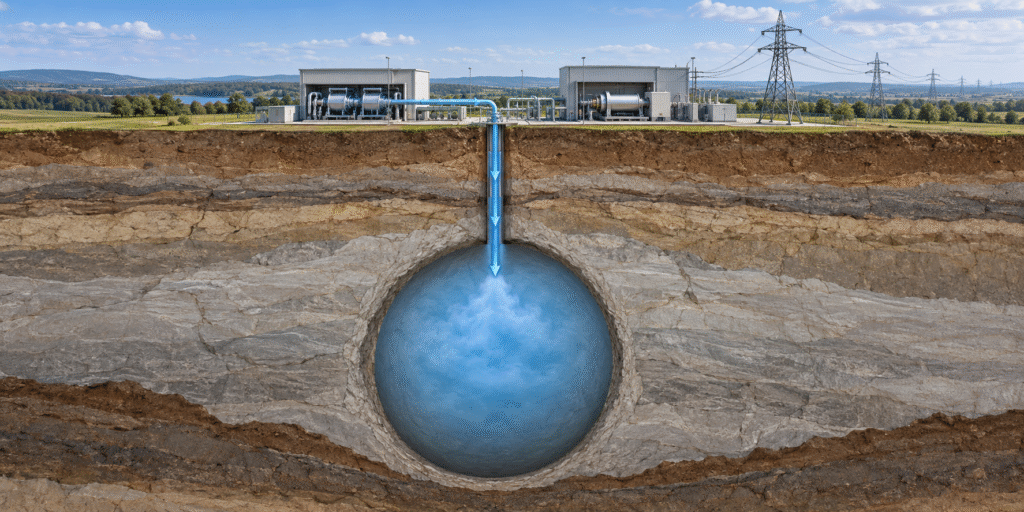
New-type energy storage offers advantages such as short construction cycles, flexible site selection, and fast regulation response, helping to smooth fluctuations in new energy power generation. As of the end of May, the installed capacity of new-type energy storage in Xinjiang's power grid exceeded 22.5 million kilowatts. In 2025, the cumulative annual charging electricity of new-type energy storage in Xinjiang's power grid reached 9.1 billion kilowatt-hours, with discharging electricity of 7.7 billion kilowatt-hours and equivalent utilization hours of 1,733 hours. State Grid Xinjiang Electric Power provides full-chain services of "policy empowerment—technical support—process optimization" to ensure efficient grid connection and commissioning of new-type energy storage projects.
In terms of coordination between the load side and inter-provincial markets, in June 2025, the Regional Development and Reform Commission, together with State Grid Xinjiang Electric Power, issued the "Notice on Improving the Resilience of New Energy Development and Accelerating the Construction of a New-Type Power System," proposing to strive for demand response resource contracted capacity to reach over 10% of the maximum power load; in July, the "Implementation Rules for the Xinjiang Electric Power Auxiliary Service Market" was released, with new-type market entities such as virtual power plants gradually participating in the auxiliary service market. Leveraging the "spatiotemporal complementarity" mechanism and the 2-to-3-hour sunlight time difference between Xinjiang and the central and eastern regions, State Grid Xinjiang Electric Power routinely conducts cross-regional staggered-peak green power trading of "Xinjiang generating at midday, central and eastern regions consuming in the evening." In the first half of 2025, Xinjiang's cumulative external power transmission reached 79.024 billion kilowatt-hours, of which new energy external transmission was 27.84 billion kilowatt-hours, accounting for over 35%, a year-on-year increase of 33.92%.
Grid carrying capacity requires scientific assessment. State Grid Xinjiang Electric Power has established an inertia online monitoring and early warning system, built big data analysis models, defined safety boundaries for new energy grid integration, and organized planning personnel to conduct rolling annual analyses of new energy consumption capacity during the "15th Five-Year Plan" period. By the end of May 2025, the installed photovoltaic power generation capacity in the Kashgar region reached 10.242 million kilowatts, making it Xinjiang's first million-kilowatt-level pure photovoltaic power generation base. State Grid Xinjiang Electric Power implements a working mechanism of "quarterly coordination, monthly arrangement, weekly coordination, daily control, and post-evaluation" in Kashgar, promoting new energy power generation projects to "connect to the grid as fully as possible and as early as possible." The company has also built power forecasting and consumption capacity analysis models based on data such as new energy project approvals, station operations, and meteorology, providing a basis for project construction, grid-connected operation, and dynamic consumption.
State Grid Xinjiang Electric Power has established a multi-station short-circuit ratio monitoring system covering all new energy stations in Xinjiang, collecting real-time operational data from over 700 new energy stations, integrating grid power flow, power load, and energy storage charging/discharging data to form a closed data loop across source, grid, load, and storage segments. Currently, the company is promoting the digital and intelligent transformation of dispatch operations, building a new energy monitoring and early warning platform and a source-grid-load-storage interaction platform.
Related Products

KYN28-12/24 Indoor High-Voltage Metal-Clad Removable Switchgear
Shenzhen Zhaoyang Hui Technology Co., Ltd.
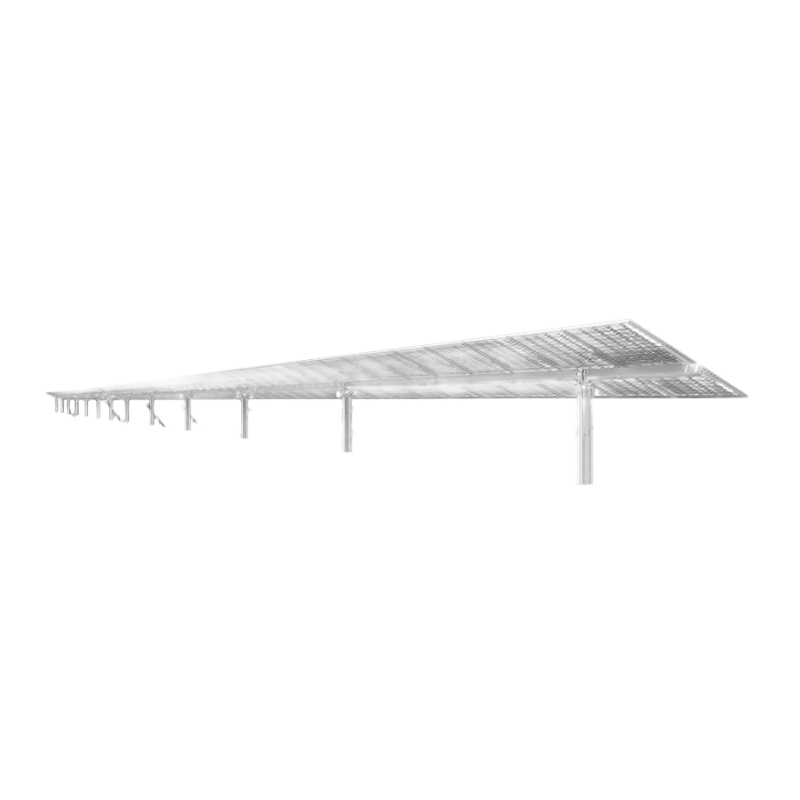
TAI Slew-drive Single-axis Independent 1P Tracking Bracket System
ANTAI TECHNOLOGY CO., LTD.
Electromagnetic Fluid Seawater Floating Oil Separation and Recover Equipment
Huate Magnet Group Co., Ltd.

G.652.D Wavelength-extended Non-dispersion Shifted Single-mode Optical Fiber
HONGAN GROUP CO., LTD.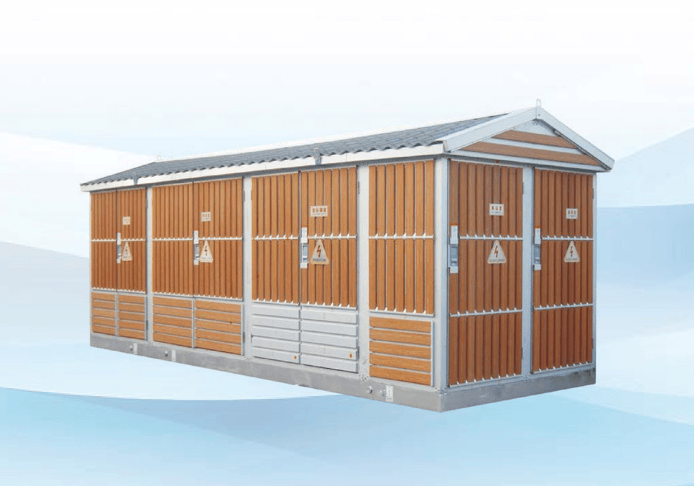
YB □ -12/0.4/1250 Outdoor Prefabricated Substation (European Style)
Shangrao Shangyu Intelligent Electric Co., Ltd.
220kV and Below Voltage Level Energy-saving Oil-immersed Power Transformers
FuZhou TianYu Electric Co., Ltd.