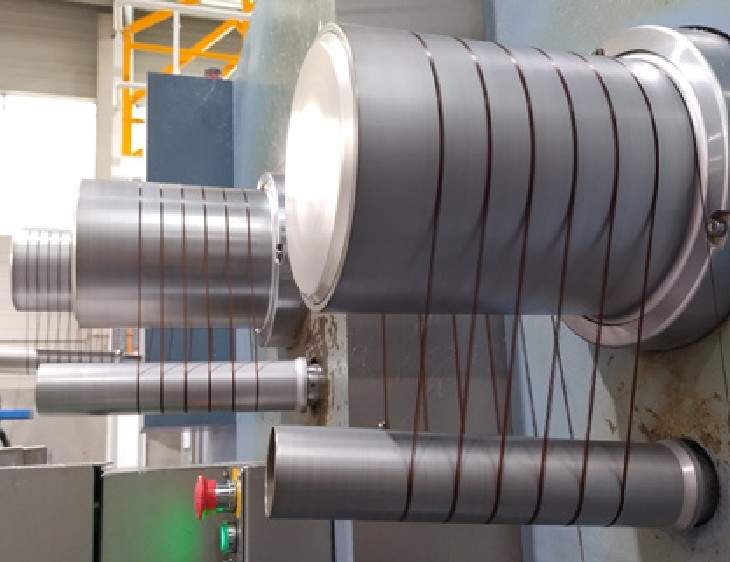
Brazilian Plastics Industry Under Dual Pressure from US 25% Tariffs and Resin Price Hikes
en.Wedoany.com Reported - Brazil's plastics processing industry is simultaneously bearing the dual pressure of export tariffs and rising raw material costs, with industry competitiveness facing the risk of erosion. The United States has imposed an additional 25% tariff on Brazilian products, compressing Brazil's export space in the world's major consumer markets. At the same time, rapidly rising plastic resin prices are driving up production costs, making corporate planning more difficult, with small and medium-sized industrial enterprises hit particularly hard.
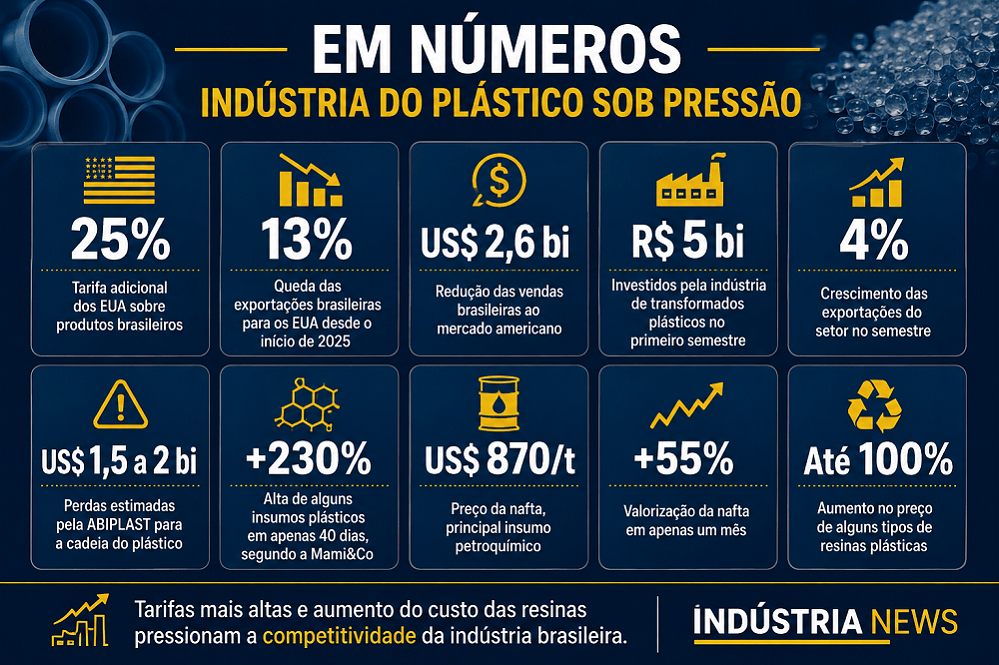
These two developments are occurring during the industry's expansion phase. In the first half of this year, the plastics processing industry invested approximately R$5 billion in modernization, sustainability, and capacity expansion. During the same period, exports grew 4%, reflecting companies' efforts to expand their international market share. The Brazilian Plastics Industry Association (Abiplast) noted that the new US tariffs could significantly weaken the competitiveness of Brazilian products. Despite a 13% decline in Brazilian sales to the US since early 2025, the US remains the top destination for Brazil's processed goods exports.
José Ricardo Roriz, Chairman of the Abiplast Board, stated that the impact extends far beyond companies that directly export plastic products. "This industry supplies virtually every production chain in the economy. When competitiveness declines, the effects ultimately ripple through sectors such as food, beverages, healthcare, construction, agribusiness, sanitation, automotive, and consumer goods." The organization estimates that if the tariffs remain in effect, losses directly or indirectly related to the plastics industry could range between US$1.5 billion and US$2 billion.
While the export side faces external barriers, the domestic market is grappling with rapidly rising resin prices. Oil price volatility and geopolitical tensions in the Middle East have driven up the cost of naphtha—the primary raw material for the petrochemical industry—with knock-on effects on resin prices used by the processing sector. At Mami&Co, a manufacturer of products for expectant mothers and infants, some plastic raw materials surged approximately 230% in just 40 days. Company partner and director Carol Zein noted that the industry has limited adaptability, particularly in sectors subject to strict technical standards. "In the infant products industry, simply switching raw materials or changing suppliers is not enough—products must meet rigorous safety and certification standards." Products that rely primarily on plastic resins are more severely affected, while those combining multiple materials can partially absorb price fluctuations.
The impact of resin price hikes is not confined to manufacturers of packaging or plastic goods. This material covers virtually all industrial activity, from automotive components and medical devices to food packaging, hygiene products, construction, and agribusiness. According to data from the Brazilian Association of Distributors of Plastic Resins and Related Products (Adirplast), the appreciation of oil has pushed naphtha prices above US$870 per ton, with an increase of nearly 55% in just one month. Abiplast assesses that some resin categories have seen increases of up to 100% on the international market. Even if geopolitical conditions stabilize, the industry expects supply recovery to be gradual, with cost pressures persisting in the coming months.
Abiplast assesses that small and medium-sized enterprises are more vulnerable to this combination of factors. Beyond the difficulty of rapidly redirecting exports to new markets, these companies are also at a disadvantage in absorbing sudden production cost spikes and negotiating supply contracts on more favorable terms. Replacing the US market is no easy task—aside from facing international competition, particularly from China, other countries affected by trade restrictions are also seeking new buyers, making competition for existing markets even more intense.
Related Products

Nitrogen Export, Nitrogen Manufacturer, High-purity Nitrogen Supplier
Foshan Yuexin Industrial Gas Co., Ltd.
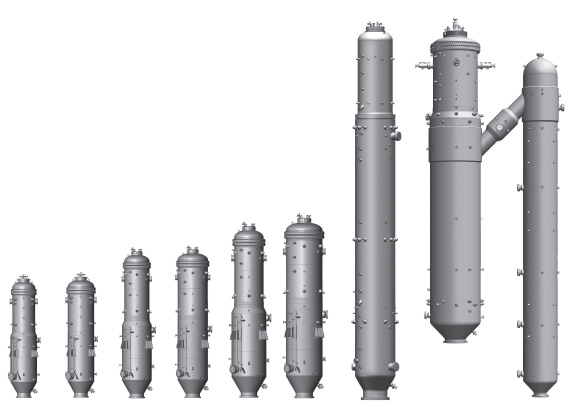
Gasification Furnace Series: Freely Combinable Aerospace Furnace
CHANGZHENG ENGLINEERING CO., LTD.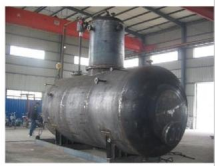

Industrial and Commercial Point-Type Gas Detector
Jinan Benan Technology Development Co., Ltd.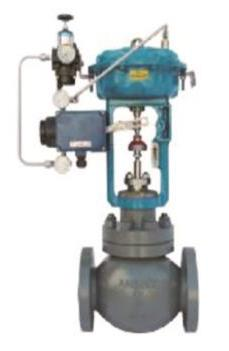
Quick-Change Single-Seat Control Valve / Quick-Change High-Pressure Single-Seat Control Valve
Beijing Consen Automation Technology Co., Ltd.


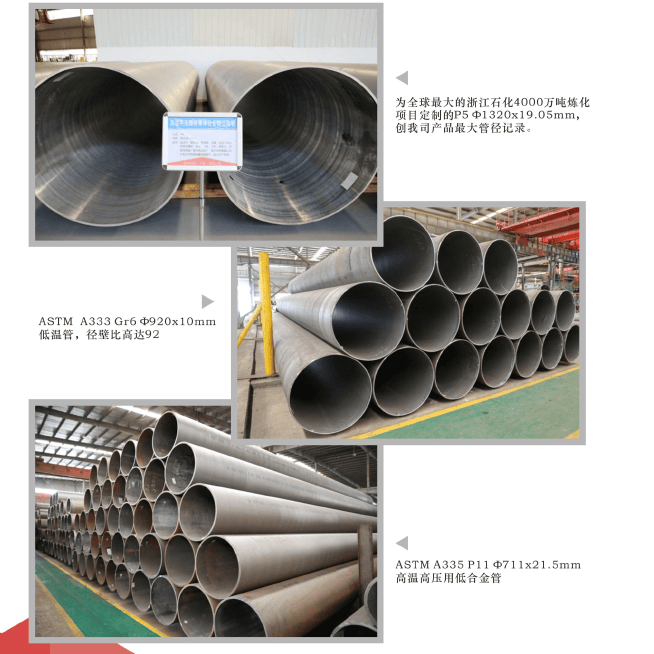
Steel Pipes for Refining and Coal Chemical Industries
YANGZHOU LONTRIN ENERGY EQUIPMENT CO.,LTD.
CAP1400 main feedwater flow nozzle flowmeter.
Jiangsu Hongda Instrument Technology Co., LTD.