US Sophia Space and Caltech Secure Patent for Passively Cooled Orbital Data Center
en.Wedoany.com Reported - US-based Sophia Space, in collaboration with the California Institute of Technology (Caltech), has jointly obtained a patent for a novel orbital data center architecture. Named TILE (Thermal Integrated LEO Edge), the architecture features a modular design that eliminates the need for pumps, liquid loops, and other active cooling system components during heat rejection.
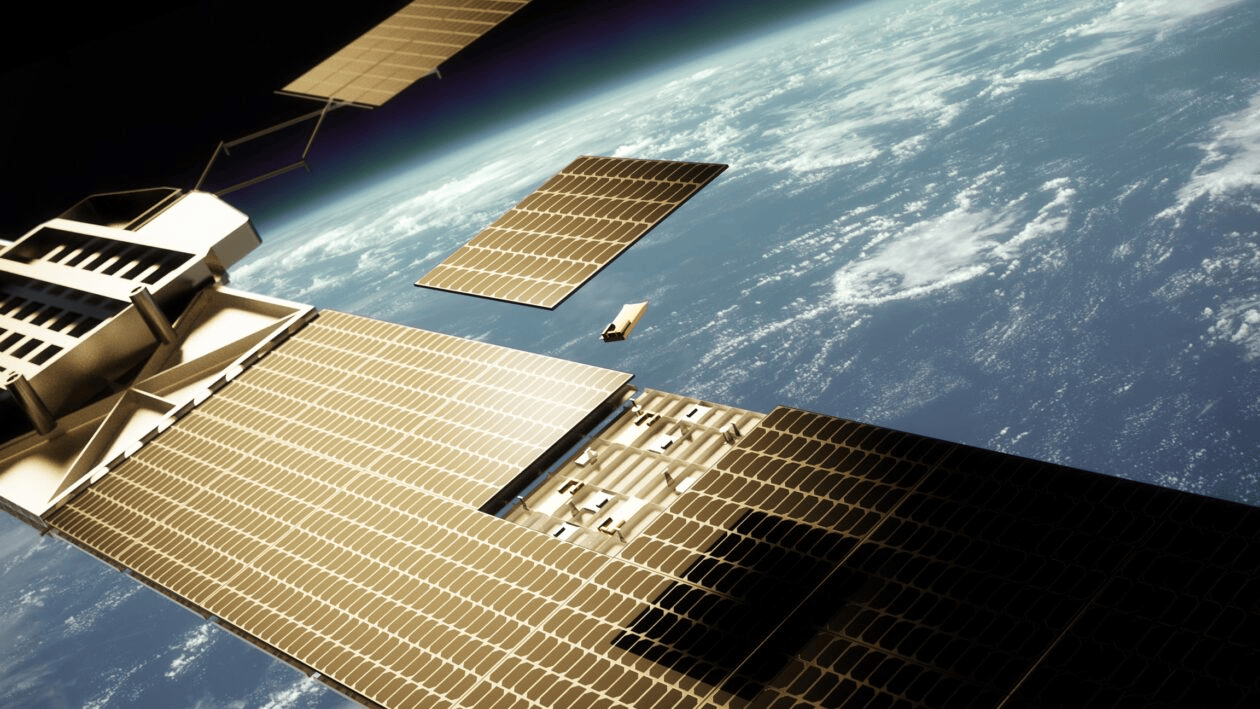
The TILE system is designed around building a computing network composed of multiple flat modules, rather than launching a single large satellite. Each module is an independent computing unit equipped with processors, memory, solar panels, and its own heat rejection system. The front side of the module continuously harvests energy from the sun, while the back side acts as a large radiator, emitting heat into space, thereby enabling self-cooling without relying on a shared heat rejection system.
The project team believes that the rapid advancement of artificial intelligence is placing strain on terrestrial infrastructure in terms of electricity, land, and water resources, and that orbital data centers could alleviate this situation to some extent. The concept involves performing a portion of computing directly in orbit, transmitting only the processed results back to Earth, rather than transferring vast amounts of raw data.
The developers note that cooling remains the primary obstacle to deploying powerful computing clusters in orbit. Ground-based servers typically use air or water cooling, but in space, where there is no atmosphere, heat dissipation relies solely on thermal radiation. TILE modules are interconnected only via fiber-optic links, with no centralized cooling system; each module independently manages its power supply, thermal regulation, and data processing. Expanding computing capacity simply involves adding new modules to the overall structure.
The first orbital test is scheduled for 2027 on the Apex Nova satellite platform, with the demonstrator featuring a single TILE module equipped with four graphics processors. If the test succeeds, the next phase will deploy a constellation of four to six satellites, expected to launch between 2029 and 2030; a large-scale commercial system is planned for the early part of the next decade.
Related Products


Wheel and Track Technology Business
Beijing Research & Design Institute of Rubber Industry Co., Ltd.
Pantograph-Catenary Comprehensive Detection Device (1C)
CHENGDU TANGYUAN ELECTRIC CO., LTD.


ERW Welded Pipe (Black Pipe and Hot-dip Galvanized Steel Pipe)
Handan Zhengda Steel Pipe Co., Ltd.
Explosion-proof lithium battery dispatching monorail crane locomotive (permanent magnet frequency conversion integrated machine)
Xiangtan Hengxin Industrial Co., Ltd.
One-Stop Steward Service for the Entire Logistics System Integration Chain
Zhongding Intelligent (Wuxi) Technology Co., Ltd.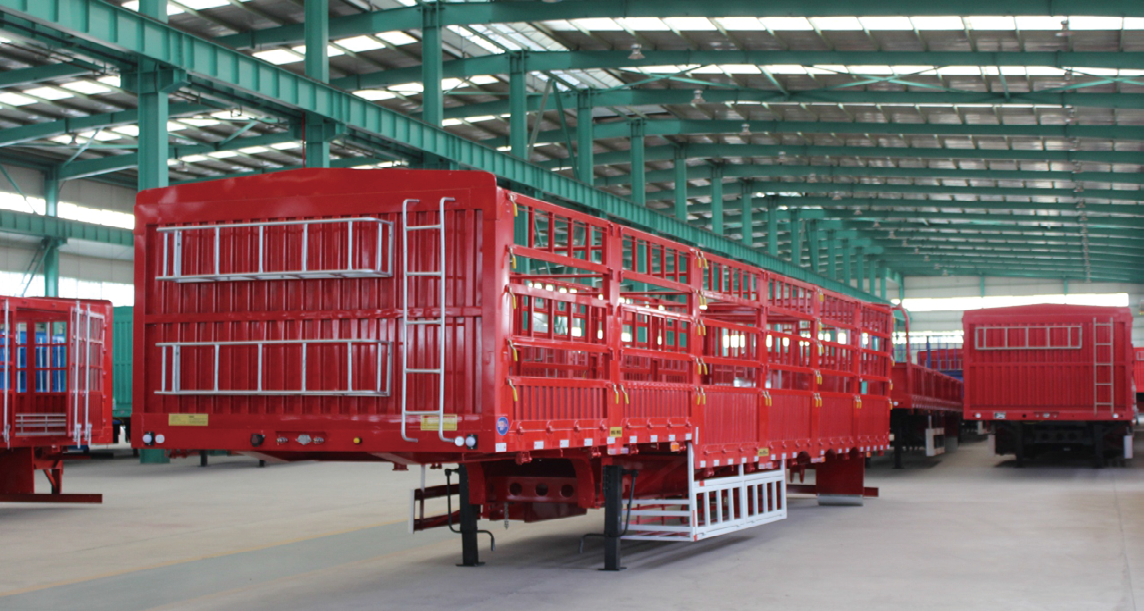
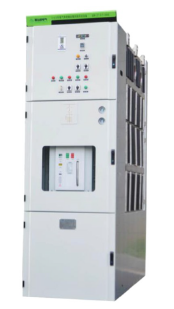
GSR6-27.5kV SF6 Free Gas-insulated Metal-enclosed Switchgear
Zhejiang Juhonkia Intelligent Electric Co., Ltd.