AuKing Acquires Machinga Heavy Rare Earth Project in Malawi
en.Wedoany.com Reported - AuKing Mining (ASX:AKN) has agreed to acquire the Machinga Heavy Rare Earth Project in southern Malawi, covering an area of 200 square kilometers, located north of Zomba City with convenient transportation access. The company plans to commence exploration immediately upon completion of the transaction.
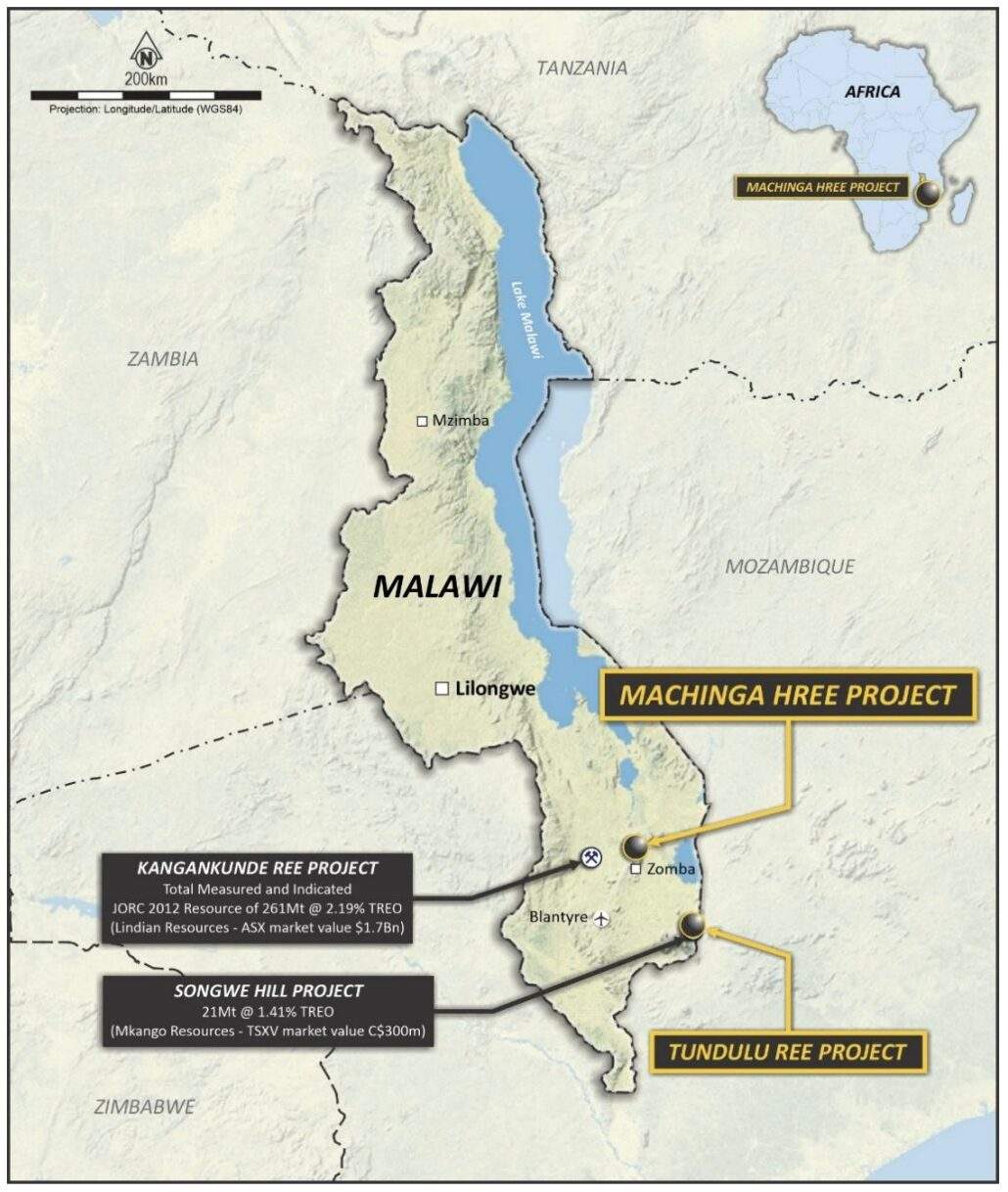
The deal comes at a time when demand for reliable supplies of strategic heavy rare earths such as dysprosium and terbium is rising in the United States and global markets. AuKing Managing Director Paul Williams stated that the proposed acquisition of the Machinga Heavy Rare Earth Project represents another significant step in the company's strategy to build a high-quality critical minerals portfolio in Malawi; historical exploration work and recent exploration by DY6 Metals/Tusker Minerals (ASX:TSK) have confirmed that Machinga holds promise as a heavy rare earth and niobium project. He believes that near-surface HREO grades of approximately 30% from 2023 drilling, combined with similar peralkaline geological characteristics, give Machinga the potential to rival the major North American rare earth deposits at Strange Lake and Bokan Mountain.
Mineralization at Machinga has been defined over a strike length of 2 kilometers, including niobium, tantalum, zirconium, uranium, and rare earth element anomalies. The project's exploration history dates back to the 1950s, involving the British Geological Survey and other government agencies. Malawi, which gained independence in 1964 and became a democracy in 1994, hosts critical minerals and industrial commodities including rare earths, natural rutile, and coarse flake graphite, with exploration activity having gradually increased since then.
In 2009, Resource Star conducted a targeted soil sampling program over the main Machinga anomaly, collecting a total of 149 samples. Globe Metals & Mining (ASX:GBE) subsequently completed a trenching program totaling 1,635 meters, yielding 281 samples, and completed two reverse circulation (RC) drilling programs between 2010 and 2012, comprising 36 RC holes for a total of 4,045 meters.
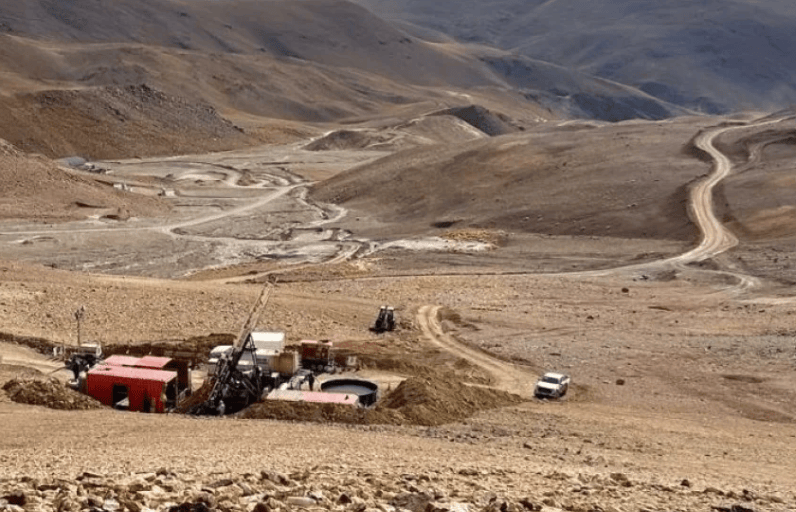
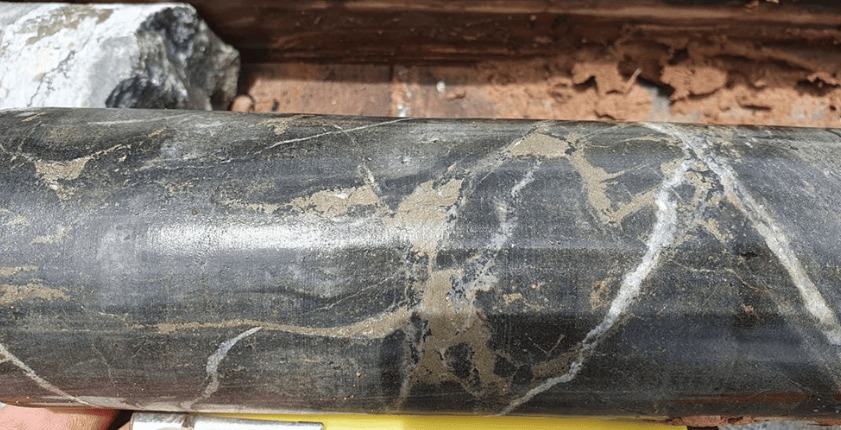
DY6/Tusker conducted a combined RC and diamond drilling program in late 2023, with the primary objective of testing the known historical drill strike in the northern anomaly zone at Machinga. The program comprised 35 RC holes (numbered MR001-035) totaling 3,543 meters, and 8 diamond drill holes (numbered MDD001-008) totaling 900 meters, along with multiple rock chip and soil sampling programs.
Exploration results show that Machinga averages 28-30% heavy rare earth oxide (HREO) content, a level that AKN states is comparable to or higher than many ion-adsorption clay deposits; hard rock grades are approximately 0.6-1.4% total rare earth oxide (TREO), more than 10 times higher than the 0.05-0.08% TREO grades commonly found in ion-adsorption clay deposits. The diamond drilling program included 5 holes to a depth of 150 meters and 3 holes to a depth of 50 meters. For example, mineralogical analysis of a 15.1-meter intersection in hole MDD007 showed a high HREO proportion, with HREO/TREO of 27.7%, dysprosium and terbium/TREO of 3.7%, and 15.2% neodymium-praseodymium oxide.
Regarding next steps, AuKing stated that following the recent completion of an A$5 million capital raising, it has sufficient funding to advance the Machinga project while continuing to progress the Tundulu Rare Earth Project in the same region. The company expects Machinga to deliver substantial value re-rating as it advances through exploration, resource definition, and development studies. AKN currently has a market capitalization of approximately A$51 million, below the potential benchmark company Ucore Rare Metals—which holds the Bokan-Dotson Ridge heavy rare earth project in Alaska, rich in dysprosium, terbium, and yttrium, with a market capitalization of approximately A$320 million.
Related Products
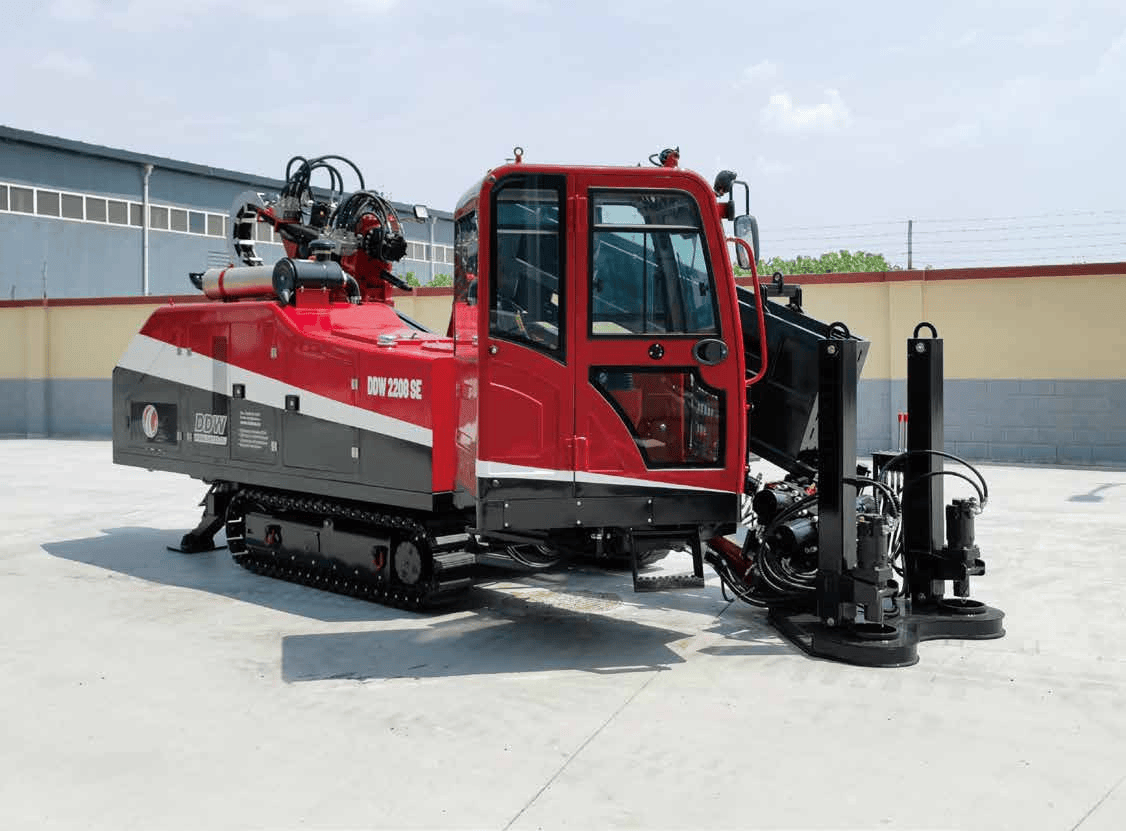

DDW22/08SE-HORIZONTAL DIRECTIONAL DRILL
DW/TXS Construction Equipment (Beijing) Co., Ltd.
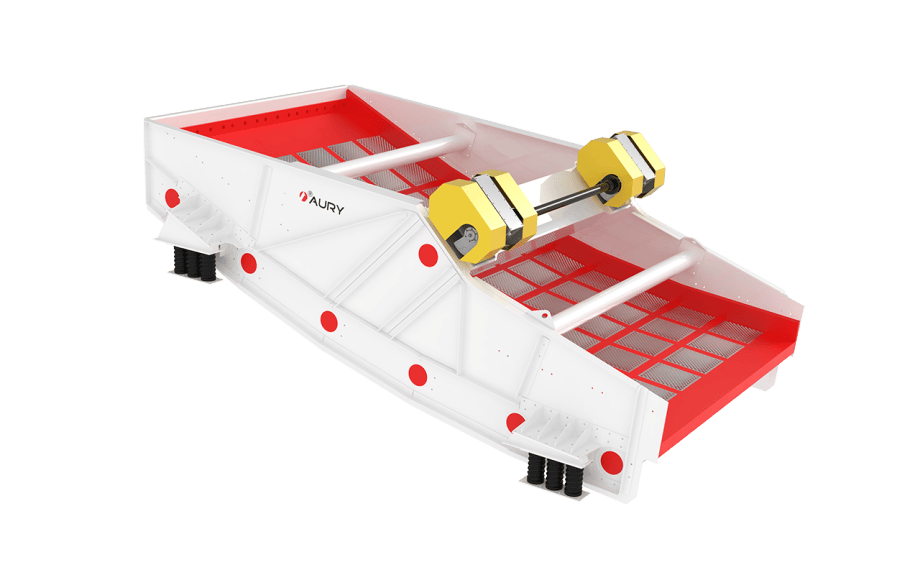
Core Technologies of the Mining Technology and Equipment Business Unit: Efficient Mining Methods and Processes
CHANGSHA INSTITUTE OF MINING RESEARCH CO., LTD.
CITIC Heavy Industries Metallurgical Equipment Steel Smelting Engineering Equipment
CITIC Heavy Industries Co., Ltd.