BASF Research: Recycling Engineering Plastics Requires a Combination of Multiple Technologies
en.Wedoany.com Reported - A research team at BASF recently published an article in the U.S. academic journal Materials Research Reviews, proposing a combined technology approach for the recycling of engineering plastics. The article argues that there is no one-size-fits-all standard process for engineering plastics recycling; instead, complementary technologies such as mechanical recycling, solvent-based recycling, depolymerization recycling, and thermochemical recycling must be combined and intelligently applied based on material properties and waste stream composition. At the same time, scalable sorting processes are a prerequisite for achieving plastic circularity.
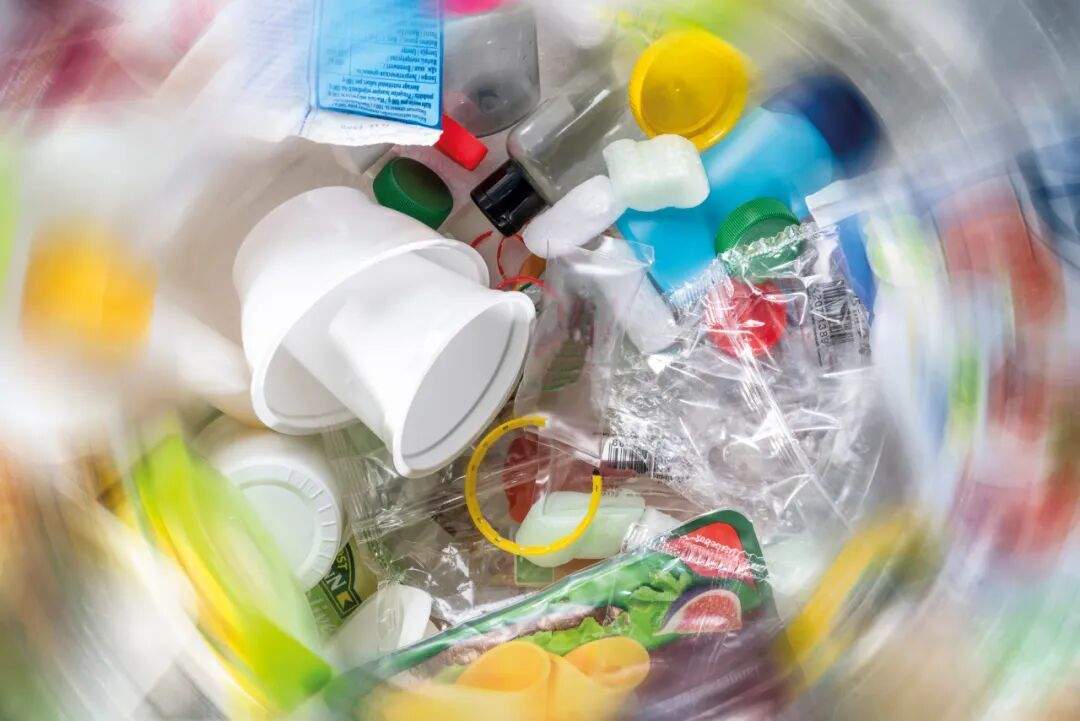
Unlike commodity plastics such as polyolefins widely used in packaging, specialty plastics—including modified polyolefins, polyurethane, and polyamide—are primarily used in high-performance applications such as automotive, where conventional plastics often fail to meet performance requirements. Recycling these materials requires customized processes tailored to their specific properties and application scenarios.
To achieve plastic circularity from complex waste streams, two prerequisites must be met simultaneously: scalable sorting processes and an appropriate combination of recycling technologies. Dr. Bernhard von Vacano, project lead for BASF's plastics circularity research and lead author of the article, stated that there is no "one-size-fits-all" standard technology for engineering plastics recycling. The key lies in combining and intelligently applying multiple complementary technologies based on the characteristics of different waste streams, in order to produce high-quality, recyclable materials and achieve closed-loop utilization of engineering plastics.
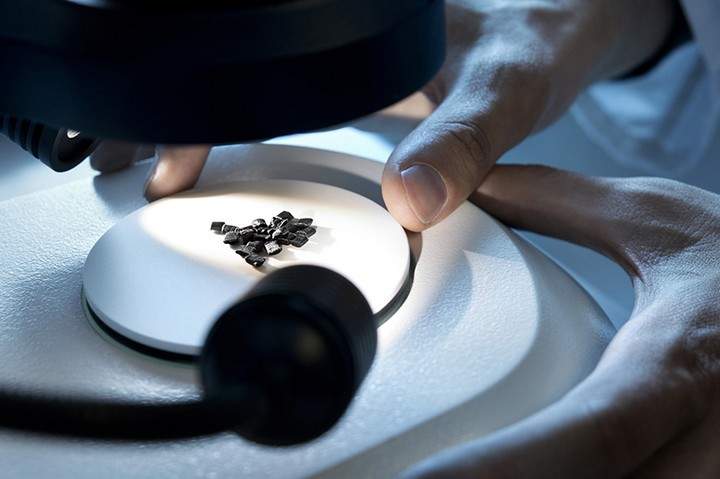
Mechanical recycling is currently the most common recycling technology, involving sorting, shredding, and melting plastic waste before reprocessing it. This process has relatively low energy consumption but requires clean, compositionally uniform waste streams, making it particularly suitable for packaging waste, which is abundant, has high polymer purity, and contains limited additives. Due to quality and hygiene standards, mechanically recycled materials are often restricted in their use in new packaging products. For application areas with higher technical barriers, the sources of recyclable plastic waste are limited, and products typically contain complex polymer components, making it difficult for mechanical recycling to meet performance requirements.
Solvent-based recycling is suitable for plastic waste with more complex compositions, using solvents to selectively dissolve specific plastics, followed by separation and purification to achieve recovery. For example, this process can recover polyamide materials from end-of-life vehicles and reuse them to manufacture new automotive parts.
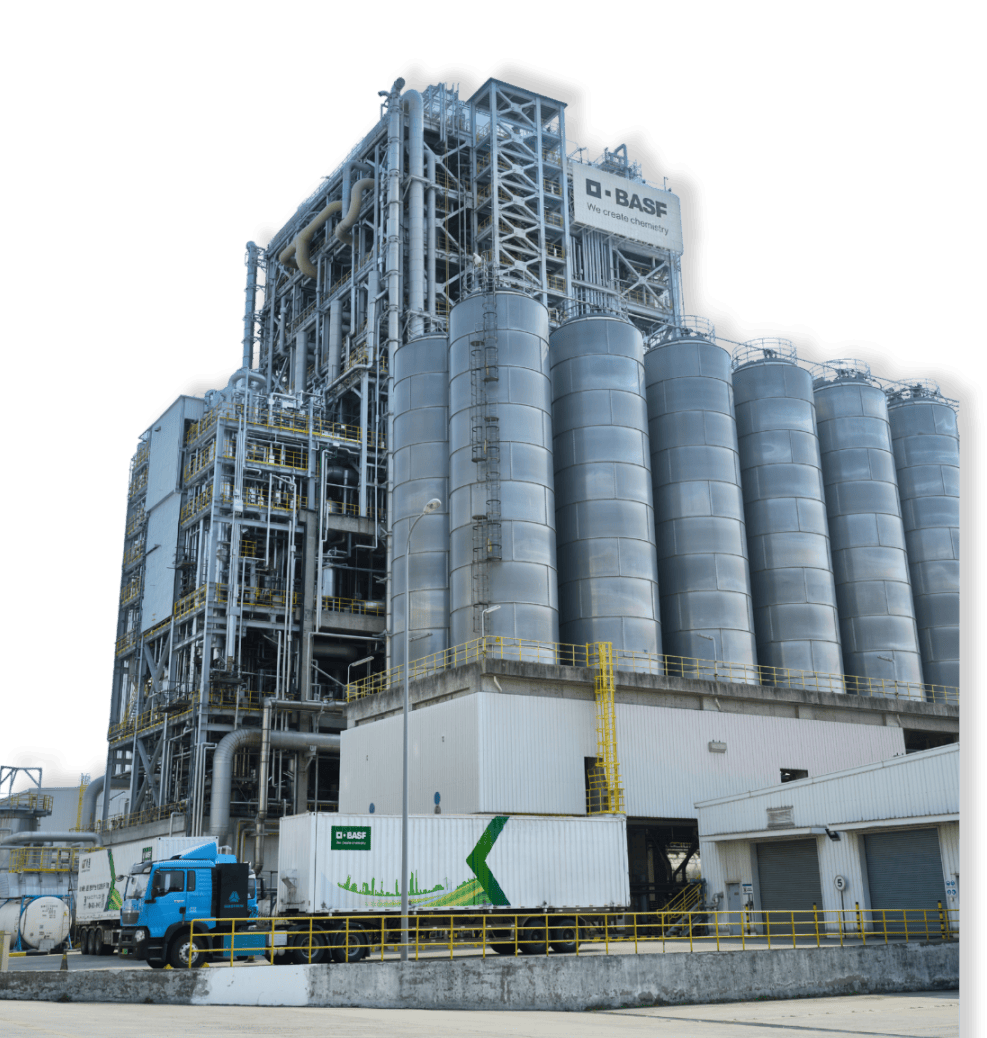
Depolymerization recycling breaks plastics down into their basic building blocks, which are then repolymerized into new polymer materials. BASF's loopamid® process enables "textile-to-textile" semi-closed-loop recycling of polyamide 6, converting waste textiles into polyamide fibers that meet the same high standards as conventional polyamide 6 (PA6). In early 2025, BASF started up its first commercial loopamid® production plant at its Caojing site in Shanghai.
For mixed plastic waste that typically ends up in incineration plants, recovery can be achieved through thermochemical processes such as pyrolysis or gasification, although these technologies are more energy-intensive. Pyrolysis breaks down long-chain polymers into short-chain hydrocarbons, producing pyrolysis oil that can be reused as feedstock; gasification produces synthesis gas, which can be used as a raw material for chemical production.
Numerous pilot projects at BASF have demonstrated that several recycling processes for polyurethane and polyamide are technically feasible, converting waste plastics into raw materials with quality comparable to virgin materials.
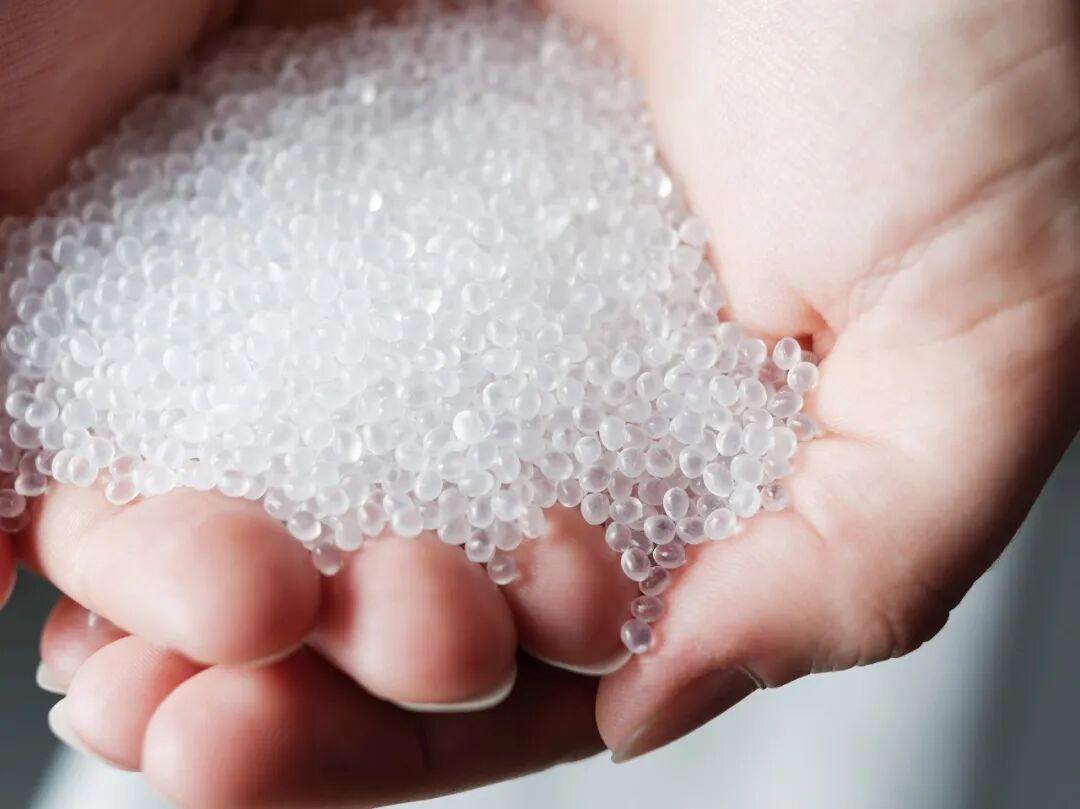
Dr. Jens Hamprecht, co-author of the article and Vice President of BASF's Specialty Materials business unit, stated that to scale up these recycling technologies and ensure the commercial viability of substantial investments, two conditions must be met: first, an effective waste management system that keeps plastics in the circular economy over the long term; and second, policymakers must establish a clear, stable, and recycling-supportive regulatory framework.
Recycling is a key pillar of the transition to a sustainable economy, enabling materials to circulate continuously, reducing dependence on fossil feedstocks, and conserving resources. A clear and predictable regulatory policy framework can help position Germany and Europe as innovation hubs, driving technological progress and sustainable growth in the chemical and manufacturing industries. BASF is conducting research across the entire value chain with the aim of systematically improving recycling processes and advancing the closure of material loops.
Related Products

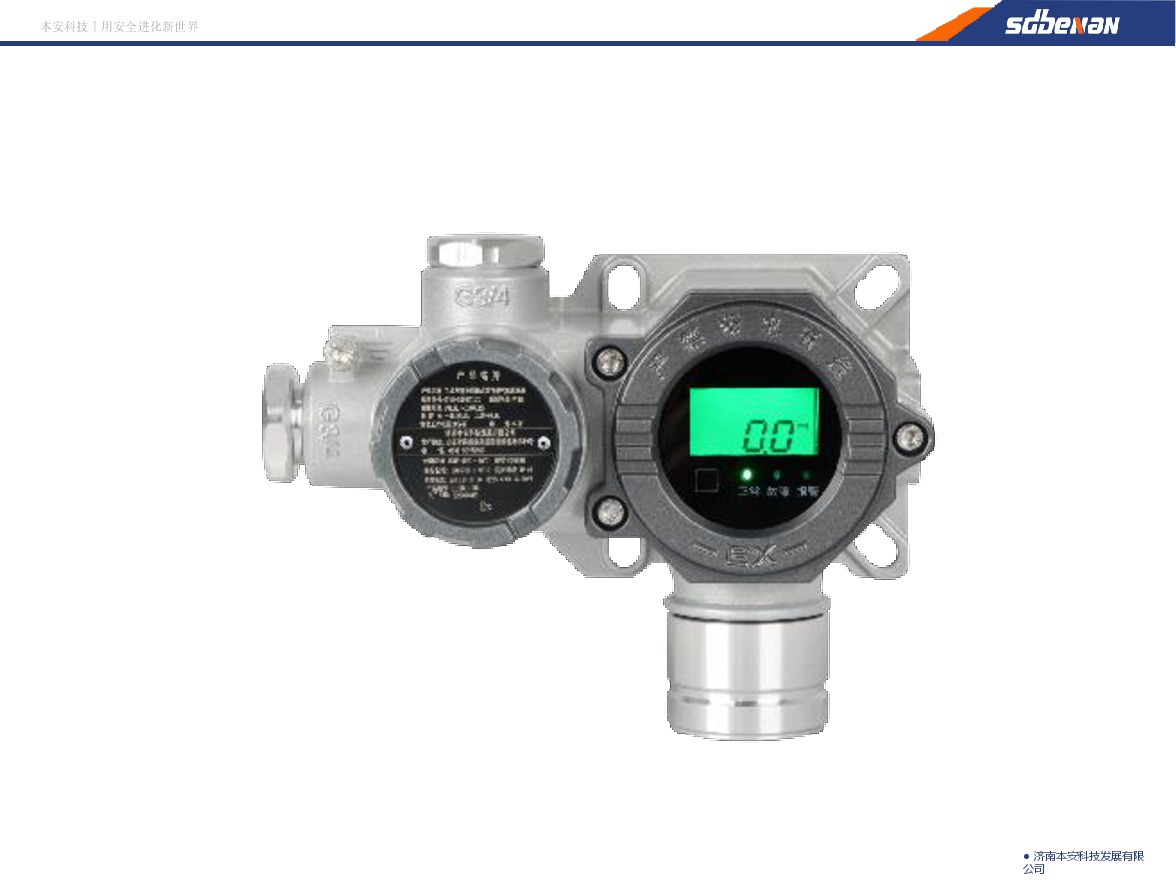
Industrial and Commercial Point-Type Gas Detector
Jinan Benan Technology Development Co., Ltd.
Bidirectional Metal Hard Sealed Seawater Butterfly Valve
Henan Quanshun Flow Control Science & Technology Co., Ltd.
Gasification Furnace Series: Freely Combinable Aerospace Furnace
CHANGZHENG ENGLINEERING CO., LTD.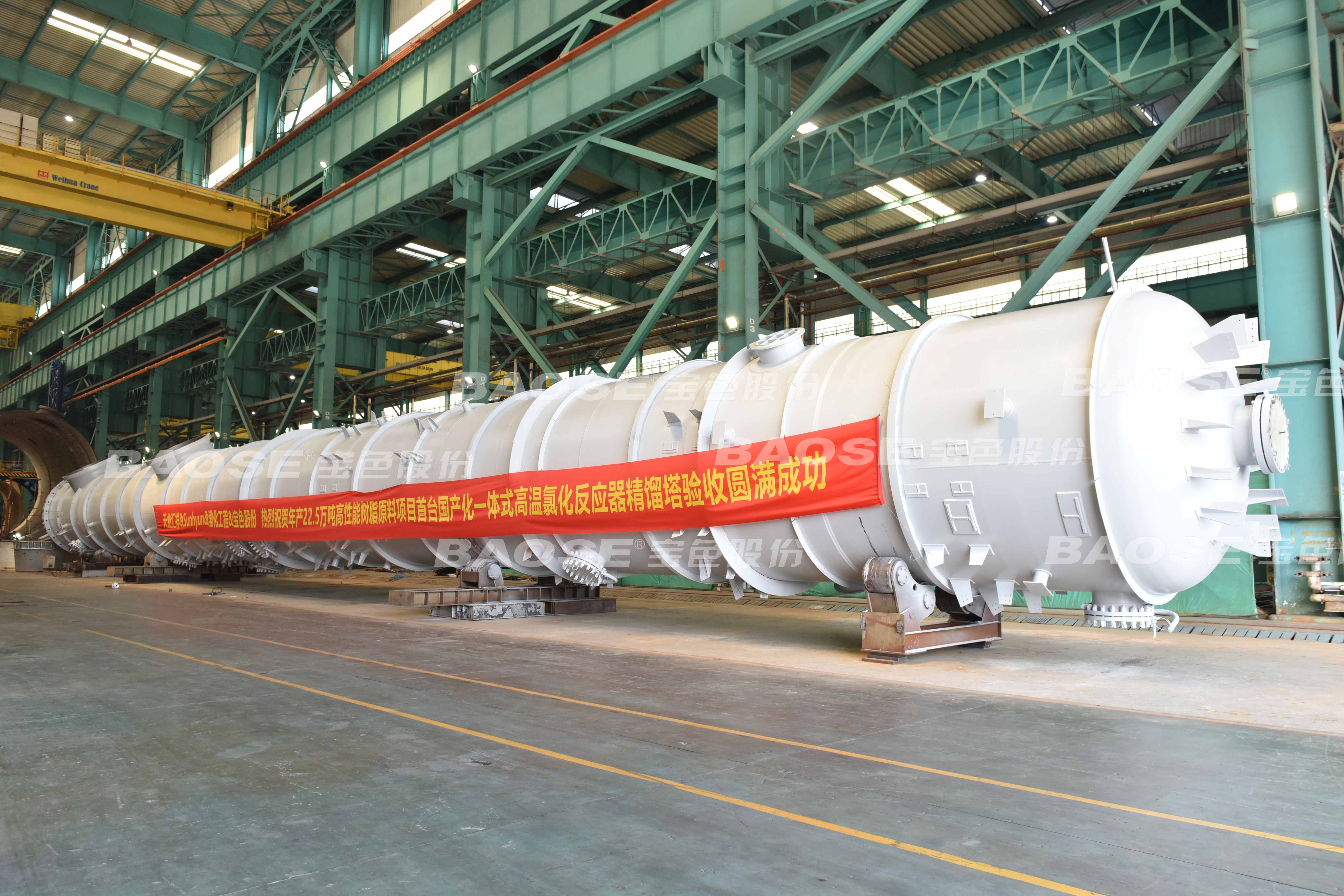
Integrated High-Temperature Chlorination Reactor Rectification Column
Nanjing Baose Co., Ltd.
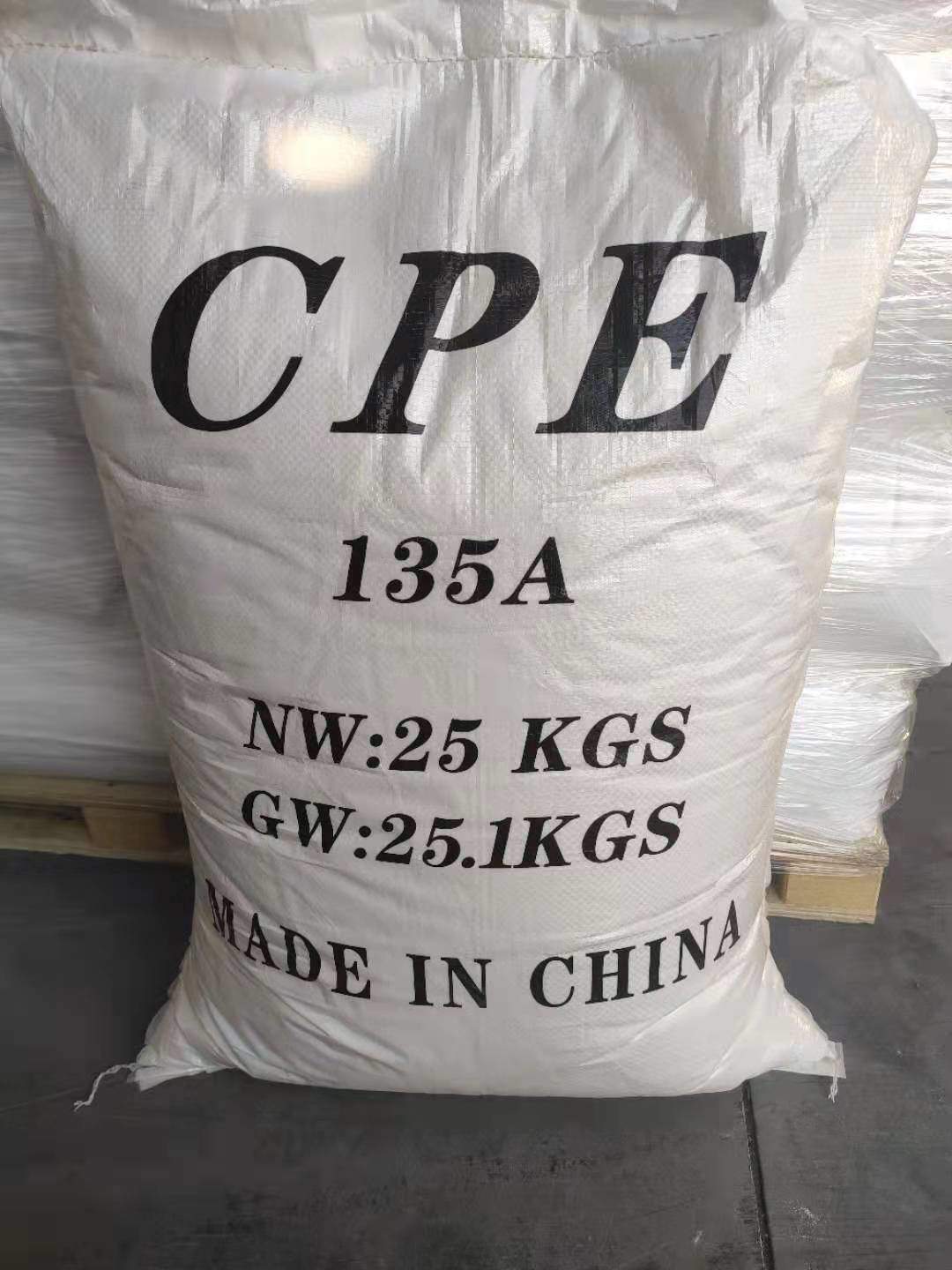
PVC Impact-Modified Chlorinated Polyethylene
Gansu Jinchuan Hengxin Polymer Technology Co., Ltd.