University of Texas Validates Ruthenium-Catalyzed Recycling Technology for Thermoset Composites
en.Wedoany.com Reported - The University of Texas at Austin has released new research findings on the chemical recycling of thermoset composites. The university, in collaboration with Sandia National Laboratories, developed a ruthenium-catalyzed depolymerization process that successfully decomposes polydicyclopentadiene (pDCPD) thermoset plastics and recovers intact fibers from carbon fiber and glass fiber reinforced composites. The research, published in Science Advances, validates the chemical recycling of crosslinked thermoset materials that are difficult to remelt and reprocess using conventional methods.
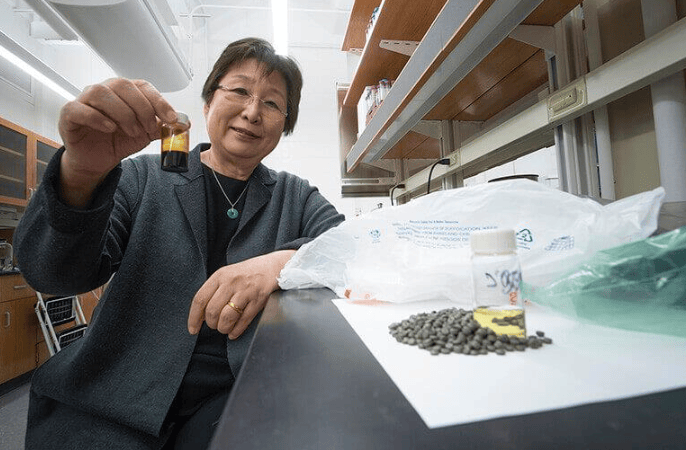
The research team used a ruthenium-based catalyst with cyclopentyl methyl ether (CPME) solvent to break down the pDCPD polymer network through olefin metathesis. Under optimized experimental conditions—a catalyst loading of 0.67 mol%, a reaction temperature of 60 degrees Celsius, and a processing time of 72 hours—near-complete depolymerization was achieved, recovering more than 80% by mass of soluble polymer fragments.
Reuse experiments with the recovered material showed that adding up to 20% by mass of recovered polymer fragments to fresh dicyclopentadiene resin produced recycled materials with thermomechanical properties comparable to virgin pDCPD. The research team also validated the process on laboratory-prepared and commercial carbon fiber and glass fiber reinforced composites, with the recovered fibers maintaining mechanical integrity.
The experimental validation of this method requires no inert atmosphere and can use cyclopentyl methyl ether, which has a lower environmental burden than conventional aromatic hydrocarbon solvents. Life cycle assessment and techno-economic analysis in the study indicate that the technology has the potential to reduce the environmental burden of waste disposal, but actual costs remain affected by the price of ruthenium catalysts, recovery efficiency, and the number of reuse cycles.
The research team has filed a U.S. patent application for the related technology and continues to investigate catalyst recovery, reaction-diffusion limitations in thick-walled composites, and process scale-up. The current results represent experimental validation of a chemical recycling process; a commercial recycling production line has not yet been established.
Related Products



Industrial and Commercial Point-Type Gas Detector
Jinan Benan Technology Development Co., Ltd.
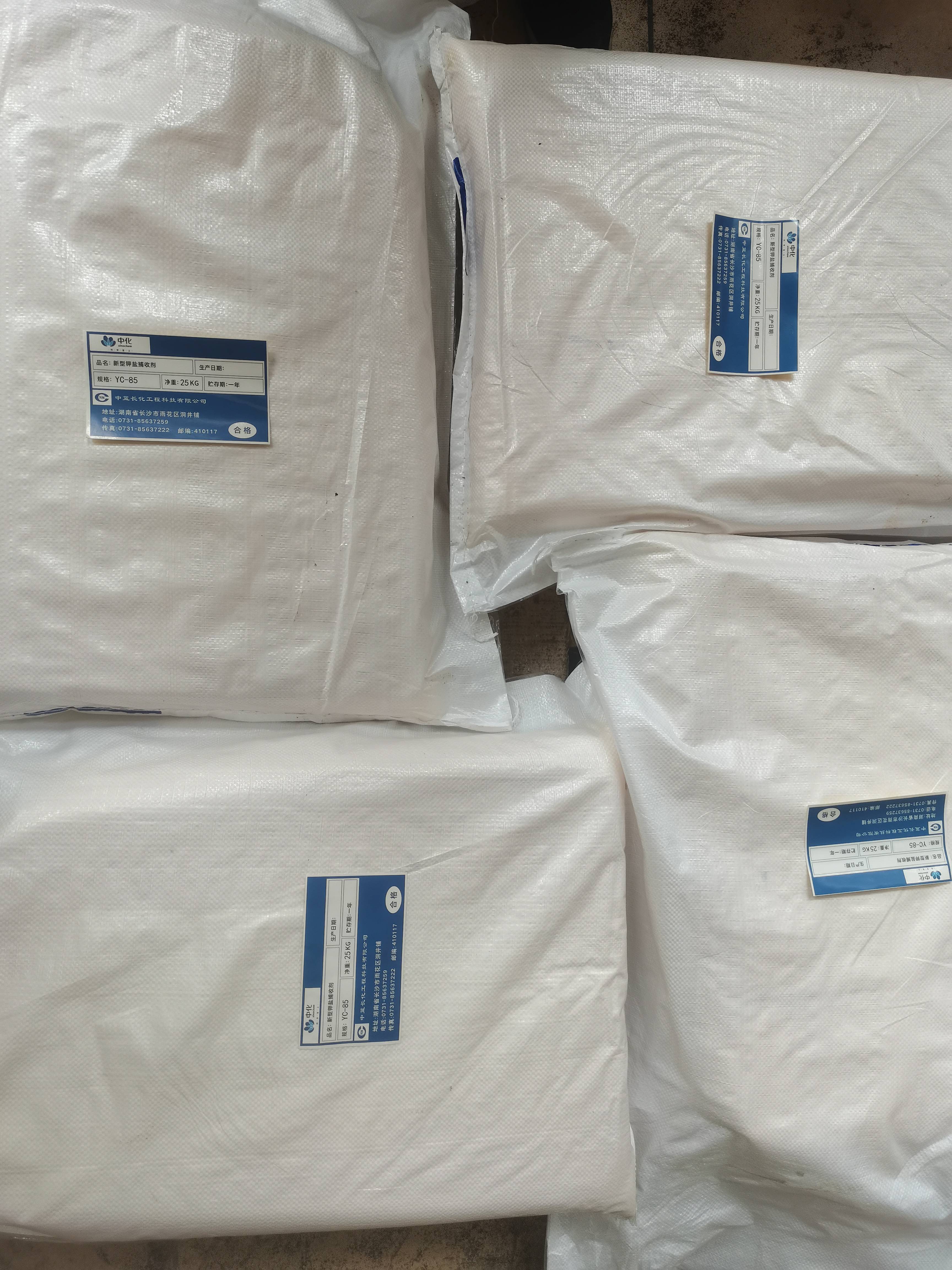
New Environmentally Friendly Green Potassium Salt Collector
Chonfar Engineering and Technology Co., Ltd.
Hongxing Steel Chemical Pressure Vessel Steel Plate
Gansu JISCO Group Hongxing Iron and Steel Co., Ltd.

Quick-Change Single-Seat Control Valve / Quick-Change High-Pressure Single-Seat Control Valve
Beijing Consen Automation Technology Co., Ltd.