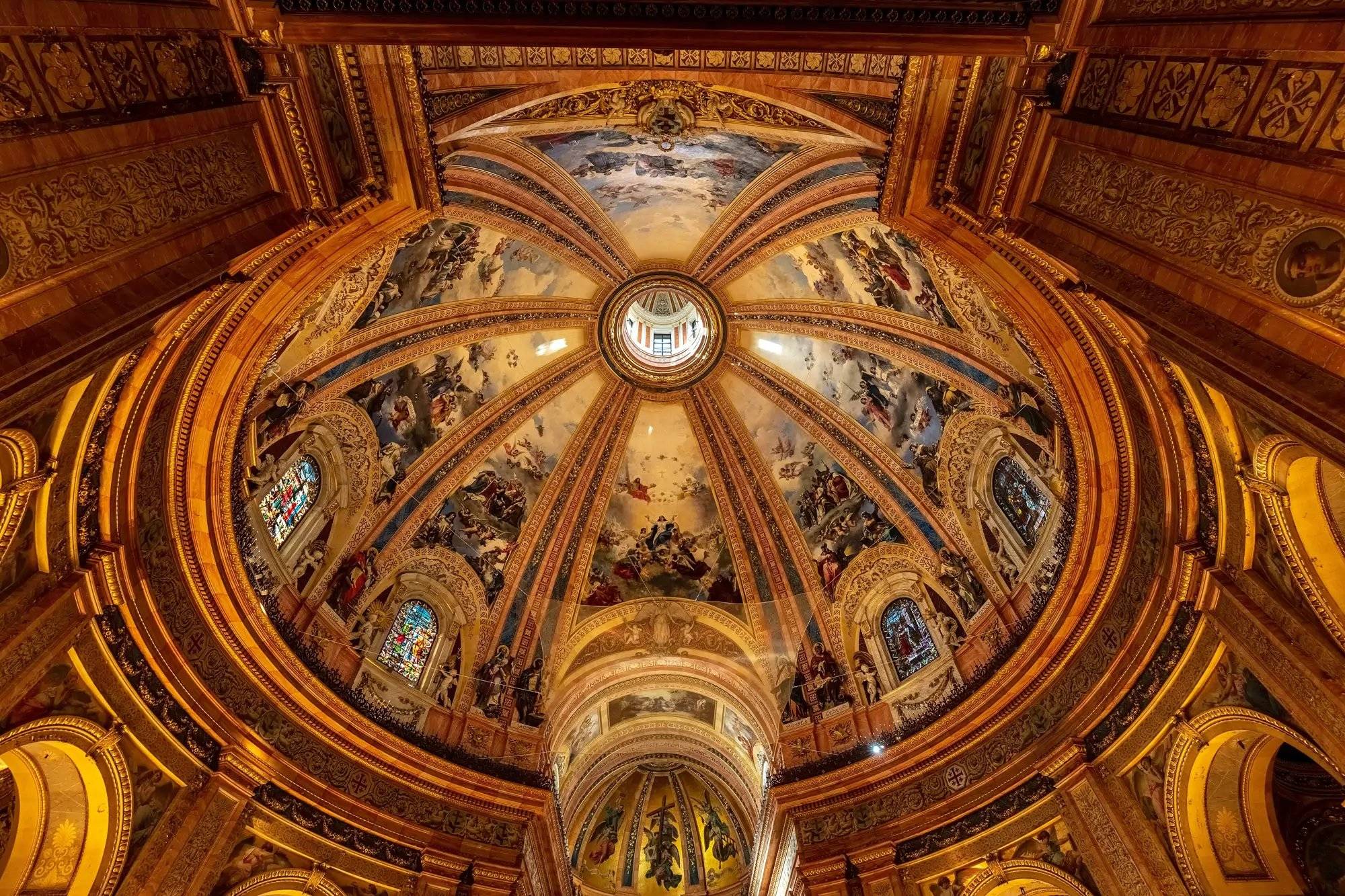
Spain's Largest Dome: The Royal Basilica of San Francisco el Grande in Madrid, Approximately 33 Meters in Diameter
en.Wedoany.com Reported - Spain is home to numerous domed buildings that hold significant positions in terms of diameter or architectural history. Among them, the Royal Basilica of San Francisco el Grande (Real Basílica de San Francisco el Grande) in Madrid is widely regarded as the site of the country's largest dome by diameter. This dome sits directly above the central space of the church, with an internal diameter of approximately 33 meters. Construction began in the 18th century, designed by architect Francisco Cabezas. The structure is primarily built using brick masonry, with greater thickness at the springing points to withstand maximum stress. The main construction challenge lay in covering such a vast circular space.
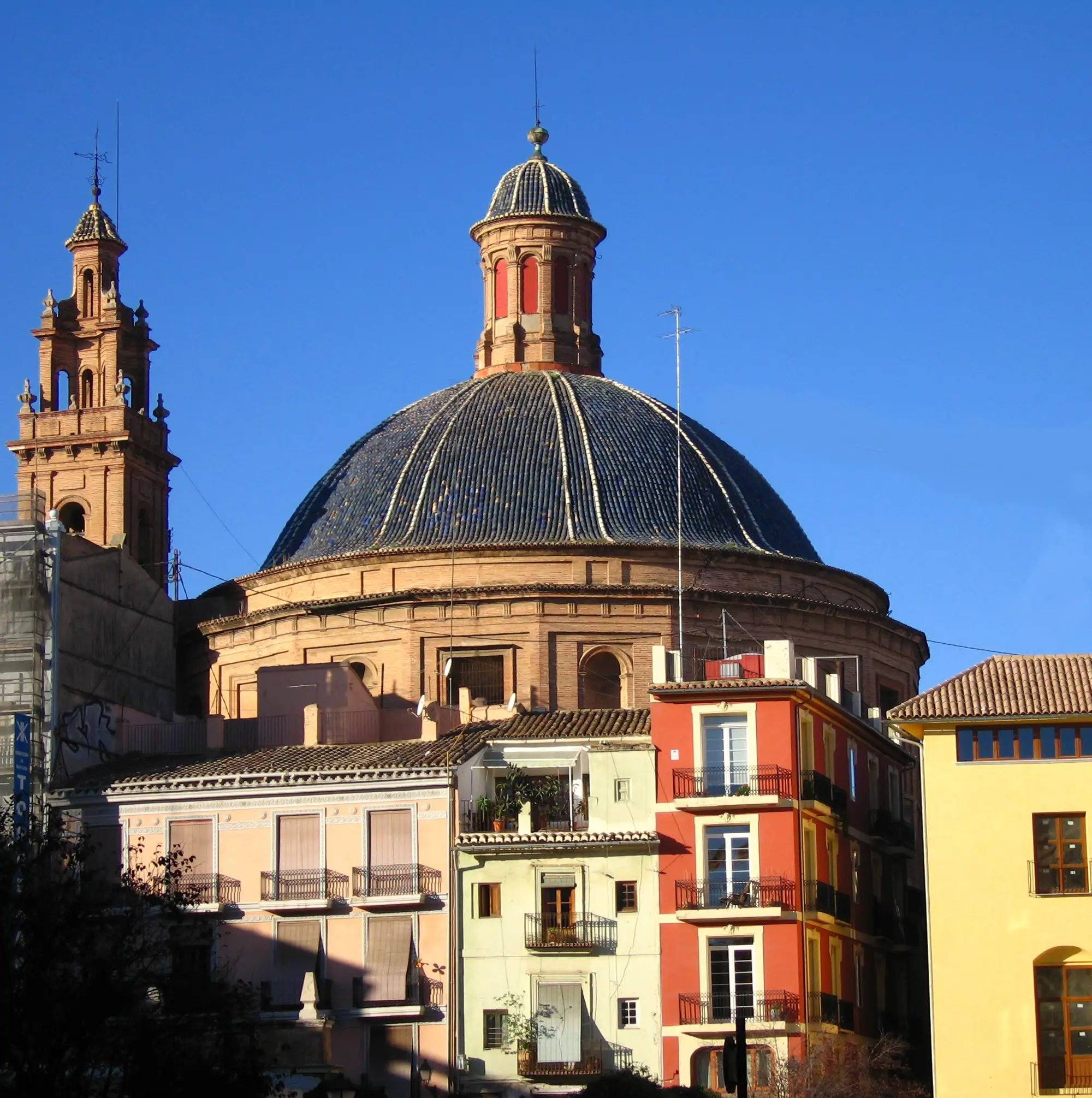
The dome of the Church of the Piarist Schools (iglesia de las Escuelas Pías) in Valencia is generally regarded as the second largest dome in Spain by internal diameter, second only to that of the Royal Basilica of San Francisco el Grande. Located in the Velluters district of Valencia, the church features a circular floor plan inspired by the Roman Pantheon. The dome has a diameter of approximately 24.5 meters, a height of about 47 meters, and covers an area of nearly 1,000 square meters. Its exterior is clad in thousands of blue glazed tiles, whose tones shift with the angle of sunlight, making the dome an iconic element of Valencia's urban landscape. Due to structural deterioration caused by decades of natural aging, restoration work could not rely on conventional scaffolding, requiring the design of a special construction system to avoid adding dangerous loads. The restoration was completed in 2025 and received the Europa Nostra Award for heritage conservation and restoration in 2026.
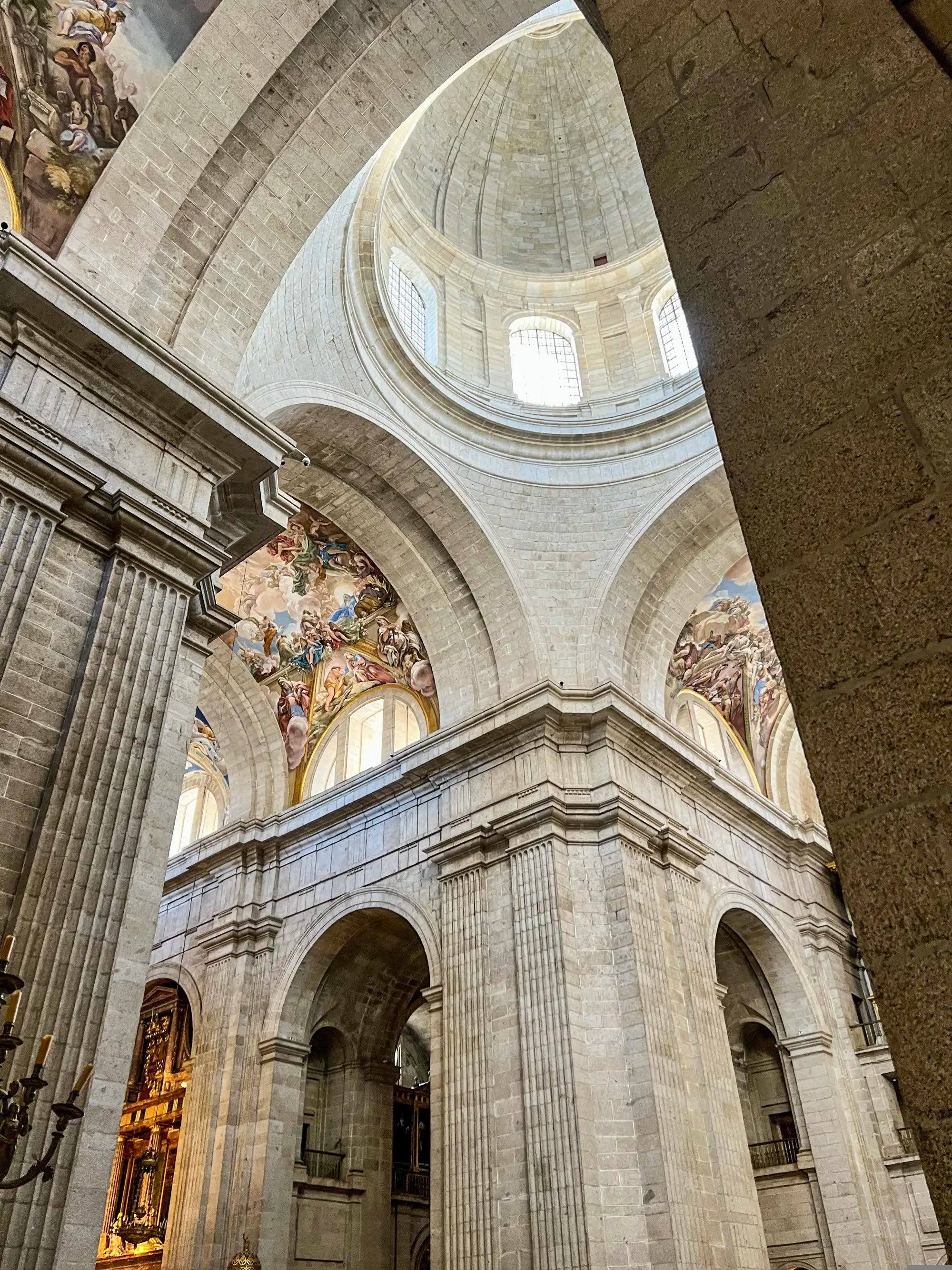
The dome of the Basilica of El Escorial sits at the center of the complex commissioned by King Philip II. It rests on a drum pierced with large windows, allowing sunlight to flood the transept, and is supported internally by four massive pillars. Its design reflects the influence of Italian Renaissance architecture, reinterpreted through the characteristic austerity and geometric rigor of architect Juan de Herrera, harmonizing with the Herrerian style of the monastery.
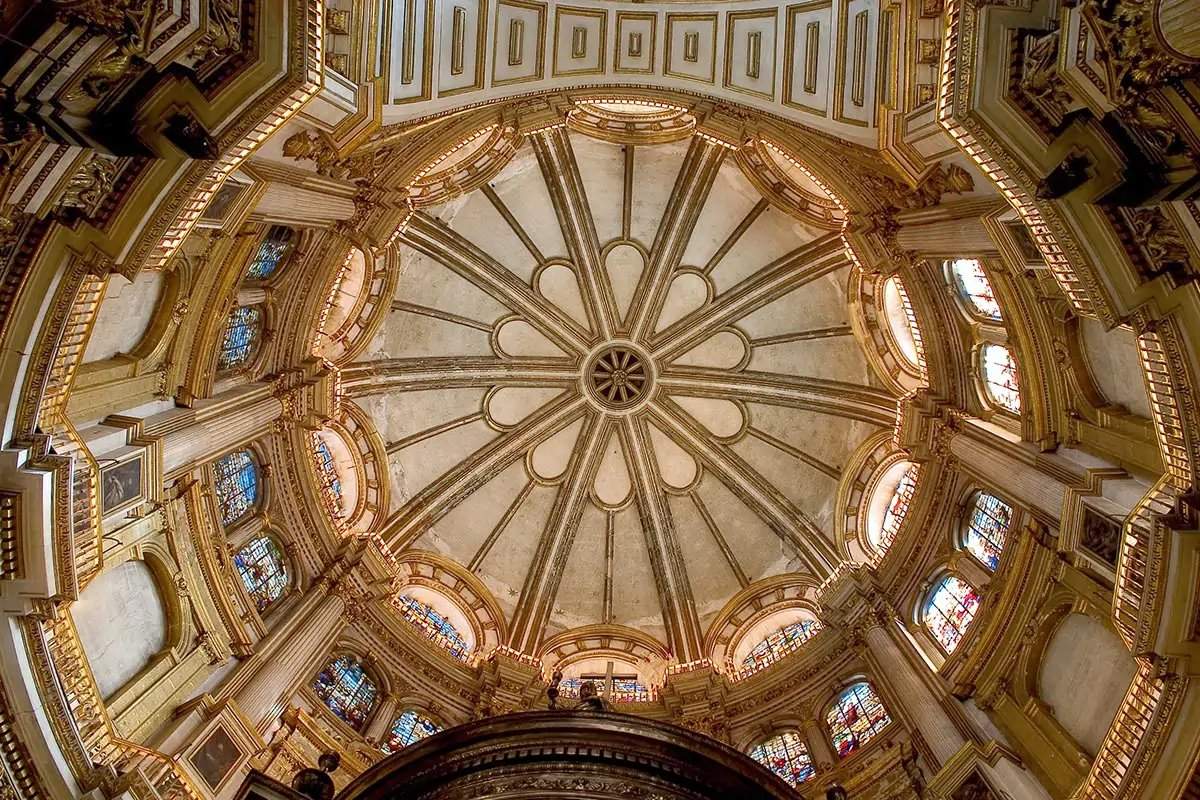
The dome of the main chapel of Granada Cathedral is a representative work of the Spanish Renaissance. The chapel features a circular floor plan, topped by a hemispherical dome built of stone and glass, the work of architect Diego de Siloé. He abandoned the traditional apse, conceiving the chapel as a centralized space that naturally draws the eye toward the altar and the dome. The circular base has a diameter of approximately 22.5 meters, above which ten large semicircular arched windows are opened, separated by ribs that visually point toward the central oculus.
The Crystal Palace (Palacio de Cristal) in Madrid's Retiro Park represents a dome typology built of iron and glass. Constructed in 1887 for the Philippine Islands Exposition, it was designed by architect Ricardo Velázquez Bosco, inspired by London's Crystal Palace. The building features a large metal structure almost entirely covered in glass, with a central dome rising about 22 meters high, which, together with the flanking roofs, creates an interior space fully bathed in natural light.
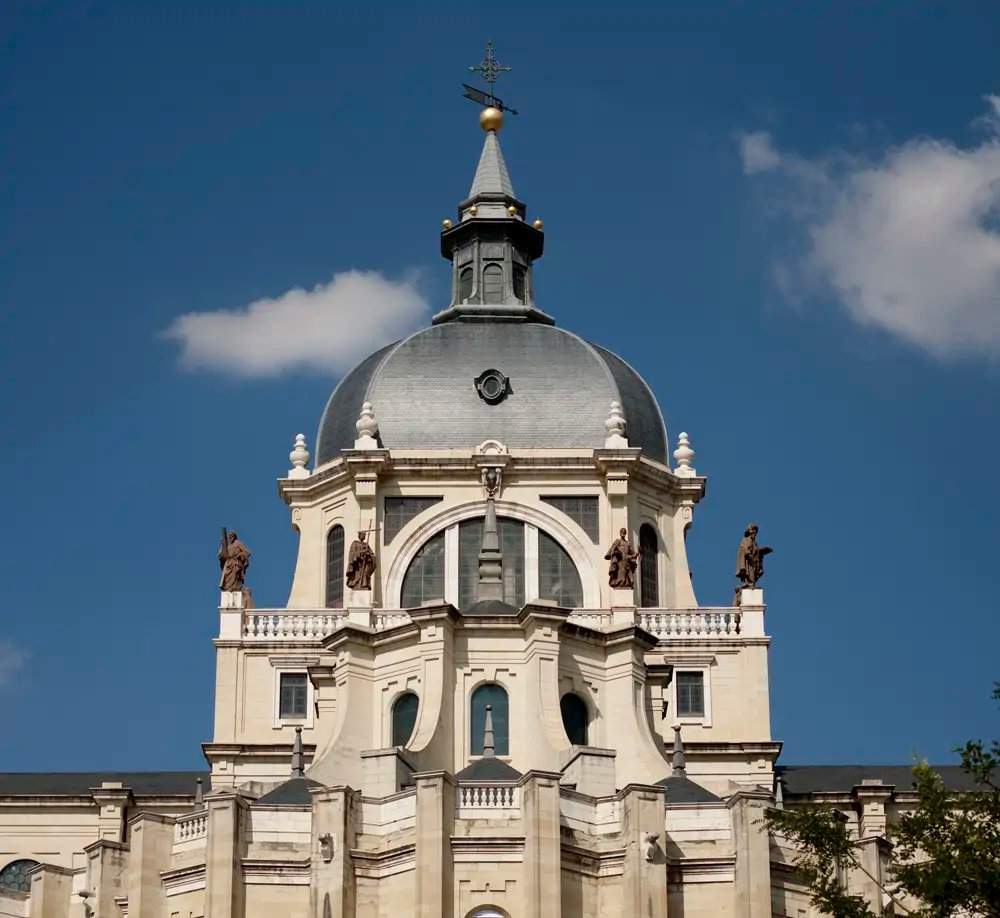
The dome of Almudena Cathedral (Catedral de la Almudena) is one of the largest domes built in Spain in recent times. The cathedral was consecrated in 1993, with construction beginning in the late 19th century and undergoing multiple design changes. The dome rises above the transept on a substantial drum, its exterior decorated with geometric patterns in gray and blue tones, distinguishing it from historical domes built of stone, lead, or monochrome ceramics. The interior is adorned with vividly colored contemporary paintings, contrasting with the neo-Gothic architecture of the nave.
The Basilica of Our Lady of the Pillar (Basílica del Pilar) in Zaragoza is characterized by its layered composition of domes rather than the diameter of any single one. A grand central dome dominates the complex, creating a staggered skyline with roofs of varying sizes. Numerous interior domes are decorated with paintings by 18th- and 19th-century artists; Francisco de Goya painted the dome fresco known as "Regina Martyrum" (Queen of Martyrs) here.
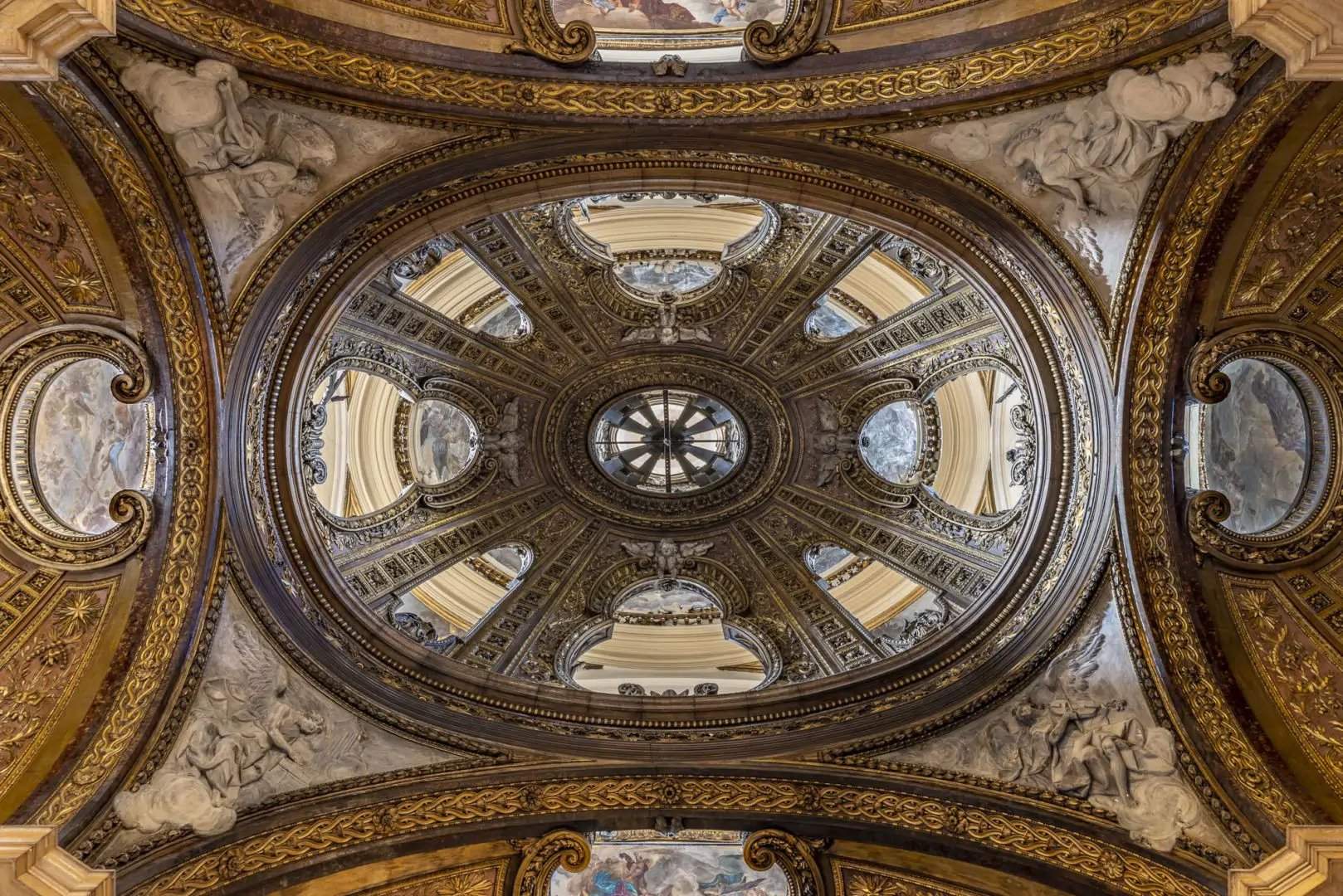
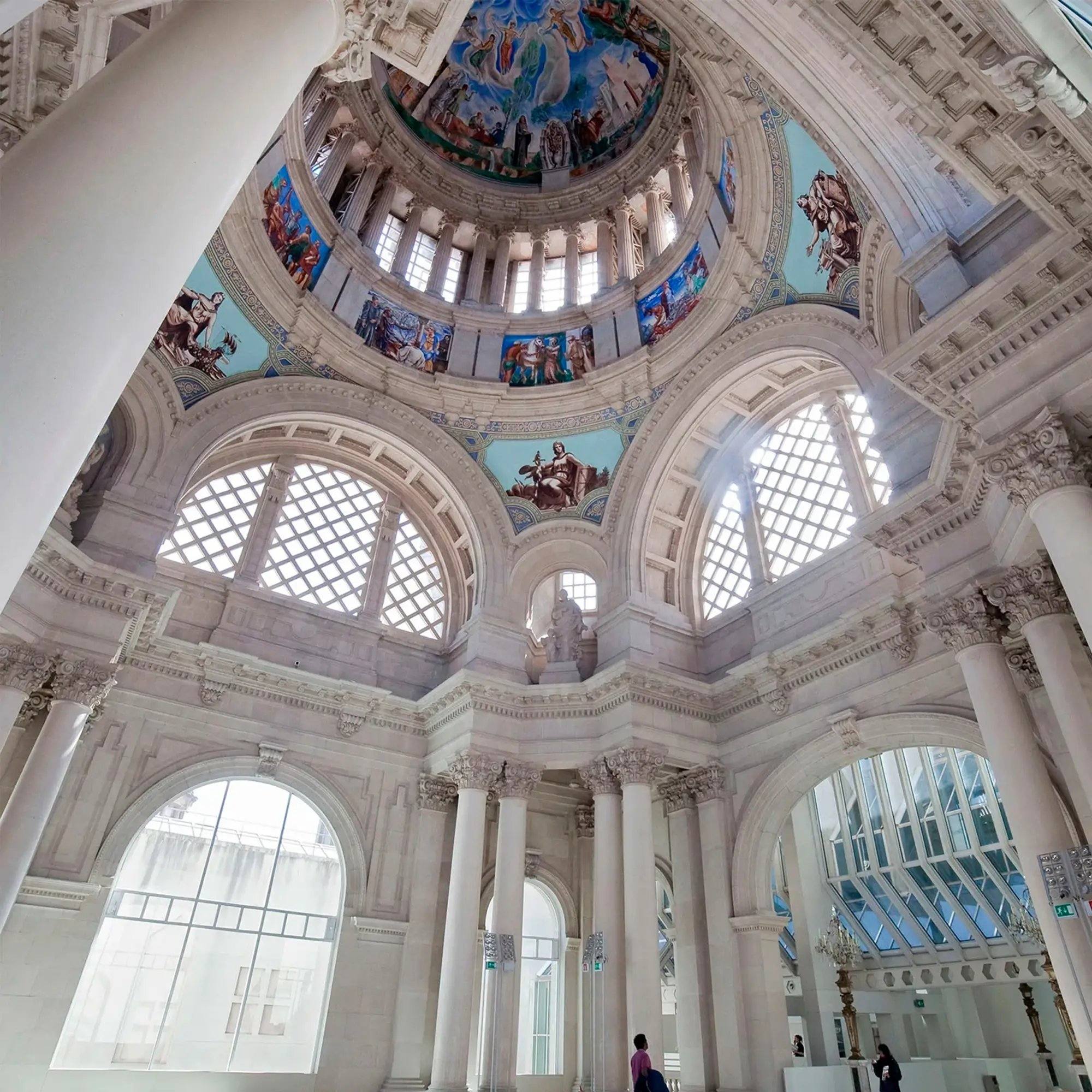
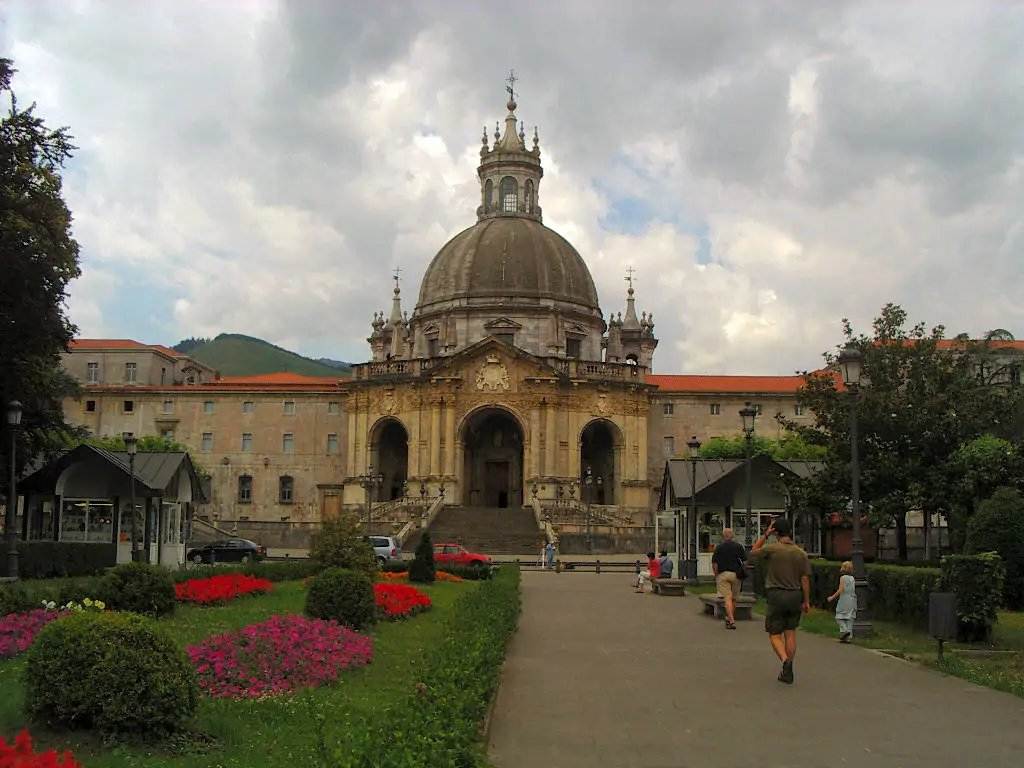
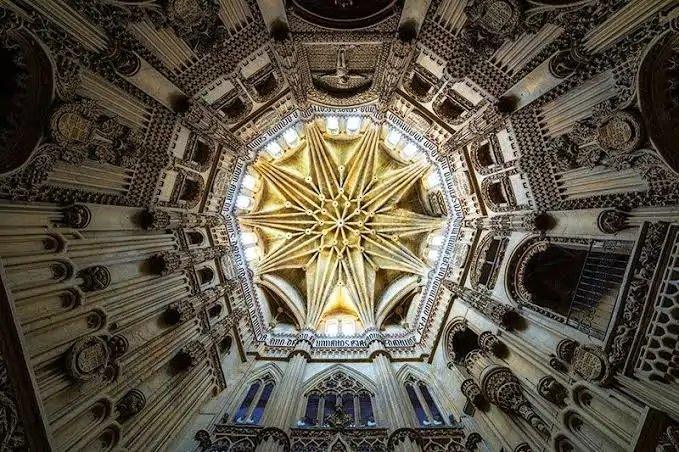
Murcia Cathedral (Catedral de Murcia) boasts one of Spain's most important Renaissance domes. Located above the cathedral's transept and designed in the 16th century, it is one of the architectural elements in the southeast of the Iberian Peninsula that reflects the transition from the Renaissance to the Baroque. The dome rises from a drum pierced with wide windows, towering over Murcia's urban skyline and echoing the city's famous bell tower. Its architectural quality and influence on later religious buildings make it a significant work within Spain's monumental heritage.
Related Products


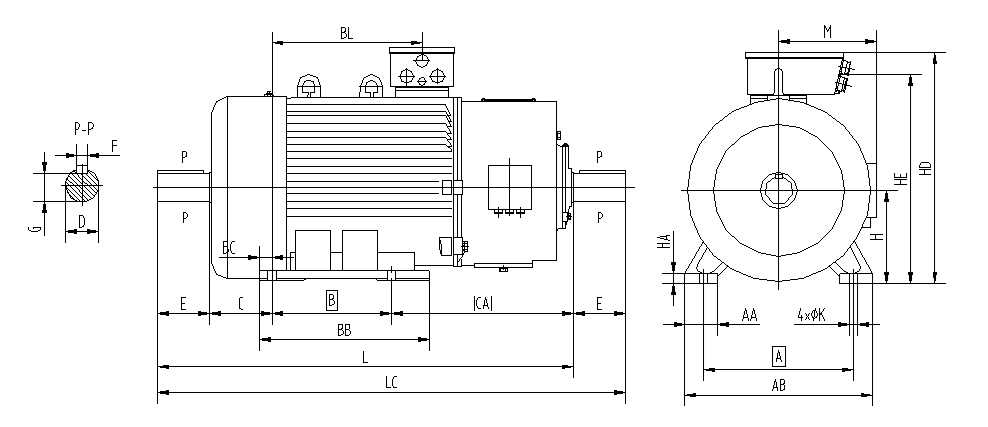
YZR (450-560) Series Wound Rotor Three-Phase Asynchronous Motors for Crane and Metallurgical Applications
Jiamusi Electric Machine Co., Ltd.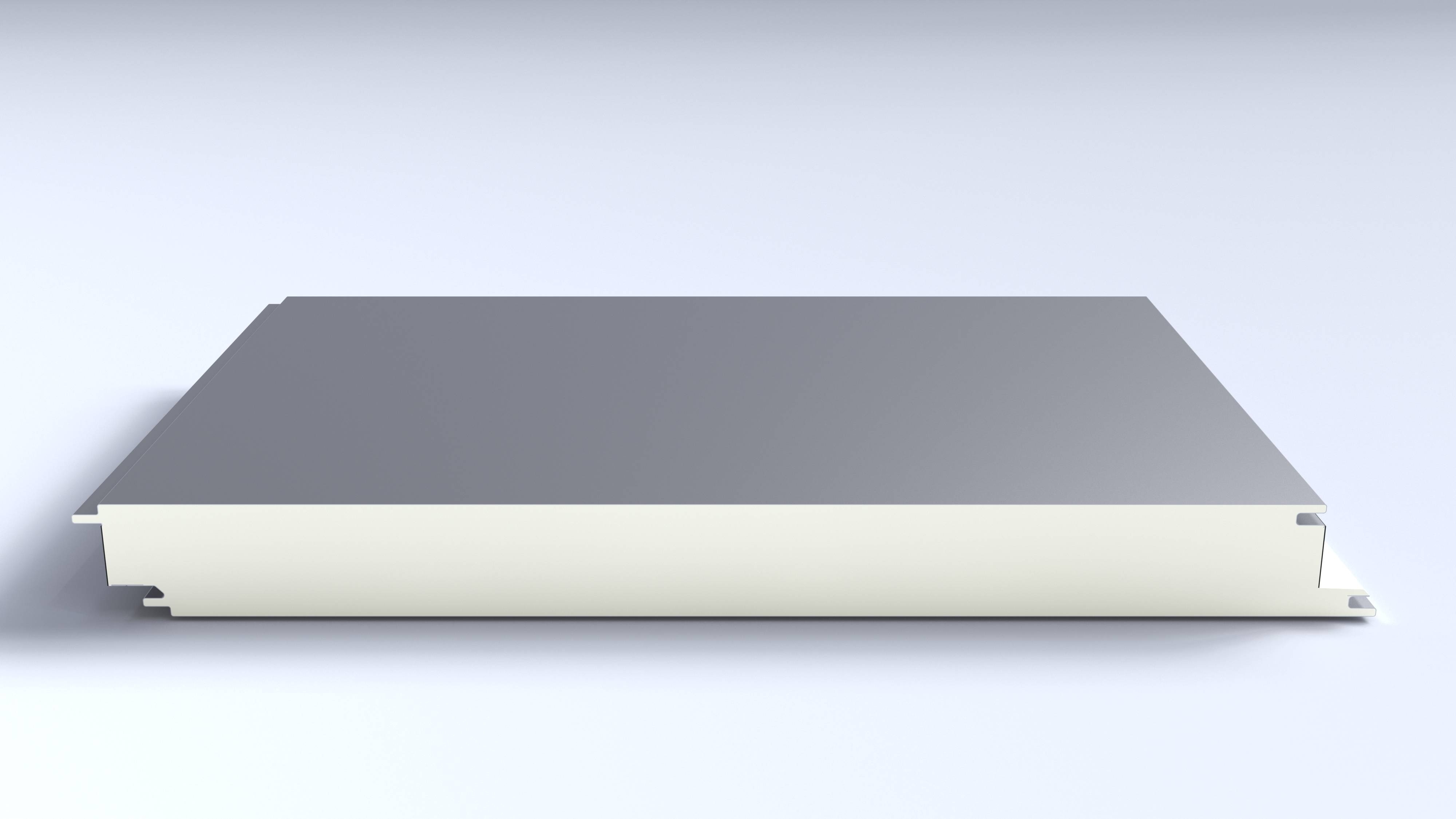
Pure Polyurethane Wall Panel BD-AEF-PIR-01
Baodu International Engineering Technology Co., Ltd.
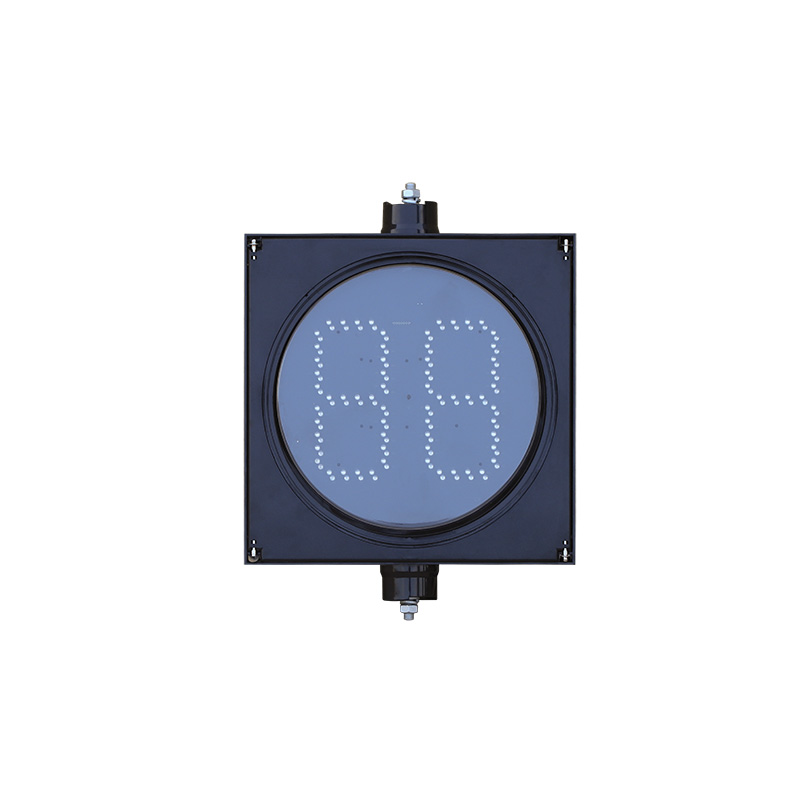
300mm Segment Type Countdown Traffic Light (Core Type)
Yangzhou FAMA Intelligent Equipment Co., Ltd.
West China Xiamen Hospital of Sichuan University
Wuhan Huakang Century Clean Technology Co., Ltd.