Latvia's solar capacity reaches 1.52 GW in 2026
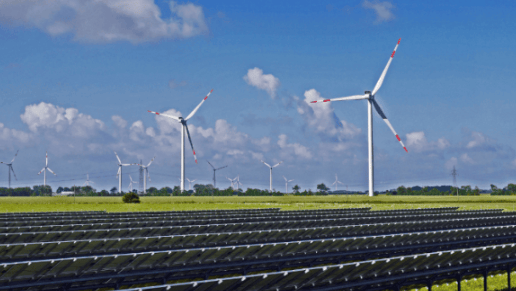
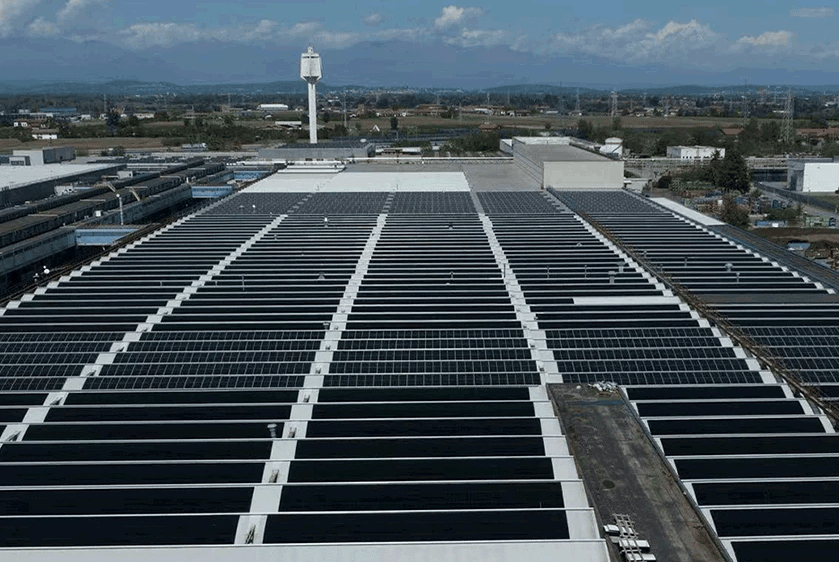
en.Wedoany.com Reported - Latvia's solar photovoltaic capacity has reached 1,521 megawatts (MW), with approximately 601 MW added so far this year. Data shared by the Latvian Renewable Energy Association (LREA) shows that the country had installed 920 MW of solar capacity by the end of last year, and the additions in 2026 have already surpassed the annual record of 319 MW set in 2024, making this the most successful year for solar deployment in Latvia.

Gatis Macāns, head of business development at Evecon, an LREA member, told pv magazine that the expansion of Latvia's renewable energy sector is driven by the completion of large-scale solar projects launched several years ago, as well as continued investment in distributed generation and the rapid deployment of wind power and battery energy storage systems. He stated that these developments are expected to further enhance the country's renewable energy generation capacity and support the ongoing energy transition.
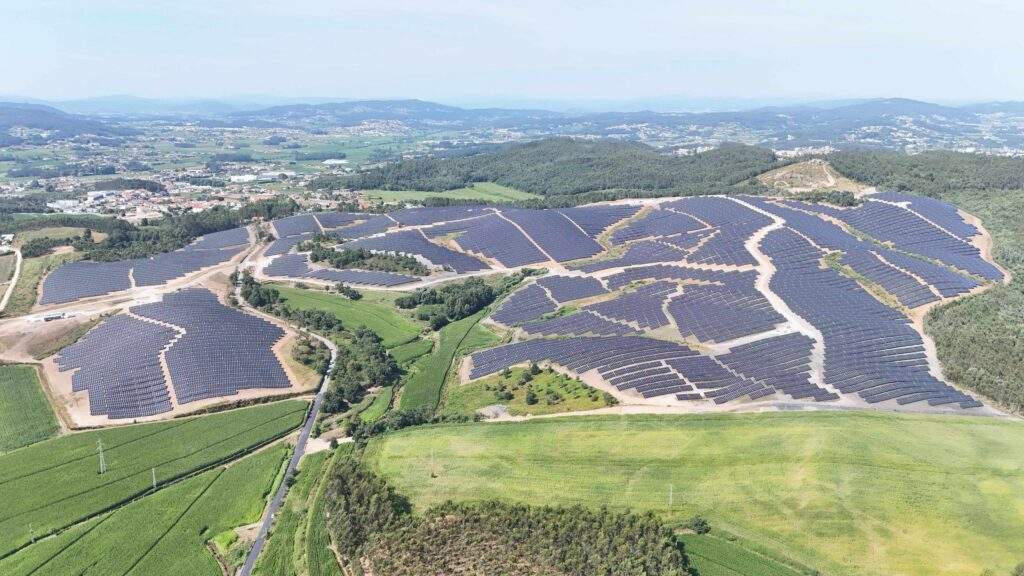
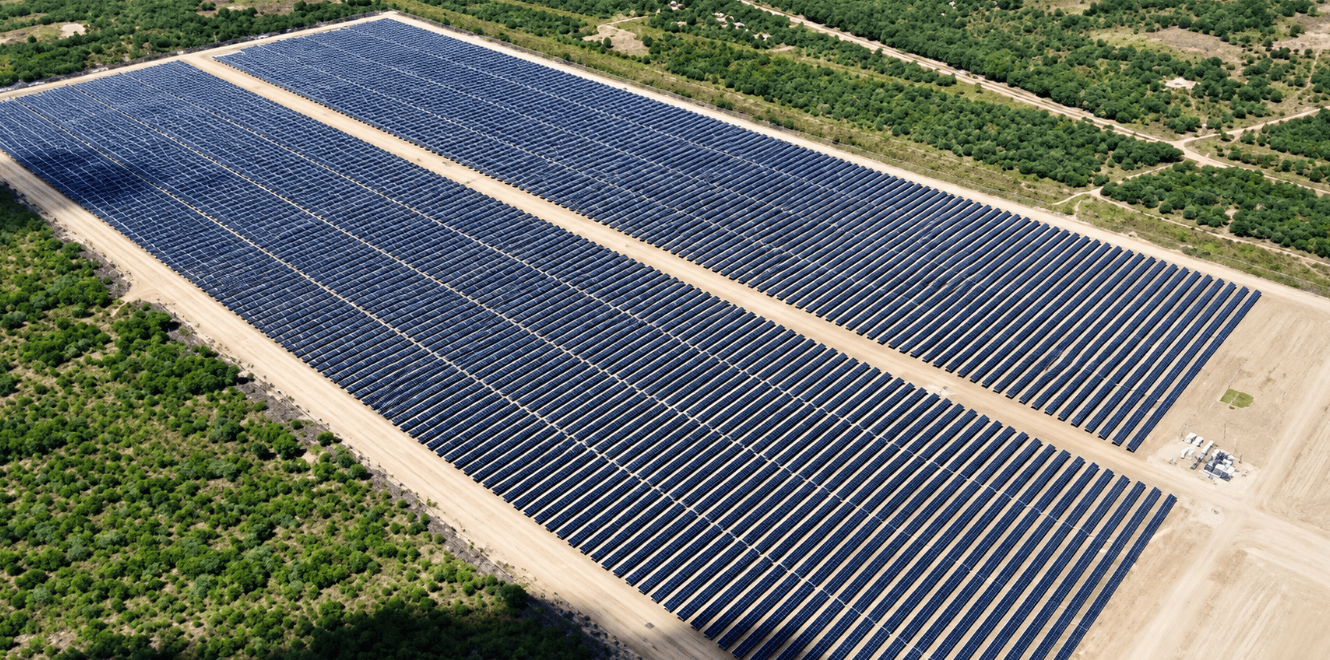
Data shared by Macāns shows that five new solar parks have been connected to the Latvian transmission system operator (TSO) network so far in 2026, with a total connection capacity of 519 MW; in addition, two wind projects with a total capacity of 150 MW and two battery energy storage systems with a total capacity of 68 MW have been connected. Detailed information published by Latvian transmission system operator Augstsprieguma tīkls (AST) reveals that the connected solar projects include: a 110 MW solar park in Ventspils, a 199 MW facility in the municipality of South Kurzeme, a 40 MW project in Valmiera, a 60 MW site in Madona, and a 110 MW project in Krāslava.
AST also stated that it plans to connect four more wind farms and four hybrid solar-plus-storage parks by the end of this year, with a total capacity of 913 MW. The transmission system operator predicts that, based on new grid connection agreements, the solar and wind capacity currently connected to the TSO network, which already exceeds 1.1 gigawatts (GW), could double within the next three years. Macāns added that an additional 782 MW of utility-scale solar has been connected to Latvia's distribution system operator (DSO) network; micro-generators, consisting of systems up to 11.1 kilowatts (kW), currently have an installed capacity of approximately 220 MW, an increase of about 10 MW compared to the end of last year.
"In the small-scale segment, households, municipalities, and businesses investing in self-consumption solar projects still benefit from several support schemes, which will sustain continued growth in distributed PV installations," Macāns added. A report from Latvia's distribution system operator Sadales tīkls states that solar accounts for 78% of the total installed generation capacity on the distribution grid, with solar generation increasing by 50% compared to the first six months of the previous year, and 441.3 gigawatt-hours (GWh) of solar power fed into the grid in just this year.
The strong growth of solar power in Latvia in the first half of this year made solar the largest electricity source in the country in May and June, with final data for July not yet published. Data released by AST shows that in June, Latvia's solar generation reached 274 GWh, accounting for 55% of the total generation of 495 GWh; hydropower was the second-largest electricity source, generating 158 GWh. In June, Latvia's electricity production met 88.48% of the country's total electricity consumption. According to a separate analysis by Germany's Fraunhofer Institute for Solar Energy Systems (ISE), Latvia's solar share of domestic generation in June set a record for the European Union.
Additional reporting from AST states that in the first half of 2026, Latvia's electricity generation exceeded consumption by 7%. Renewable energy plants currently account for 71% of the total capacity of plants connected to the transmission grid.
Related Products



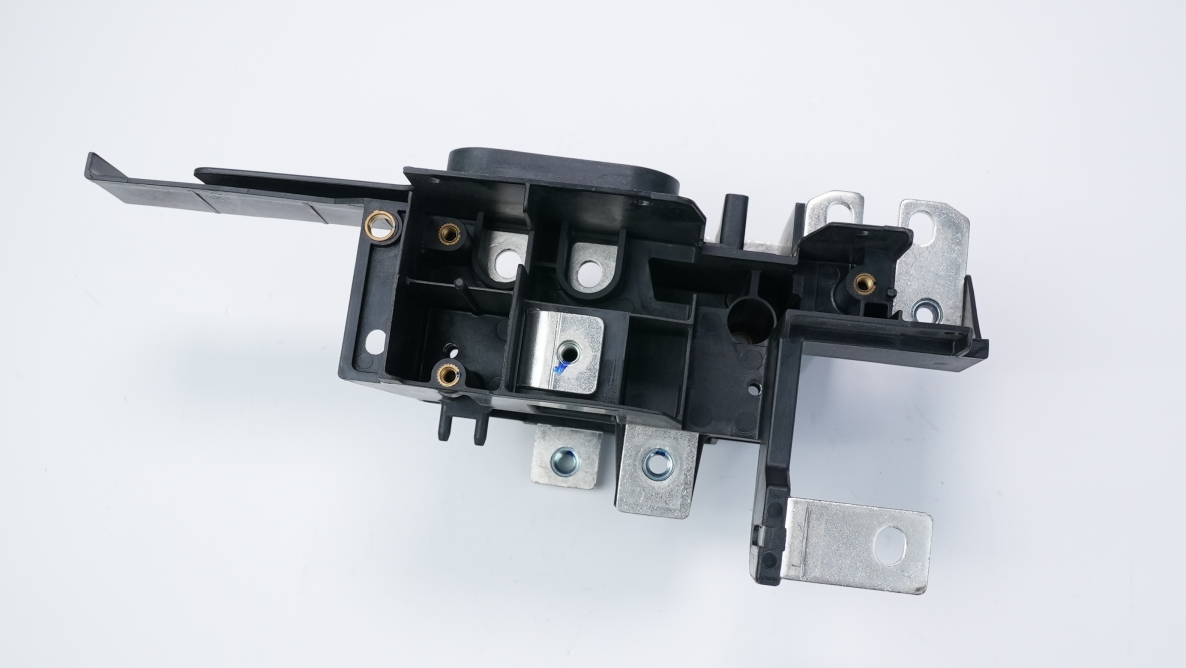
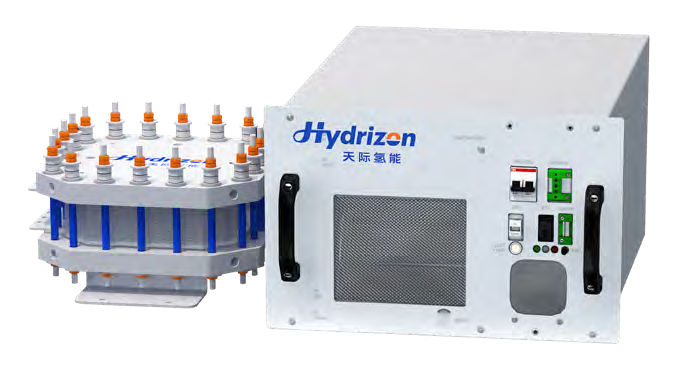
HI-Pro Green Hydrogen High-efficiency Production System-HI-PRO-AEM
Hydrizon Technology (Beijing) Co., Ltd.
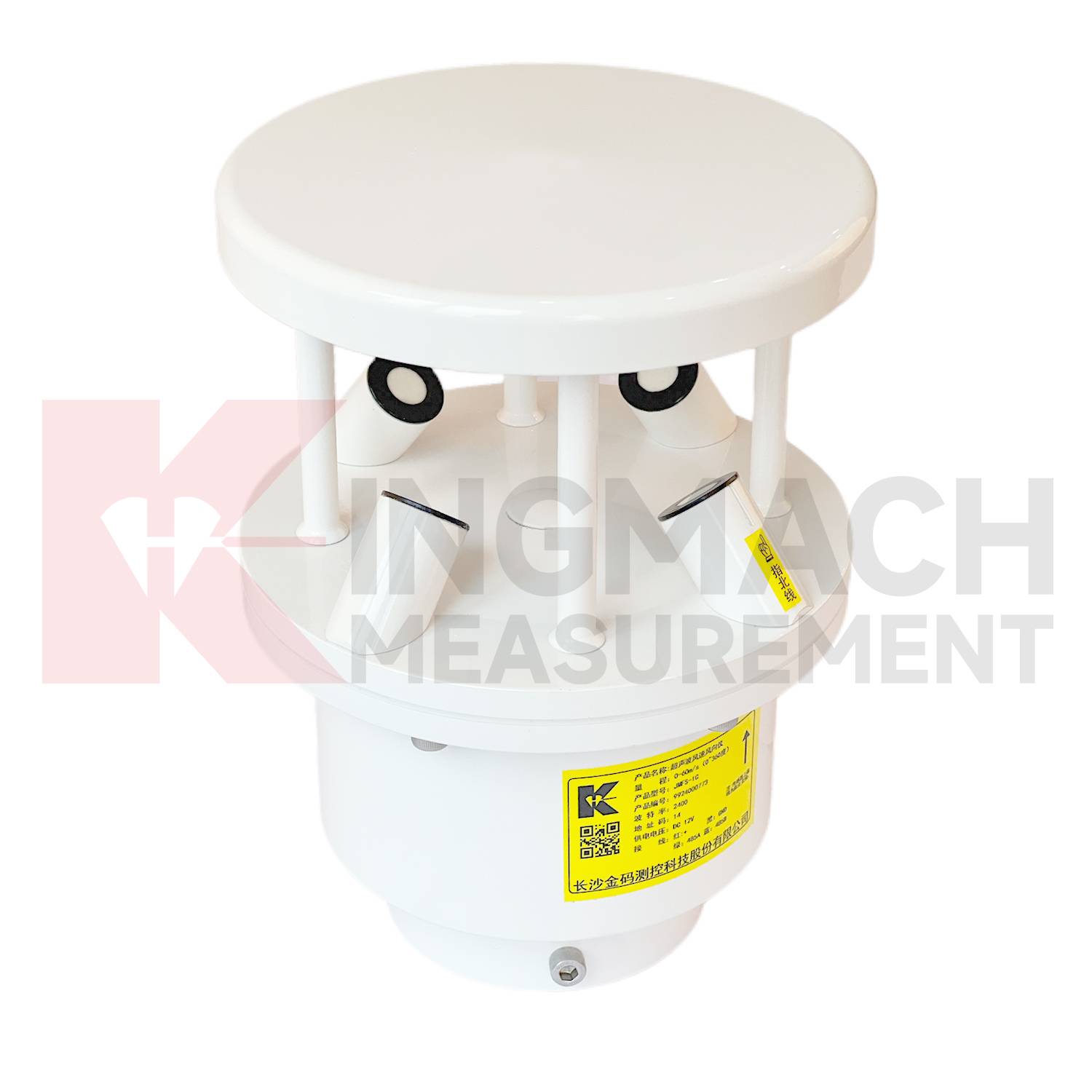
Ultrasonic Wind Speed and Direction Instrument
Kingmach Measurement & Monitoring Technology Co., Ltd.
Yingping Mining Section Open-pit Tailings Backfill Treatment of Goaf Ecological Restoration EPC Project
China Bluestar Lehigh Engineering Corporation
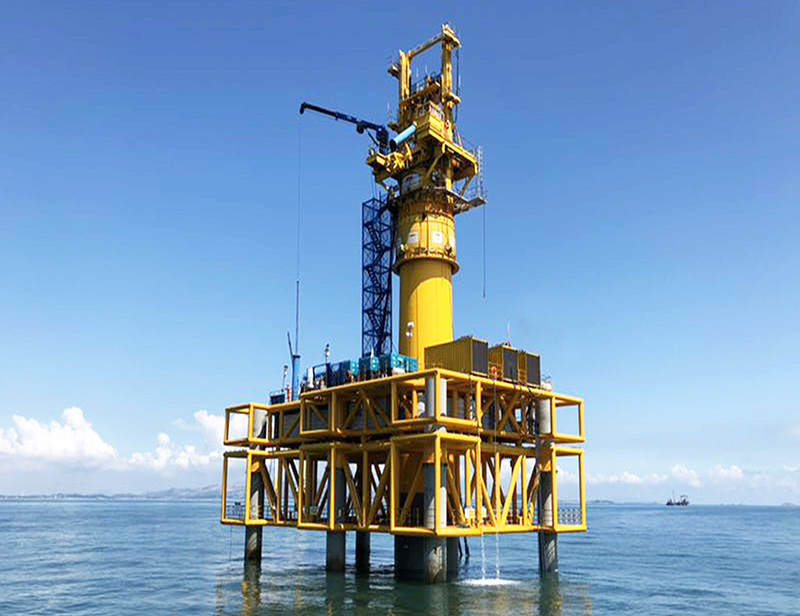
CITIC Heavy Industries Offshore Wind Power Equipment Hydraulic Pile Hammer
CITIC Heavy Industries Co., Ltd.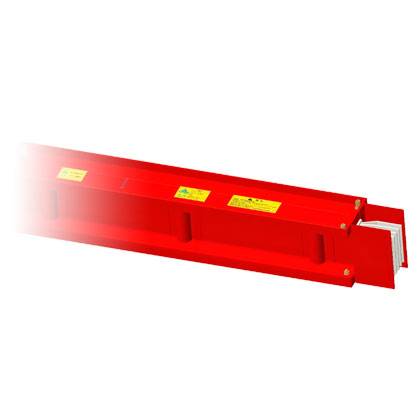
Mineral-insulated Compact Busway (Fire-resistant Busduct)
Zhuhai Guangle Electric Busway Co., Ltd.