BP's Giant Brazilian Offshore Field Targets 2032 Start-Up with 2.5 Billion Barrels of Recoverable Reserves
en.Wedoany.com Reported - BP's Bumerangue ultra-deepwater discovery in Brazil's Santos Basin holds approximately 2.5 billion barrels of potential recoverable reserves, with peak production reaching 600,000 barrels per day. The project's scale is sufficient to offset the production decline at BP's existing assets, and its start-up timing coincides with the gradual exit of Brazil's current pre-salt giant fields from their plateau production periods. Development costs could reach as high as $32 billion, and the high concentration of carbon dioxide in the reservoir's associated gas may require expensive subsea separation and reinjection processing. The block's production sharing agreement (PSA) terms are relatively favorable, providing conditions for risk control, but success still depends on BP's cost management, selection of development partners, and the ability to transform this discovery into a commercially competitive project.
BP plans to maintain total upstream production in the range of 2.3 million to 2.5 million barrels per day through 2030, requiring new projects to offset the natural decline at existing assets, which highlights Bumerangue's position in this chain. The discovery is BP's largest since Shah Deniz in 1999 and the sixth-largest deepwater oil discovery ever made. Final investment decision is expected around 2028, with first oil approximately in 2032, potentially delaying the substantial decline in BP's production portfolio from around 2032 to 2038, a deferral of four to six years.
The project's biggest uncertainty stems from the carbon dioxide content in the associated gas. Some experts point out that if concentrations exceed 45%, BP would need to employ advanced subsea separation and reinjection facilities, with associated costs of approximately $3 billion and involving numerous technological elements that are not yet mature. BP currently holds 100% interest in Bumerangue. Given the aforementioned complexities, the company may sell partial interests before the final investment decision while retaining a significant operating stake. The $32 billion development capital is several times larger than BP's Kaskida project in the Gulf of Mexico (approximately $4.7 billion) and the Tiber project (approximately $3.7 billion). Bringing in partners would help share the financial burden and manage the technical risks associated with the associated gas composition.
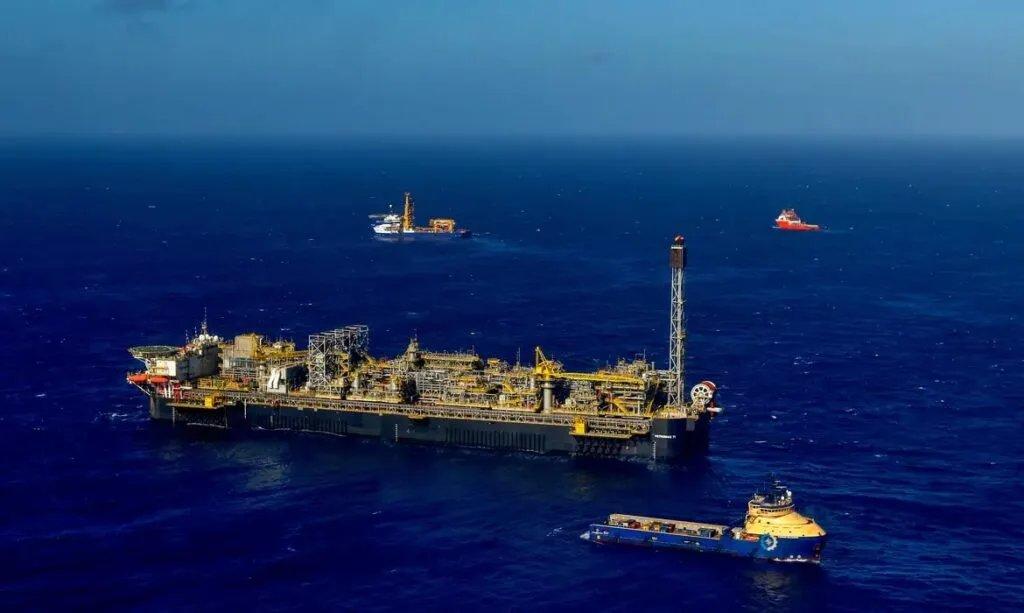
Petrobras is viewed as a potential partner, given its operational experience in the Santos Basin and its expertise in developing reservoirs with high carbon dioxide content. The CO2 concentration at its operated ultra-deepwater Mero field is also approximately 45%, where Petrobras uses subsea HiSep technology to separate and reinject carbon-rich gas, reducing the processing load on the FPSO (floating production, storage and offloading unit). Mero's development experience can be directly applied to Bumerangue, strengthening the rationale for Petrobras's participation in the project.
The block was awarded to BP in 2022 under a production sharing agreement that allows up to 80% of production to be recovered as cost oil to recoup approved expenses, with the remaining profit oil shared with the Brazilian government, whose profit share is only 5.9%—far lower than Mero's 41.6% (where the cost recovery ceiling is 30% to 50%). These terms are favorable for BP to recover its upfront investment.
Weighing the favorable fiscal terms against the project's complexity, a breakeven point of approximately $50 per barrel could make the project commercially viable, although this would not make it the cheapest deepwater development in Brazil. For reference, Equinor's Bacalhau Phase 1 was sanctioned with a breakeven below $35 per barrel, while Shell has positioned the average breakeven for its latest upstream growth projects, including Gato do Mato, at approximately $35 per barrel. Breakeven estimates before development drilling begins remain rough, but the project's breakeven cost is expected to stay within the $60-per-barrel threshold, with favorable fiscal terms, resource scale, and high well productivity compensating for higher technical costs.
Project economics remain sensitive to recoverable reserves, FPSO requirements, and carbon dioxide management costs. Shell's adjacent Gato do Mato field (expected to start production in 2029) faced multiple delays after its discovery in the late 2010s, and post-pandemic offshore inflation made its original FPSO concept too costly. Bumerangue's scale and complexity far exceed those of Gato do Mato, making cost control particularly critical.
The project will also transform BP's limited presence in Brazil. BP briefly operated the Polvo field, and its other interests in Brazil are mostly minority stakes. Bumerangue marks BP's first large-scale pre-salt project in Brazil where it leads the entire chain of discovery, development, and production. If successful, Brazil would become a new core operating region for the company, establishing a local base for subsequent Santos Basin exploration.
Timing is equally important for Brazil. As the largest pre-salt development projects mature, Brazil's national oil production is expected to peak around 2029 or 2030. The Tupi field reached its peak of approximately 1.1 million barrels per day in 2020 and has since declined to 840,000 barrels per day in July; Mero is currently producing approximately 760,000 barrels per day and is approaching its peak; Buzios is expected to reach a peak of approximately 1.8 million barrels per day by 2030.
As these giant fields successively exit their plateau periods, Brazil needs another large-scale project to cushion the production decline. Bumerangue promises to provide that bridge: its first oil around 2032 coincides with Tupi, Mero, and subsequently Buzios entering their decline phases. While a peak production of 600,000 barrels per day cannot fully compensate for the decline, it can slow the rate of decrease, extending Brazil's high-production period and sustaining its export capacity.
Brazilian crude is becoming increasingly attractive to buyers seeking politically stable supply and avoiding high-risk transit routes. In July, Brazil's exports totaled approximately 2.7 million barrels per day, including 1.5 million barrels per day to Asia (with about 1 million barrels per day going to China), 690,000 barrels per day to Europe, and 360,000 barrels per day to the Americas. Export routes do not depend on high-risk corridors such as the Strait of Hormuz or the Bab el-Mandeb.
For both BP and Brazil, Bumerangue's significance lies in extending existing production plateaus rather than creating a brief surge in output. BP can use it to support production and cash generation through the 2030s, validate its upstream strategy, and establish Brazil as a new core region; Brazil, in turn, gains production continuity as its pre-salt giant fields enter decline. Cost and technical risks are real, but the resource scale, fiscal terms, and timing factors make this project capable of helping both the company and the country sustain production levels over a longer period.
Related Products

220kV and Below Voltage Level Energy-saving Oil-immersed Power Transformers
FuZhou TianYu Electric Co., Ltd.
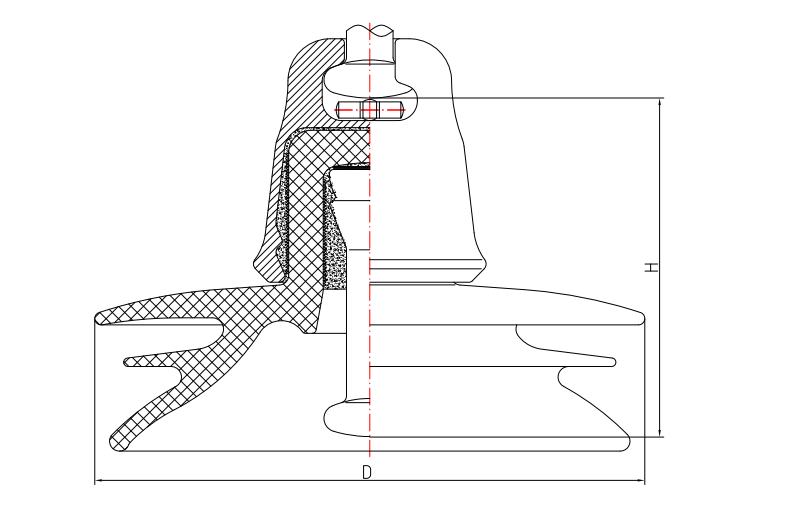
Post-type AC Pollution-resistant Disc Suspension Porcelain Insulator (Triple Umbrella Type)
Shandong High Voltage Insulator Co., Ltd.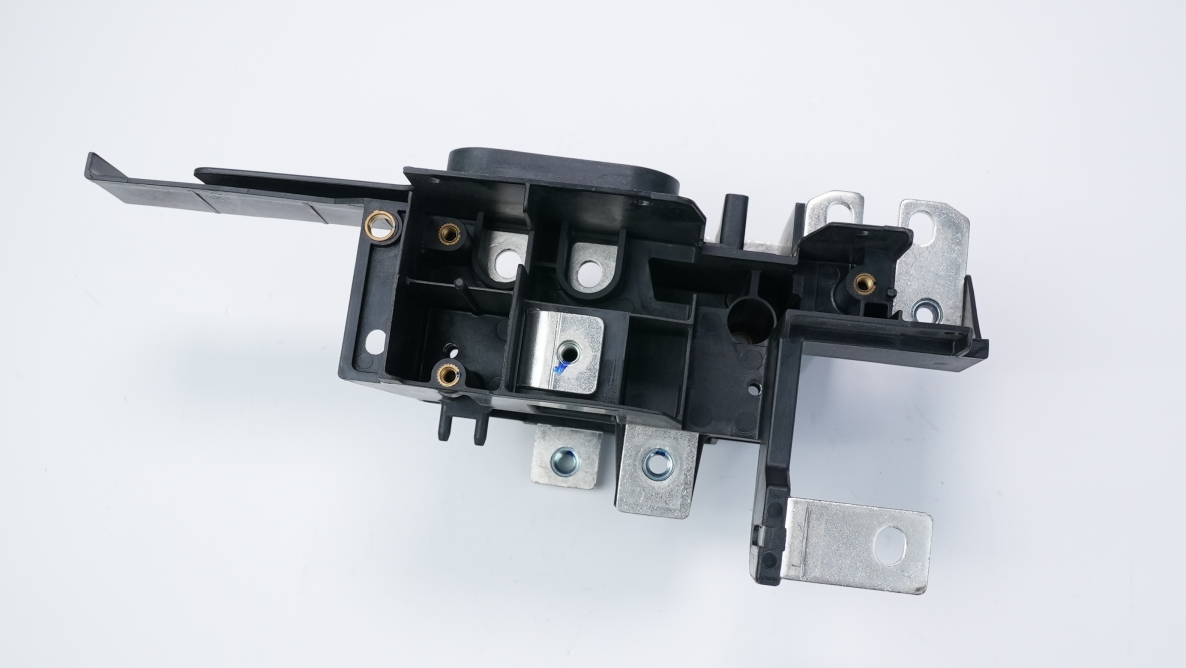
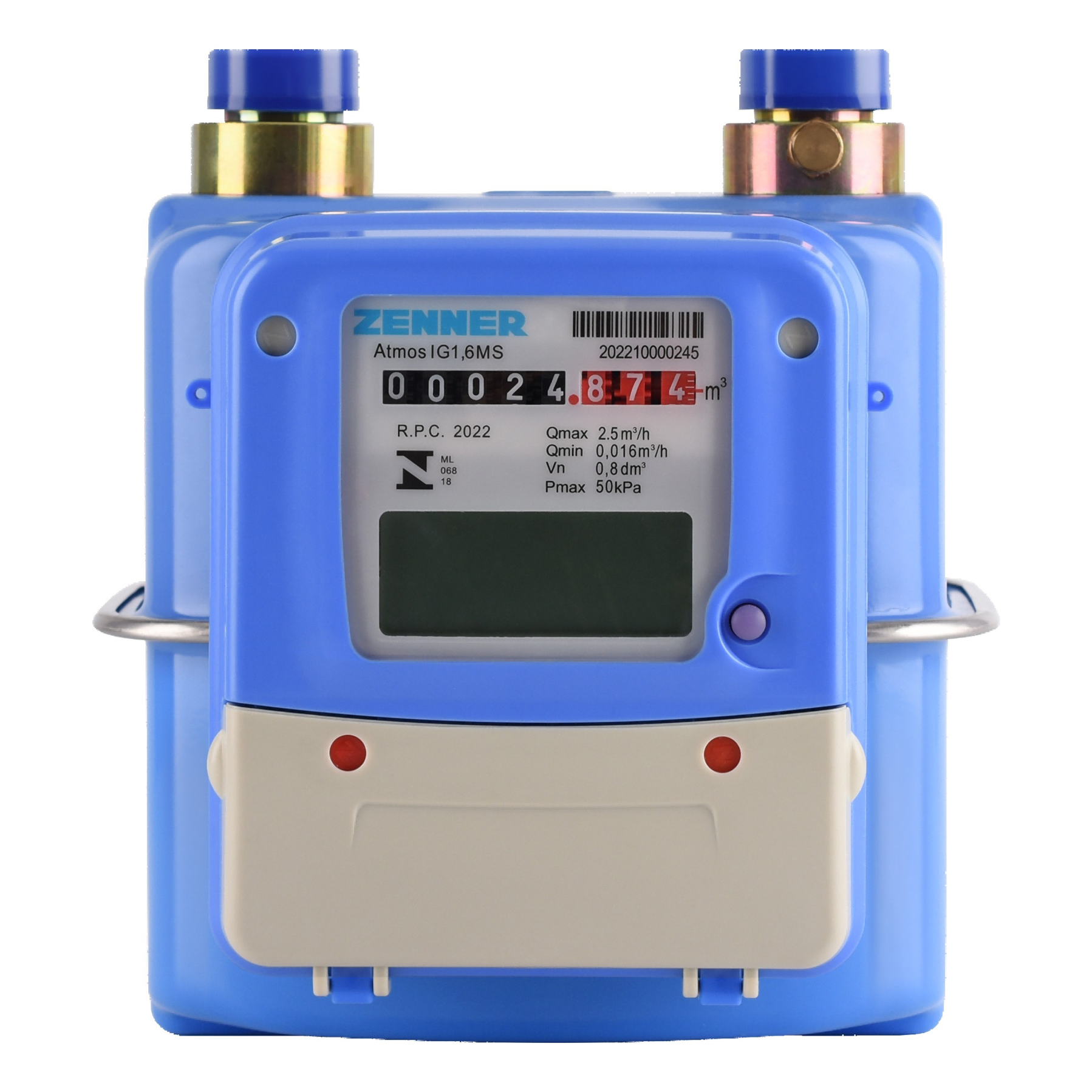


0.66kV Power Supply Instrument Transformer
Guangdong Sihui Instrument Transformer Works Co., Ltd.