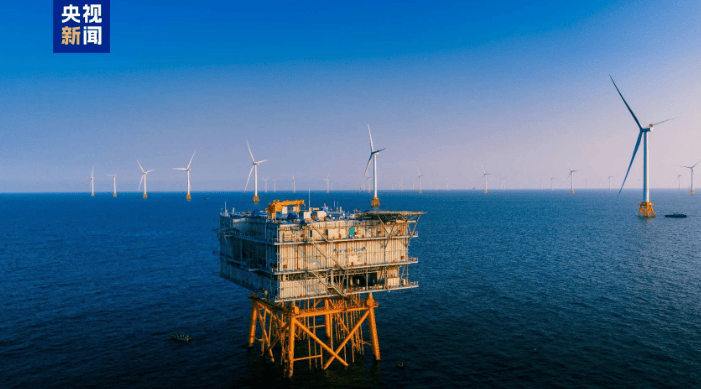
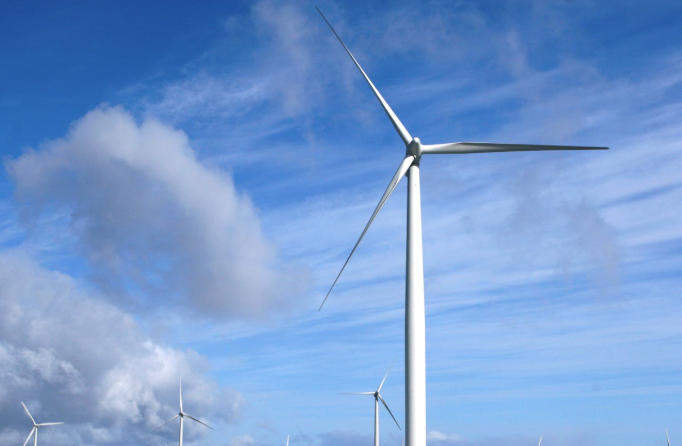
Kenya's Wind and Solar Capacity Exceeds 20% of Installed Capacity, Raising Grid Stabilization Costs
en.Wedoany.com Reported - On August 11, Kenya Power, the national electricity company, released grid operation data stating that variable renewable energy sources such as wind and solar now account for more than 20% of the national grid's total installed capacity, with fluctuations in power generation affecting grid stability and supply reliability. The company's reference ceiling is 15% of stable grid capacity, and Kenya's current integration level has exceeded this threshold.
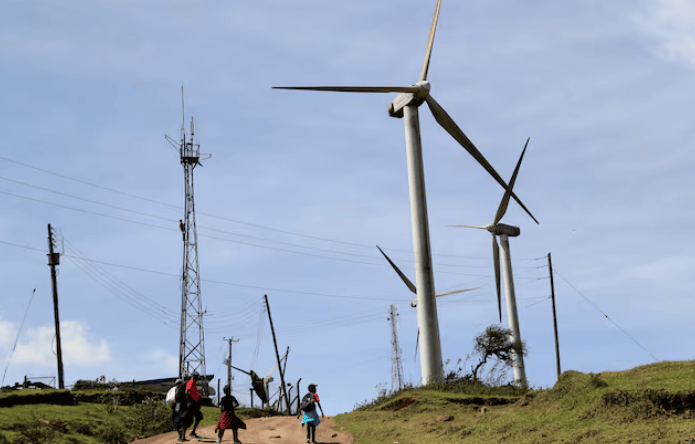
During the daytime peak demand of approximately 1,900 megawatts, wind and solar account for 34% of the power supply mix; when system load drops to around 1,200 megawatts, their share rises to 36%. When output surges or drops suddenly due to changes in wind speed and sunlight, the grid must dispatch other power sources to supplement or absorb power in order to maintain supply-demand balance as well as system frequency and voltage stability.
Kenya's current power purchase agreements primarily adopt a "take-or-pay" mechanism. Even when the system does not require the full output, Kenya Power is still obligated to pay wind and solar generators according to the contracts, while also bearing the costs of dispatching other units to stabilize the grid. The company stated that the costs incurred from dispatching additional backup units will ultimately be reflected in the overall cost of power supply.
Kenya Power has proposed increasing the supply of stable power sources such as geothermal and hydroelectric power. Kenya's existing geothermal, hydroelectric, electricity imports, and thermal power account for approximately 80% of the power supply structure. Future stable power sources include the 61 MW Olkaria I geothermal project, the 80 MW Olkaria VII geothermal project, two 35 MW Menengai geothermal projects, 200 MW of electricity imports from Ethiopia, and the 100 MW Paka Silali project.
Kenya's National Energy Compact 2025–2030 has incorporated transmission and distribution facility upgrades, smart grids, and grid enhancement technologies into its power expansion plans, and has planned to deploy 400 MW of battery energy storage by 2030. The document also identifies the lack of an ancillary services regulatory mechanism and insufficient transmission capacity in some regions as constraints on the continued integration of wind and solar power into the grid.
Related Products

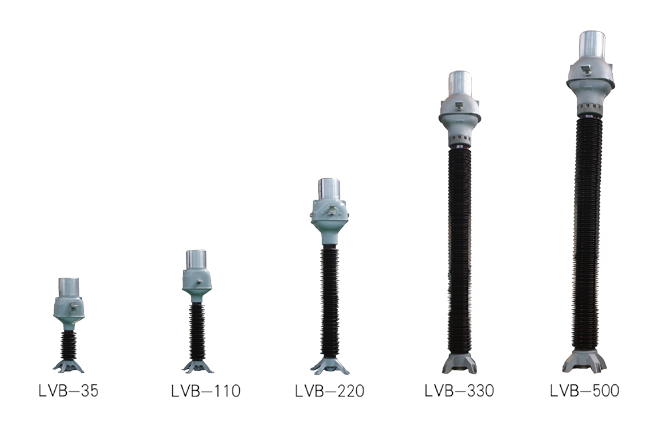
LVB Series 35-500kV Oil-immersed Inverted Current Transformer
Shandong TaiKai Instrument Transformer Co., Ltd.
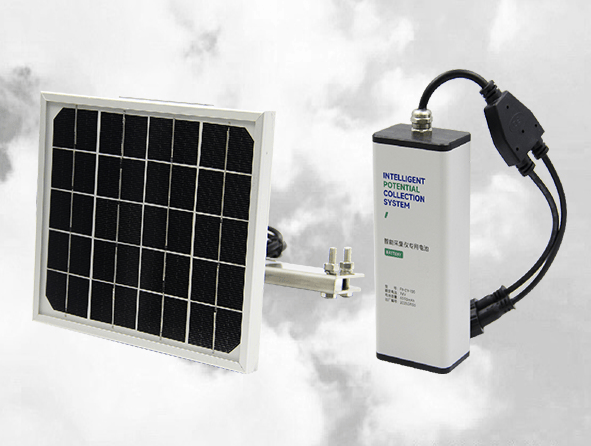
Inductive Power Harvesting Self-Powered Device - Safuneng
SELF ENERGY TECHNOLOGY (SHENZHEN) CO., LTD.
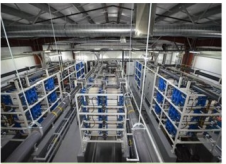
Perfluorinated Ionic Membrane-CM-10N Series Membrane
Guizhou Juneng Century Technology Co., Ltd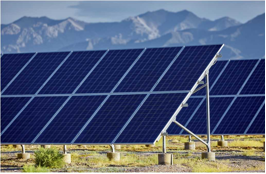
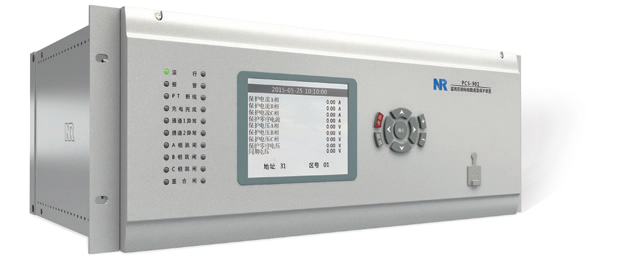
PCS-901 Series Ultra (Extra) High-voltage Transmission Line Complete Protection Device
Nanjing NR Electric Co., Ltd.