Chinese Deye Launches 2.5MW C&I Energy Storage System with 0ms Switching
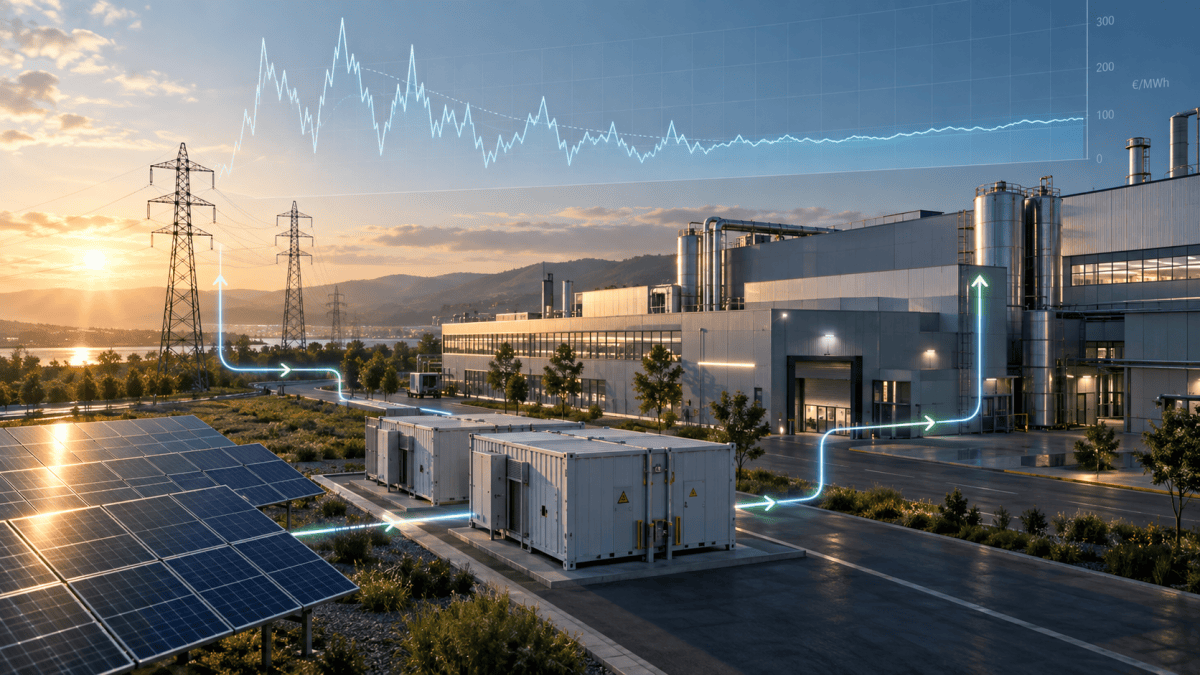
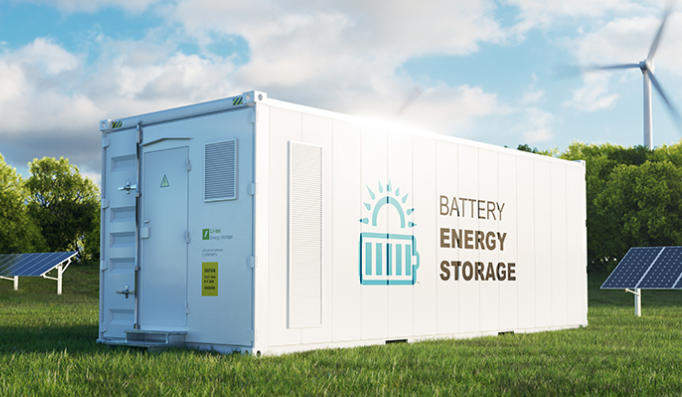
en.Wedoany.com Reported - Chinese inverter and energy storage manufacturer Deye has released a modular energy storage system for the commercial and industrial (C&I) sector, model 100/125kW-2.5MW C&I ESS Solution. The system consists of 100kW or 125kW power conversion system (PCS) units paired with BOS-B Pro-A3 lithium iron phosphate (LiFePO) batteries.
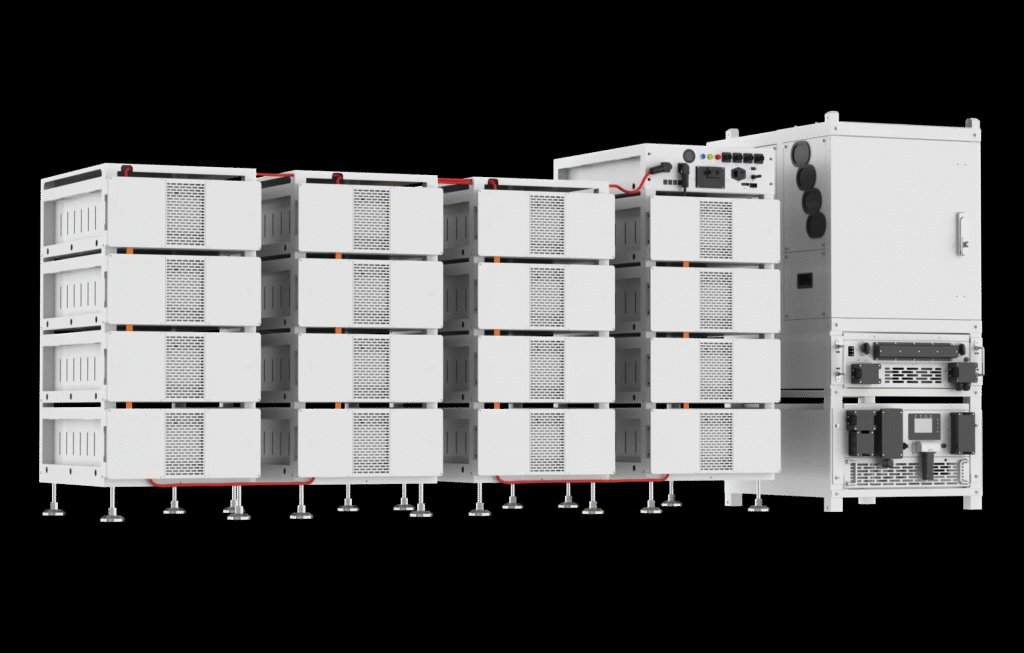
According to Deye, the system supports parallel connection of multiple PCS units, with total capacity expandable up to 2.5MW. Each BOS-B Pro-A3 battery cluster has a total energy of 257.23kWh, and a single PCS can connect up to 16 battery clusters. The modular architecture allows customers to start small and scale up gradually as their business grows, avoiding over-investment in infrastructure during the initial phase.
The system supports both AC-coupled and DC-coupled PV integration. The MPPT module is equipped with 8 or 10 trackers, supporting a maximum PV input capacity of 250kWp. The recommended depth of discharge for the battery is 90%, with a rated cycle life of no less than 6,000 cycles at 25°C and 0.5C. The PCS achieves a maximum efficiency of 98.5% and a European efficiency of 97.8%.
To meet the power continuity requirements of critical loads, the energy storage system adopts an architecture similar to online uninterruptible power supplies (UPS), enabling seamless switching in 0 milliseconds to eliminate power interruptions, voltage sags, and waveform distortion during grid faults. In off-grid mode, the system supports 2x peak power output for 12 seconds to accommodate the startup demands of heavy-load equipment.
The battery system measures 2150mm × 1305mm × 800mm, weighs approximately 2240kg, and has an IP20 protection rating. The MPPT module measures 543mm × 198mm × 700–720mm, weighs 41.75–50.6kg, and has an IP65 protection rating. Both the 100kW and 125kW PCS modules measure 543mm × 310mm × 775mm, weigh 81.86kg, and also carry an IP65 protection rating.
Deye states that the solution is suitable for high-reliability scenarios such as telecommunications infrastructure, data centers, industrial automation production lines, rail transit signaling systems, and core business systems of financial institutions, ensuring continuous operation of critical infrastructure during grid fluctuations. As a unified platform, it supports applications including backup power, increasing self-consumption of PV generation, and participating in demand response, delivering consistent operational value to C&I project partners and channel customers.
Related Products

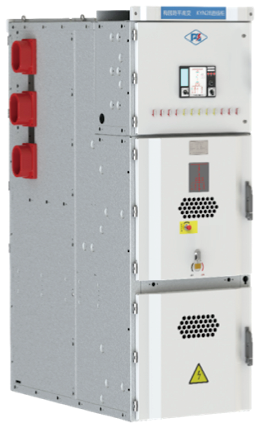
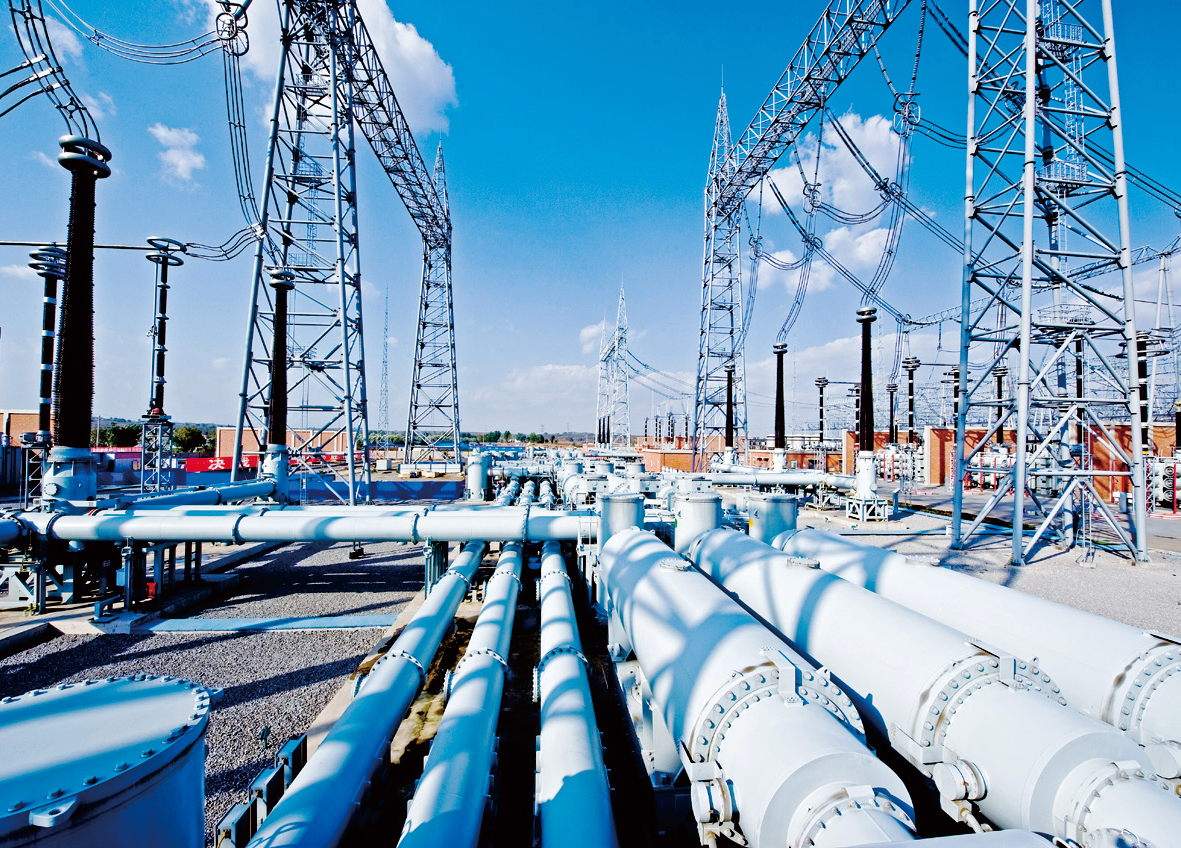
40.5kV-1100kV Gas Insulated Metal-Enclosed Switchgear (GIS)
Henan Pinggao Electric Co., Ltd.
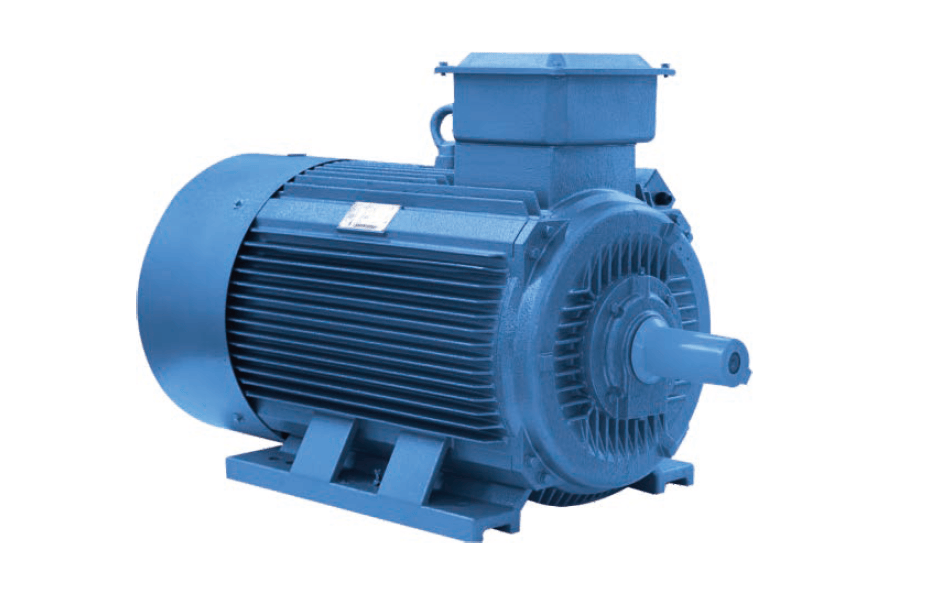
TYC Series High-Efficiency Permanent Magnet Synchronous Motor
Xiangdian Smart Energy Technology Co., Ltd.
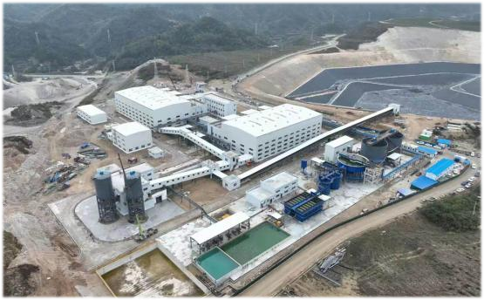
Yingping Mining Section Open-pit Tailings Backfill Treatment of Goaf Ecological Restoration EPC Project
China Bluestar Lehigh Engineering Corporation