Global Fine Chemicals Market Sees Broad-Based Price Hikes Across Multiple Products
en.Wedoany.com Reported - Recently, the global fine chemicals market has shown a broad-based upward trend across multiple segments. The three major regional markets—Europe, North America, and Asia-Pacific—have strengthened simultaneously, with prices of vinylene carbonate (VC), polyurethane raw materials diphenylmethane diisocyanate (MDI) and toluene diisocyanate (TDI), acrylates, carbon black, and H-acid all rising in tandem. This round of price increases is the result of a confluence of multiple forces resonating globally, including plant turnarounds, geopolitical costs, policy rigidity, and supply-demand mismatches.
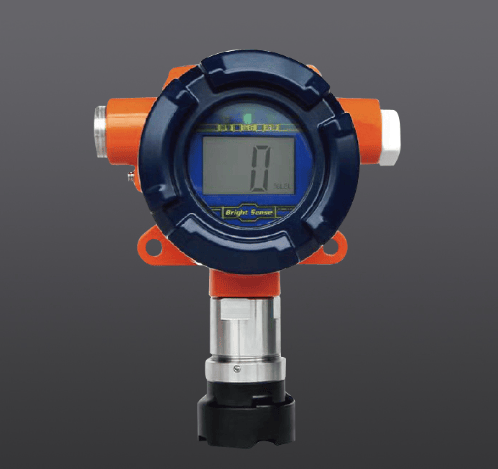
Vinylene carbonate (VC) is a core film-forming additive in lithium battery electrolytes, directly affecting battery cycle life and safety. Global VC demand is projected to reach 98,000 to 120,000 metric tons in 2026, a year-on-year growth of 47% to 60%, significantly higher than the 31% overall growth rate of the lithium battery industry. On the supply side, rigid constraints persist: VC production involves high-hazard processes with extremely high safety and environmental access barriers, and new projects typically require 2 to 3 years from initiation to stable mass production. During the industry's deep loss period from 2023 to 2024, multiple small and medium-sized plants in North America and Europe permanently exited the market. Current global effective capacity is far below nominal scale, which has further contracted over the past two years due to safety rectifications and environmental upgrades. The supply-demand gap is difficult to close in the short term, and with downstream electrolyte and battery manufacturers' raw material inventories having fallen below safety thresholds, restocking demand will amplify price elasticity. Since July, VC prices have surged repeatedly, rising to 230,000 RMB per metric ton as of now.
H-acid prices surged 31.15% in the final week of July, with average prices jumping from 60,000 RMB per metric ton to 80,000–100,000 RMB per metric ton. H-acid is a core intermediate for reactive dyes and certain acid dyes, with approximately 60% of global reactive dye capacity relying on H-acid as a key raw material. This price increase, triggered by tightening supply in the intermediate segment, is now transmitting downstream along the dye industry chain. Reactive dye quotations in European and Indian markets have already shown signs of follow-on increases, while Asian dye export order prices have been adjusted upward in tandem.
In polyurethane raw materials, MDI and TDI are entering a global price hike cycle. BASF has issued five consecutive price increase announcements since the escalation of the Middle East geopolitical conflict, covering multiple product categories including butyl acrylate, MDI, and TDI, with adjustments spanning major global markets such as Europe, North America, and Asia-Pacific. Huntsman raised MDI and formulated systems prices by $300 per metric ton in India and the subcontinent effective July 27, and MDI prices by €250 per metric ton in Europe and the Middle East effective August 1. Wanhua Chemical increased MDI and TDI prices by $200 per metric ton in Southeast Asia effective July 29, with the Asia-Pacific market following suit. This round of price increases is driven by three overlapping layers of logic: the Middle East geopolitical conflict has pushed up global chemical shipping costs, concentrated turnarounds of multiple MDI/TDI plants in Europe and Asia have compressed short-term supply, and leading enterprises have seized the opportunity to raise prices to restore margins. BASF, Covestro, and Huntsman—three major European chemical giants—plan to collectively shut down 700,000 to 1.1 million metric tons of MDI capacity between 2026 and 2027, with overseas supply continuing to tighten. Global MDI capacity growth is expected to be below 2% in 2026, and no new TDI capacity is slated for 2026–2027, keeping both core raw materials in a tight balance.
In acrylates, BASF raised butyl acrylate prices by $0.05 per pound in the North American market, while European prices were increased by €80 per metric ton over the same period. In carbon black, Cabot issued a global price adjustment notice on July 27, uniformly raising prices by $100 per metric ton across the Americas, Europe, and Asia-Pacific, based on July execution prices. Cabot noted that carbon black prices have remained at low levels for an extended period, and the recent surge in feedstock oil prices has far exceeded the room for carbon black price increases, with compressed profit margins being the direct cause of this adjustment.
The logic behind this round of concentrated fine chemical price hikes is highly consistent: sustained upward pressure on upstream crude oil, natural gas, coal, and key mineral raw material prices has pushed manufacturing cost burdens past the breakeven threshold, forcing enterprises to pass costs downstream. From the supply-demand gap in VC to plant turnarounds and capacity exits in polyurethane, from cost-driven pressure in carbon black to synchronized increases in acrylates, and from the intermediate shock in H-acid to the chain reaction across the dye industry, the drivers vary by product—but all point to one trend: the global fine chemicals market's price center is systematically shifting upward.