DP World completes key phase of $800 million overhaul of Syria's Tartus Port
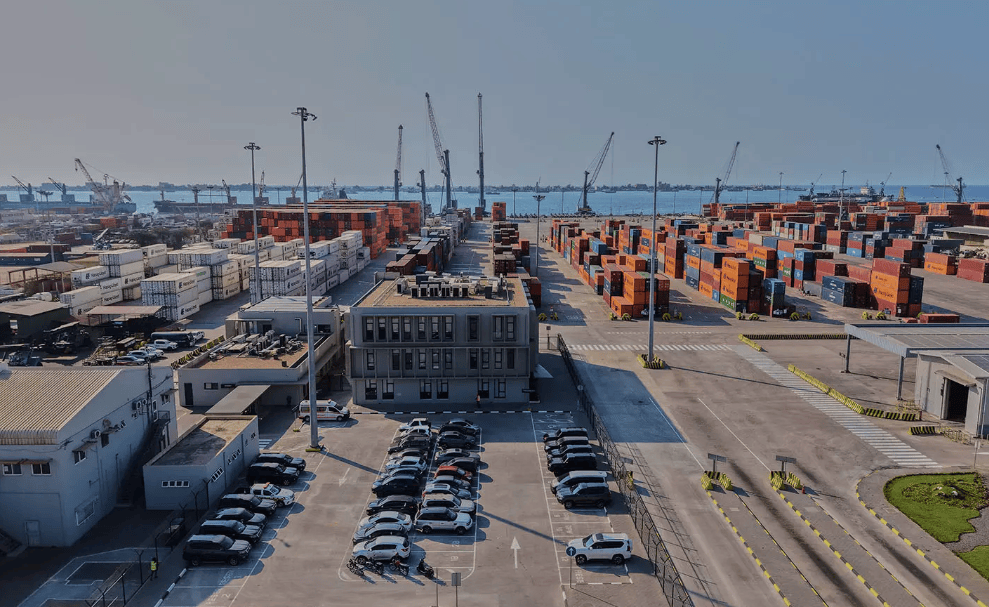
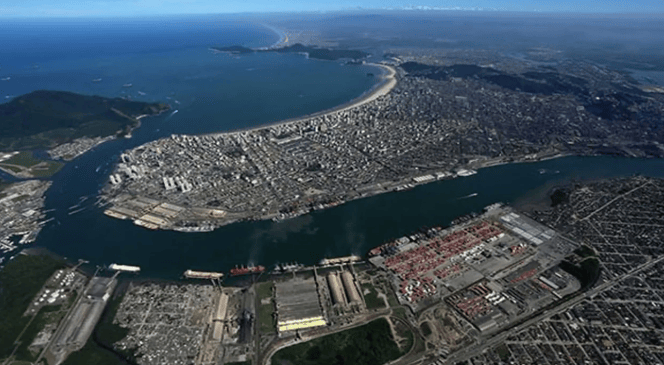
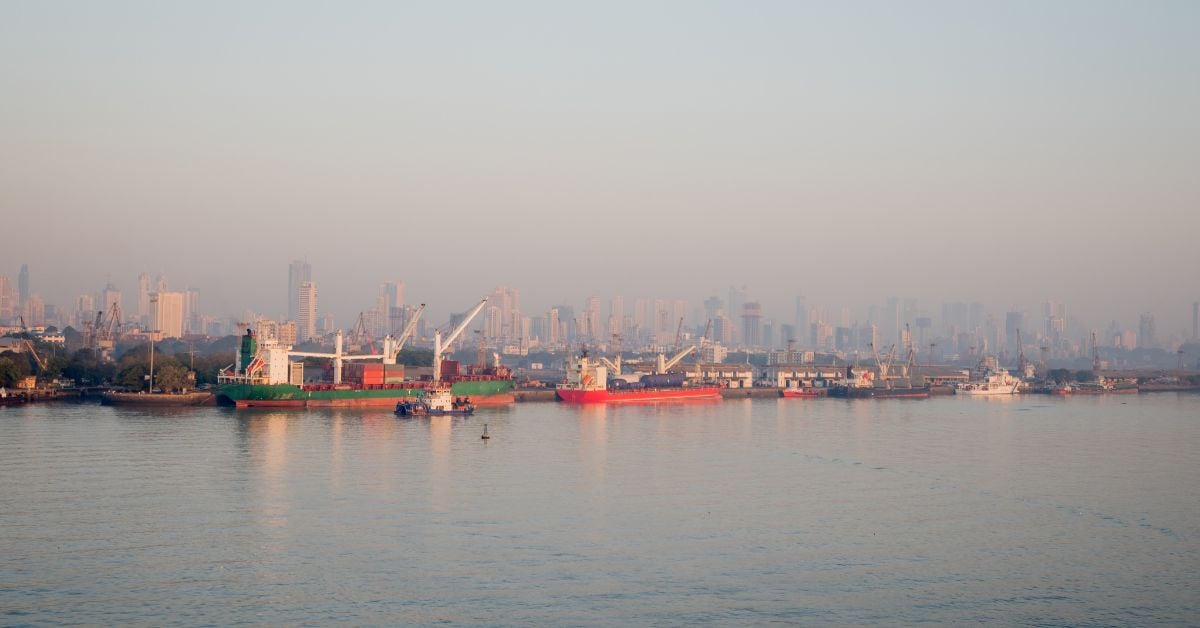
en.Wedoany.com Reported - DP World has completed a key phase of its investment program to modernize Syria's Tartus Port, totaling approximately $800 million, with the first three new mobile cranes having arrived at the port.
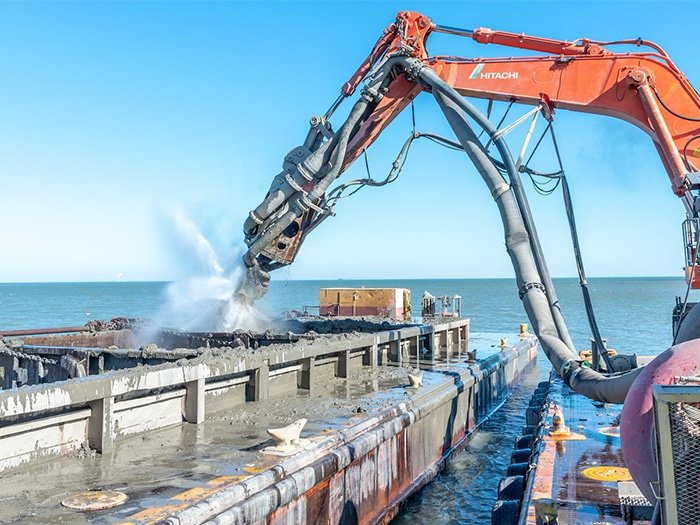
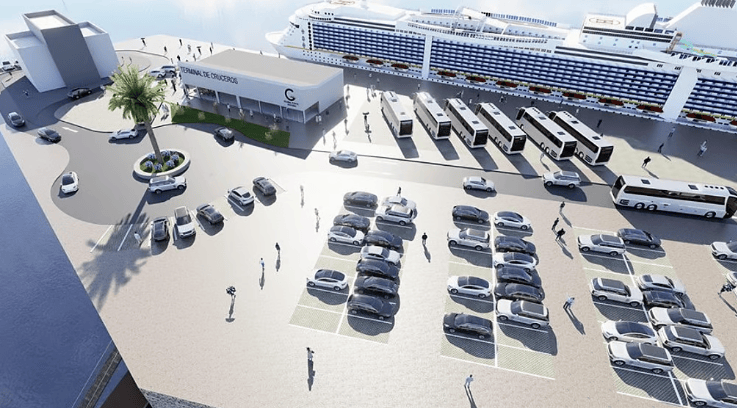
The new cranes are expected to increase the port's cargo handling capacity by about 40%, speeding up vessel turnaround and reducing waiting times, while boosting throughput of containers and bulk cargo. The investment is part of a 30-year development and operation concession agreement for Tartus Port, with subsequent works including dredging the harbor basin to deepen waters and accommodate larger vessels, renovating quay walls, and installing additional cargo handling equipment.
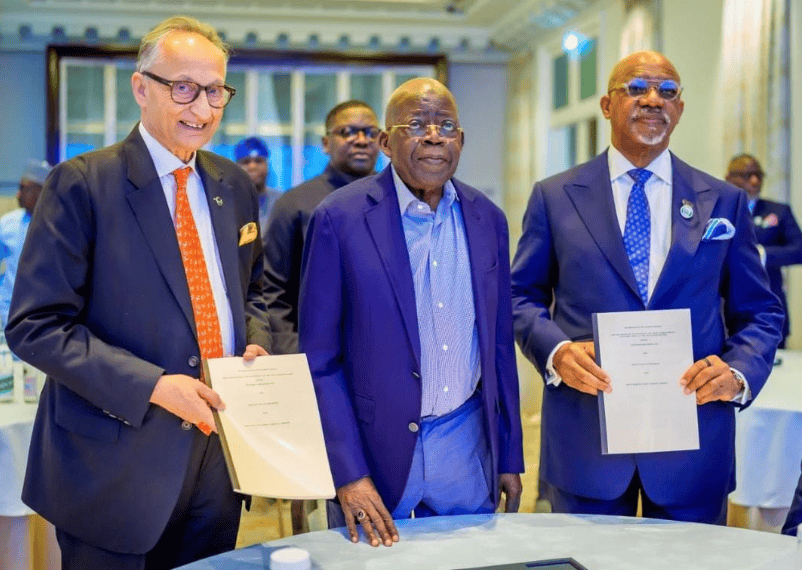
Fahad Al-Banna, CEO of DP World Tartus, said the port development reflects the group's commitment to supporting Syria's economic recovery through the development of commercial infrastructure. Mohamed Shihab, the group's Vice President for Egypt and the Levant, noted that Tartus Port, located on the Mediterranean coast, serves as a strategic gateway connecting Syria to neighboring markets such as Iraq, Jordan, Lebanon, and Turkey.
As planned, additional cargo handling equipment will be installed later this year, with nine more mobile cranes to be added in 2027 and 2028, and a new quay crane to be received in 2028. Quay wall renovation is expected to be completed by the end of 2027, with dredging operations progressing in parallel to deepen the port's waters.
Within Syria's investment landscape, the port and logistics services sector ranks second. Syria has previously signed long-term agreements with DP World, CMA CGM, and Abu Dhabi Ports to develop and operate Tartus Port and Latakia Port. According to data from the Syrian Investment Authority, tourism is also highly anticipated, with the country currently having only about 4,000 hotel rooms against a demand of approximately 25,000. Mohamed Alabbar, founder of Emaar Properties, said real estate continues to attract investor interest, with multi-billion-dollar projects under study in Damascus and Syria's coastal regions.
To attract foreign investment, Syria offers a package of incentives: projects can be fully foreign-owned without a local partner, a "one-stop shop" service streamlines procedures, and legal guarantees protect investments from confiscation or expropriation. The health and agriculture sectors can enjoy tax reductions of up to 100%, the industrial sector around 80%, with industrial tax rates reduced to 10%–15%; imported machinery and equipment are exempt from customs duties and prior approval. According to Al-Hilali, speaking to CNN Business Arabic, Investment Law No. 114 of 2025 allows up to 90% of profits to be transferred abroad, and foreign labor can account for up to 40% of the workforce. The government is also establishing an independent international arbitration system to protect investors and has issued thousands of industrial and commercial licenses.
This investment comes amid external attention on the scale of funding needed for Syria's economic reconstruction. Reconstruction requires developing foundational sectors such as energy, transportation, water resources, communications, airports, and ports, making logistics infrastructure a critical link. The restart of factories, commercial, and residential projects depends on the continuous flow of raw materials, equipment, and goods, with ports being an important component of the economic recovery process. Improved port infrastructure could also help Syria regain part of its role in regional trade flows, especially when land transport connecting the coast, inland areas, and neighboring countries is simultaneously improved.
Tartus is not the only Syrian port drawing attention; Latakia Port has also attracted international investors and operators. DP World is one of the leaders in these developments, with several international and regional companies also participating. An increase in operators could bring competition and improve service efficiency. However, the investment outlook still depends on broader factors, including political and security stability, the legal environment, the economy's ability to attract trade, and the development of trade relations with regional countries.
The Syrian government is attracting foreign capital through the aforementioned incentives, but international investors simultaneously assess market size, profit repatriation capacity, exchange rate risk, infrastructure, security, the banking system, and access to external markets. Logistics services are expected to be among the sectors that quickly benefit from improved economic activity, as trade growth will directly drive demand for transportation, warehousing, ports, and related services. Trade volume between Syria and Turkey has already risen to $3.75 billion, with a target of increasing it to $10 billion in the coming years; if this growth materializes, ports will need greater throughput capacity, which gives the current investment in Tartus forward-looking significance beyond current economic needs.
Related Products

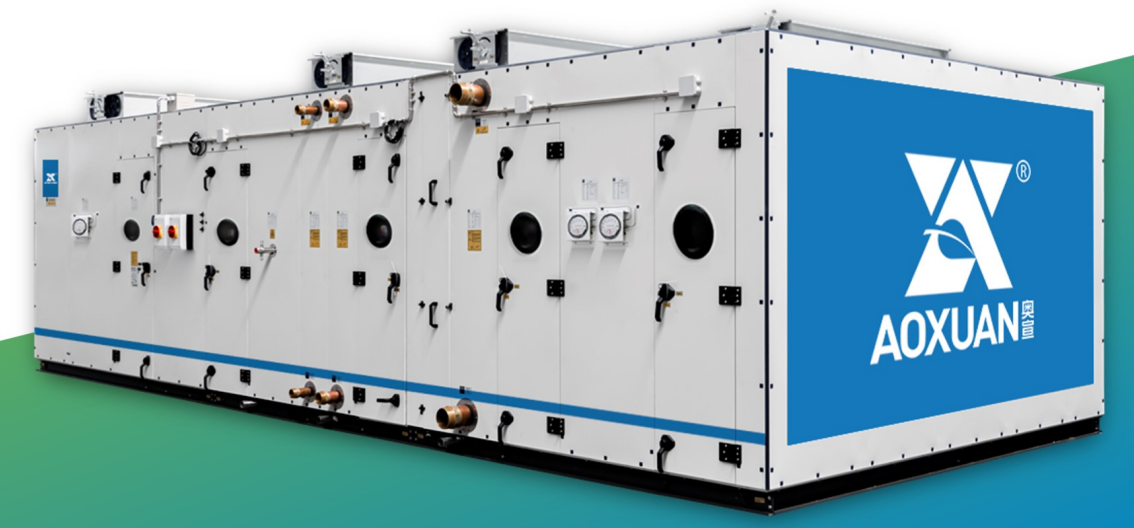
Aoxuan Intelligent Precision Air Conditioning Unit
SHANGHAI AOXUAN PURIFICATION TECHNOLOGY CO., LTD.
CITIC Heavy Industries Tunneling Equipment Tunnel Engineering Shield Machine
CITIC Heavy Industries Co., Ltd.
High-toughness in-Situ Cold Recycling Technology for Original Structural Layers
Central Fortune Creation Technology Group Co., Ltd.

Pure Polyurethane Wall Panel BD-AEF-PIR-01
Baodu International Engineering Technology Co., Ltd.