Iraq Aims to Produce 8-10 Million Barrels of Crude Oil Per Day Within Six Years
en.Wedoany.com Reported - On August 21, Iraq proposed raising its crude oil production capacity to 8-10 million barrels per day within the next six years, while seeking to expand its production quota under the Organization of the Petroleum Exporting Countries (OPEC) framework. Before the outbreak of the Iran-Iraq War, Iraq's daily crude oil production stood at approximately 4 million barrels, and the new target represents more than a doubling of that level.
Iraqi Prime Minister Ali Farid al-Zaidi stated during the eighth Baghdad Dialogue Conference that a delegation led by the Oil Minister and Finance Minister traveled to Saudi Arabia that day to hold consultations on raising Iraq's OPEC quota. Iraq had previously proposed increasing its daily oil production to approximately 7 million barrels over the coming years, and this target range has now been further raised to 8-10 million barrels.
Whether the production target can be achieved depends not only on oilfield investment and production capacity but is also constrained by OPEC quotas. The International Energy Agency previously estimated Iraq's sustainable oil production capacity at approximately 4.9 million barrels per day. OPEC+ has commissioned DeGolyer and MacNaughton to assess the maximum sustainable capacity of member countries, including Iraq, with results expected to be submitted to the OPEC Secretariat by the end of September and used to discuss new production baselines to take effect from 2027.
In recent years, Iraq has been bringing in international oil companies to expand upstream development. BP plans to invest up to $25 billion to redevelop four major oilfields in the Kirkuk region, TotalEnergies is advancing an integrated energy project in Basra with a total investment of approximately $10 billion, and ExxonMobil has signed a development agreement for the Majnoon oilfield. These projects still need to proceed in tandem with storage and transportation facilities, water injection systems, and crude oil export capacity before they can translate into sustained incremental production.
Export routes represent another constraint on the production increase plan. Iraq is expanding crude oil transportation via Turkey's Ceyhan port and studying exports through Syria's Banias port and Jordan's Aqaba port. The Iraq-Turkey oil pipeline currently transports approximately 170,000 barrels per day; a one-year arrangement signed by the two countries in August covers transit capacity of 750,000 barrels per day, while the pipeline system's design capacity is approximately 1.5 million barrels per day.
The proposed Iraq-Syria oil pipeline is currently in the technical and financial study phase, and the documents signed between Iraq and the consortium of companies involved remain memorandums of understanding. Sources participating in the project expect that the new pipeline could take approximately four years to build, require at least $15 billion in investment, and have a planned initial transmission capacity of approximately 2 million barrels per day.
Related Products

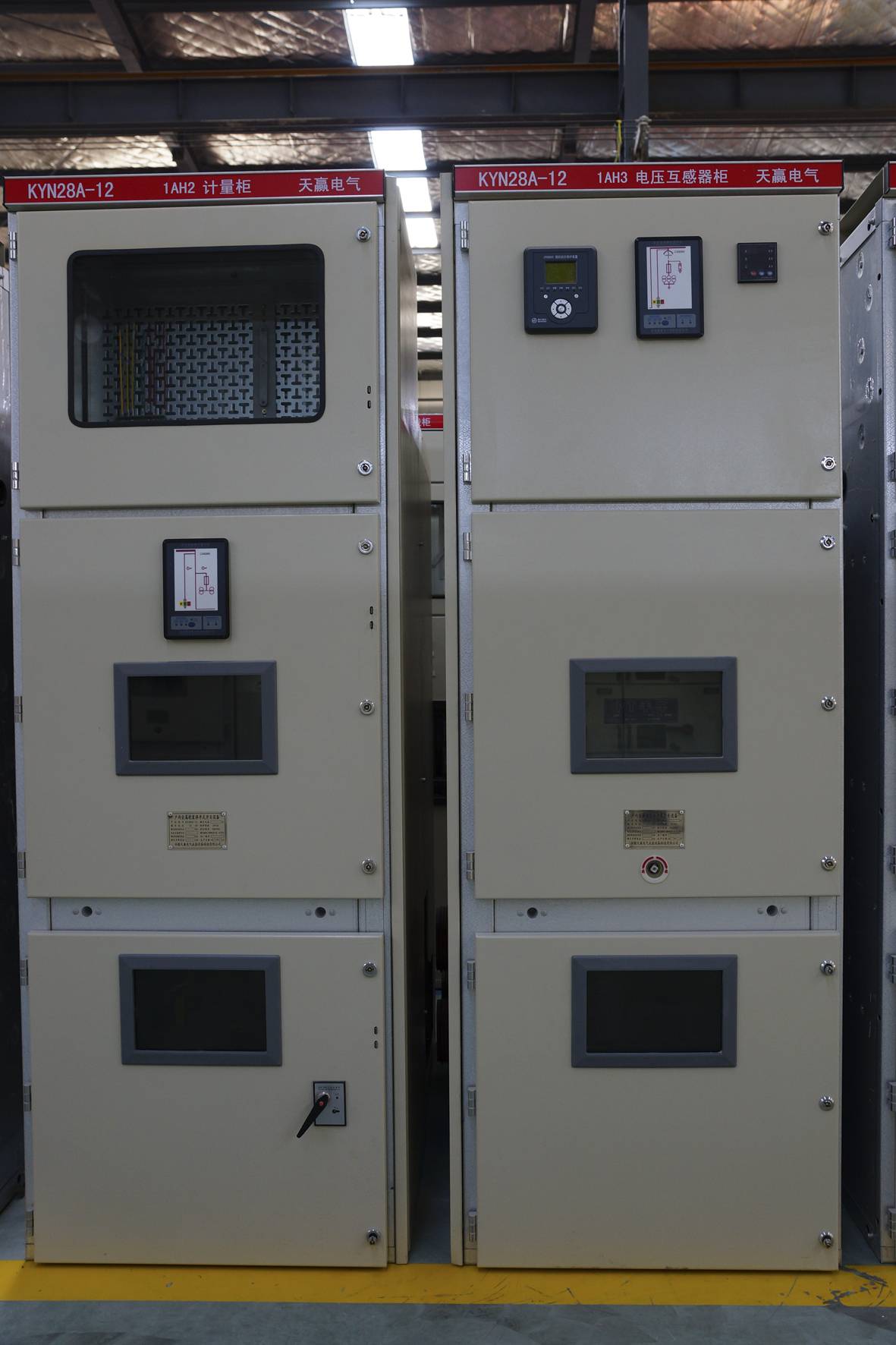
KYN28 - High Voltage Switchgear
Anhui Tianying Electrical Equipment Manufacturing Co., Ltd.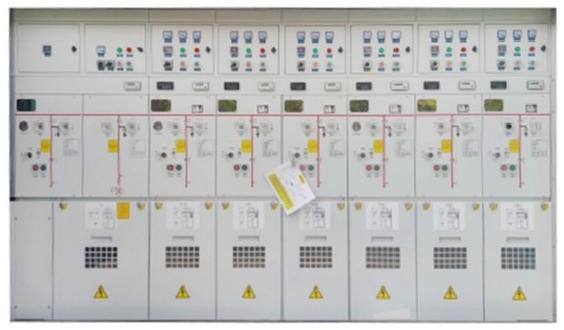
NISELA Series Environmentally Friendly Gas-Insulated Ring Main Unit
XJ DELISHIER ELECTRIC CO., LTD.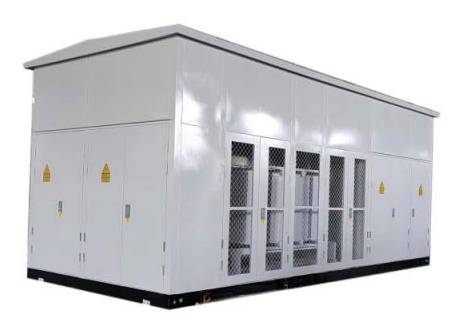

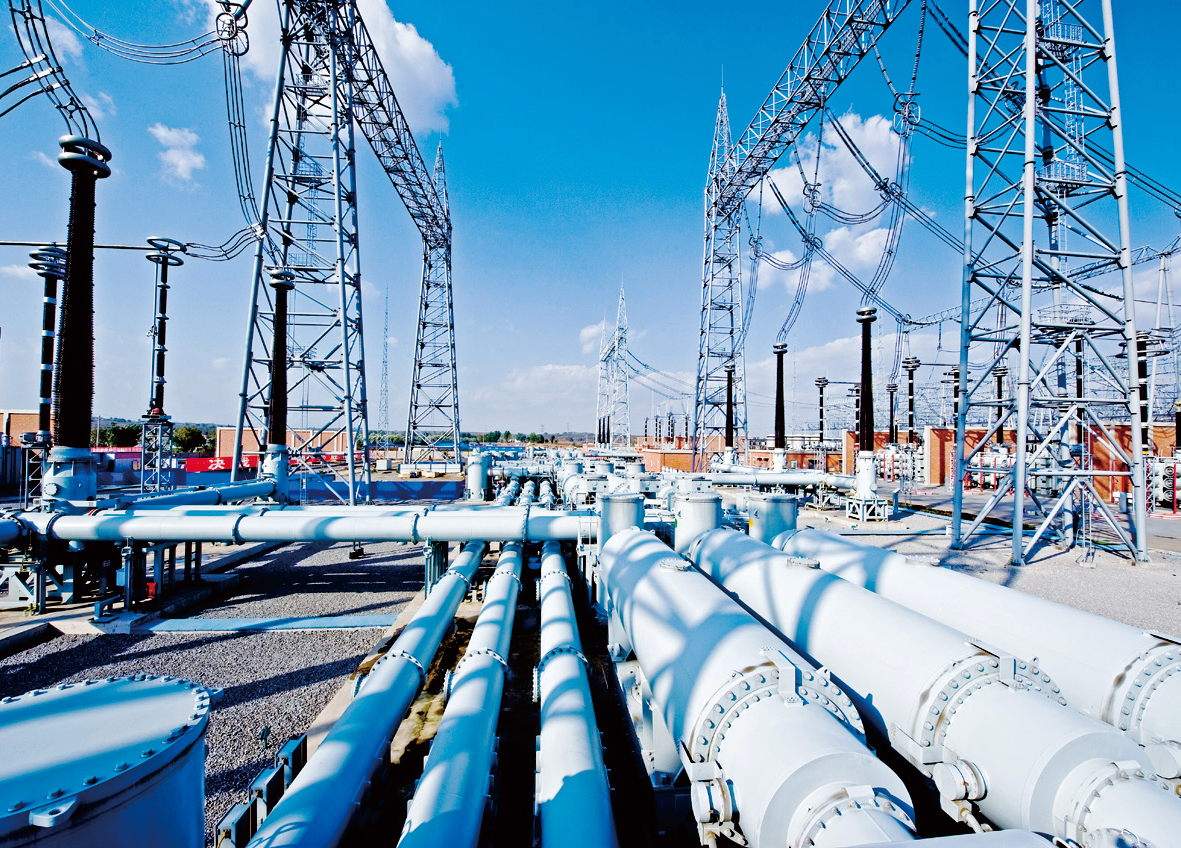
40.5kV-1100kV Gas Insulated Metal-Enclosed Switchgear (GIS)
Henan Pinggao Electric Co., Ltd.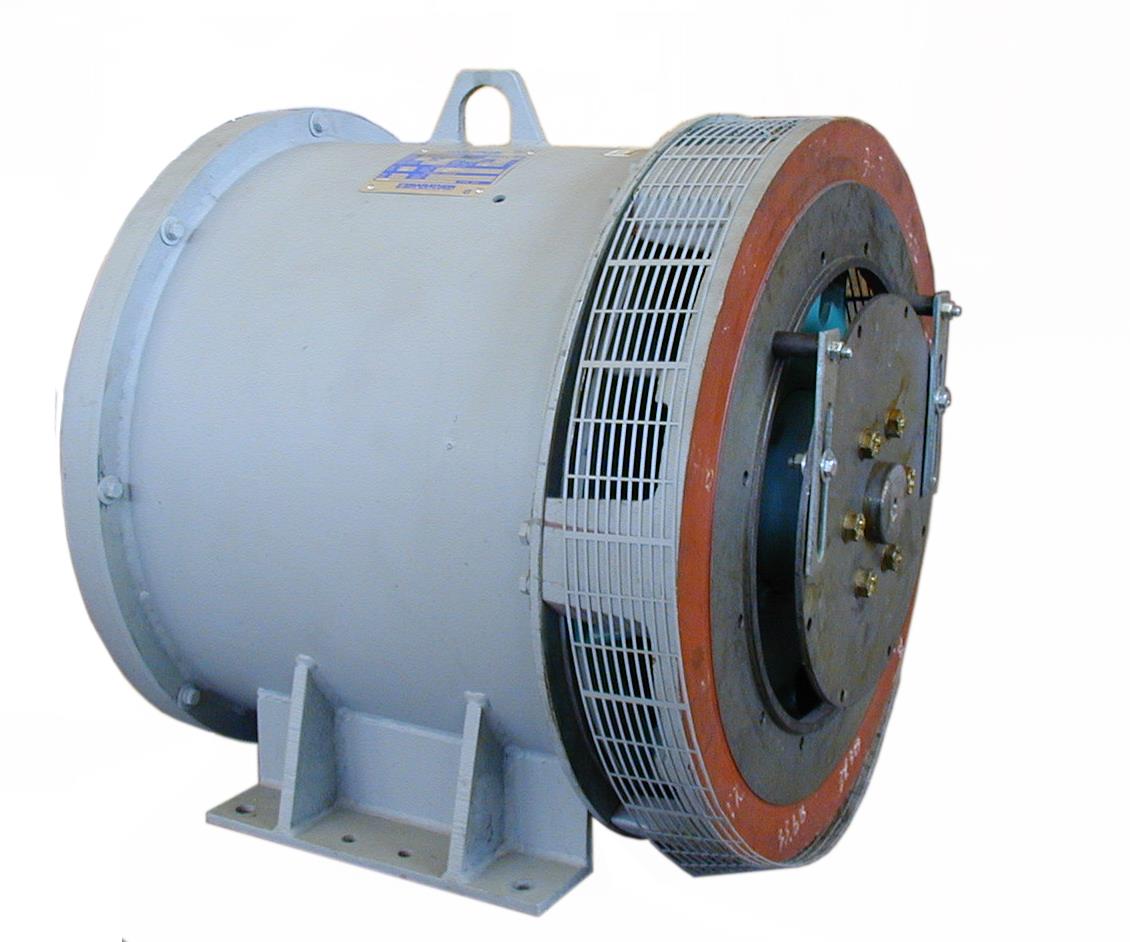
Modular Multifunctional Water Supply and Drainage Vehicle (18T)
Changsha Dewater Machinery Technology Co., Ltd.
Manufacturer Direct Sales Tesla New Energy Electric Vehicle Universal DC 180kW Dual-gun Charging Pile Commercial Fast Charger
Anhui Haidira Electric Technology Co., Ltd.
Hydraulic Turbine Genset
Dongfang Electric Corporation Dongfang Electric Machinery Co., Ltd.