Long March 6C Successfully Launches Seven Satellites in One Mission, GalaxySpace Achieves First Overseas Whole-Satellite In-Orbit Delivery
en.Wedoany.com Reported - At 11:21 Beijing time on August 25, 2026, the Long March 6C Yao-1 carrier rocket lifted off from the Taiyuan Satellite Launch Center, successfully sending seven satellites—including Zhongke Satellite 14, Zhongke Satellite 15, and GalaxySpace Lingzhi 09 Thailand CubeSat—into their predetermined orbits, marking a complete success for the flight test mission.
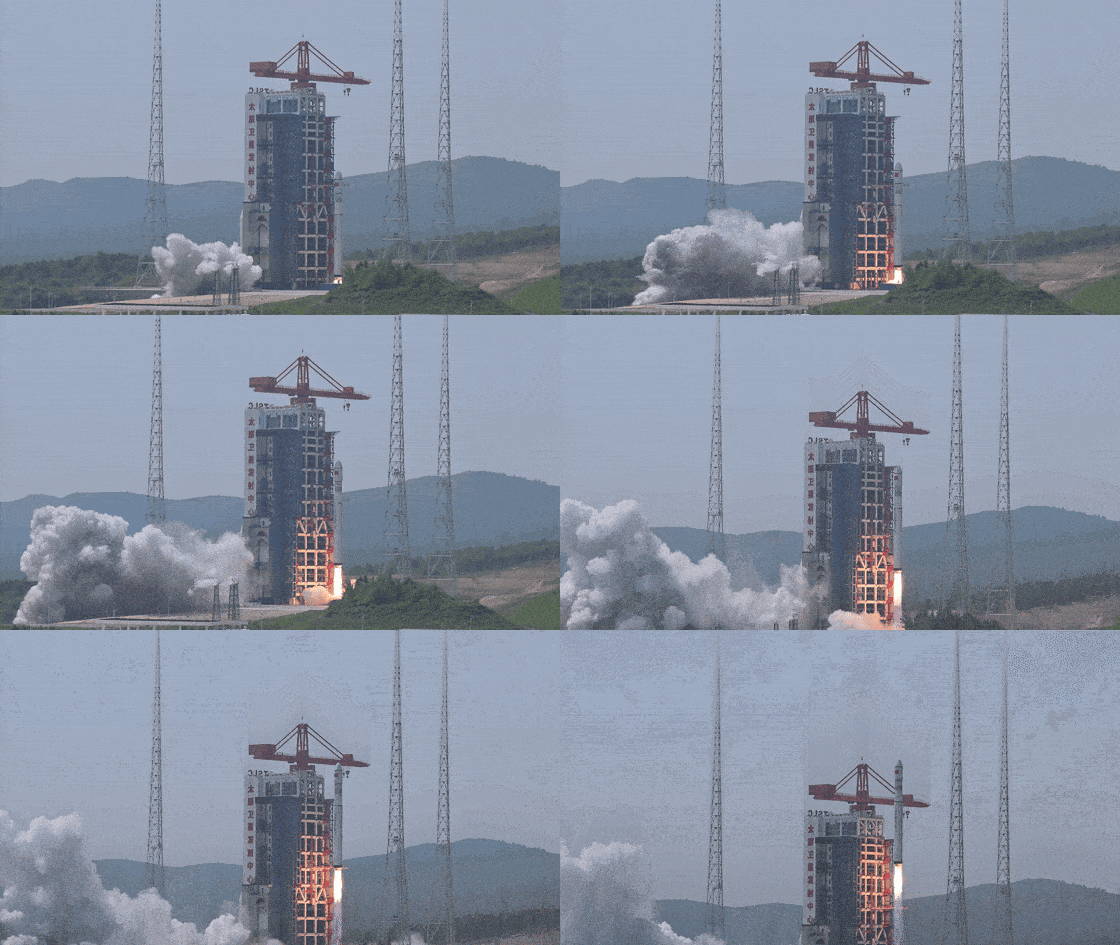
Among them, the GalaxySpace Lingzhi 09 Thailand CubeSat (GISTDA Cube Sat 1) was developed under the overall leadership of GalaxySpace, with the user being Thailand's Geo-Informatics and Space Technology Development Agency (GISTDA). It is primarily used to provide Thailand with surface remote sensing data collection services for land, agriculture, ecology, and other fields, as well as to support Thai universities in practical teaching in satellite design and development, aerospace tracking and control, and remote sensing applications.
This marks the first time a Chinese commercial aerospace satellite company has completed whole-satellite development, launch, and in-orbit delivery for a Southeast Asian country, demonstrating that Chinese commercial aerospace enterprises now possess the full capability to provide integrated solutions covering delivery, operation, and education for overseas clients. Currently, overseas business is becoming one of the new expansion directions for Chinese commercial aerospace companies, and previously, few private enterprises in the commercial aerospace sector had directly engaged in whole-satellite export business.
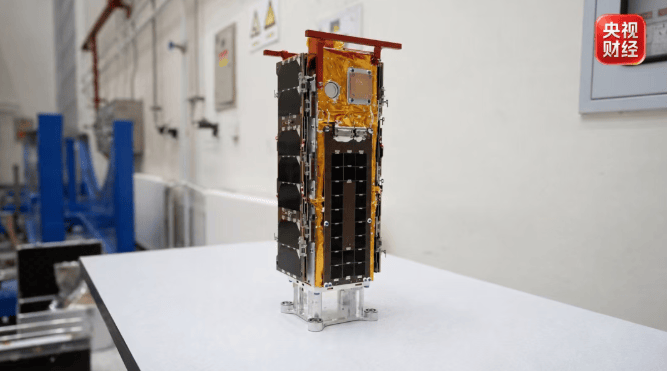
GalaxySpace Lingzhi 09 Thailand CubeSat
Thailand is one of the newly industrialized economies and market economies. In the field of satellite internet, Thailand possesses sound industrial awareness and market foundations, with clear demand and an emerging industrial support system, making it a highly promising market in Southeast Asia. Phee Choosri, Deputy Executive Director for Space Technology at GISTDA (Geo-Informatics and Space Technology Development Agency), stated that this cooperation represents an important practice of international collaboration between China and Thailand in the aerospace sector.
The significance of this satellite extends beyond a technological achievement; it serves as a vital vehicle for talent capacity building, technology research and development, and knowledge exchange. During the project's implementation, both parties shared professional technical expertise and accumulated valuable hands-on experience in the field of satellite development.
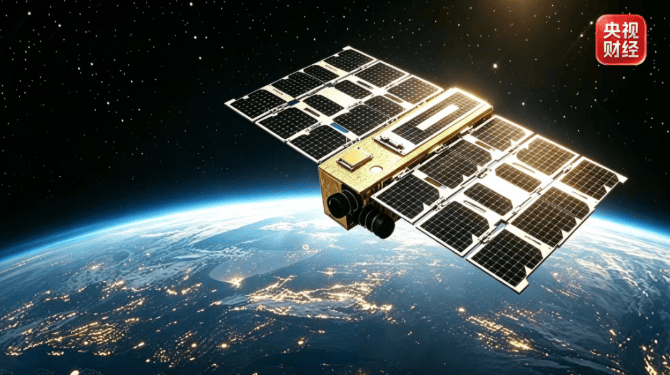
Simulated in-orbit image of the GalaxySpace Lingzhi 09 Thailand CubeSat
Liu Chang, co-founder of GalaxySpace, stated that this cooperation validated the company's full-chain overseas delivery capability and represents a significant breakthrough in its internationalization efforts. In the future, the company will focus on expanding into markets in countries and regions participating in the Belt and Road Initiative, steadily advancing its overseas industrial footprint.
Related Products




Pantograph-Catenary Comprehensive Detection Device (1C)
CHENGDU TANGYUAN ELECTRIC CO., LTD.

Wheel and Track Technology Business
Beijing Research & Design Institute of Rubber Industry Co., Ltd.

ERW Welded Pipe (Black Pipe and Hot-dip Galvanized Steel Pipe)
Handan Zhengda Steel Pipe Co., Ltd.