UK Maritime Trade Operations: Strait of Hormuz vessel traffic down about 90% from pre-conflict levels
en.Wedoany.com Reported - The UK Maritime Trade Operations (UKMTO) assesses that, despite a brief recovery in transits in late June, vessel traffic through the Strait of Hormuz remains far below normal levels: transits detected by the Automatic Identification System (AIS) are down approximately 90% from the pre-conflict baseline, continuing to decline since the peak recorded between June 24 and 26. Tanker traffic continues to dominate transiting vessels, while overall volumes remain suppressed.
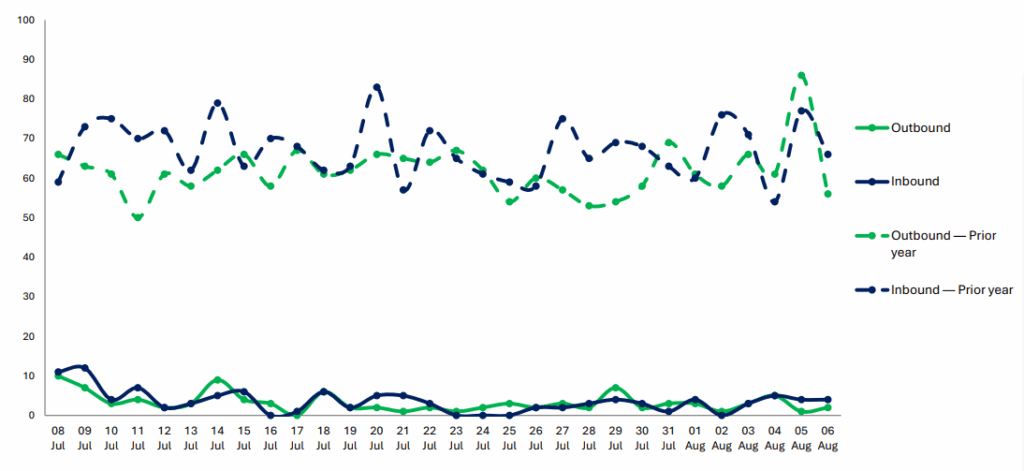
Kpler data shows that four vessels transited the Strait of Hormuz on Sunday, compared with 13 on August 22 and 16 on August 21; figures may vary as some vessels switched off their AIS transponders during transit. On August 20, a Very Large Crude Carrier (VLCC) carrying approximately 2 million barrels of UAE crude oil departed the strait. Within three days, eight additional Very Large Gas Carriers transited the strait, six entering in ballast and two departing laden with liquefied petroleum gas loaded in Iran.
UKMTO notes that the southern Oman route remains the highest-risk corridor. Since July 6, 2026, the agency has reported 16 projectile attack incidents, 14 of which occurred along this route; these attacks have caused damage to bridge, engine room, and hull structures of vessels operating in and around the Strait of Hormuz, with the engine room being the primary damage location (11 incidents), highlighting that attacks may directly affect vessel manoeuvrability and operational continuity. Several vessels abandoned planned transits or diverted northward after being attacked, indicating risk-avoidance behaviour rather than mere route substitution. Operators are increasingly favouring the northern route amid projectile attacks, persistent security concerns, and heightened enforcement activities. US enforcement actions against Iran-linked shipping continue in the Gulf of Oman and the Arabian Gulf, adding further operational uncertainty.
Reports of jamming against the Global Navigation Satellite System (GNSS) remain below the peak levels recorded on March 26, indicating that physical threats are currently more concerning than electronic interference. The Joint Maritime Information Center (JMIC) threat assessment remains elevated: the risk level for the Strait of Hormuz is "SEVERE," while the Gulf of Oman, the Gulf of Aden, and the Bab el-Mandeb Strait are rated "SUBSTANTIAL." The International Maritime Organization (IMO) traffic separation scheme remains suspended, with no indication that normal navigation procedures will resume in the near term.
In the Bab el-Mandeb Strait, Kpler data likewise shows subdued traffic: 24 cargo vessels transited on August 23, down from 32 on August 22.
Related Products




72.5kV 1250A 31.5kA SF6 free Gas-insulated Metal-enclosed Switchgear
Zhejiang Juhonkia Intelligent Electric Co., Ltd.


NISELA Series Environmentally Friendly Gas-Insulated Ring Main Unit
XJ DELISHIER ELECTRIC CO., LTD.
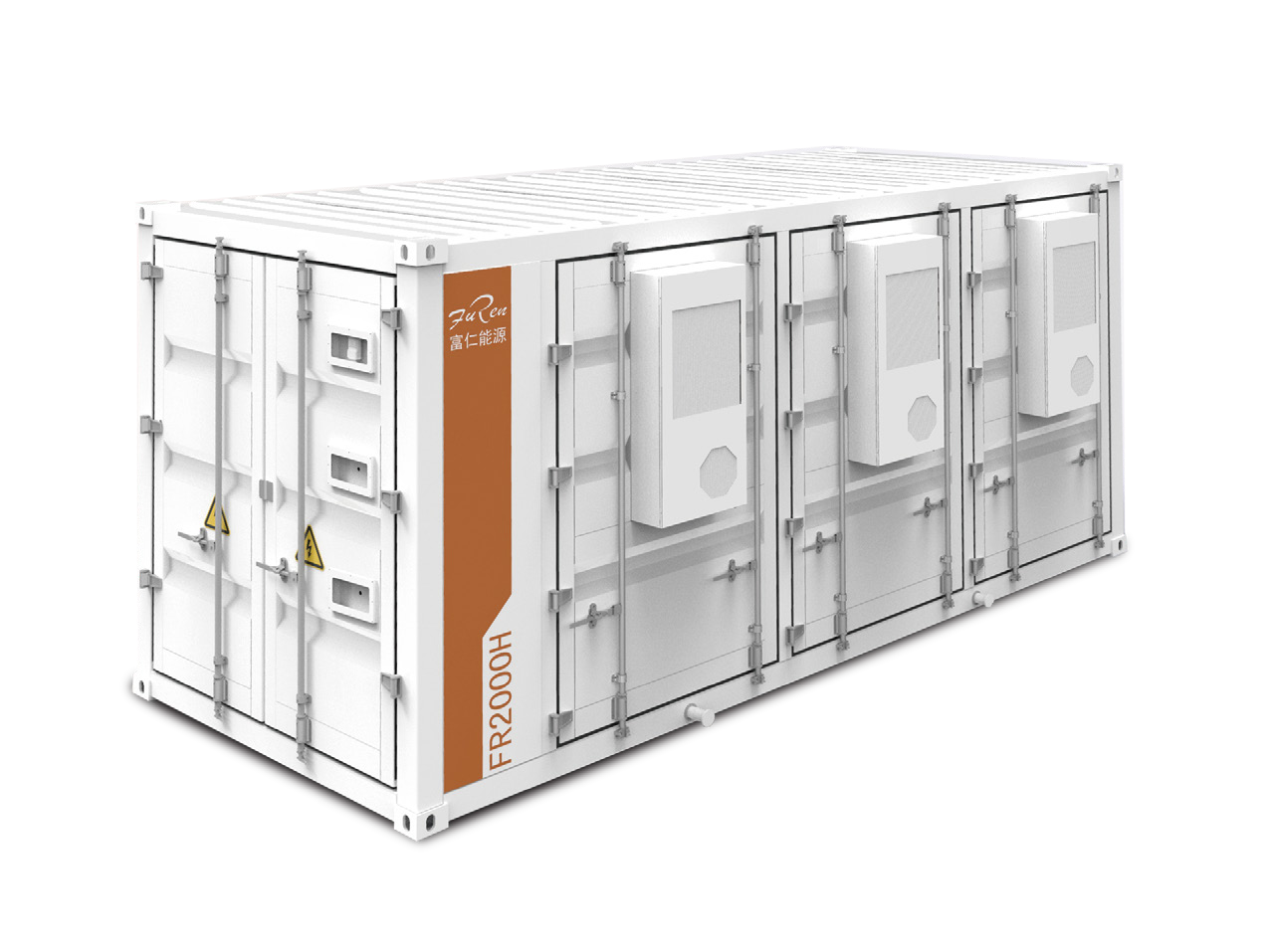
FR2000H 2.15MWh (Air-cooled) 20-foot Containerized Energy Storage System
Jiangyin Furen High-tech Co., Ltd.