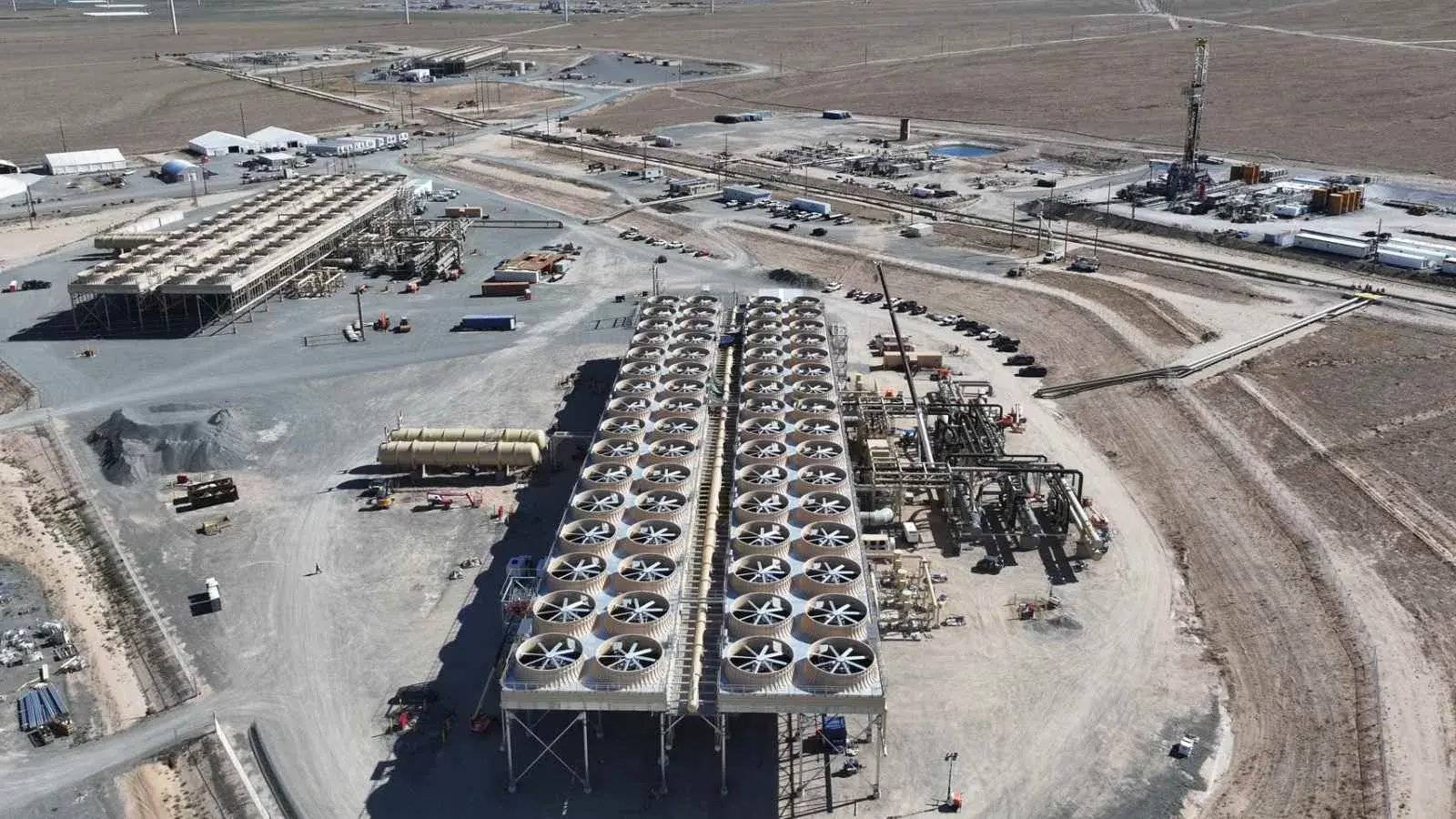
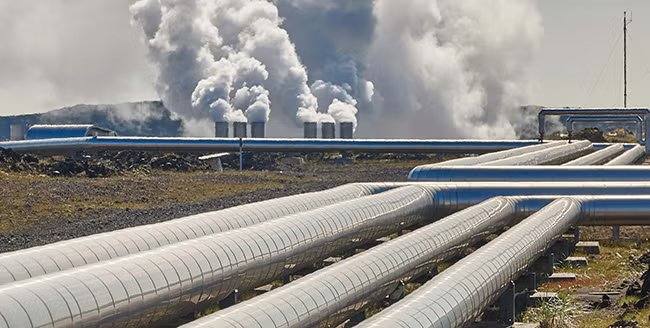
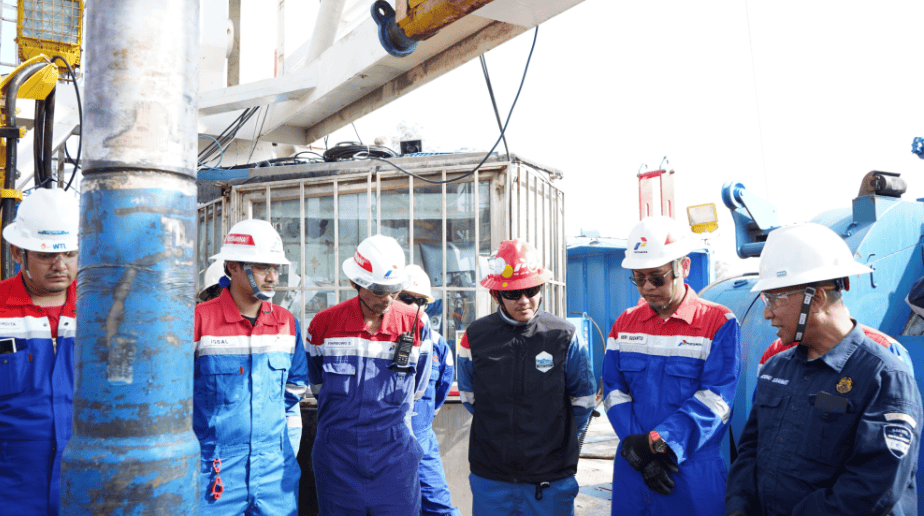
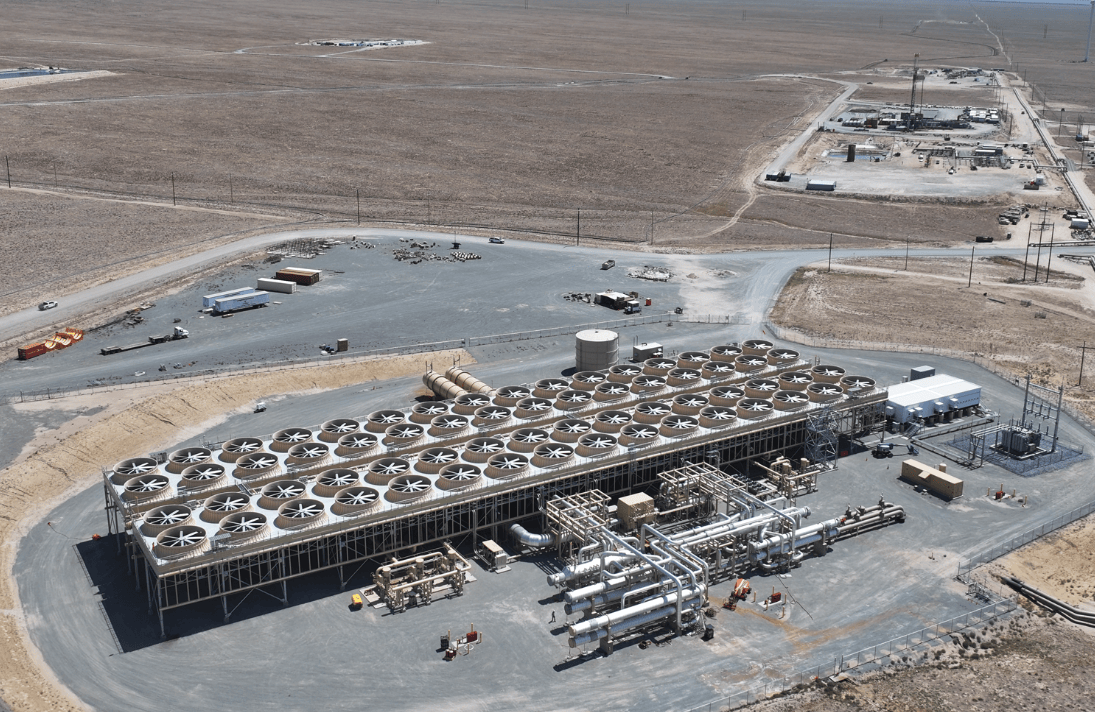
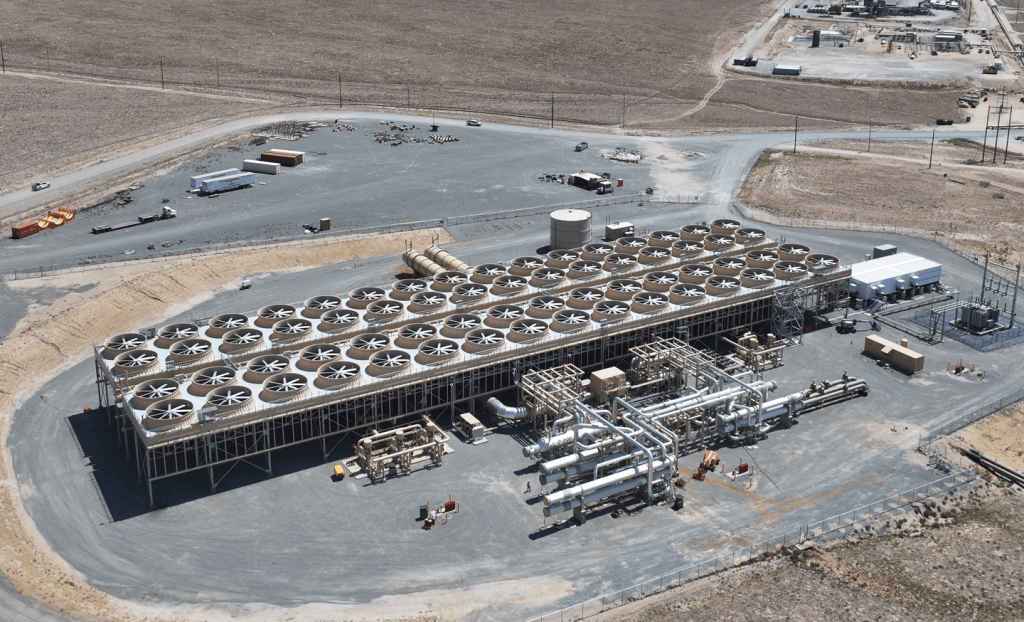
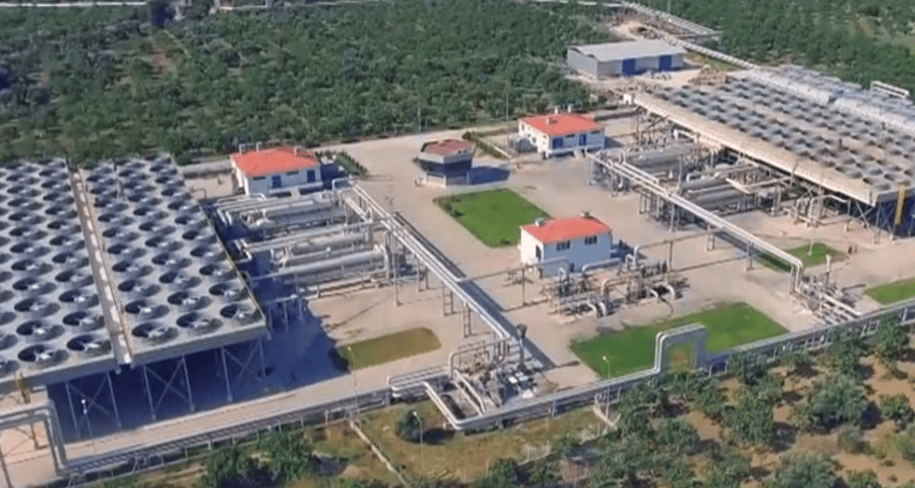
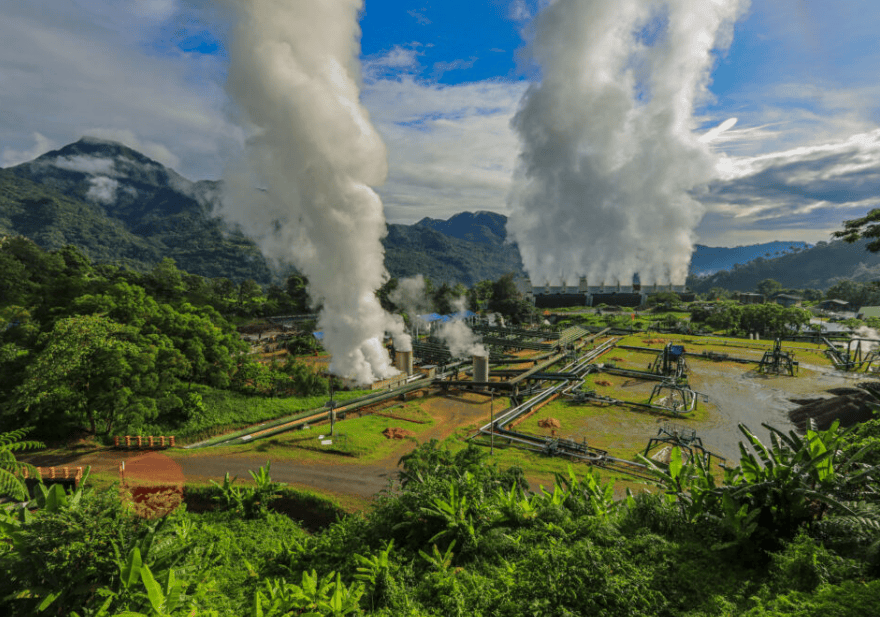
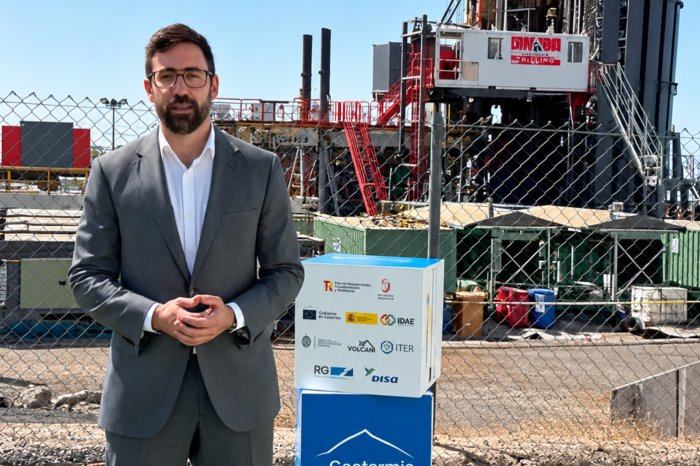
Geothermal well at Changsha Airport in Hunan, China, reaches 3,406.8 meters, setting a new record for mid-deep geothermal energy in southern China
en.Wedoany.com Reported - The green energy project at Changsha Airport, a key project of China's Hunan Province, has achieved phased progress. Its J5 geothermal well has completed drilling, reaching a final depth of 3,406.8 meters, with a measured bottom-hole temperature of 104.2°C, setting two records for mid-deep geothermal drilling depth and temperature in southern China. The J5 well has a borehole diameter of only 21.6 centimeters, with the drill pipe advancing continuously into the rock strata within a hole no wider than a palm.
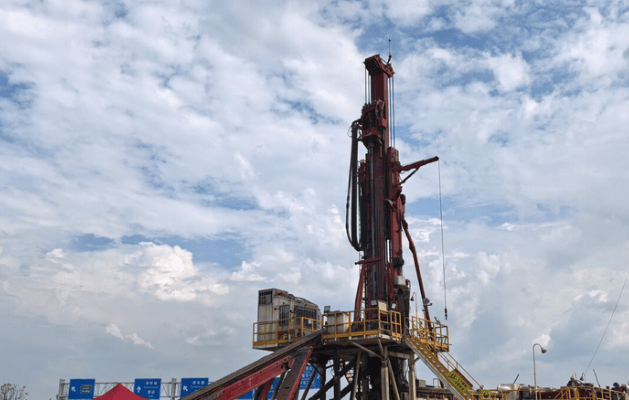
This green energy project is a core supporting facility for Terminal 3 of Changsha Airport, planning the construction of six mid-deep geothermal wells and a distributed photovoltaic power station. It is the first project at a major domestic airport to adopt a multi-energy complementary scheme combining geothermal and photovoltaic power, and also the first in southern China to integrate mid-deep geothermal energy with a large transportation hub. It has been included in the National Development and Reform Commission's demonstration project list for green, low-carbon advanced technologies.
Zhang Xuewen, a senior engineer at Hunan Energy Group Power Sales Co., Ltd., the project contractor, stated that the J5 well, with a completed depth of 3,406.8 meters, is the first mid-deep geothermal well in central-south China to exceed 3,000 meters. The measured bottom-hole temperature of 104.2°C is significantly higher than the 81.6°C of the J3 test well at 2,600 meters, indicating that the geothermal resources in the area can provide stable clean heating for the airport terminal. In terms of technology, the project adopts a coaxial casing closed-loop heat exchange process of "extracting heat without extracting water," which is the first application of its kind in southern China. This process transfers underground thermal energy to the surface through a closed pipeline loop, extracting only heat without drawing groundwater, consuming no groundwater resources, and causing no pollution.
Preliminary estimates show that once all six wells are operational, the total heat extraction capacity can reach 4,391 kilowatts, with an annual heat supply of 6.578 million kilowatt-hours from the geothermal energy station, capable of meeting 35.22% of the heating load of Terminal 3 during the heating season. Combining geothermal energy utilization and photovoltaic power generation, the renewable energy utilization rate of Terminal 3 exceeds 24%, placing it at a leading level among airport terminals nationwide.
Airports are major energy consumers, facing significant pressure for energy conservation and carbon reduction. Geothermal energy is unaffected by weather and seasons, can provide stable output around the clock, and features near-zero carbon emissions. Mid-deep geothermal energy combined with shallow geothermal energy can also provide heating in winter and cooling in summer, and has previously been applied in residential communities in northern China.
Experts from the Hunan Provincial Geological Institute believe that the Changsha Airport green energy project has laid the foundation for understanding regional geothermal geological conditions. Previously, mid-deep geothermal exploration and extraction in southern China was a blank field, and this project has accumulated foundational conditions for it. The project results have passed the review of an expert panel from the Chinese Academy of Engineering, receiving a rating of "Excellent." The expert panel concluded that the project has verified the suitability of mid-deep ground-source heat pump technology in central-south China, with significant potential for promotion.
A representative of Hunan Energy Group revealed that the project will be put into operation simultaneously with Terminal 3 of Changsha Airport. Once mature and stable in later operation, it can promote the large-scale construction of mid-deep geothermal energy technology, covering public buildings such as large transportation hubs, industrial parks, hospitals, and commercial complexes, and can also extend to livelihood sectors such as new urban district development and residential winter heating.
Related Products


Single-Phase Automatic Voltage Regulator(AVR)
Shaanxi Sefon Electrical Equipment Co.,Ltd.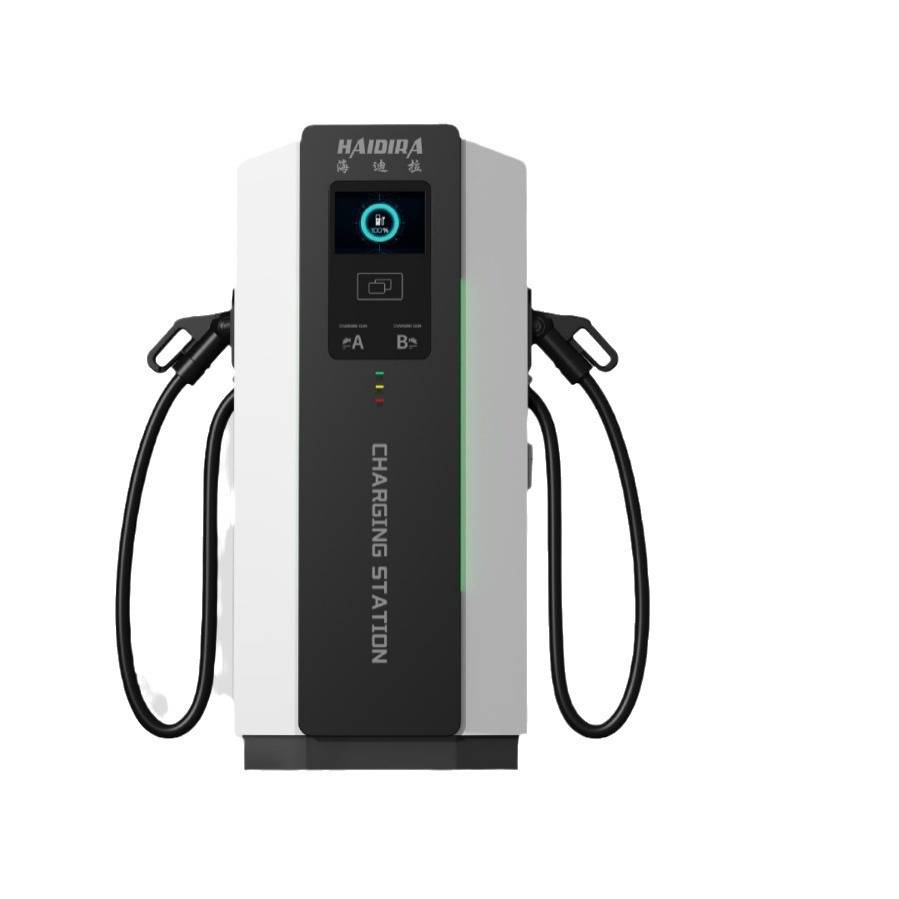
Manufacturer Direct Sales Tesla New Energy Electric Vehicle Universal DC 180kW Dual-gun Charging Pile Commercial Fast Charger
Anhui Haidira Electric Technology Co., Ltd.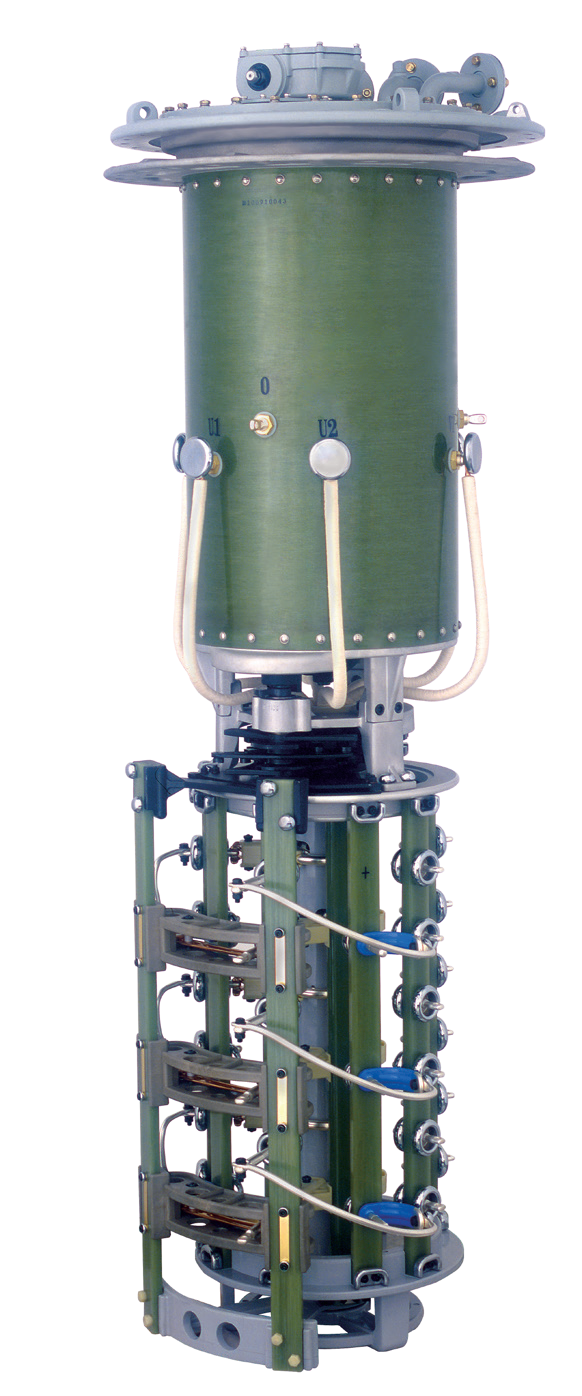
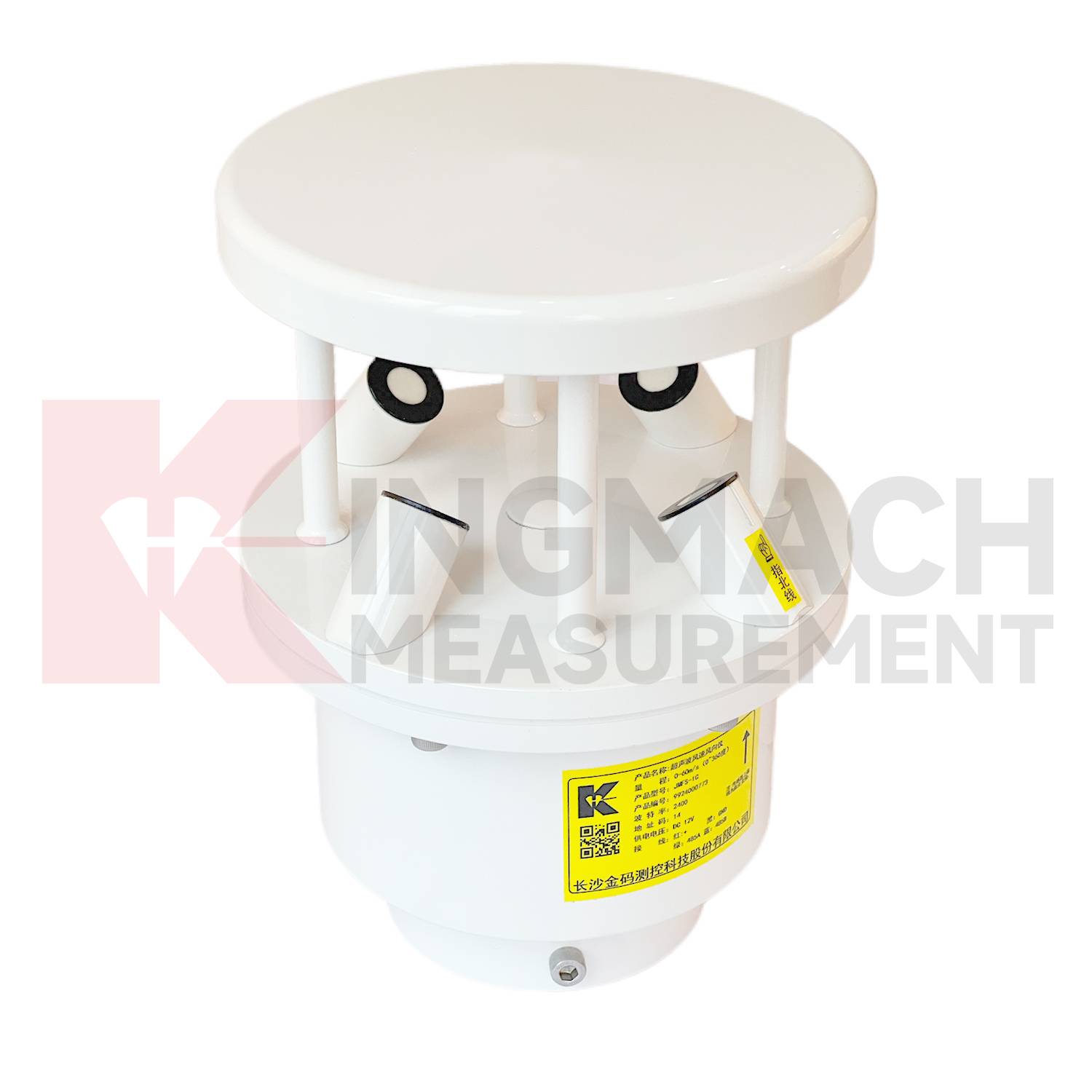
Ultrasonic Wind Speed and Direction Instrument
Kingmach Measurement & Monitoring Technology Co., Ltd.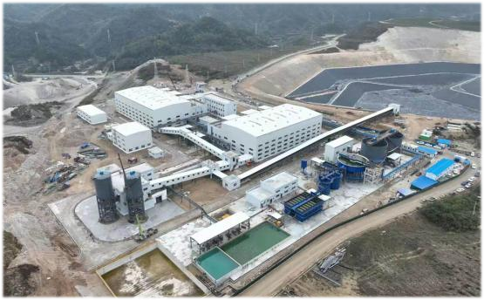
Yingping Mining Section Open-pit Tailings Backfill Treatment of Goaf Ecological Restoration EPC Project
China Bluestar Lehigh Engineering Corporation
714CD Series C-Band Weather Radar
Chengdu Zhongdian Jinjiang Information Industry Co., Ltd.