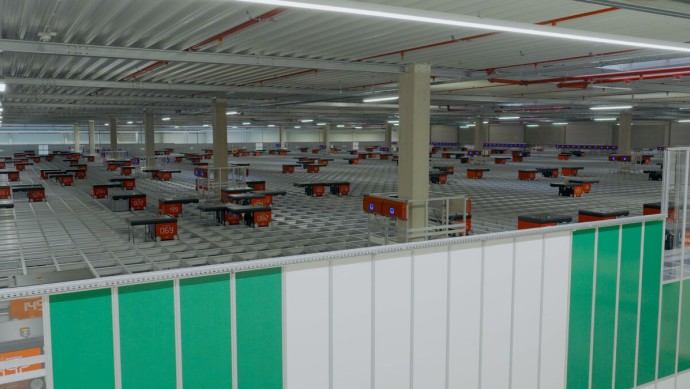
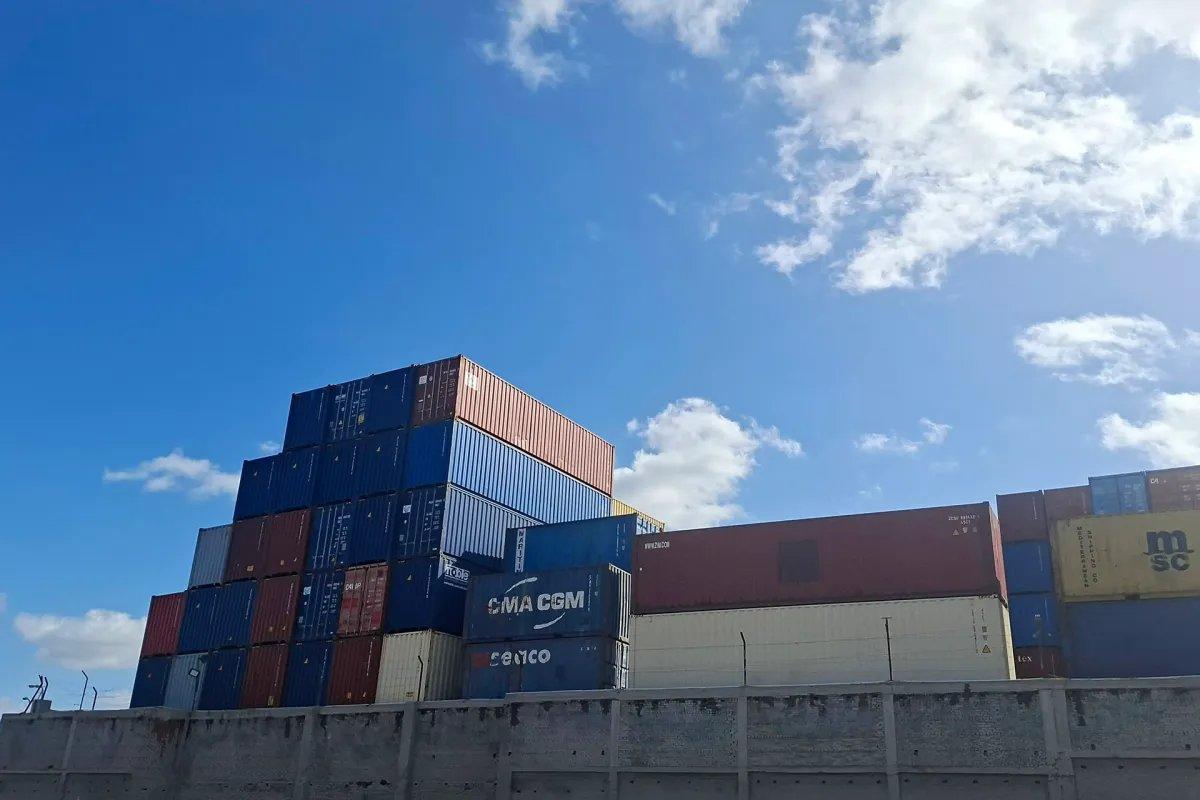
Officials from China's National Development and Reform Commission (NDRC) and the Ministry of Transport Answer Reporter Questions on the Implementation Plan for Logistics Network Construction
en.Wedoany.com Reported - Q: Please introduce the background for the formulation of the Implementation Plan.
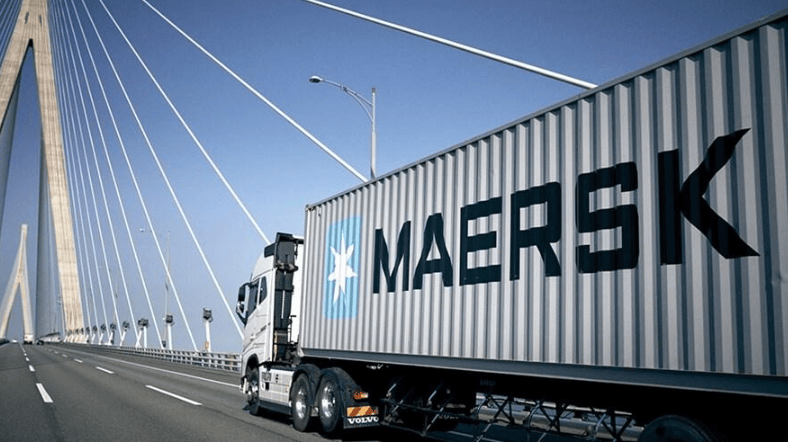
A: The logistics network is organically composed of hub nodes, trunk corridors, equipment and carriers, rules and standards, and information data. It serves as a composite infrastructure system and comprehensive service network supporting the efficient flow of goods and resources across society, and constitutes an important foundation for high-quality economic and social development. In recent years, the NDRC, the Ministry of Transport, and other departments have strengthened planning and policy formulation, reinforced funding and factor guarantees, promoted the construction of major facilities, and accelerated digital-intelligent upgrading and safety enhancement around logistics network construction. At present, China's logistics network construction has already established a solid foundation. At the same time, in light of the requirements for high-quality development, further improvements are still needed in hub networking operations, corridor connectivity capacity, urban-rural facility layout, international logistics support, digital-intelligent and green development levels, and information data sharing and utilization. To implement the decisions and arrangements of the Party Central Committee and the State Council, the NDRC and the Ministry of Transport, together with relevant parties, researched and drafted the Implementation Plan on the basis of in-depth investigation and research and extensive solicitation of opinions. Through systematically optimizing network layout, addressing facility shortcomings, and strengthening technology empowerment, the Plan aims to promote the transformation and upgrading of logistics infrastructure from "point placement and corridor connection" to "chain formation and network integration," better serving the improvement of the quality and efficiency of the real economy and supporting the smooth circulation and high-quality development of the national economy.
Q: What are the overall requirements and main objectives of the Implementation Plan?
A: The Implementation Plan adheres to the guidance of Xi Jinping Thought on Socialism with Chinese Characteristics for a New Era, thoroughly implements the guiding principles of the 20th National Congress of the Communist Party of China and the plenary sessions of the 20th Central Committee, fully and faithfully applies the new development philosophy on all fronts, coordinates development and security, balances the "main arteries" and "micro-circulation," "hard construction" and "soft connectivity," and "domestic circulation" and "international connectivity." It accelerates efforts to address shortcomings, smooth connectivity, and enhance capacity levels, adhering to the principle of optimizing increments and improving existing stock simultaneously, while strengthening technology empowerment and systematic integration. By 2030, significant results will be achieved in logistics network construction, effectively realizing close synergy between hubs and industries, connectivity between corridors and networks both domestically and internationally, green and intelligent facilities and equipment, and full interoperability of rules and information across all domains. This will promote the effective reduction of overall social logistics costs, driving the ratio of total social logistics expenses to gross domestic product (GDP) down to 13.1%, a decrease of 0.8 percentage points from the end of the "14th Five-Year Plan" period, better serving the improvement of the quality and efficiency of the real economy and supporting the smooth circulation and high-quality development of the national economy.
Q: What key tasks are deployed in the Implementation Plan?
A: The Implementation Plan deploys 17 key tasks across seven aspects, focusing on the key links of logistics network construction.
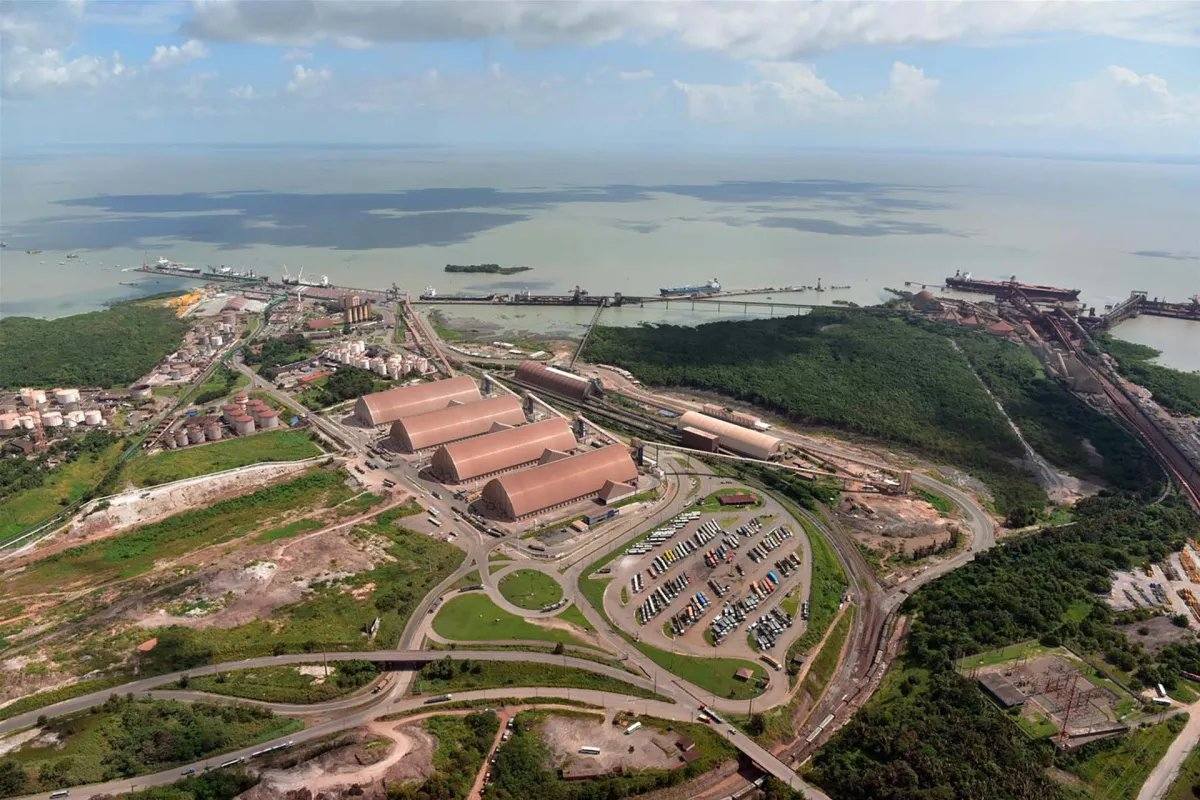
First, advancing logistics hub construction and interconnection, including improving the networking operation quality and efficiency of key logistics hubs and leveraging the radiating and driving role of logistics hubs, promoting the development of hubs from single-point layout to functional networking.
Second, enhancing the carrying capacity of logistics corridors, including improving domestic backbone logistics corridors and refining the multimodal transport and collection and distribution systems, strengthening the connection between different transport modes such as railway, highway, waterway, and aviation.
Third, addressing shortcomings in urban and rural logistics facilities, including enhancing the functions of urban logistics facilities, improving rural logistics facilities, and strengthening warehousing facilities for important goods and emergency logistics facilities, improving the quality and efficiency of urban and rural logistics services.
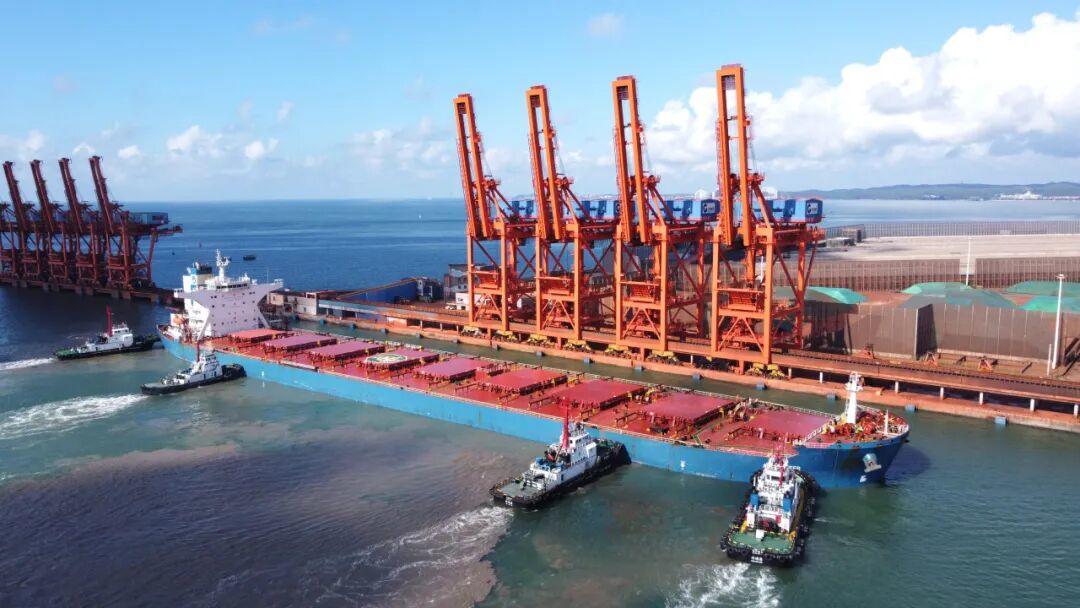
Fourth, densifying the international logistics facility network, including consolidating domestic support for international logistics and strengthening the foundation for international logistics service guarantees, enhancing the capacity for domestic-international logistics integration and connectivity.
Fifth, promoting the digital-intelligent and green development of logistics facilities and equipment, including accelerating the digital-intelligent transformation and upgrading of logistics facilities and equipment, promoting green facilities and equipment, and developing and applying new-type logistics equipment, innovatively leading new quality productive forces in the logistics sector.
Sixth, improving the level of logistics information sharing and utilization, including promoting the standardization and normalization of logistics information, expanding logistics information interconnection, sharing, and openness, and promoting effective alignment between logistics market supply and demand and optimal allocation of social logistics resources.
Seventh, strengthening policy support and guidance, including cultivating and strengthening logistics enterprises, improving the rules and standards system, and optimizing factor supply, optimizing the policy environment for logistics network construction.
Q: What policy support measures are proposed in the Implementation Plan regarding "soft construction"?
A: The Implementation Plan strengthens policy support and guidance for "soft construction" from three aspects: enterprise cultivation, rules and standards, and factor supply.
First, in terms of enterprise cultivation, it cultivates leading transportation and logistics enterprises and comprehensive logistics integrators with international competitiveness, encourages logistics enterprises with resource integration capabilities to play a linking role in logistics network construction through mergers, reorganizations, and strategic cooperation, and guides the integrated and mutually reinforcing development of logistics enterprises with advanced manufacturing, commercial circulation, and other enterprises.
Second, in terms of rules and standards, it strengthens the construction of basic and general technical standards for logistics, accelerates the formulation and revision of standards in important fields such as multimodal transport, hub parks, and digital-intelligent and green development; promotes the alignment and integration of logistics rules and standards and the integration of information data across transport modes and regions; and improves warehouse receipt laws and regulations, expanding the function of warehouse receipts as statutory documents of title.
Third, in terms of factor supply, it coordinates the use of relevant funding channels to support logistics network construction, leverages the guiding role of government funds, and makes full use of various market-based financial instruments to drive active participation of social capital; encourages financial institutions to provide credit funds with reasonable costs and matching maturities for logistics network construction; and incorporates logistics network facility construction projects and spatial layouts into territorial spatial planning in a coordinated manner, positioning them on the "one map," and provides land, water area, airspace, and other factor guarantees in accordance with laws and regulations.
Q: What considerations and arrangements are there for promoting the implementation of the Implementation Plan?
A: To ensure the effective implementation of the Implementation Plan, efforts will focus on three aspects.
First, strengthening overall coordination at the central level. The NDRC will strengthen comprehensive coordination and overall planning, work with relevant departments to dynamically optimize and adjust policy measures, form policy synergy, and simultaneously strengthen coordinated development with water networks, new-type power grids, and next-generation communication networks.
Second, consolidating local responsibilities. All regions should scientifically coordinate project construction and operation, take the lead in promoting logistics networking operations among and within major strategic regions and in key city clusters, strengthen cross-provincial and cross-city logistics collaboration along corridors, promote the deep integration of logistics network construction with comprehensive three-dimensional transportation facility construction, regional industrial layout, and integrated urban-rural development, and promptly monitor the construction and operation of regional logistics networks and coordinate the resolution of relevant issues.
Third, fully leveraging the positive role of the industry. Industry organizations should play an active role in the promotion of logistics standards, statistical monitoring and analysis, and other areas, jointly promoting the achievement of tangible results in logistics network construction.
Related Products





NTE150 Electric Drive Mining Dump Truck
Inner Mongolia North Heavy Industries Group Co., Ltd.

Industrial and Commercial Point-Type Gas Detector
Jinan Benan Technology Development Co., Ltd.



ERW Welded Pipe (Black Pipe and Hot-dip Galvanized Steel Pipe)
Handan Zhengda Steel Pipe Co., Ltd.