India's chemical industry races toward $1 trillion target by 2040
en.Wedoany.com Reported - At the intersection of global supply chain restructuring and energy transition, India is accelerating its efforts to reshape its position on the global chemical map. Recently, India's Union Minister of Chemicals and Fertilizers, J. P. Nadda, chaired a global CEO roundtable on the chemical and petrochemical industry in New Delhi, where he explicitly set the goal of scaling up India's domestic chemical industry to $1 trillion by 2040.
According to official Indian planning, the chemical industry is regarded as a core pillar for achieving the "self-reliant" strategy. Currently, India's chemical industry is valued at approximately $250 billion, accounting for about 3% of the global market share. To reach $1 trillion by 2040, the industry would need to maintain a compound annual growth rate of over 9% and increase its global market share to 10%–12%.
Despite the ambitious vision, India's chemical industry still faces structural challenges, including infrastructure bottlenecks, high financing costs, trade protectionism, and insufficient R&D capabilities. At this roundtable, which brought together executives from over 100 global giants including BASF, Dow Chemical, ExxonMobil, Reliance Industries, and UPL, the business community put forward three core demands:
First, they called for financing and sovereign fund support. The chemical industry is a capital-intensive sector, with upstream projects requiring large investments and long payback periods. It was suggested that, drawing on the models of South Korea and the United States, a national sovereign fund be established specifically to support the introduction and acquisition of key technologies and to provide low-cost financing facilities for large upstream projects. Second, they demanded a combination of trade remedies and fair competition. In the face of global supply chain volatility and potential unfair trade practices, companies urged the government to introduce stronger trade remedy measures while implementing a unified national comprehensive raw material security policy to mitigate the risk of supply disruptions caused by geopolitical conflicts. Third, they called for streamlined approvals and tax incentives for talent. To improve the business environment, the industry recommended the implementation of a "time-bound one-stop approval system" for chemical projects to significantly shorten project lead times; at the same time, drawing on the experience of China, Japan, and the UK, they proposed targeted tax relief policies for overseas high-end chemical talent to address the shortage of senior R&D and management professionals.
To support the trillion-dollar goal, the Indian government has recently rolled out a policy package spanning fiscal measures, tariffs, and industrial planning, signaling a strategic shift from short-term supply security to long-term supply chain strengthening. In terms of infrastructure clustering, the 2026 federal budget explicitly allocated funds to support the construction of three dedicated chemical parks, adopting a "plug-and-play" model that shares environmental, logistics, and emergency facilities to reduce compliance costs for SMEs and enhance intrinsic safety levels. In the flexible use of tariff levers, in response to supply chain crises caused by geopolitical conflicts, India imposed temporary zero tariffs on 40 key petrochemical raw materials from April to July this year to curb domestic inflation and ensure the operation of downstream pharmaceutical and textile industries. Meanwhile, to reduce excessive dependence on imported oil and gas, India's Cabinet has approved a coal chemical support plan worth approximately $4 billion, targeting coal gasification of 75 million tonnes by 2030 to produce fertilizers and plastics. In addition, for critical minerals such as lithium and nickel, the government plans to introduce a Production Linked Incentive (PLI) scheme and exempt tariffs on processing equipment, aiming to seize a foothold in the new energy materials sector.
However, for India's chemical industry to realize its 2040 vision, it still needs to overcome three major hurdles. The first is the inherent deficiency in resource endowment. The second is execution efficiency and policy continuity. From repeated adjustments in BIS certification to the "cliff-edge" expiry of tariff exemptions, policy uncertainty in India remains the biggest concern for foreign investors. The third is the technology gap and talent shortage. India has certain advantages in basic chemicals, but it remains heavily dependent on imports for core technologies in high-end specialty chemicals, electronic chemicals, and catalysts.
Related Products


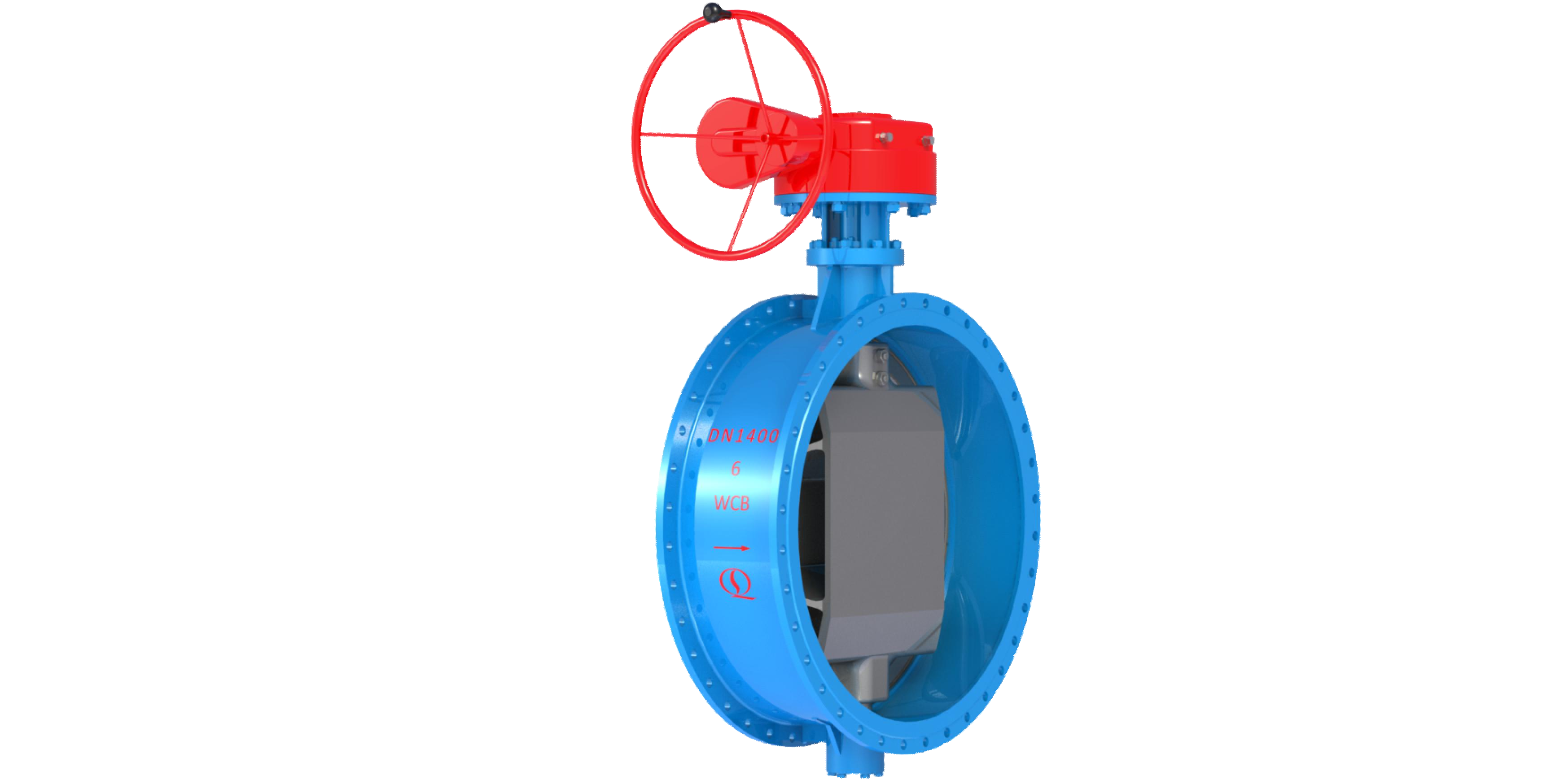
Bidirectional Metal Hard Sealed Seawater Butterfly Valve
Henan Quanshun Flow Control Science & Technology Co., Ltd.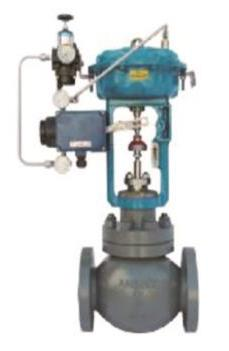
Quick-Change Single-Seat Control Valve / Quick-Change High-Pressure Single-Seat Control Valve
Beijing Consen Automation Technology Co., Ltd.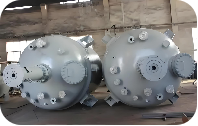
Hongxing Steel Chemical Pressure Vessel Steel Plate
Gansu JISCO Group Hongxing Iron and Steel Co., Ltd.



CAP1400 main feedwater flow nozzle flowmeter.
Jiangsu Hongda Instrument Technology Co., LTD.