Germany's Hiddels Wind Farm Expands to 30 Megawatts, Operational in 2027
en.Wedoany.com Reported - In Germany and the Nordic countries, a new trend is emerging in the onshore wind sector: repowering and lifetime extension are becoming the choice for an increasing number of projects, with new installed capacity tending to be located at sites where turbines already stand. The reason behind this is not a preference for old sites, but rather the growing obstacles to developing new ones.
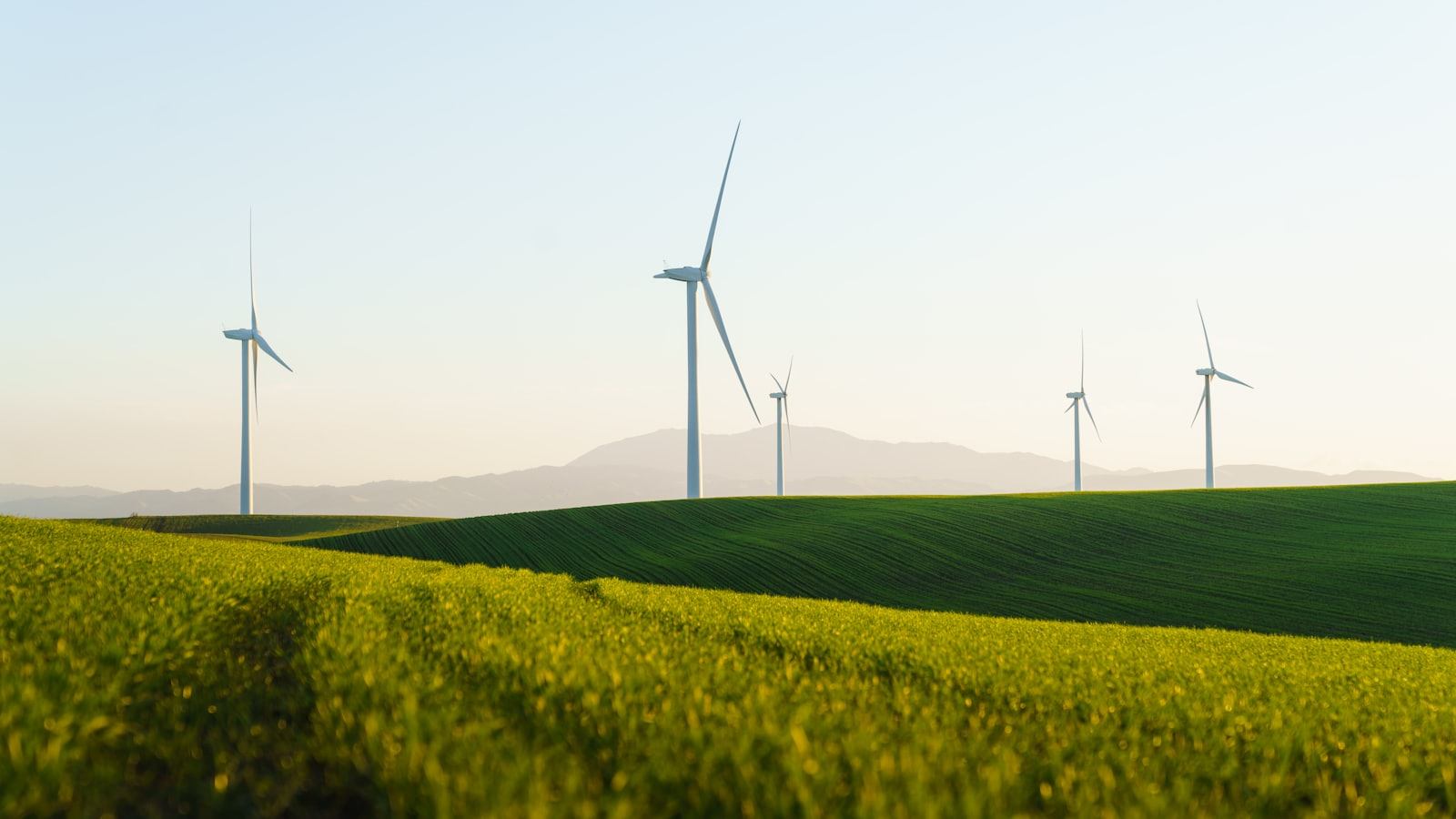
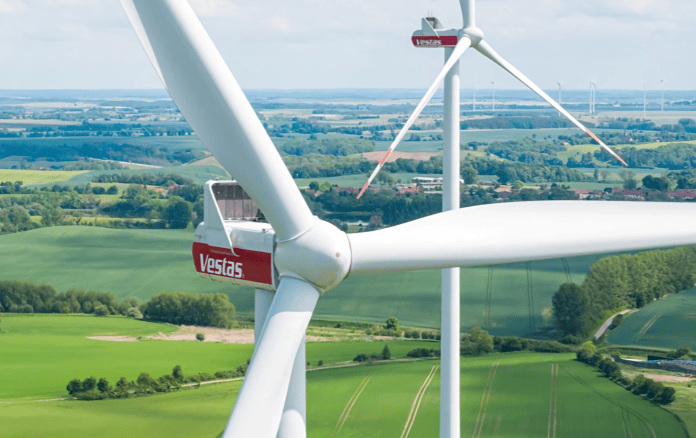
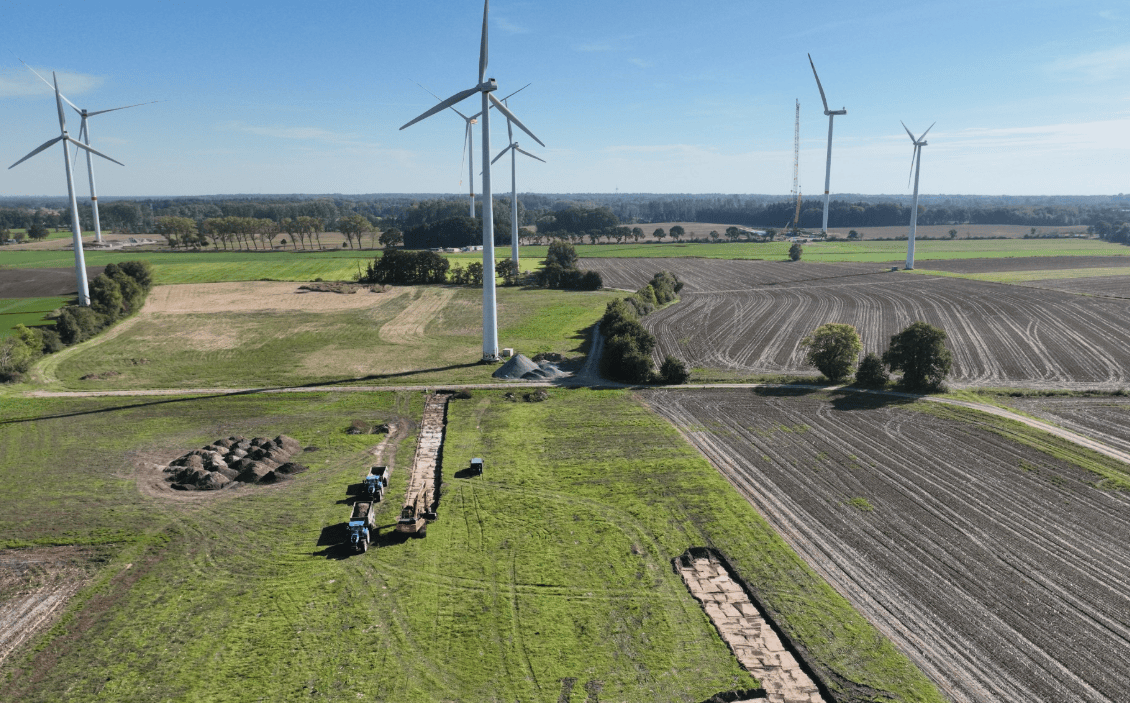
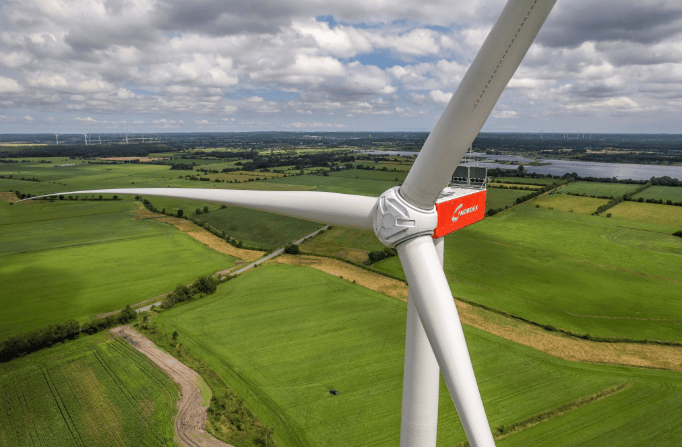
The situation in Lower Saxony is quite representative. ENOVA Power has launched a repowering project at the Hiddels wind farm in the Friesland region, planning to replace eleven old turbines installed between 2000 and 2002—nine Enercon E-66 and two Vestas V66 units—with five Vestas V150 turbines, each with a rated capacity of 6 megawatts. After the upgrade, the site's installed capacity will increase from its previously significantly lower level to 30 megawatts. "We are increasing the site's capacity by a factor of 1.6," said Fabian Tews, project manager at ENOVA. The new turbines are expected to start generating electricity in the second half of 2027, with output sufficient to meet the electricity needs of approximately 20,500 two-person households. ENOVA is also building a dedicated substation to provide the site with an independent grid connection.
The situations in Sweden and Finland reflect a similar logic at the portfolio level. Turbines installed during the accelerated build-out of the 2000s—when Sweden benefited from a technology-neutral electricity certificate scheme and Finland relied in part on feed-in tariffs—are now approaching the end of their 20- to 25-year design life, yet the infrastructure they rely on remains usable: permits, grid connections, foundations, and access roads still hold value. Locus Energy, a portfolio company of the SEB Nordic Energy Fund, is building its strategy around this timing gap, refurbishing or replacing worn components while keeping the site and its grid connection intact. "Repowering allows us to create long-term value from existing wind assets," said Elin Löfblad, portfolio manager at SEB. However, Locus Energy points out that lengthy permitting processes, municipal veto rights in Sweden, increasingly constrained grid connection capacity, and the capital costs of modern installations are structural barriers to greenfield projects, potentially making the per-kilowatt-hour cost of new projects difficult to justify—especially when ready-made infrastructure is close at hand.
New-build projects have not come to a standstill. Nordex has received an order from Westfälisch-Niedersächsische Energie for twelve N175/6.X turbines across three projects in the Höxter district of North Rhine-Westphalia, with a total capacity of 82 megawatts and a hub height of 179 meters. Construction is expected to begin in mid-2027. Additionally, earlier in 2026, the same developer ordered three turbines with a hub height of 199 meters for the Marienmünster-Altenbergen site, marking the first time Nordex has installed units at this height. Delivery lead times reflect the difference between the two routes: with orders placed today, steel will not arrive on site for more than a year; repowering projects at existing sites, by contrast, may see their permitting processes conclude faster than that.
Both routes rely on the same regional supply chain, which is expanding in Poland. Windar Renovables is developing its second tower factory in Poland at CTPark Legnica, leasing nearly 29,000 square meters of industrial space plus nearly 41,000 square meters of yard area. Production is scheduled to start in the fourth quarter of 2026, with an annual capacity of up to 200 onshore towers—corresponding to more than 1,000 megawatts of installed capacity—primarily targeting the Polish and German markets and expected to create around 300 jobs. "Poland is clearly a key logistics hub for supplying wind components to the Central European market," said Pelayo Berjano, CEO of Windar Polska.
Policy frameworks are advancing in step with industrial progress. European Commission Executive Vice-President Teresa Ribera, during a visit to Nordex's Hamburg headquarters, said that accelerating wind deployment is a matter of both climate and security: "Renewables—especially wind—do not get stuck in the Strait of Hormuz." Nordex CEO José Luis Blanco echoed the same view from the manufacturing side, describing wind power as a technology that "reduces Europe's vulnerability to external shocks." What makes the current wave of repowering particularly notable is its predictability: timelines were set 20 to 25 years ago by installation dates and run precisely through the countries around the Baltic Sea—Germany, Sweden, Finland, Denmark, and, on a relatively later cycle, Poland and the Baltic states. Replacement turbines already exist, and manufacturing plants are being added; the industry's current constraints remain the two familiar ones: permitting times and grid capacity.
Related Products
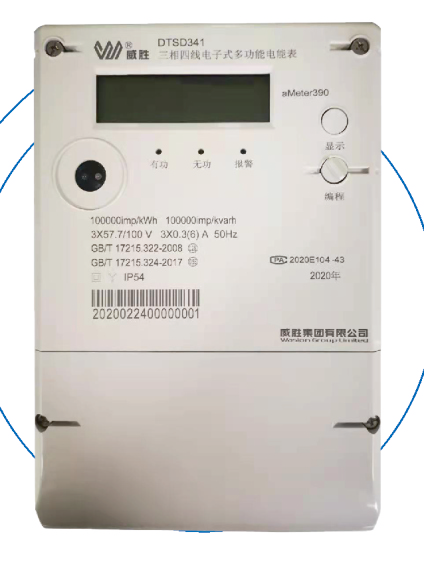

Overseas IEC Gateway Energy Meter - DTSD341/DSSD331-aMeter390
Wasion Group Limited Co., Ltd.
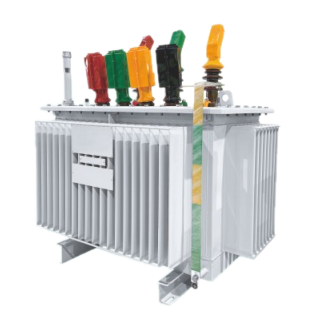
IS(B)□-M·RL Series Oil-immersed 3D Transformer (Planar / 3D Wound Core)
Guangdong Kehua Electric Power Technology Co., Ltd.
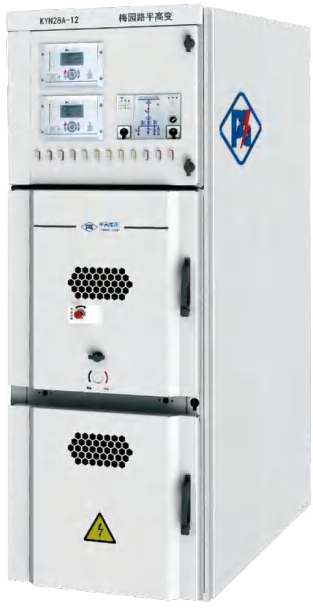
KYN28A-12 Metal Armored Removable Switchgear
Tianjin Ping Gao Intelligent Electric Co., Ltd.

Pneumatic high-pressure wear-resistant ball valve
Zhejiang Deca Control Valve Meter Co., Ltd.
Ultrasonic Wind Speed and Direction Instrument
Kingmach Measurement & Monitoring Technology Co., Ltd.
Rated Voltage 6-35kV Cross-linked Polyethylene Insulated Power Cable
TONGDING INTERCONNECTION INFORMATION CO., LTD.