South Korea Plans to Restructure State-Owned Energy Enterprises, Merging KNOC and KOGAS
en.Wedoany.com Reported - On September 3, the South Korean government reviewed and approved the "Plan for Functional Reform of Public Institutions" at the 11th meeting of the Public Institution Operation Committee, planning to reduce the number of public institutions and related subsidiaries by 109 through strategic structural reform, consolidation of overlapping functions, and mergers of subsidiaries and small institutions. Among these, strategic structural reform involves 15 institutions, consolidation of overlapping functions involves 11, and integration of subsidiaries and small institutions involves 83.
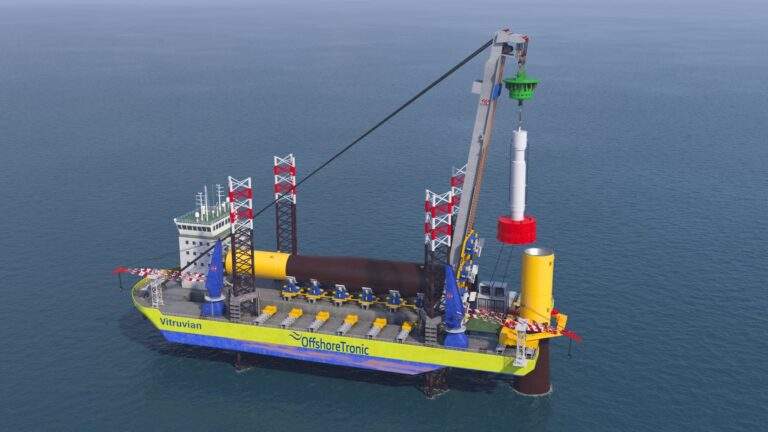
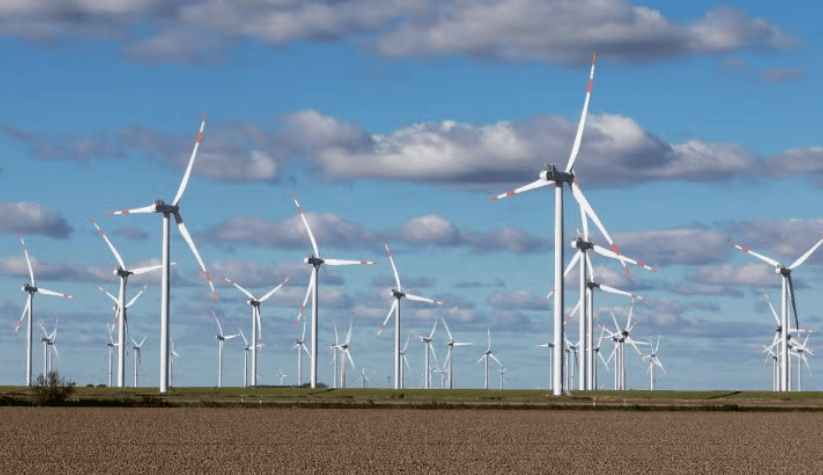
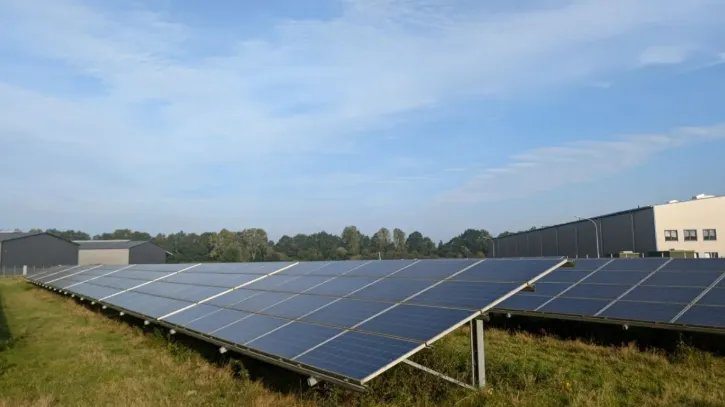
The energy sector is the focus of this adjustment. South Korea's five power generation companies—Namdong Power, Midland Power, Western Power, Southern Power, and East-West Power—will be merged into a single entity tentatively named "Korea Power." The new company plans to establish a renewable energy headquarters responsible for large-scale projects such as offshore wind, as well as a just transition headquarters to manage coal power phase-out efforts; three to four regional renewable energy organizations will also be set up for regional projects such as solar and onshore wind. Fuel and maintenance material procurement will also be unified.
The Korea National Oil Corporation (KNOC) and the Korea Gas Corporation (KOGAS) will be merged to form a company tentatively named "Energy Resources Corporation," unifying oil and gas development, reserves, and supply-demand-related operations. KNOC's oil reserves and some exploration and development functions will be transferred to the new company, while businesses such as improving the distribution structure of gas stations will be handed over to the Korea Petroleum Management Institute.
The Korea Coal Corporation will enter liquidation proceedings. All mines under the company have been closed, and as of the end of 2025, its liabilities amount to approximately 2.59 trillion KRW. Without independent business activities, it incurs interest expenses exceeding 75 billion KRW annually. The South Korean government plans to first determine the funding arrangement for debt resolution, then proceed with liquidation through relevant legislative amendments.
In terms of transportation infrastructure, the four port authorities of Busan, Incheon, Ulsan, and Yeosu-Gwangyang will be merged into an entity tentatively named "Korea Port Authority," with policy and planning functions managed centrally, and the existing four companies reorganized into regional branches. The Korea Railroad Corporation (KORAIL) and SR will also be merged, unifying train operation schedules, ticketing systems, and maintenance and safety management systems.
The South Korean government will have each competent authority formulate specific institutional reform plans and submit them to the Public Institution Operation Committee. Matters involving establishment, merger, and liquidation will also require the enactment or amendment of relevant laws; except for management personnel, employees of the integrated institutions will, in principle, have their employment succeeded, with compensation and benefits maintained before and after the reorganization.
Related Products
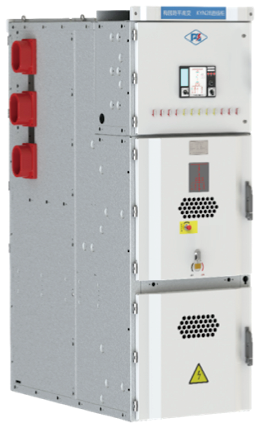

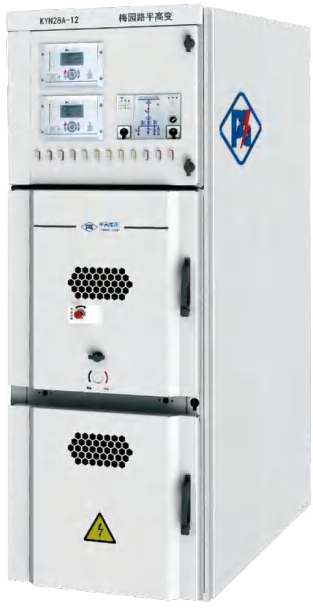
KYN28A-12 Metal Armored Removable Switchgear
Tianjin Ping Gao Intelligent Electric Co., Ltd.
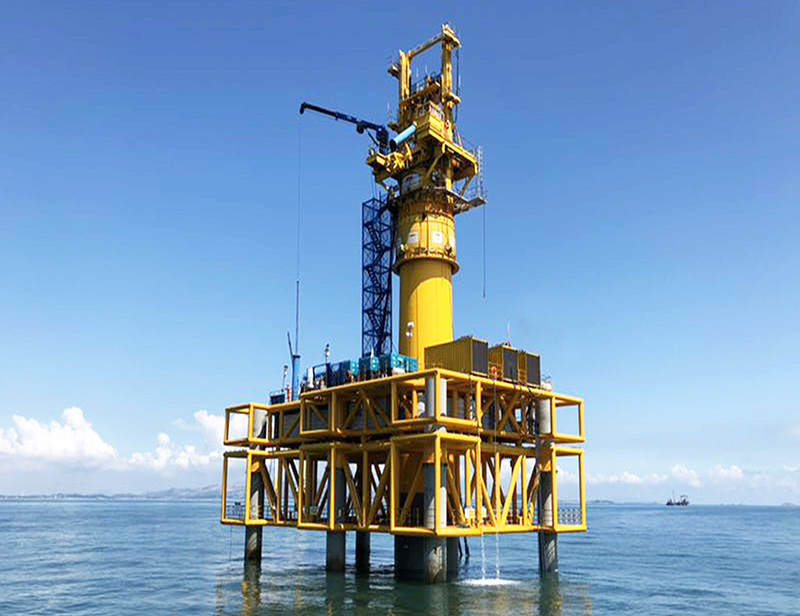
CITIC Heavy Industries Offshore Wind Power Equipment Hydraulic Pile Hammer
CITIC Heavy Industries Co., Ltd.
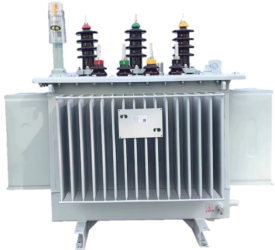
Oil-immersed Amorphous Alloy Core Distribution Transformer
Pinggao Group Smart Electric Co., Ltd.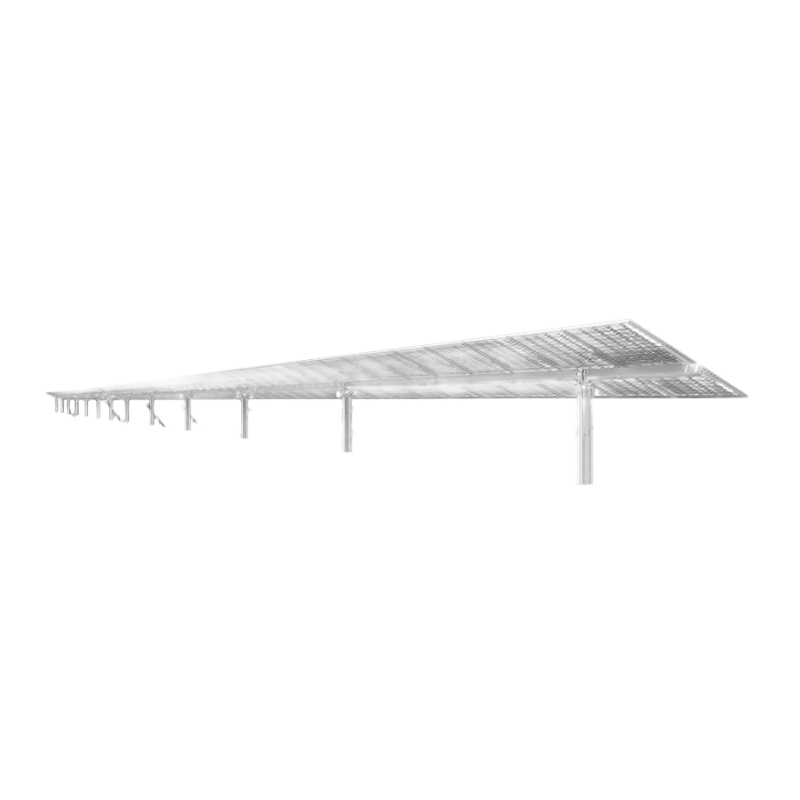
TAI Slew-drive Single-axis Independent 1P Tracking Bracket System
ANTAI TECHNOLOGY CO., LTD.
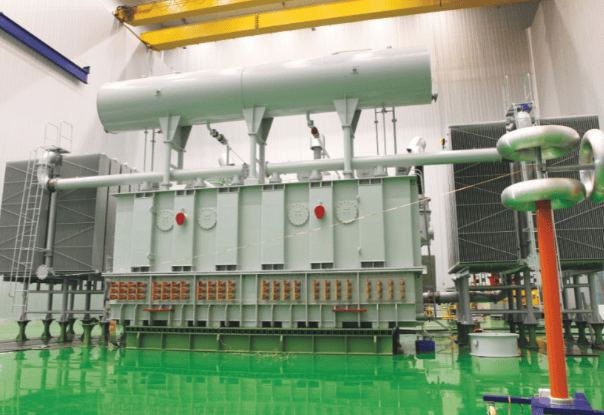
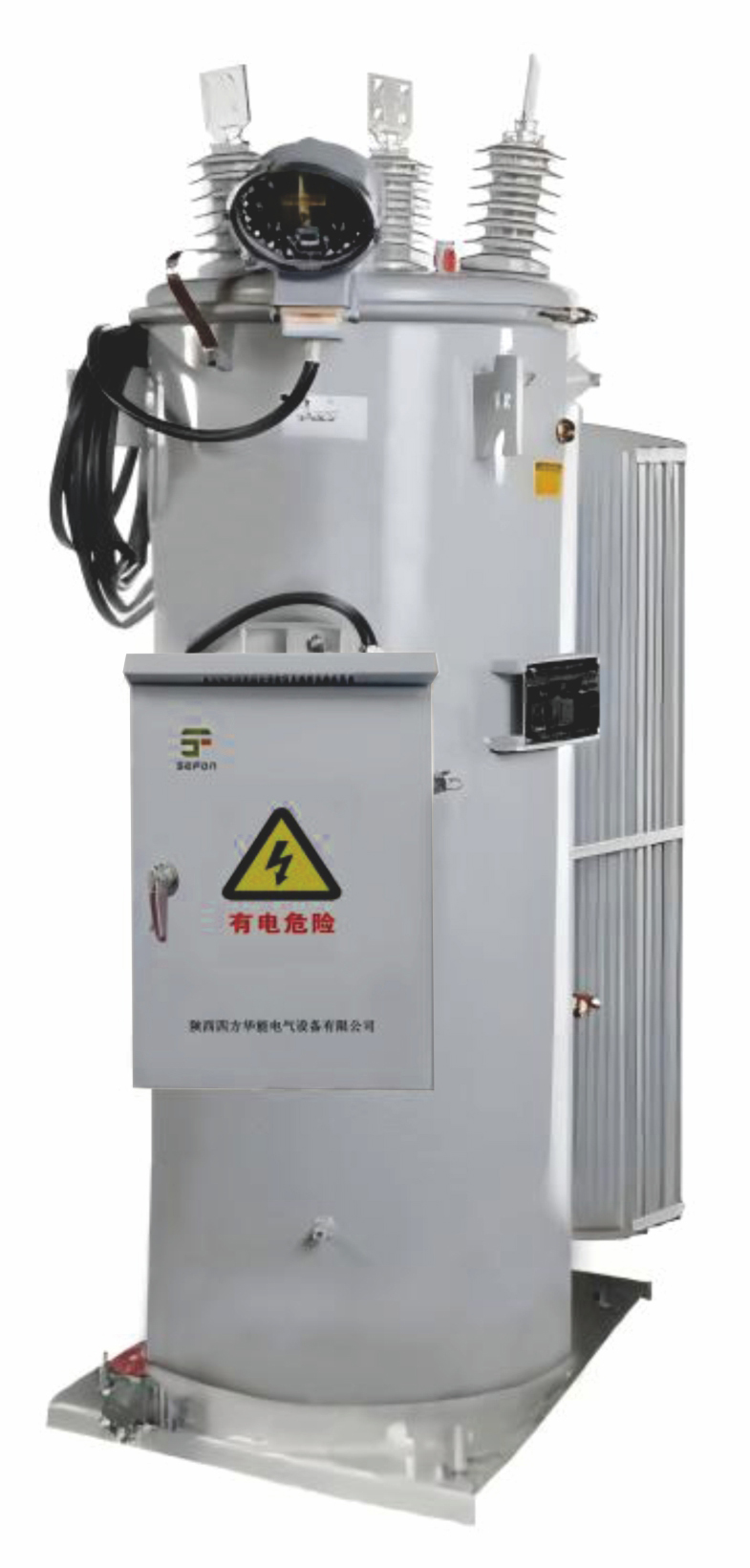
Single-Phase Automatic Voltage Regulator(AVR)
Shaanxi Sefon Electrical Equipment Co.,Ltd.