UNSW receives $64.8 million for 12 solar projects
en.Wedoany.com Reported - The Australian Renewable Energy Agency (ARENA) has allocated $64.8 million to the University of New South Wales (UNSW) for 12 separate solar projects, as part of a total $105.6 million investment in ultra low-cost solar research. This marks the largest single investment the university has received in photovoltaic research to date.
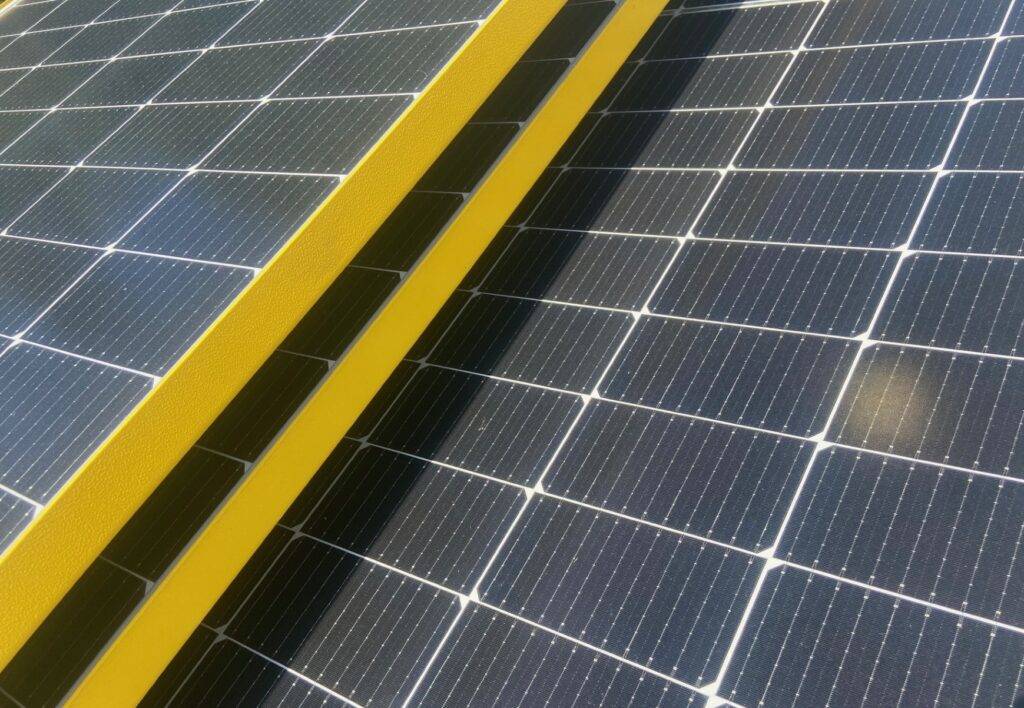
Of the approved projects, 11 will be undertaken by the university's School of Photovoltaic and Renewable Energy Engineering, and one by the School of Chemistry. Professor Bronwyn Fox, Deputy Vice-Chancellor (Research & Enterprise), said UNSW has been a leader in solar research since pioneering high-efficiency silicon solar cells 50 years ago. She said working with ARENA on these 12 projects will further consolidate this strength and drive the development of more affordable solar technology.
1. Low-temperature interconnection technology for advanced solar modules. Led by Professor Brett Hallam, this project has received $5.4 million in funding to make solar modules more sustainable by reducing the use of bismuth and silver in manufacturing and lowering the temperatures required for production.
2. Improving the efficiency and durability of silicon solar modules. Professor Timothy Schmidt and collaborators have received $7.1 million to develop two technologies to improve silicon solar modules: one for converting ultraviolet (UV) light, and another for mitigating damage caused by UV exposure to solar cells.
3. Testing next-generation solar modules under real-world conditions. Dr Jessica Yajie Jiang has received $5.6 million to conduct field testing of perovskite and tandem solar modules from different manufacturers under outdoor conditions, combining laboratory testing and accelerated aging tests to track module performance and identify degradation causes, while comparing field results with laboratory findings.
4. Improving the durability of solar modules under Australian conditions. Professor Bram Hoex and collaborators have received $6.5 million to establish a framework for testing and validating the reliability of solar modules. The project combines laboratory testing, outdoor trials across different Australian climate zones, advanced diagnostics, and modelling to determine how and why modules degrade, and how long they are likely to last.
5. Improving the efficiency and reliability of perovskite-silicon solar modules. Scientia Professor Xiaojing Hao has received $6.3 million to develop and test solar cells and modules combining perovskite and silicon with her collaborators. Using UNSW technology, the two components can be manufactured separately before being combined. The project will improve materials and manufacturing processes, test module reliability in the laboratory and outdoors, and conduct larger-scale pilot production with industry partners.
6. Improving tandem solar modules using artificial intelligence and advanced manufacturing. Professor Ziv Hameiri has received $5.1 million, with the goal of developing larger-format tandem solar modules capable of converting more than 30% of sunlight into electricity. The project will leverage machine learning and advanced manufacturing techniques to improve reliability, reduce production costs, detect issues earlier, and support manufacturers in optimising production processes.
7. Developing more efficient and cost-effective tandem solar cells. Dr Kaiwen Sun has received $6.3 million to develop solar cells combining chalcogenide and silicon materials, aiming to improve efficiency, reduce costs, and advance next-generation solar modules capable of converting up to 30% of sunlight into electricity.
8. Using artificial intelligence to discover new solar materials. Dr Ning Song has received $5.2 million to use artificial intelligence and modelling to find new materials for next-generation silicon tandem solar cells. Through an AI-driven discovery platform, the project supports the development of solar modules achieving 30% efficiency.
9. Developing new materials to improve silicon solar cell efficiency. Associate Professor Murad Jehangir Yusuf Tayebjee has received $5.1 million to develop new organic layers to improve silicon solar cell efficiency and reduce manufacturing costs. These materials are compatible with existing production methods, making them easy for manufacturers to adopt. The project can support subsequent commercialisation through licensing, material supply, and collaboration with solar manufacturers.
10. Site-specific design of solar modules to reduce costs. Professor Brett Hallam's other project in this funding round has received $4.4 million to tailor module designs to the conditions of individual solar farms, improving performance, adding value to large-scale solar projects, and reducing the cost of electricity generation.
11. Using artificial intelligence to improve solar farm operations. Professor Ziv Hameiri's other project has received $4.7 million to develop a digital platform that helps solar farms predict failures, manage risks, and reduce operating costs. The project will support more efficient maintenance and help Australia build expertise in using AI and machine learning to manage large-scale solar farms.
12. Using daylight imaging to detect solar module issues. Professor Thorsten Trupke has received $3.1 million to develop faster inspection methods using daylight imaging to assess the quality and condition of solar modules. The technology can help operators identify defects arising from manufacturing or transportation, providing a basis for warranty claims and better-informed maintenance decisions.
Professor Julien Epps, Dean of UNSW's Faculty of Engineering, said this funding will enable some of the world's leading photovoltaic experts to work with industry on innovative research and development, which is critical to the energy transition and mitigating climate change.
Related Products
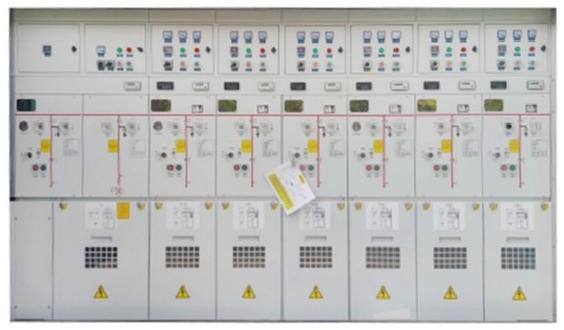

NISELA Series Environmentally Friendly Gas-Insulated Ring Main Unit
XJ DELISHIER ELECTRIC CO., LTD.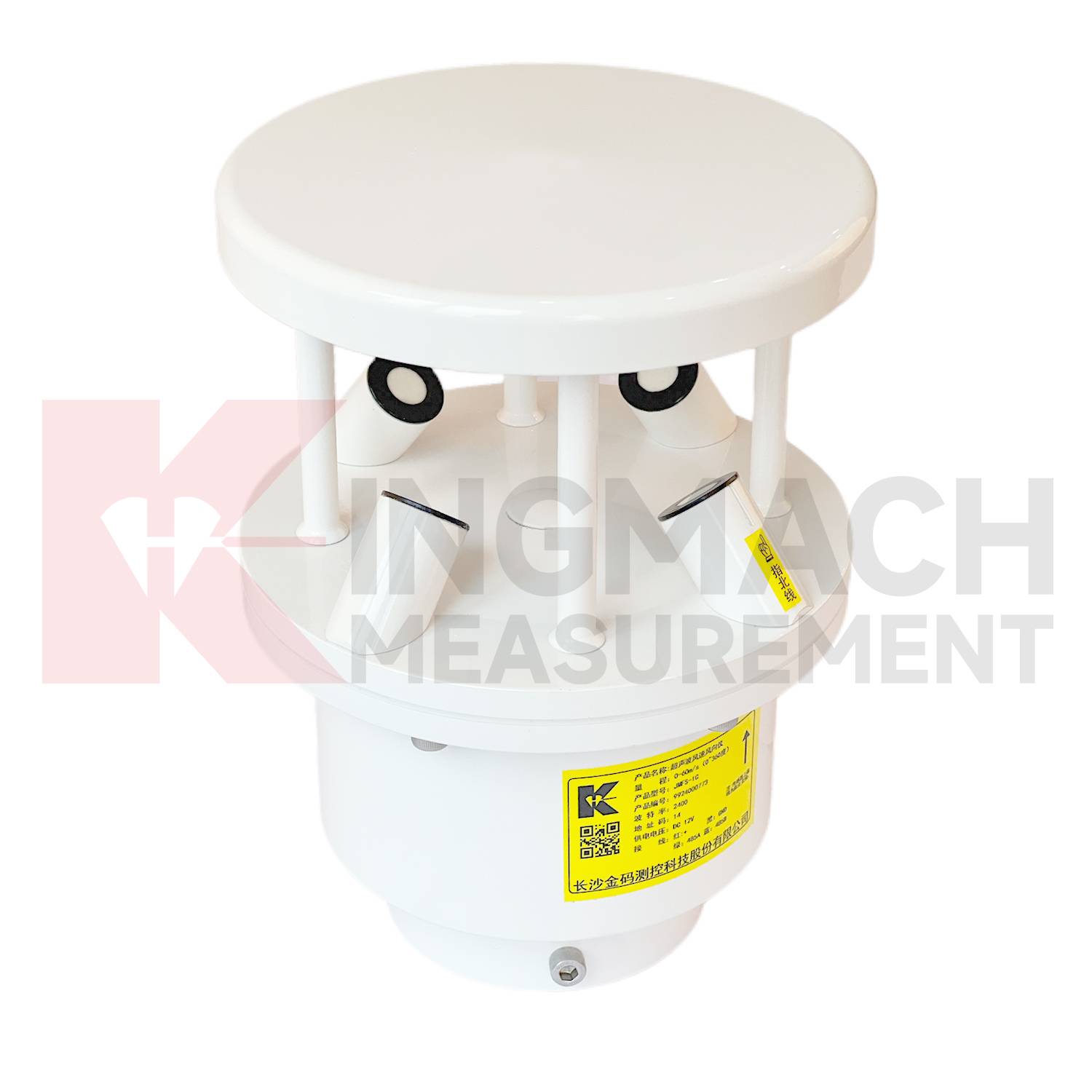
Ultrasonic Wind Speed and Direction Instrument
Kingmach Measurement & Monitoring Technology Co., Ltd.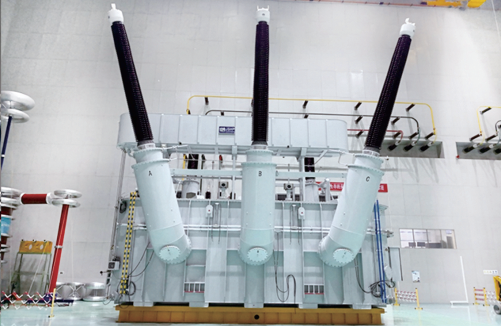

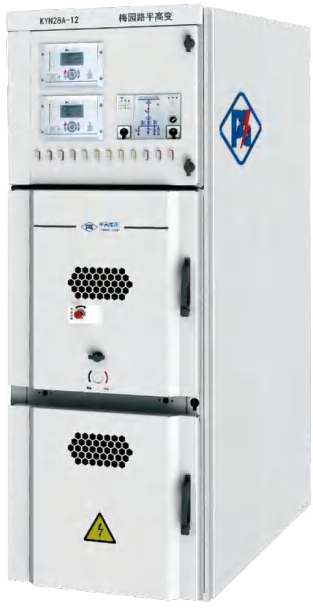
KYN28A-12 Metal Armored Removable Switchgear
Tianjin Ping Gao Intelligent Electric Co., Ltd.
Forest and Grassland Heat Source Infrared Monitor
China Huayun Meteorological Technology Group Co., Ltd.
220kV Composite Outdoor Cable Terminal
Shenyang Guolian Cable Accessories Manufacture Co., Ltd.
40.5kV-1100kV Gas Insulated Metal-Enclosed Switchgear (GIS)
Henan Pinggao Electric Co., Ltd.
High-voltage Direct Current (HVDC) Transmission System Research and Integrated Design
XI'AN XD POWER SYSTEMS CO., LTD.