Photovoltaic panels reduce hillslope sediment by up to 56.6% but trigger gully erosion beneath drip line
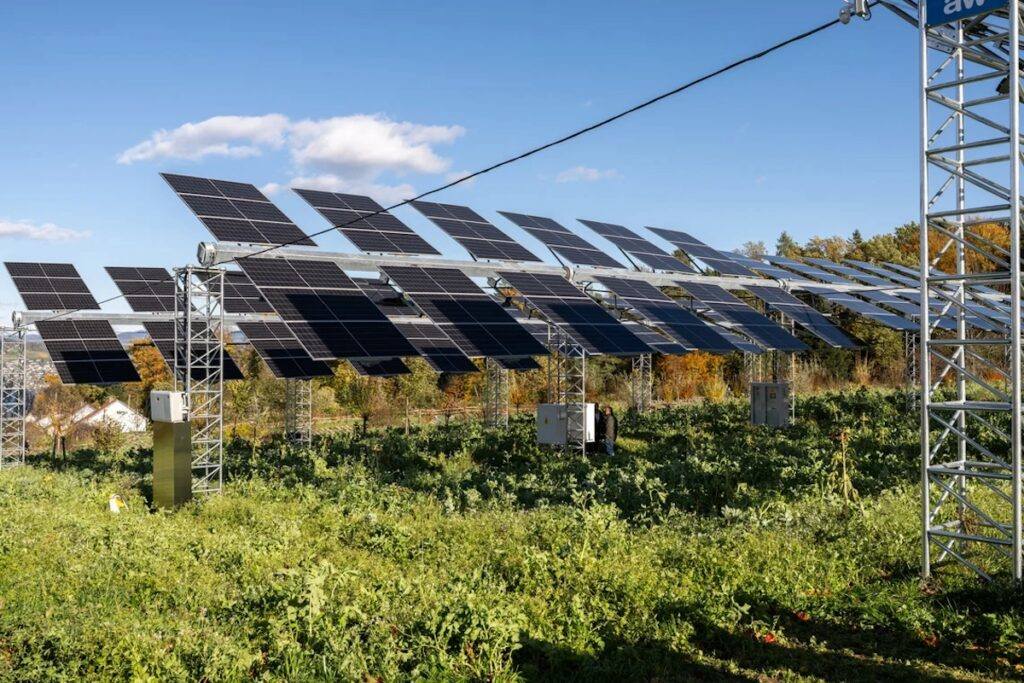
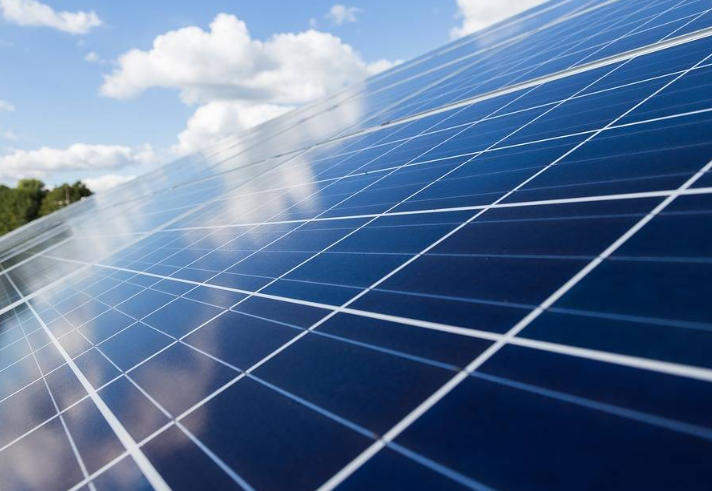
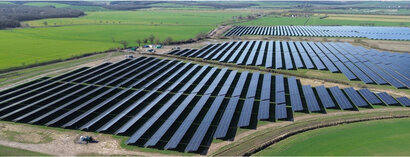
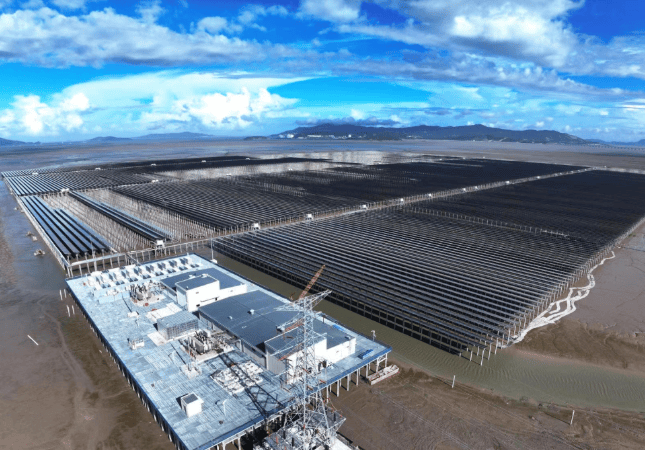
en.Wedoany.com Reported - A research team from Northwest A&F University in China and the Chinese Academy of Sciences (CAS) investigated the effects of photovoltaic (PV) panel arrays on hillslopes on soil erosion patterns and hydrodynamic processes through simulated rainfall experiments. The results showed that installing PV panels reduced total sediment output from slopes, but erosion became concentrated in the drip line zone beneath the lower edges of the panels, creating a gully erosion pattern not present on natural slopes.
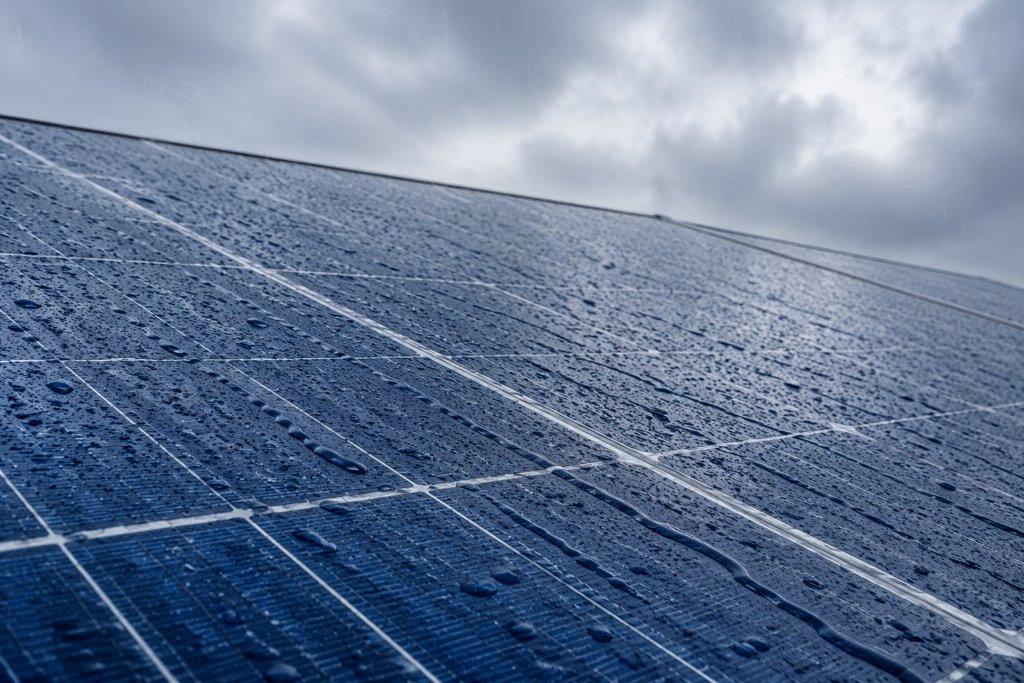
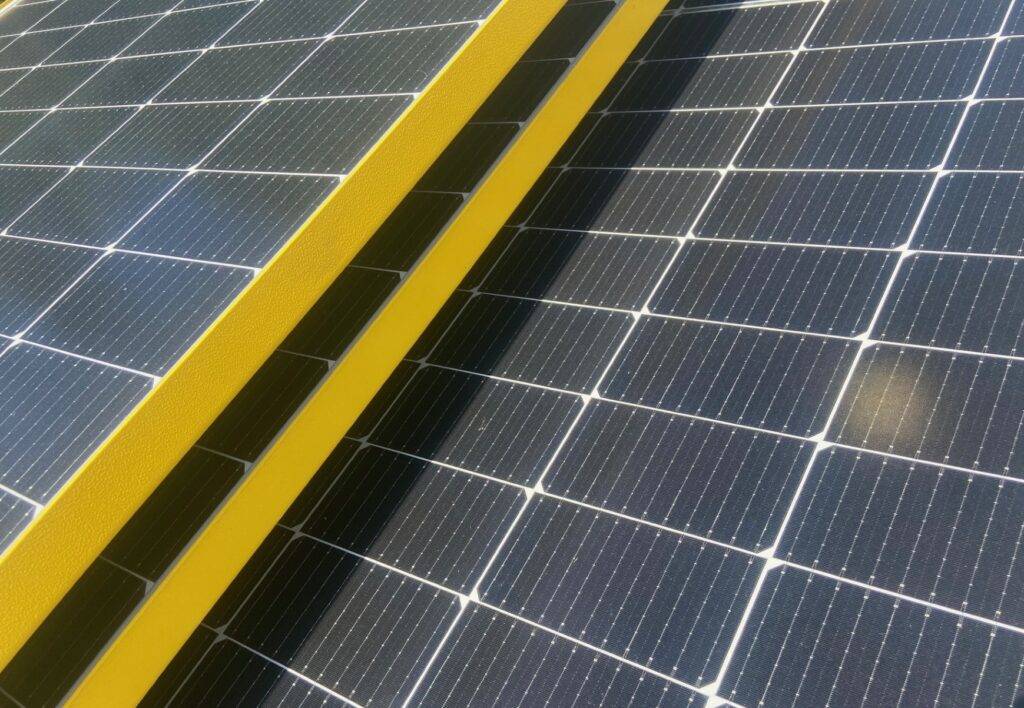
The experiments were conducted using adjustable soil flumes measuring 2.0 m × 1.0 m × 0.4 m, filled with clay loam farmland soil collected from the southern Loess Plateau in China, with a fixed slope gradient of 10°. Four custom PV panels measuring 57 cm × 48 cm were arranged above the soil in either a linear (1×4) or block (2×2) configuration; the study tested combinations of three installation heights (0.4 m, 0.6 m, 0.8 m) and three tilt angles (30°, 35°, 40°). Each configuration was subjected to 60 minutes of simulated rainfall at an intensity of 80 mm/h, with an equivalent slope without PV panels serving as a control, and all scenarios were repeated twice.
During the experiments, runoff and sediment samples were collected, and flow velocity and water depth were measured in both covered and exposed areas; after each trial, the initiation time, length, width, and depth of erosion gullies beneath the drip line were recorded. The team also conducted 8 mitigation experiments using 20 cm wide grass mats or gravel strips.
The researchers explained that PV panels alter the natural interaction between rainfall and the soil surface through two simultaneous mechanisms: the covered areas intercept rainfall, reducing splash detachment and surface sealing; the intercepted rainwater converges as high-energy drip flow at the lower edges of the panels, forming concentrated flow with increased erosive energy. This redistribution creates a characteristic spatial pattern on the slope—the shaded zones no longer receive direct rainfall, while the drip line positions endure continuous scouring from concentrated flow.
The simulated rainfall results showed that, at the hillslope scale, slopes with PV panels installed reduced sediment output by up to 56.6% compared to the control group; by installation height, the greatest average reduction rate was 46.3% at a height of 0.4 m; by tilt angle, the greatest average reduction rate was 36.3% at a tilt angle of 35°. Under all PV configurations, transverse rills (small erosion channels running across the slope) appeared beneath the drip line, whereas no such rills were observed on the control slope.
The experiments also revealed that under laminar flow (Re<500) and subcritical flow (Fr<1.0) conditions, erosive energy accumulated longitudinally along the slope, with flow velocity increasing by 148% as water moved from higher covered zones to lower covered zones, making the lowest panel row a critical location for basal scour. Rill position and spacing (48–57 cm) were determined by panel arrangement; rill width and depth increased with installation height, reaching 3.44 cm and 1.84 cm, respectively, at a height of 0.8 m. The researchers concluded that external structures can create erosion geometries on slopes that do not occur under natural conditions.
The findings were published in the Journal of Hydrology under the title "Photovoltaic panel arrays reshape soil erosion patterns and hydrodynamic processes on hillslopes."
Related Products

220kV and Below Voltage Level Energy-saving Oil-immersed Power Transformers
FuZhou TianYu Electric Co., Ltd.


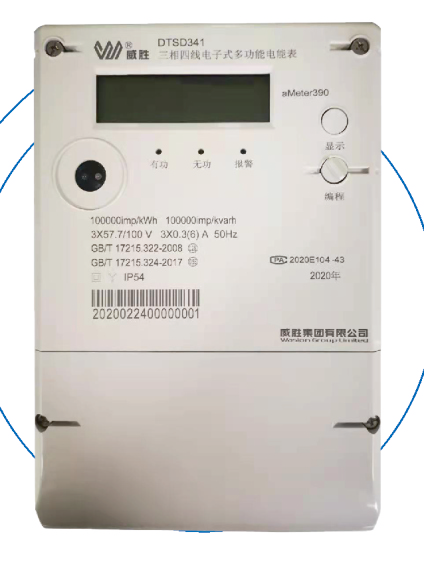
Overseas IEC Gateway Energy Meter - DTSD341/DSSD331-aMeter390
Wasion Group Limited Co., Ltd.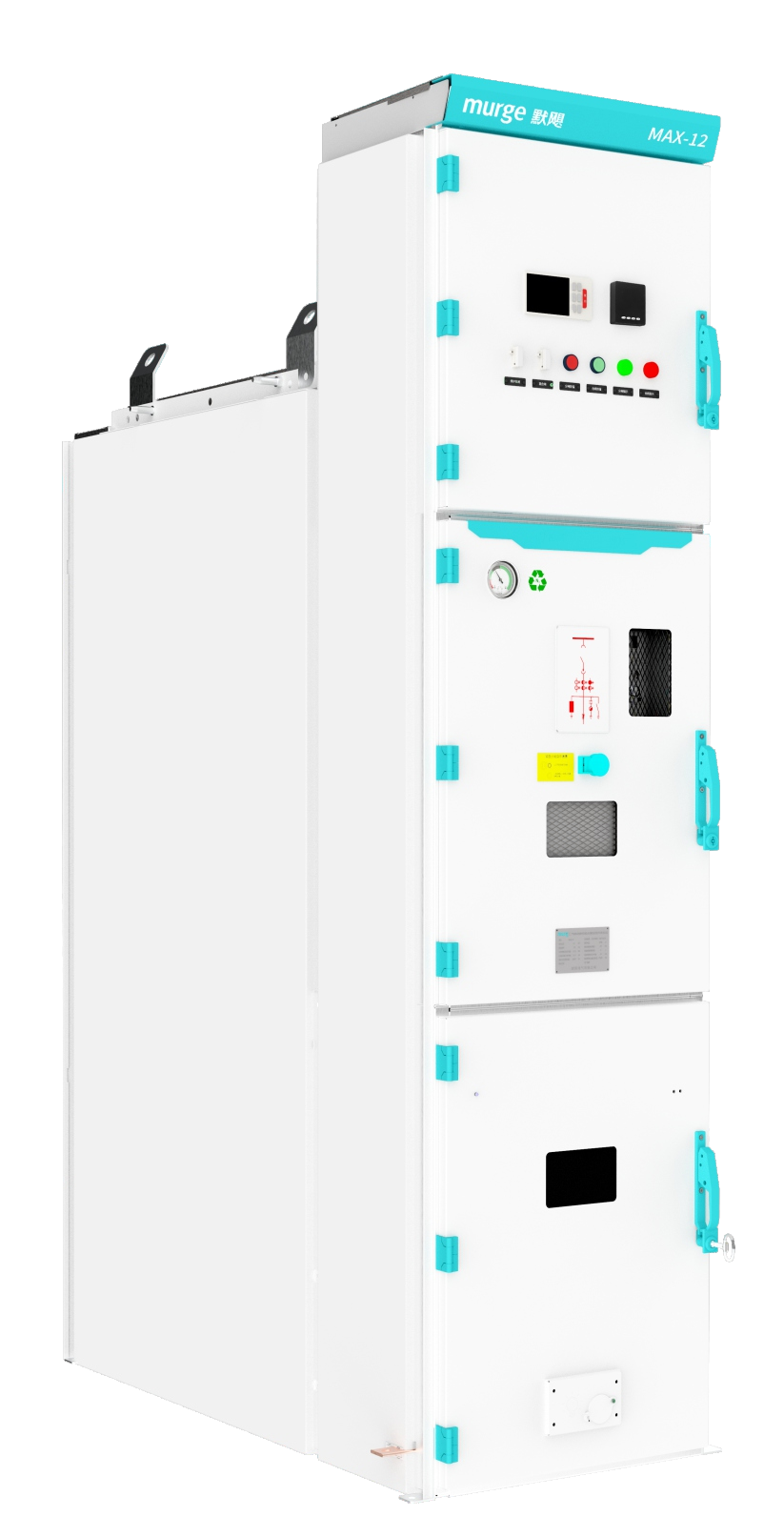
MAX-12 series Environmental Protection/SF6 gas insulated switchgear (C-GIS)
Murge Electric Co.,Ltd.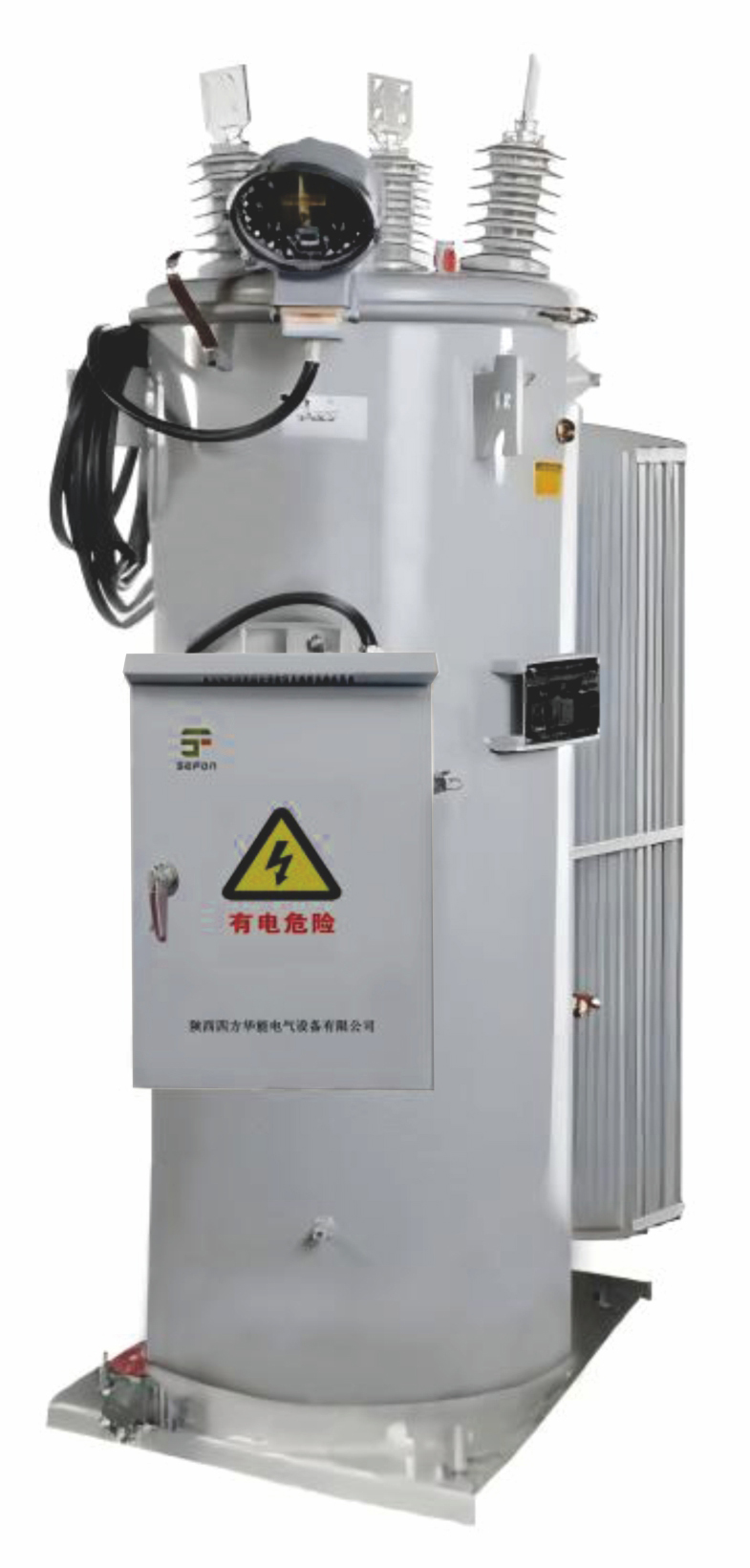
Single-Phase Automatic Voltage Regulator(AVR)
Shaanxi Sefon Electrical Equipment Co.,Ltd.