Wedoany.com Report-Jun 22, Belarus is considering potential locations for its planned radioactive waste disposal facility in the Grodno, Mogilev, or Gomel regions, according to Energy Minister Denis Moroz. Speaking to Belarus 1 TV, Moroz stated that while there is currently a storage facility at the Belarusian nuclear power plant site, a dedicated facility must be in place by 2030.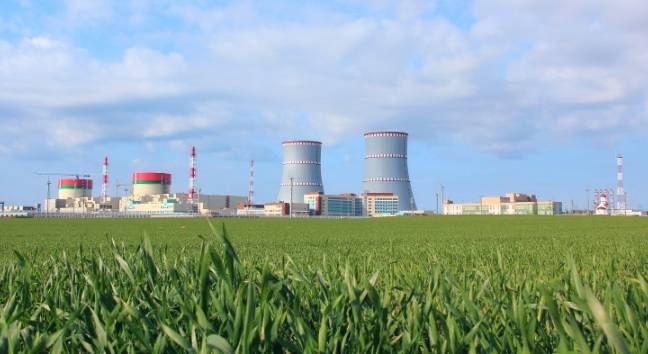
The Belarusian nuclear power plant, built at Ostrovets
He emphasized the importance of transparency in the process, both for the international community and the public: “The construction of such a facility is a large-scale and complex task. It should be as transparent as possible to the world community and to the citizens of the Republic of Belarus.”
Moroz noted that the site selection is being carried out in line with recommendations from the International Atomic Energy Agency. Geological and environmental assessments are underway, and pre-project documentation is being prepared. A full environmental impact assessment and public consultations will follow as part of the decision-making process.
In the same interview, Moroz discussed a feasibility study examining options for expanding Belarus's nuclear energy capacity. The study is nearing completion and is evaluating two options: the addition of a third unit at the current Ostrovets site or the construction of a new nuclear facility at a different location. He said both options have been assessed as technically and economically viable.
The Belarusian nuclear power plant, located in Ostrovets in the Grodno region, currently operates two VVER-1200 reactors. The general contract for construction was signed in 2011. The first unit saw its first concrete poured in November 2013, and the second unit’s construction began in May 2014. Unit 1 was connected to the grid in November 2020, and Unit 2 entered commercial operation in November 2023.
Currently, nuclear energy accounts for over 25% of Belarus’s electricity generation. The development of a permanent radioactive waste facility and the ongoing evaluation of capacity expansion are part of Belarus’s long-term energy planning efforts.