Huawei UPS5000E/5000H Becomes the First to Complete Broadband Impedance Testing, Driving Large Data Centers Toward "Reliable Power Supply + Grid Friendliness"
en.Wedoany.com Reported - Recently, the latest commercial version of Huawei Digital Power's UPS5000H passed the broadband impedance scanning test conducted by the New Energy Research Institute of China Electric Power Research Institute Co., Ltd. (hereinafter referred to as "CEPRI New Energy Institute"), and the new-feature commercial version was officially released.
At this point, following the UPS5000E's completion of broadband impedance testing and its continuous operation verification in actual power grid scenarios at large data centers, both of Huawei's main AIDC UPS series — UPS5000E and UPS5000H — have completed the relevant tests, making Huawei the first manufacturer to complete broadband impedance testing for main AIDC UPS series.
From the live-grid operation verification of UPS5000E to the testing completion of UPS5000H, Huawei has taken the lead in further transforming "grid friendliness" from a technical concept into product capabilities and engineering practices for its main UPS products, driving AIDC UPS from "reliable power supply" toward "reliable power supply + grid friendliness."
Coordinated Development of New-Type Power Systems and Large Data Centers Brings New Challenges for Grid-Connected Safety
Currently, the construction of new-type power systems and the development of the artificial intelligence industry are accelerating in tandem.
On one hand, the rapid development of new energy continues to increase the degree of power electronics on the generation side; on the other hand, the rapid growth of artificial intelligence data centers has made the load side exhibit more pronounced power electronics characteristics. As AIDCs evolve from traditional data center scales to hundreds of megawatts and gigawatt levels, large data centers are gradually becoming significant large-scale power electronic loads in the power system.
The superposition of changes on both the supply and demand sides has made the dynamic interaction between large data centers and the power grid more complex. For the power grid, how to safely accommodate large-scale, high-proportion power electronic loads while supporting the rapid development of the artificial intelligence industry is becoming a new challenge that must be addressed for the safe and stable operation of new-type power systems.
In 2026, the first domestic broadband oscillation event caused by high-power power electronic loads from large data centers occurred. This event profoundly revealed a new category of major risks in the operation of new-type power systems.
This event has further led the industry to recognize that as AIDC scale continues to increase, it is no longer merely computing infrastructure but is also becoming an important variable in the power system.
Large data centers must not only ensure the safe and reliable operation of their own businesses but also further address the issue of coordinated safety and stability with the power grid. "Grid friendliness" is becoming a new important capability requirement for AIDC power supply systems, following "reliable power supply."
Multi-Party Joint Research to Accumulate Engineering Experience for Grid-Connected Safety of Large Power Electronic Loads
Facing this new grid-connected safety issue, power grid companies organized relevant units to carry out joint technical research, CEPRI New Energy Institute provided professional scientific research and testing verification support, and Huawei actively participated in product optimization and engineering verification. This broadband impedance testing conducted around large data centers provides a professional and objective technical basis for evaluating the grid-connected performance of large power electronic loads.
Through the joint efforts of all parties, the new-feature commercial version of Huawei UPS5000E passed the broadband impedance scanning test and completed on-site upgrades in actual power grid scenarios at large data centers, with normal grid-connected operation and sustained stability.
From discovering problems in real operations, to power grid organizations conducting research, to professional verification by research institutions, and then to equipment manufacturers' product evolution and live-grid operation verification, this practice not only promotes the resolution of specific engineering problems but also accumulates important engineering experience for China in understanding and addressing grid-connected safety issues of large power electronic loads.
Huawei's Main UPS Series Becomes the First to Complete Testing, "Grid-Friendly UPS" Moves from Concept to Practice
After UPS5000E completed live-grid operation verification, Huawei continued to advance grid-connected performance verification for its main UPS products.
The latest commercial version of UPS5000H has now passed the broadband impedance scanning test and been officially released. At this point, both of Huawei's main AIDC UPS series have completed the relevant tests.
For large AIDCs, reliability, efficiency, and technical route remain important dimensions for evaluating UPS. However, as their interaction with the power grid continues to deepen, whether the actual grid-connected performance of equipment can be objectively measured, verified, and continuously operated stably in real engineering environments is also becoming a new important evaluation criterion.
The physical testing conducted this time has further moved UPS grid-connected capabilities from design analysis and manufacturer self-assessment toward being measurable and verifiable; the continuous operation of real large data centers further validates the effectiveness of the relevant capabilities in actual power grid environments.
From the live-grid operation verification of UPS5000E to the testing completion of UPS5000H, Huawei is further driving "grid friendliness" from a technical requirement toward testable, verifiable product practices.
This not only means that both main UPS series have completed the relevant tests but also reflects that the evaluation of large data center power supply equipment is extending from traditional product performance further toward grid-connected safety capabilities.
Bridging Power Grid and AIDC, System Coordination Capability Becomes a New Competitiveness
The grid-connected safety of large data centers has already exceeded the traditional technical boundaries of a single UPS device.
Connecting the rapidly evolving new-type power system on one end and the continuously developing artificial intelligence infrastructure on the other, it involves multiple fields including power grid stability, power electronics, data center power supply and distribution, and load characteristics. As system complexity continues to increase, a more systematic perspective is needed to understand and resolve the coordination issues between large AIDCs and the power grid.
As the industry's only manufacturer deeply engaged in both power grid digitalization and AIDC infrastructure, Huawei has developed cross-domain technical accumulation in grid-side grid-connected analysis, data center power supply and distribution, and load-side capabilities. Leveraging this capability, Huawei can extend from a single device further to "power grid—power supply and distribution—load" system coordination, and continuously transform engineering practices into product and system capabilities.
Currently, Huawei is continuously strengthening its capabilities in modeling and simulation, physical testing, product evolution, and live-grid verification for large AIDCs, driving grid-connected safety from single-device verification further toward system coordination.
From Event Governance to Standard Governance, Supporting the Scaled Development of AIDC
As industry understanding continues to deepen, the grid-connected safety of large power electronic loads is accelerating into the standardization stage.
The "Regulations on Emergency Response, Investigation and Handling of Electric Power Safety Accidents" (State Council Decree No. 845) for the first time puts forward clear requirements for electric power users: electric power enterprises, electric power users, and other entities connected to the power grid for operation (hereinafter referred to as other grid-connected entities) shall comply with electric power safety management regulations, obey unified dispatch, strictly implement relevant standards and technical specifications, implement accident prevention measures in the planning, construction, and operation of the power system, strengthen the investigation of accident hazards, and prevent and avoid accidents.
On August 31, 2026, the electric power industry standard "Technical Requirements for User-Side Grid-Connected Safety" led by the National Energy Administration has been publicly solicited for comments. It plans to include large data centers in grid-connected safety management and proposes requirements for conducting model simulation, impedance scanning, and broadband oscillation risk assessment.
This means that the grid-connected safety of large data centers is gradually moving from single-event governance toward systematic governance with clearer responsibilities, more unified technical requirements, and more front-loaded risk assessment.
For the artificial intelligence industry, establishing a more complete grid-connected safety technology and verification mechanism is not about restricting the development of large data centers, but about building a more solid safety foundation for their large-scale grid connection and long-term stable operation.
In the future, under the guidance of national energy authorities and the coordinated management of power grid enterprises, Huawei will continue to carry out technical collaboration with power grid research institutions, industry customers, and industry partners to advance grid-connected safety technology innovation, engineering verification, and standard development for large data centers, continuously study new stability issues brought by the integration of high-proportion, high-power power electronic loads, and drive large data center grid-connected safety from "event-driven" to "standard-driven."
From reliable power supply to grid friendliness, supporting the coordinated development of the artificial intelligence industry and new-type power systems with safer, more stable power infrastructure.
Related Products
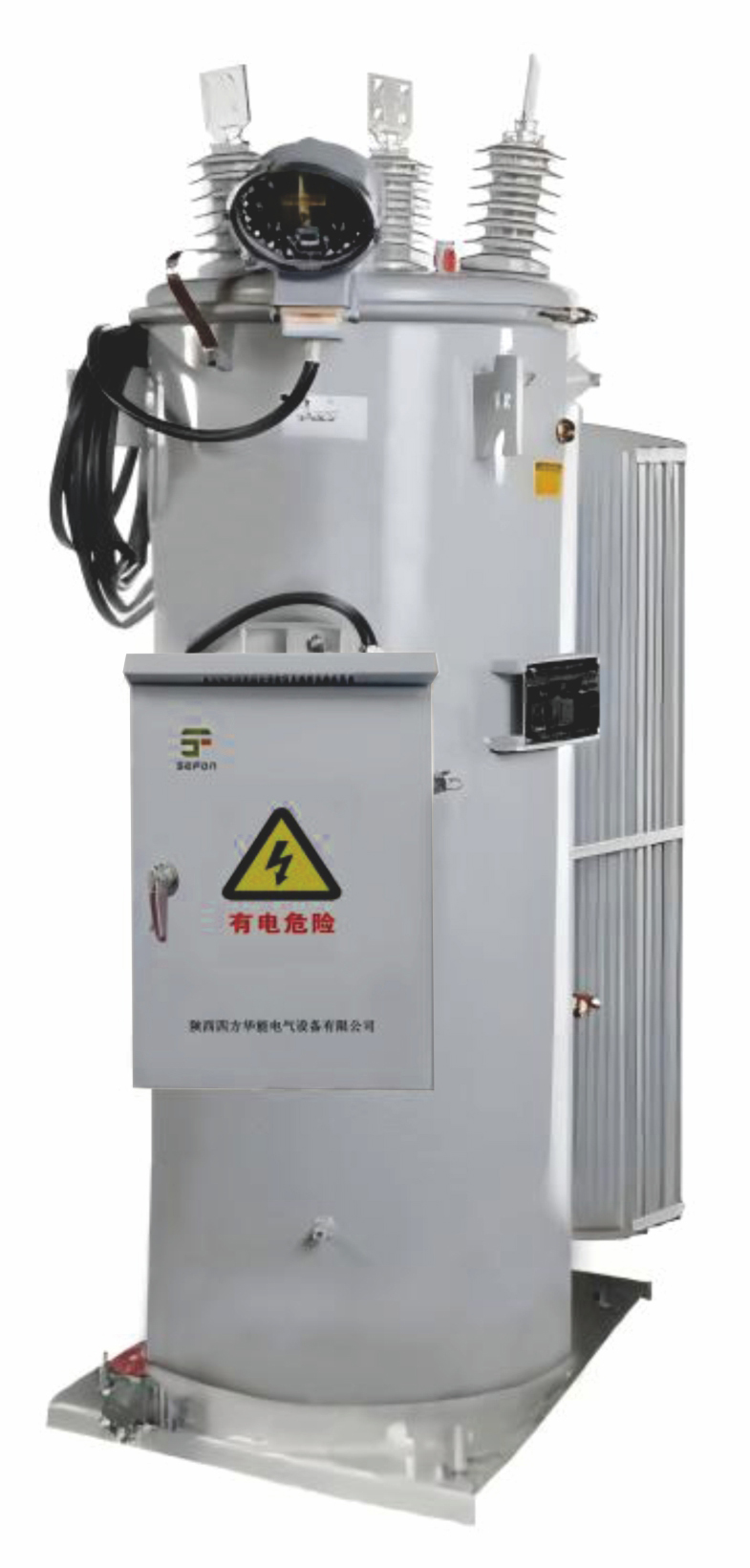

Single-Phase Automatic Voltage Regulator(AVR)
Shaanxi Sefon Electrical Equipment Co.,Ltd.
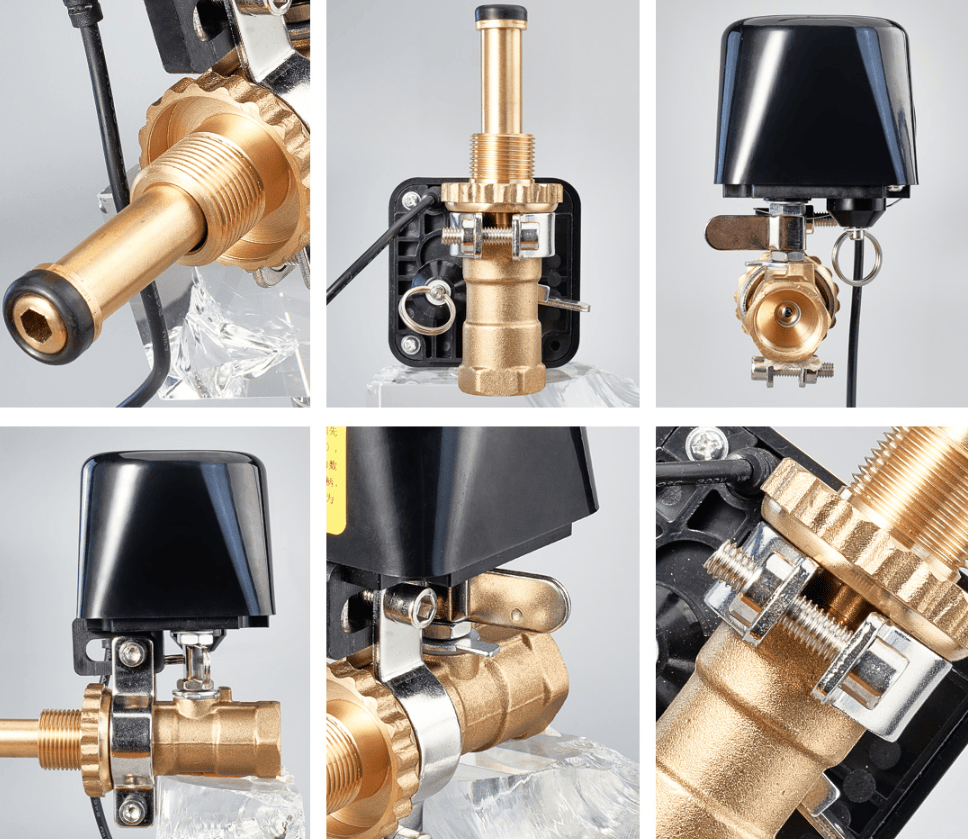

Pneumatic high-pressure wear-resistant ball valve
Zhejiang Deca Control Valve Meter Co., Ltd.
Inductive Power Harvesting Self-Powered Device - Safuneng
SELF ENERGY TECHNOLOGY (SHENZHEN) CO., LTD.
Yingping Mining Section Open-pit Tailings Backfill Treatment of Goaf Ecological Restoration EPC Project
China Bluestar Lehigh Engineering Corporation