Kazakh President Tokayev Invites Korean Companies to Invest, Bilateral Trade Exceeded USD 3 Billion Last Year
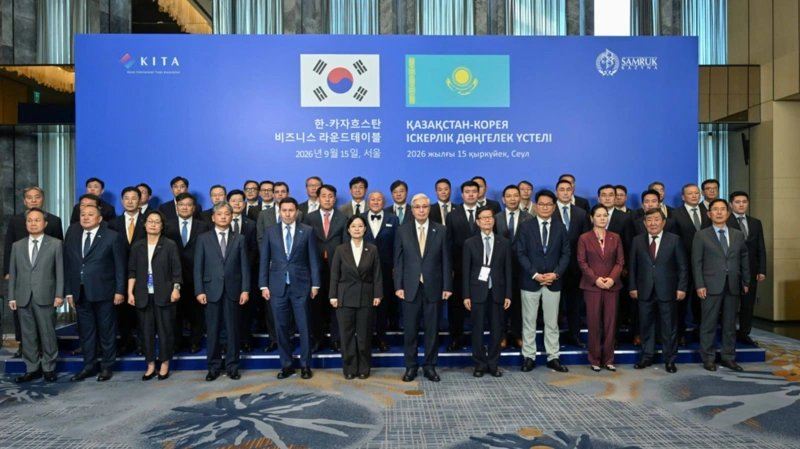
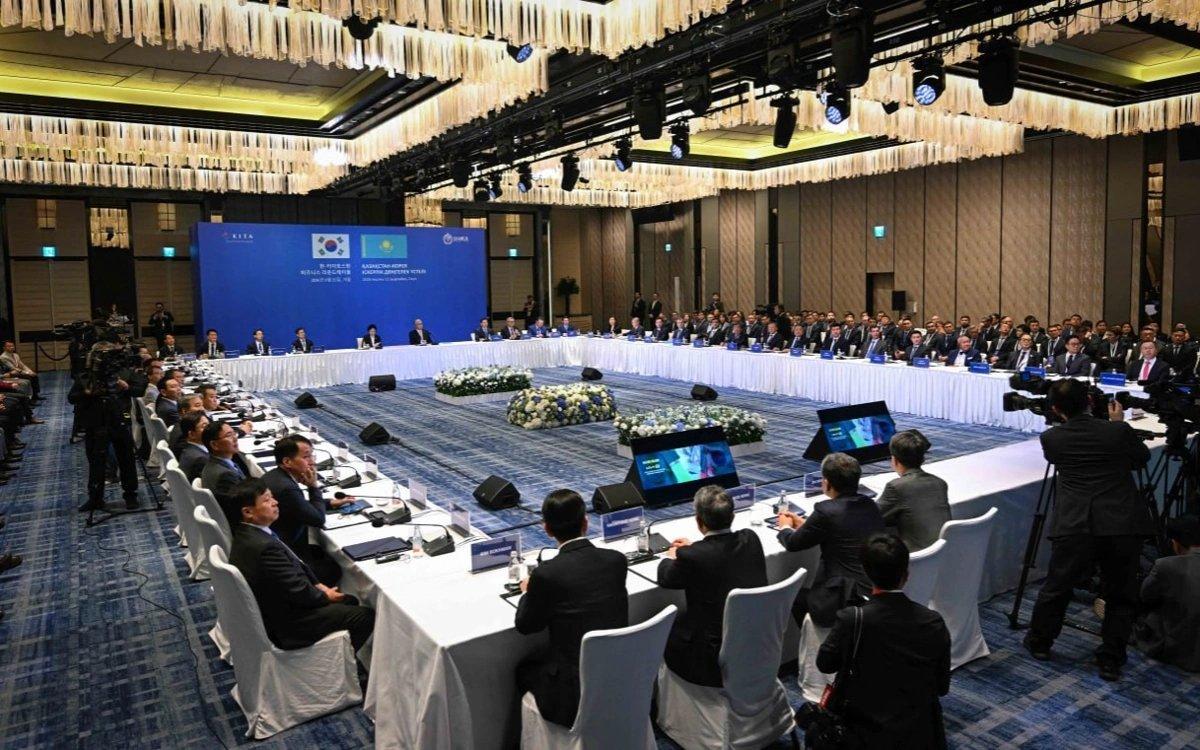
en.Wedoany.com Reported - Kazakh President Kassym-Jomart Tokayev invited Korean companies to expand investment in Kazakhstan at the Kazakhstan-Korea Roundtable, noting that with the joint efforts of both governments and businesses, last year's bilateral trade of over USD 3 billion can achieve significant growth. He stated that cumulative Korean investment in Kazakhstan has exceeded USD 12 billion, with more than 1,000 companies with Korean capital currently operating in Kazakhstan, including Samsung, Kia, Hyundai, Lotte, Doosan Enerbility, and Shinhan Bank; Kazakhstan hopes to elevate bilateral relations to an entirely new level.
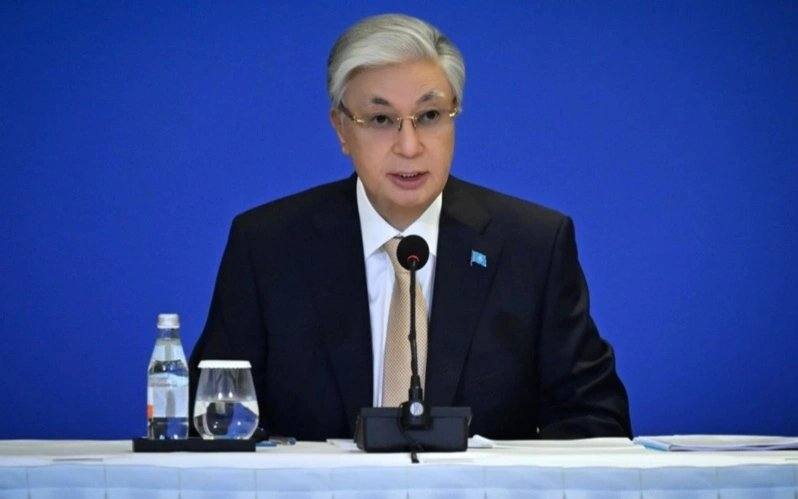
Tokayev noted that over the past 30 years, Astana and Seoul have built a strong relationship based on mutual respect, trust, and sincere friendship, with active political dialogue and a shared willingness to deepen multi-faceted cooperation laying the foundation for the two countries' partnership. He assessed Korean entrepreneurs as more proactive and decisive in investment, while also demonstrating a high sense of responsibility and respect for Kazakhstan.
Industrial cooperation has become an important foundation of the two countries' economic partnership. Currently, the Kazakhstan-Korea joint project portfolio includes 51 projects with a total value exceeding USD 4 billion, covering areas such as automobile manufacturing, machinery manufacturing, and metallurgy. Tokayev stated that the experience of Korean companies proves that Kazakhstan is a competitive and reliable production base. Last year, Kazakhstan produced nearly 170,000 vehicles, setting a national record, most of which were Hyundai and Kia brands; Kazakhstan not only produces passenger cars of these brands but also trucks and buses. Samsung home appliances are already being produced at local factories in Kazakhstan. Kazakhstan's goal is to build a complete integrated industrial ecosystem covering local production of components, advanced materials, electrical equipment, and electronics, and to serve the broader Eurasian market. Tokayev invited Korean companies to seize the opportunity and establish production bases in Kazakhstan.
Tokayev stated that Kazakhstan pays close attention to the new industrial strategy proposed by South Korean President Lee Jae-myung, including initiatives such as "Three Mega Projects" and the "Seven Major SEED initiative." Construction and urban development is another promising area of cooperation. South Korea has world-class experience in construction, engineering, and infrastructure development, while Kazakhstan is entering a phase of large-scale infrastructure modernization, planning to accelerate comprehensively from transportation and municipal infrastructure to housing and social facilities, with a focus on building hospitals, children's rehabilitation centers, comprehensive medical institutions, modern schools, sports facilities, and transportation infrastructure. The government will formulate a specific list of major projects to promote the establishment of new enterprises and the implementation of investment projects under mutually beneficial conditions.
In the field of critical minerals, Tokayev noted that this sector has become a strategically significant and rapidly developing industry in the global economy. Kazakhstan possesses abundant strategic mineral resources and welcomes South Korea not only to invest in mineral resource development but also to share technological expertise. To jointly build a complete high-value-added industrial chain, Kazakhstan proposed a "resources-technology-industry" cooperation model. The Rare Metals Technology Cooperation Center planned to be established in Almaty will be an important step in advancing this new cooperation model, and Kazakhstan looks forward to joint research by scientists from both sides to transform resource-based fundamental research into concrete industrial projects.
In the energy sector, Tokayev highly praised Korean companies' interest in Kazakhstan's energy industry. Hyundai Engineering has already played a leading role in the Karachaganak gas processing plant construction project, which Kazakhstan views as the starting point for Korean companies' long-term strategic presence in the Kazakh market. The two sides have room to expand cooperation in areas such as gas processing, petrochemicals, energy infrastructure, and renewable energy. As the world's largest uranium producer, Kazakhstan has enormous potential in the peaceful use of nuclear energy; small modular reactors are increasingly important in the global energy sector, and Kazakhstan is willing to establish mutually beneficial cooperation with South Korea in this field.
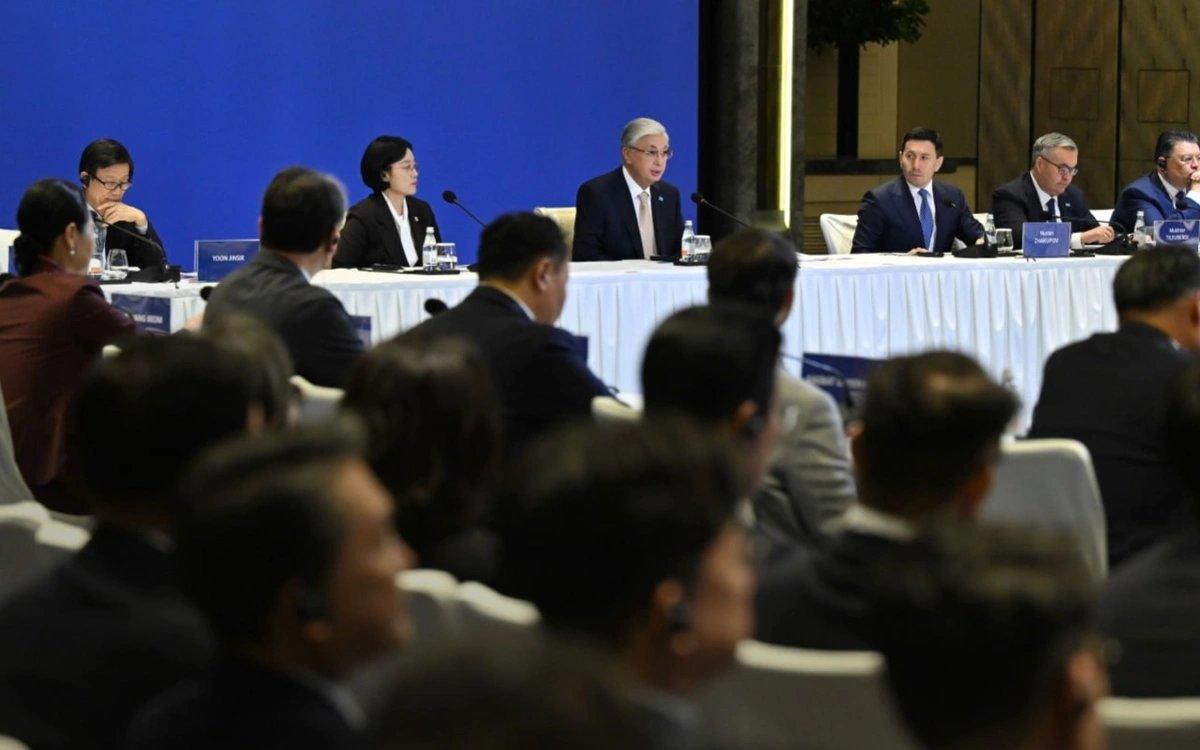
In the field of transportation and logistics, Tokayev stated that Kazakhstan, located between Asia and Europe, is transforming its geographical advantage into an economic advantage by building a modern and efficient transportation and logistics network. Kazakhstan is making large-scale investments in railways, highways, seaports, logistics terminals, and other infrastructure to improve the capacity, speed, and reliability of the Trans-Caspian International Transport Route. He believes that now is the time for South Korea to contribute to the development of the Middle Corridor. Kazakhstan welcomes Korean logistics companies such as CJ Logistics and LX Pantos to build modern logistics centers, intermodal terminals, warehousing facilities, and digital supply chain management solutions in Kazakhstan. Tokayev also proposed establishing a Kazakhstan-Korea logistics joint venture to promote new logistics projects and initiatives and ensure the smooth transit of Korean goods through Kazakhstan; Kazakhstan's Shin-Line company and Lotte Global Logistics have already begun advancing related cooperation plans.
Artificial intelligence and new technologies also hold enormous cooperation potential. Kazakhstan's AI strategy places human capital at its core, and Tokayev highly praised the initiative to build Kazakhstan's first AI college in cooperation with Seoul National University of Science and Technology. Kazakhstan has launched the construction of one of the largest data center ecosystems in the Eurasian region. The "Data Center Valley" will be located in Pavlodar Region, which is rich in energy resources, with a planned power supply capacity of up to 1 GW, and can be further expanded in the future. Tokayev stated that Kazakhstan's goal is to build the country into Central Asia's main computing technology hub and a golden bridge connecting Europe and Asia, which will bring unique opportunities for Korean technology companies.
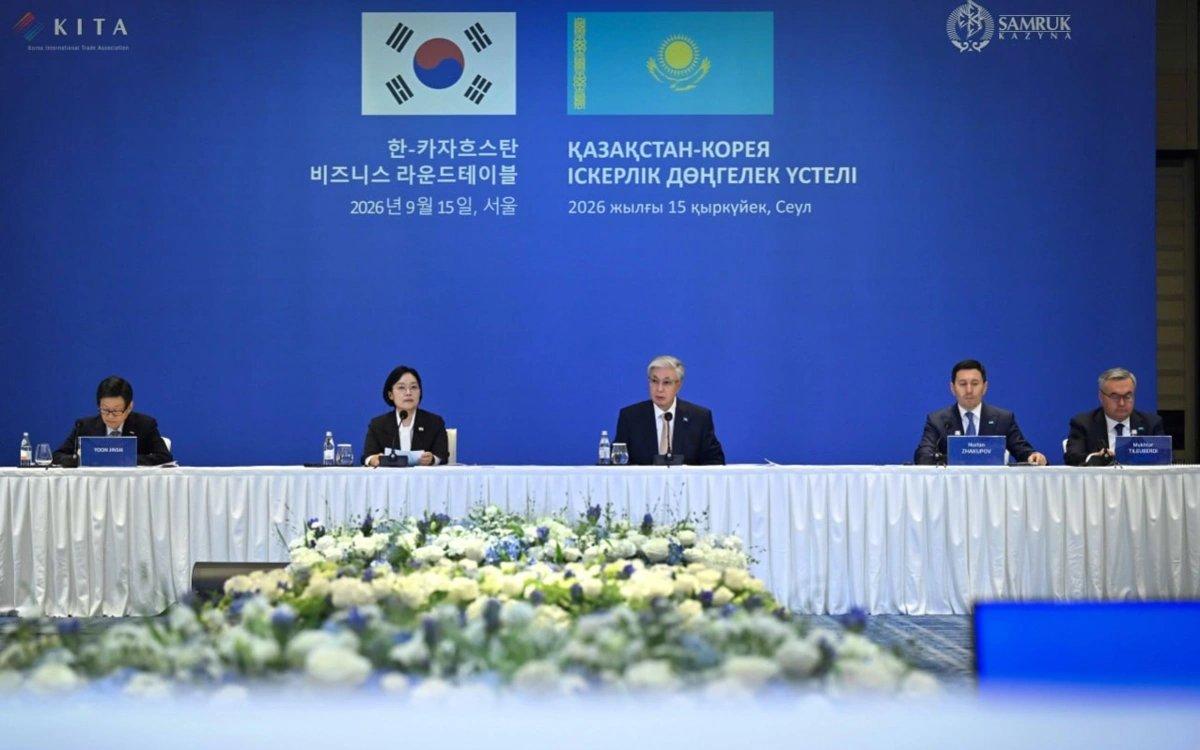
Tokayev stated that Kazakhstan hopes to participate in the entire AI value chain and can become a reliable supplier of materials and components needed for microelectronics and semiconductor production; Kazakhstan believes there is enormous potential for establishing concrete cooperation with global industry leaders such as Samsung Electronics and SK Hynix. He also introduced the construction of Alatau City, stating that this new city is planned to develop into a city and economic center with a high concentration of advanced industries and innovation. Korean partners are actively participating in building a city based on digital technology, artificial intelligence, and modern engineering. Kazakhstan is working with KIND on the master plan and residential district design, and is attracting other Korean companies to participate in this large-scale project.
The financial sector is considered one of the potential areas for advancing the two countries' partnership. Cooperation in agriculture and the food industry is equally important. Kazakh agricultural products are currently exported to more than 70 countries worldwide, and Kazakhstan is willing to expand exports to South Korea of wheat, oilseeds, meat, dairy products, honey, and other high-quality products. Tokayev also suggested combining Kazakhstan's agricultural potential with Korean technology to establish a value chain in the agro-industrial sector. Lotte Group's investment in Kazakhstan's well-known chocolate brand "Rakhat" is regarded as a successful example of Korean companies' long-term commitment to the Kazakh market.
Tokayev emphasized the importance of developing human capital. Currently, universities in Kazakhstan and South Korea have signed more than 230 cooperation agreements, and academic exchanges continue to expand. He believes that the two countries also have broad investment cooperation opportunities in the healthcare sector, with medical infrastructure, pharmaceuticals, biotechnology, and medical equipment manufacturing as key areas of cooperation. Tokayev concluded by noting that South Korea, decades ago, grew into one of the world's leading economies by achieving breakthroughs in key economic sectors; Kazakhstan has entered a stage of profound economic modernization, focusing on developing new industries, new technologies, research capabilities, and human capital. He believes the meeting and the agreements signed will inject new momentum into larger-scale cooperation, and invited Korean companies to actively invest in Kazakhstan, stating that the Kazakh government will provide full support for every beneficial project implemented by Korean companies in Kazakhstan.
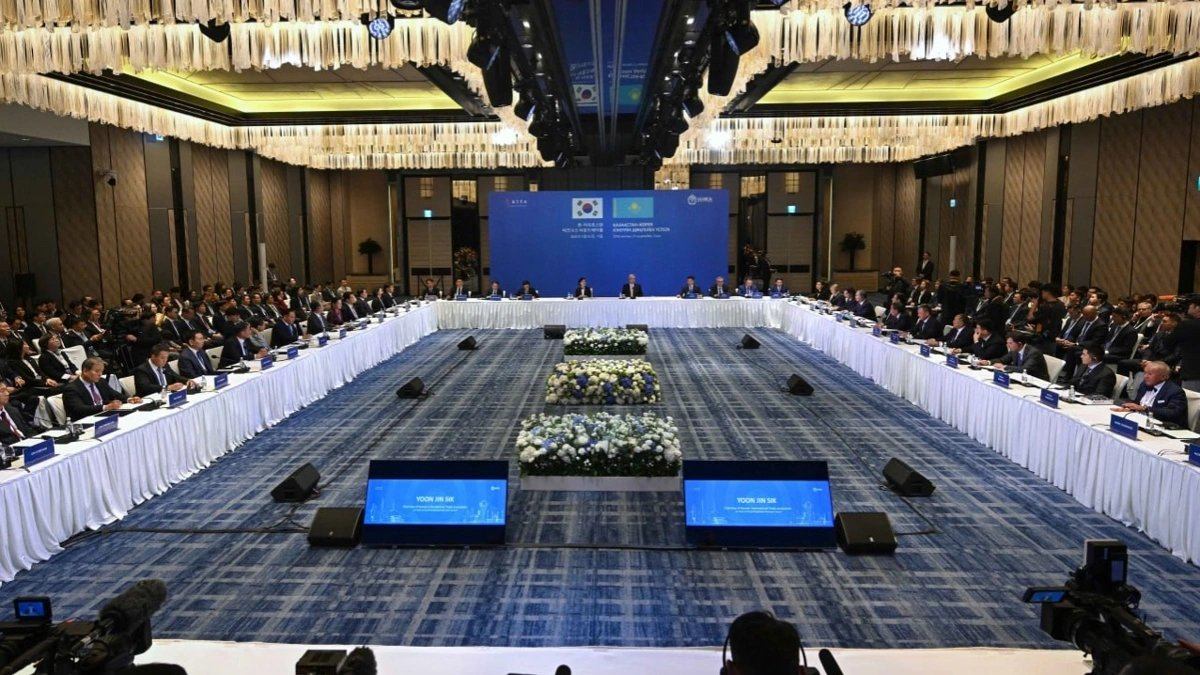
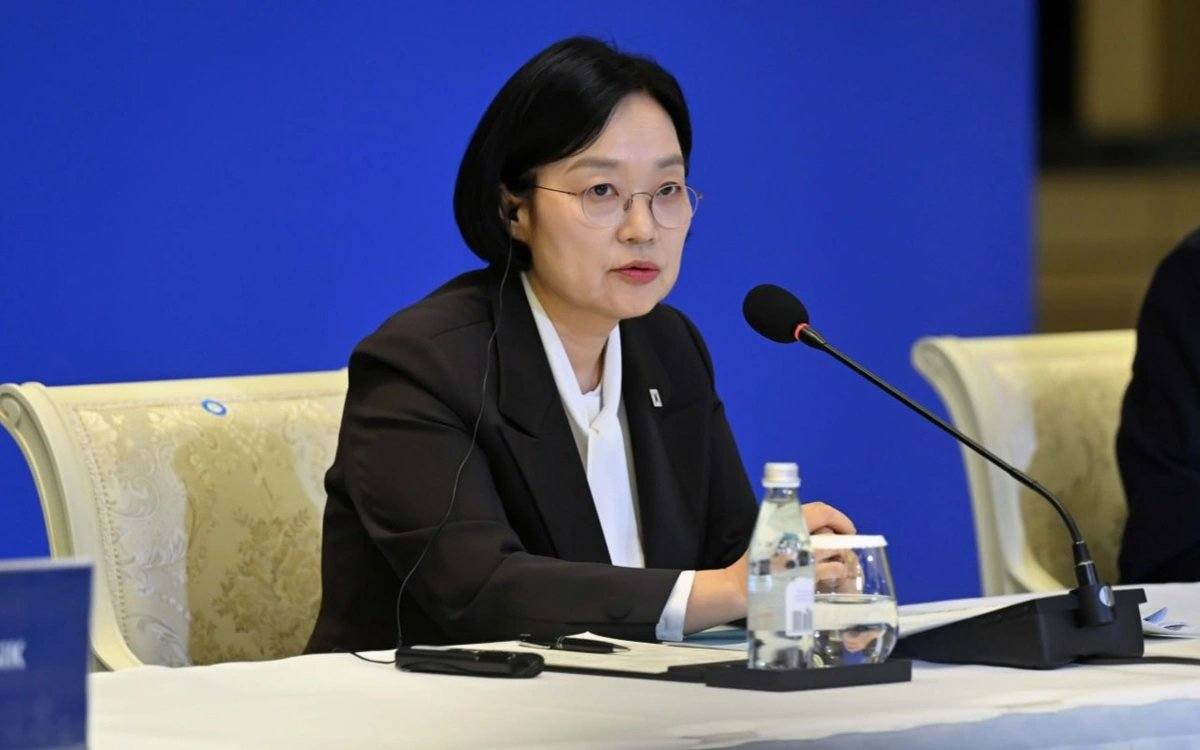
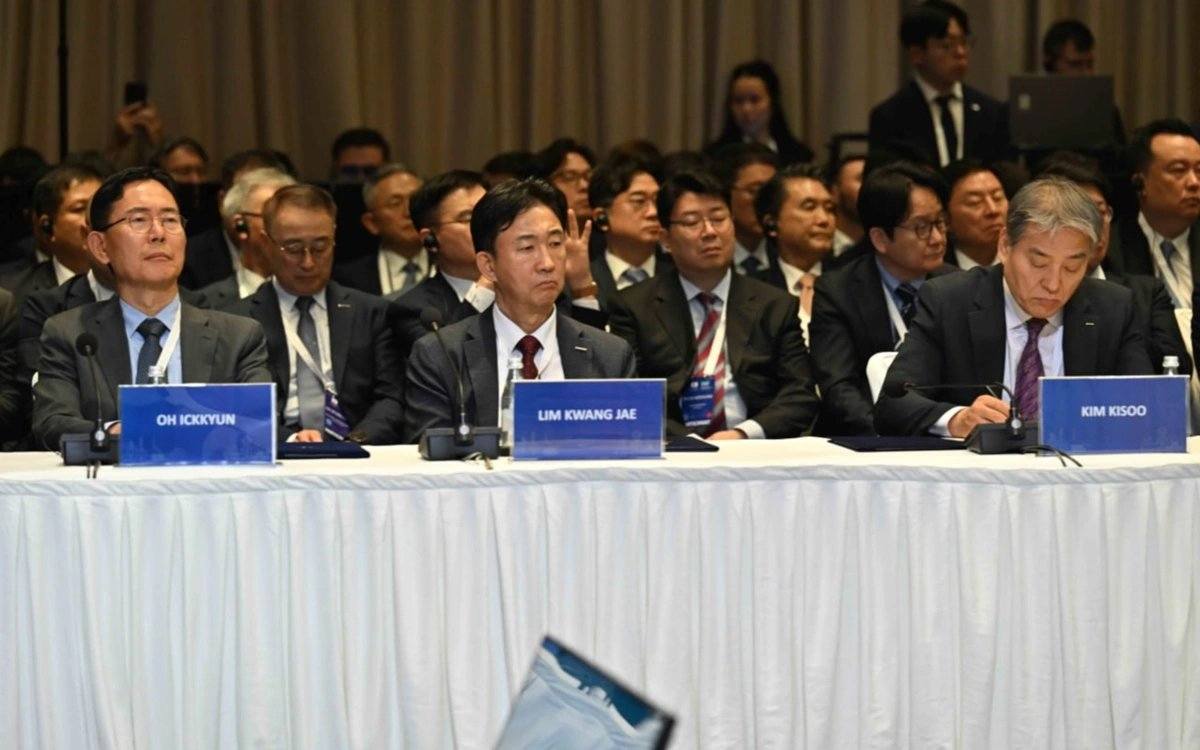
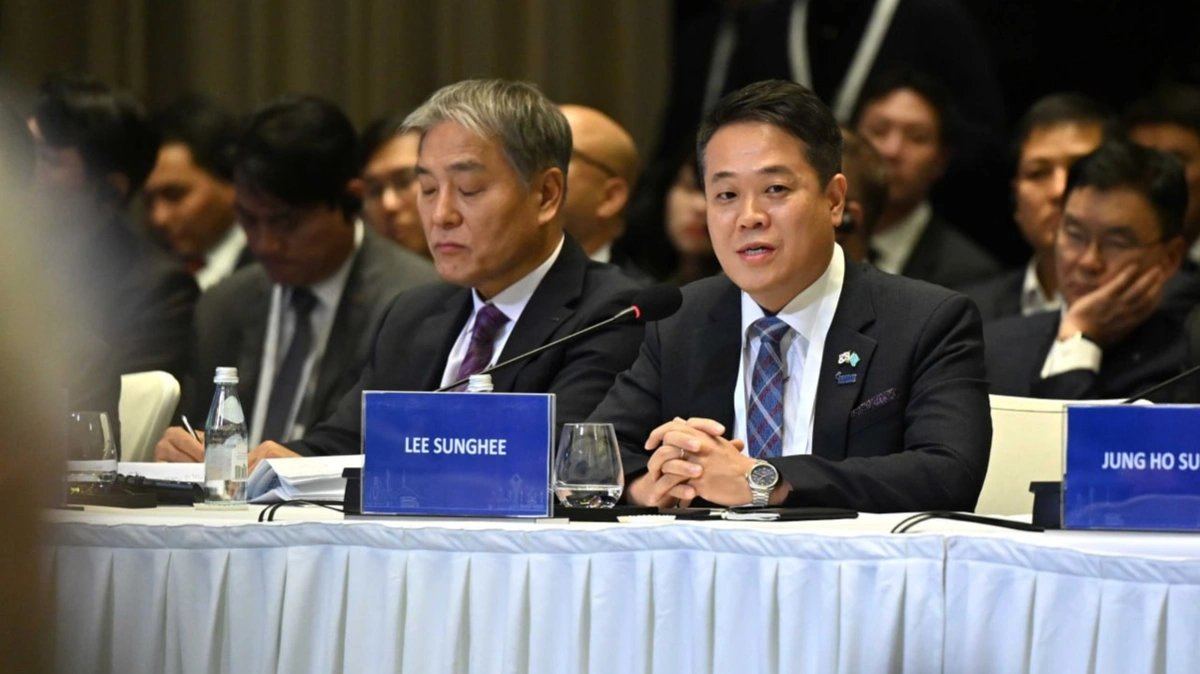
During the meeting, South Korean Prime Minister Han Seong-sook, Korean Co-Chairman of the Kazakhstan-Korea Business Council Yoon Jin-sik, Co-Chairman of the Kazakhstan-Korea Business Council Nurlan Zhakupov, Samsung Electronics Executive Vice President Jo Song-jae, Shinhan Financial Group Chairman Jin Ok-dong, CONTEC Co Ltd Founder and CEO Lee Sung-hee, and Korea Institute of Geoscience and Mineral Resources (KIGAM) President Kwon Yi-kyun, among others, delivered speeches.
Related Products


Multi-function Marine Monitoring Low-altitude Detection Radar Sea-air Boundary Ocean Dynamic Environment Measurement
Chengdu Dixin Technology Co., Ltd.

Hot Selling 10 Inch Intel N5100 I5 I7 FHD 8 +128GB 16+256GB Win10 Pro Win11 Pro 4G 5G Rugged Tablet PC Pad with NFC Barcode
Highton Electronics Co., Ltd.

Mine Explosion-proof and Intrinsically Safe Industrial Ethernet Ring Network (10 Gigabit/Gigabit)
Chongqing Mas Sci&Tech Co., Ltd.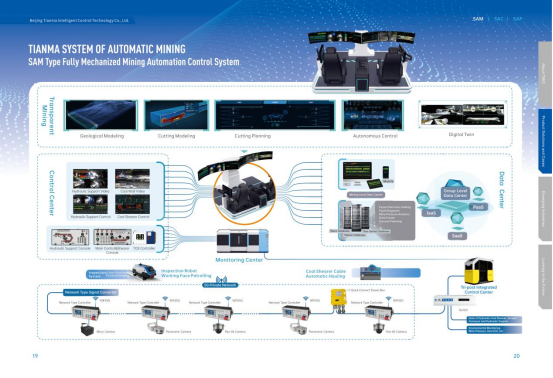
Comprehensive Mining Automation Control System
Beijing Tianma Intelligent Control Technology Co., Ltd.



G.652.D Wavelength-extended Non-dispersion Shifted Single-mode Optical Fiber
HONGAN GROUP CO., LTD.