U.S. Proposes Additional $30 Billion to Upgrade Air Traffic Control and Airport Systems
en.Wedoany.com Reported - On September 22, U.S. Transportation Secretary Sean Duffy said he will ask Congress for an additional $30 billion to upgrade U.S. air traffic control towers, communication systems, software, and digital facilities, while also improving airport infrastructure. About $10 billion is planned to replace aging air traffic control towers, another $10 billion for air traffic control communications and other technical systems, and the remaining funds for airport facilities and related modernization projects. The funding still requires congressional approval.
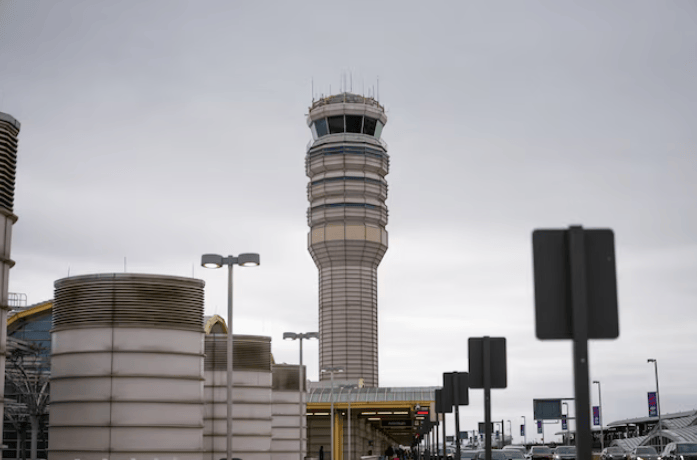
The additional funding is proposed on top of a new round of investment in modernizing the U.S. air traffic control system that has already been launched. In June 2025, the U.S. Congress approved $12.5 billion over the next five years for air traffic control reform. The next-generation air traffic control system construction plan previously announced by the U.S. Department of Transportation covers four parts: communications, surveillance, automation, and facilities, including replacing old communication systems with fiber optic, wireless, and satellite technology at more than 4,600 sites, deploying 25,000 new radio devices and 475 voice switching systems, replacing 618 radars that have exceeded their design life, and building 6 new air traffic control centers.
This round of funding requests also includes expanding the FAA's newly deployed software-based airspace management system. On September 21, the U.S. Department of Transportation and the FAA officially launched the Strategic Management of Airspace, Routes and Trajectories (SMART) system. The platform integrates about 200 data streams, including weather, flight paths, traffic flow, and controller staffing, into a unified platform, and uses an AI-supported analytics engine to predict airspace capacity, congestion, and weather impacts, so as to adjust flight plans and operating trajectories in advance.
SMART is part of the FAA's next-generation traffic management system being advanced this year. In June, the FAA selected Air Space Intelligence to provide two systems, Flow Management Data and Services (FMDS) and SMART. FMDS will serve as the new data and traffic management foundation platform for the FAA's Air Traffic Control System Command Center, while SMART will carry out flight planning and trajectory coordination on that basis.
Communication facility upgrades are another focus of this round of investment. U.S. government audit reports show that the cost of air traffic control communication upgrades has increased from $4.75 billion to $5.91 billion. FAA Administrator Bryan Bedford said the existing aging copper-wire communication facilities are planned to be fully replaced by September 2027. The FAA is also advancing the construction of IP voice switching systems to replace the existing voice switching equipment in air traffic control centers, terminal radar approach control facilities, and airport towers.
Airport infrastructure has also entered a phase of concentrated renewal. In May 2026, the U.S. Department of Transportation invested $835.8 million to replace 8 air traffic control towers and terminal radar approach control facilities, and upgrade federal contract towers at 41 airports; on September 14, it also awarded 280 infrastructure grants totaling $1.1 billion through the Airport Improvement Program to airports in 46 states and 3 territories, covering projects such as runways, terminals, air traffic control towers, and airport vehicle surveillance equipment.
Related Products


One-Stop Steward Service for the Entire Logistics System Integration Chain
Zhongding Intelligent (Wuxi) Technology Co., Ltd.

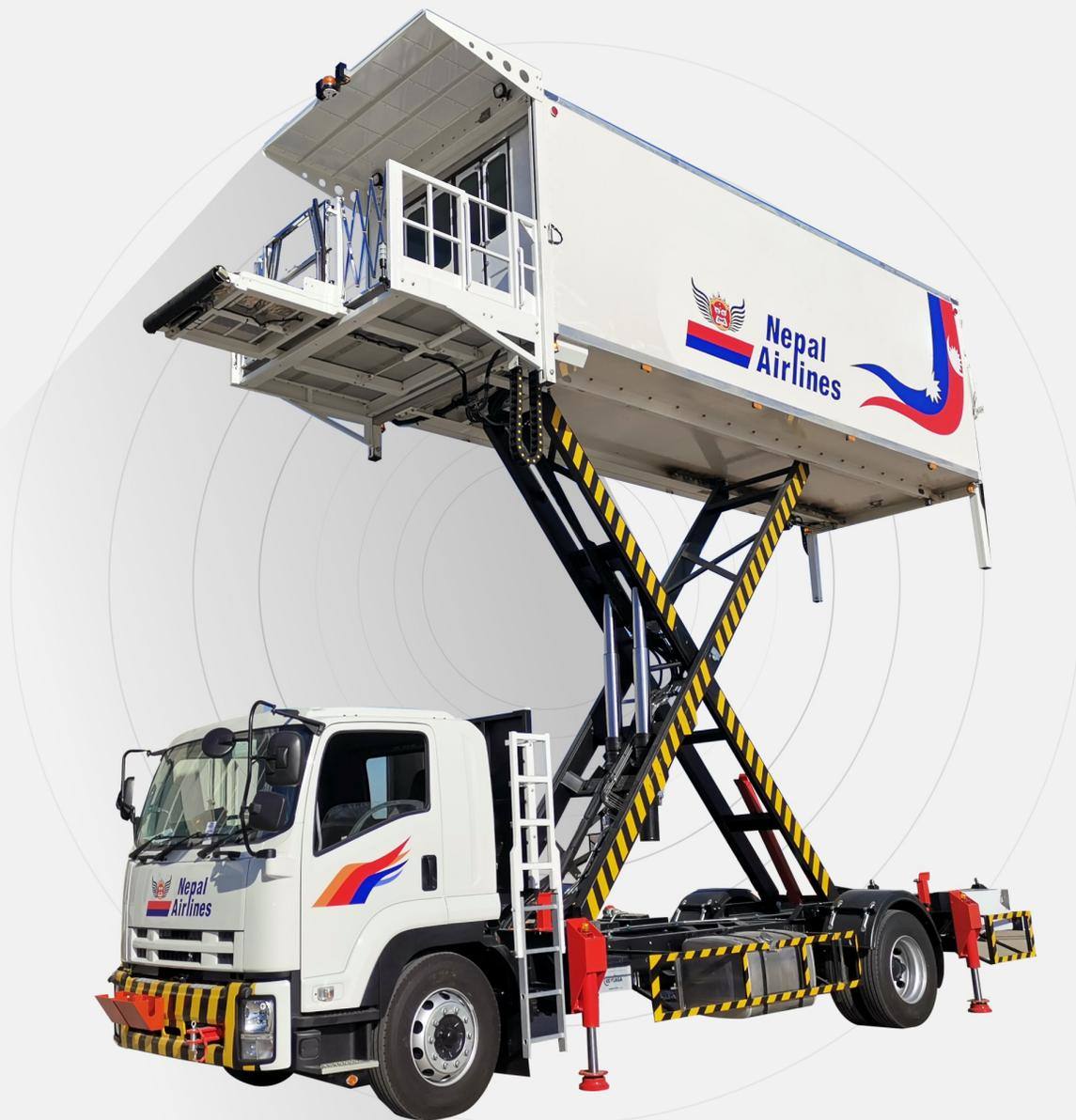
XC-6000e Type Aviation Catering Truck (Fuel Type)
Shenzhen CIMC-TianDa Airport Support Ltd.
CLW5180TXSD6 Dongfeng Tianjin Washing and Sweeping Truck
ChengLi Special Automobile Co., Ltd.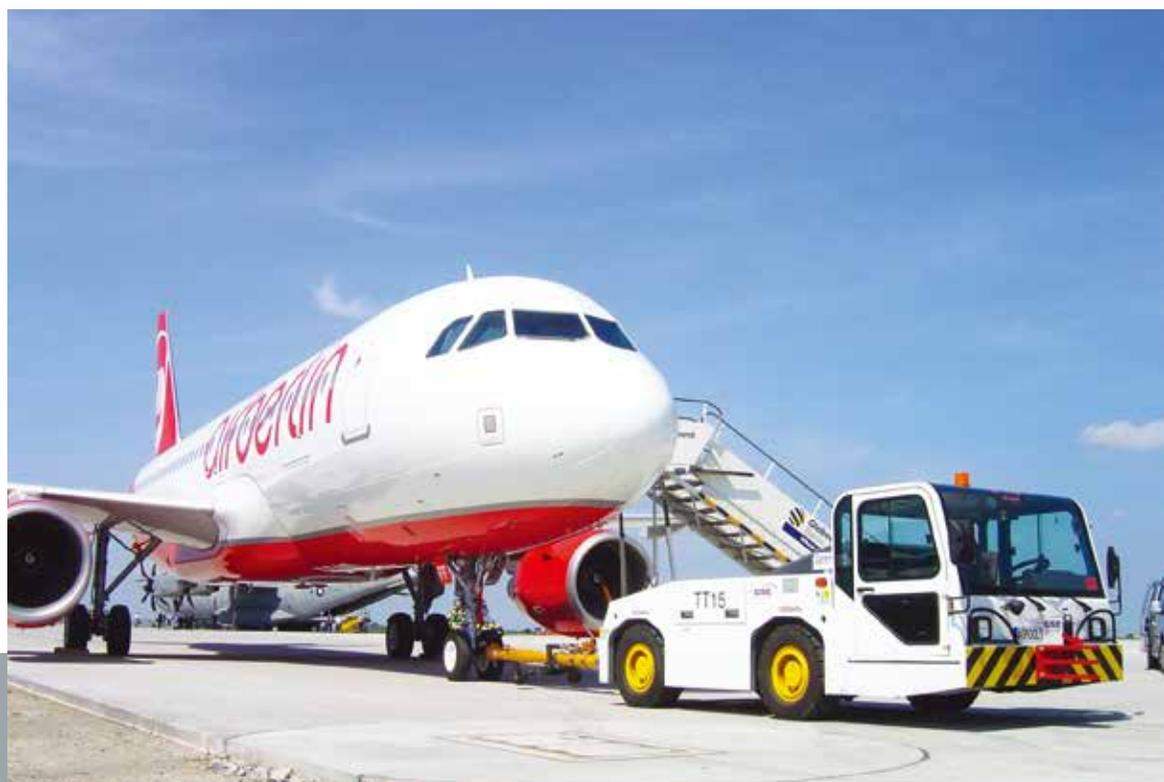
WGQY Series Aircraft Tow Tractor-WGQY15, WGQY27
Weihai Guangtai Airport Equipment Co., Ltd.