Final TBM Breaks Through on Austria-Italy 55 km Brenner Tunnel
en.Wedoany.com Reported - On November 24, "Olga," the last tunnel boring machine involved in the construction of the Austria-Italy Brenner Base Tunnel, reached its designated position, completing approximately 7.6 km of excavation and marking the end of all mechanized excavation work on the roughly 55 km cross-border railway tunnel. With this, all nine TBMs deployed on the project have completed their construction tasks, and work will now shift to the remaining underground structures and railway systems.
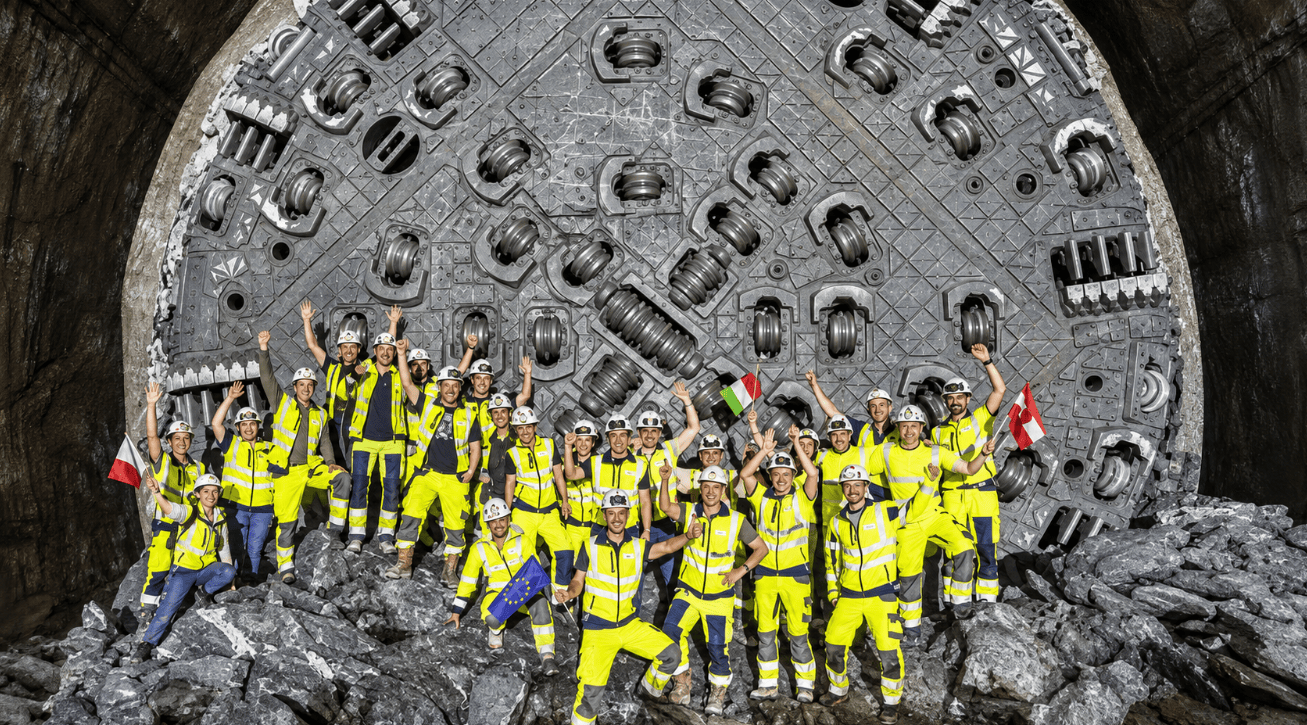
"Olga" was responsible for the east tube main tunnel of the H53 Pfons–Brenner contract section, beginning excavation on September 18, 2024. The machine is approximately 183 m long, weighs about 2,600 t, has a cutterhead diameter of 10.37 m, is equipped with 4,550 kW of drive power, and achieves a maximum torque of 26,400 kN·m. During construction, the cutterhead breaks the rock, a belt conveyor system removes the excavated spoil, and precast concrete segments are installed simultaneously to form the tunnel's permanent lining structure.
Previously, another TBM on the same contract section, "Wilma," completed approximately 7.45 km of excavation in the west tube main tunnel on August 25, 2026, creating a continuous passage along the roughly 55 km west tube main tunnel. With "Olga" now having completed the final mechanized excavation section of the east tube, all mechanized excavation work on the project's two main tunnels has concluded.
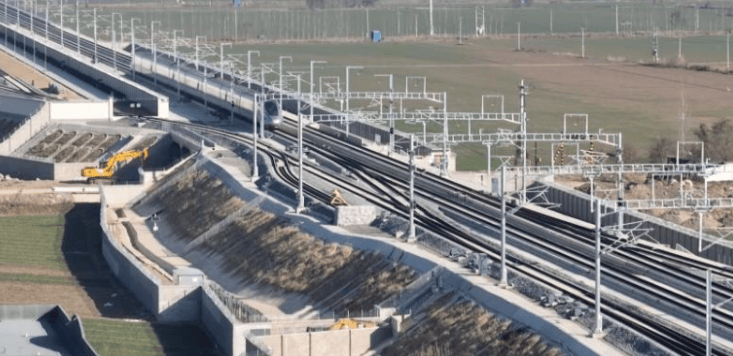
The Brenner Base Tunnel connects Innsbruck, Austria, with Fortezza, Italy. The main tunnels use a twin-tube, single-track design, with an exploration and service tunnel located beneath the main tunnels. Once linked with the existing Innsbruck railway bypass, the project will form an approximately 64 km underground railway corridor and is a key component of the north-south Scandinavian–Mediterranean railway transport corridor in Europe.
A total of nine TBMs were used during project construction, eight of which were manufactured by Germany's Herrenknecht AG. Each machine was configured according to the rock conditions, excavation diameter, and construction requirements of its respective section. During excavation, the construction team also used continuous belt conveyor systems to transport excavated rock, reducing the impact of long-distance underground transport on construction organization.
In July 2026, the two main tunnels on the Austrian and Italian sides were connected at the border through drill-and-blast construction, and the arrival of the TBM at its endpoint has now completed the remaining mechanized excavation sections.
Related Products

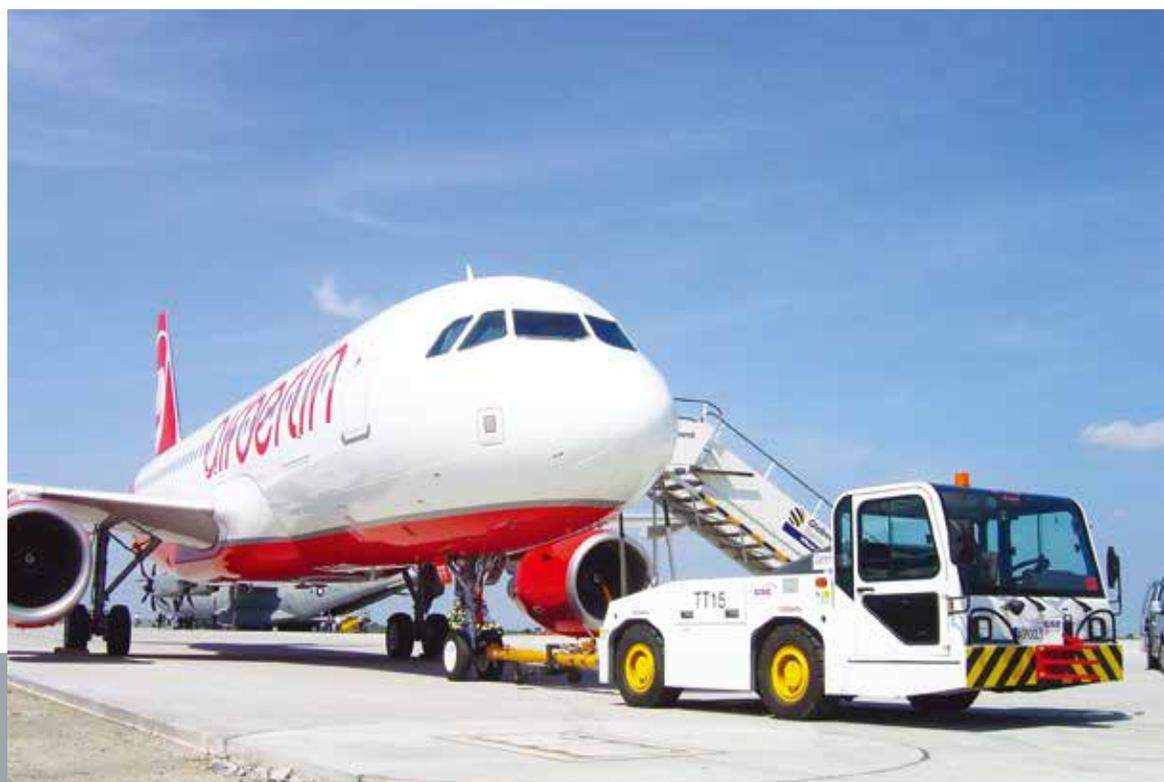
WGQY Series Aircraft Tow Tractor-WGQY15, WGQY27
Weihai Guangtai Airport Equipment Co., Ltd.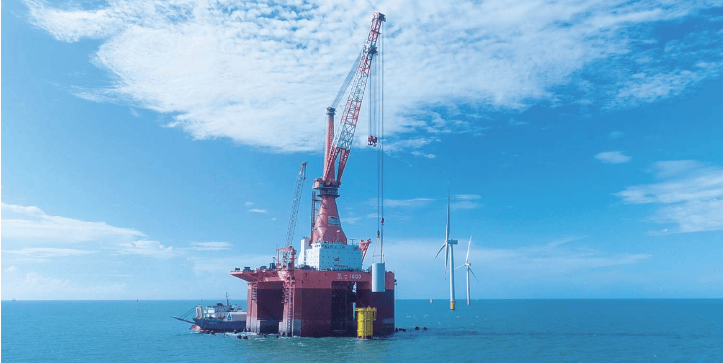
"Shunyi 1600" Deep-submerging Bottom-sitting Multi-functional Wind Power Engineering Vessel
Zhengli Offshore Engineering Co., Ltd.
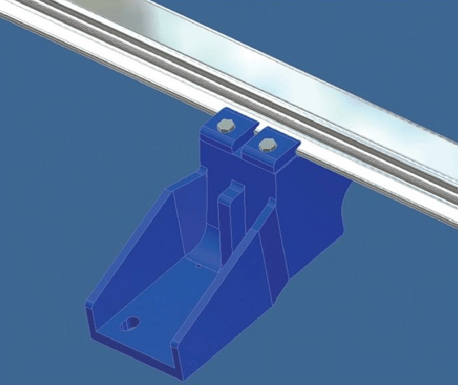


Wheel and Track Technology Business
Beijing Research & Design Institute of Rubber Industry Co., Ltd.