Wedoany.com Report-Aug. 12, On Monday, China’s General Administration of Customs and Ministry of Agriculture and Rural Affairs issued a joint notice banning the direct or indirect import of poultry and related products from Spain due to recent outbreaks of highly pathogenic avian influenza (HPAI). The notice follows reports from the World Organization for Animal Health (WOAH) confirming the presence of the H5N1 strain of the virus in Spanish poultry.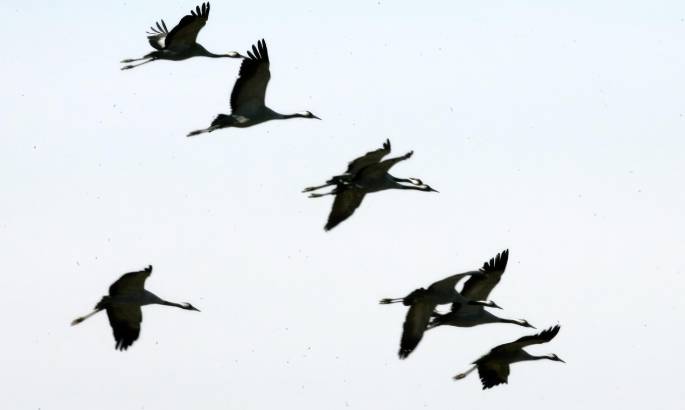
The outbreaks, particularly on a fattening turkey farm in the southwestern region of Extremadura, have prompted the Chinese authorities to take preventive measures to safeguard the country's biosecurity and protect its livestock industry. Spain reported multiple outbreaks in late July and early August, involving both domestic poultry and wild birds. In total, the incidents affected 10,000 poultry, caused 2,000 deaths, led to the culling of 43,000 birds, and resulted in the deaths of 36 wild birds.
As part of the preventive measures, the notice bans the importation of poultry products, including unprocessed items and those processed in a way that may still carry zoonotic diseases. Additionally, it prohibits the mailing or carrying of such products into China, with any items found in violation to be returned or destroyed. The notice also mandates that animal and plant waste, kitchen refuse, and other discarded materials from vessels, aircraft, or other means of transport coming from Spain undergo pest control treatment under customs supervision.
Any poultry products from Spain intercepted during illegal entry will be destroyed under customs supervision. Violations of these measures will be addressed by customs authorities in accordance with relevant laws and regulations.
Wang Guangfa, a respiratory expert from Peking University First Hospital, provided insight into the risks of avian influenza. He emphasized that while the virus primarily affects poultry and typically spreads rapidly with high mortality rates in birds, humans are less susceptible. However, the fatality rate for humans can reach 40 to 50 percent if infected. Wang recommended that people minimize contact with poultry and wild birds during peak seasons and take precautions such as wearing N95 masks, goggles, and gloves when handling or slaughtering poultry.
Furthermore, Wang advised the public to avoid consuming dead poultry, ensure poultry meat is fully cooked, and practice proper hygiene during processing to reduce the risk of infection.