Wedoany.com Report-Sept. 13, The Panama Maritime Authority (PMA) has announced progress on a national plan to decarbonize the country’s maritime sector. The initiative aligns with international commitments and aims to strengthen Panama’s position in the global shipping industry.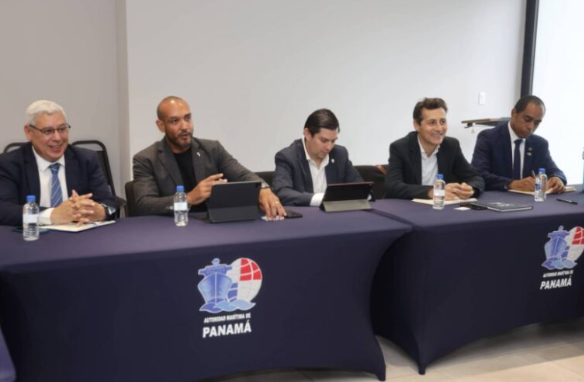
During a recent meeting with a European Union–appointed consultant providing technical support, Alexander De Gracia, Acting Administrator of the PMA, stated: “In the next five months, we expect to have a draft action plan ready so we can begin execution as soon as possible. But we need the collaboration of many players across the industry.” His remarks emphasized the importance of cooperation to achieve the country’s decarbonization objectives.
The plan will form part of Panama’s National Maritime Strategy. Its purpose is to establish the right conditions and regulatory framework to make Panama an attractive hub for international investment in alternative fuels. This element is regarded as a central pillar of the proposed roadmap.
Arthur James, External Consultant for the EU delegation in Panama, highlighted the value of technical assistance: “This will give us a baseline and a clear diagnosis of the country’s current standing. We’ll be able to identify what needs to be done, where we’re heading, and which tools we need to honor international commitments.” His comments pointed to the importance of accurate assessments and structured planning.
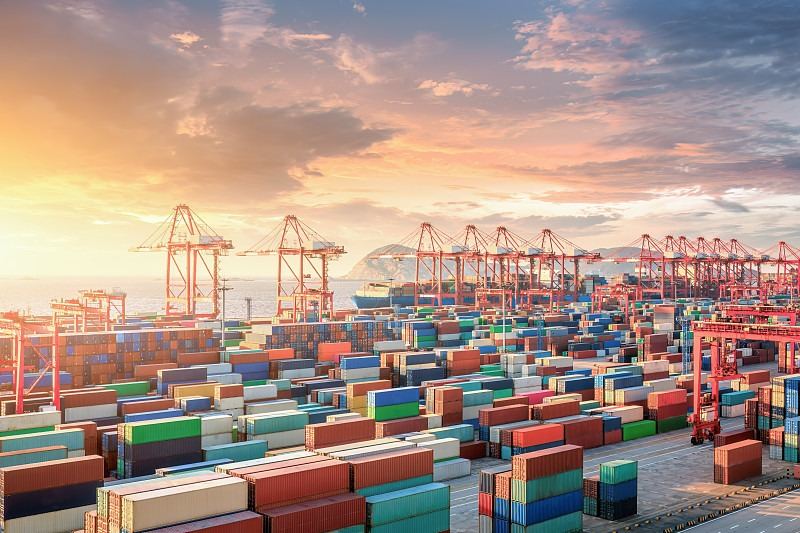
Panama, as a member state of the International Maritime Organization (IMO) and home to the world’s largest ship registry, has pledged to meet global emission-reduction goals. In 2023, the IMO adopted a target of achieving net-zero greenhouse gas emissions from international shipping by 2050. As such, Panama is expected to contribute actively to these international efforts.
Decarbonization in the maritime industry involves reducing emissions from vessels while accelerating the adoption of cleaner fuels and advanced green technologies. These developments are considered necessary to advance sustainable shipping practices. The transition includes the use of alternative fuels, investment in new infrastructure, and innovation in vessel design and operation.
The national plan also reflects a broader strategy to support economic opportunities linked to the energy transition. By creating favorable conditions for investment, Panama seeks to reinforce its role as a leading maritime hub and align with evolving international standards. The action plan will set a framework for both short-term steps and long-term commitments, ensuring consistency with the IMO’s targets.
The PMA has underscored that collaboration among government bodies, industry players, and international partners will be essential. With the timeline aiming for a draft action plan in five months, the country is moving toward integrating environmental responsibility with its longstanding role in global shipping.
Panama’s efforts highlight the intersection of environmental goals and economic development, with the maritime sector playing a central role in meeting both national and international expectations.