Wedoany.com Report-Oct. 26, Repsol SA announced plans to hybridize its 818-megawatt (MW) combined cycle power plant in Escatron, Zaragoza, by integrating 15 wind projects with a total capacity of 805 MW. The company acquired the wind projects from Forestalia, which will remain the developer until they are commissioned. Repsol said the hybridized facility will be connected to a proposed third-party data center nearby.
Repsol plans to connect the hybridized plant to a proposed data center owned by a third party.
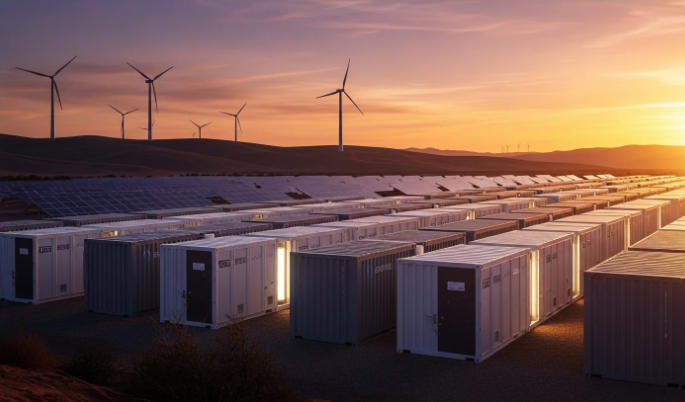
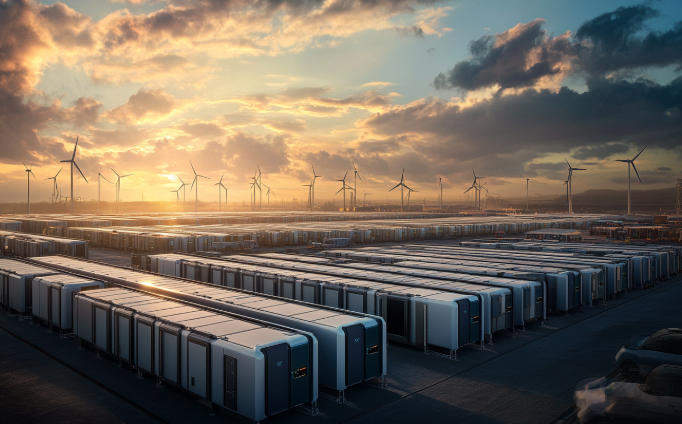
According to the company, this initiative represents “the largest energy hybridization project in Spain and one of the largest worldwide,” located in the northern region of Aragon. “This hybridization project will add more than 1,600 MW from two different energy sources, but sharing the same connection point to the grid, which will permit the complementarity of both sources to be exploited, stabilizing supply, maximizing the use of the connection point to the grid, and optimizing infrastructure and maintenance,” Repsol stated.
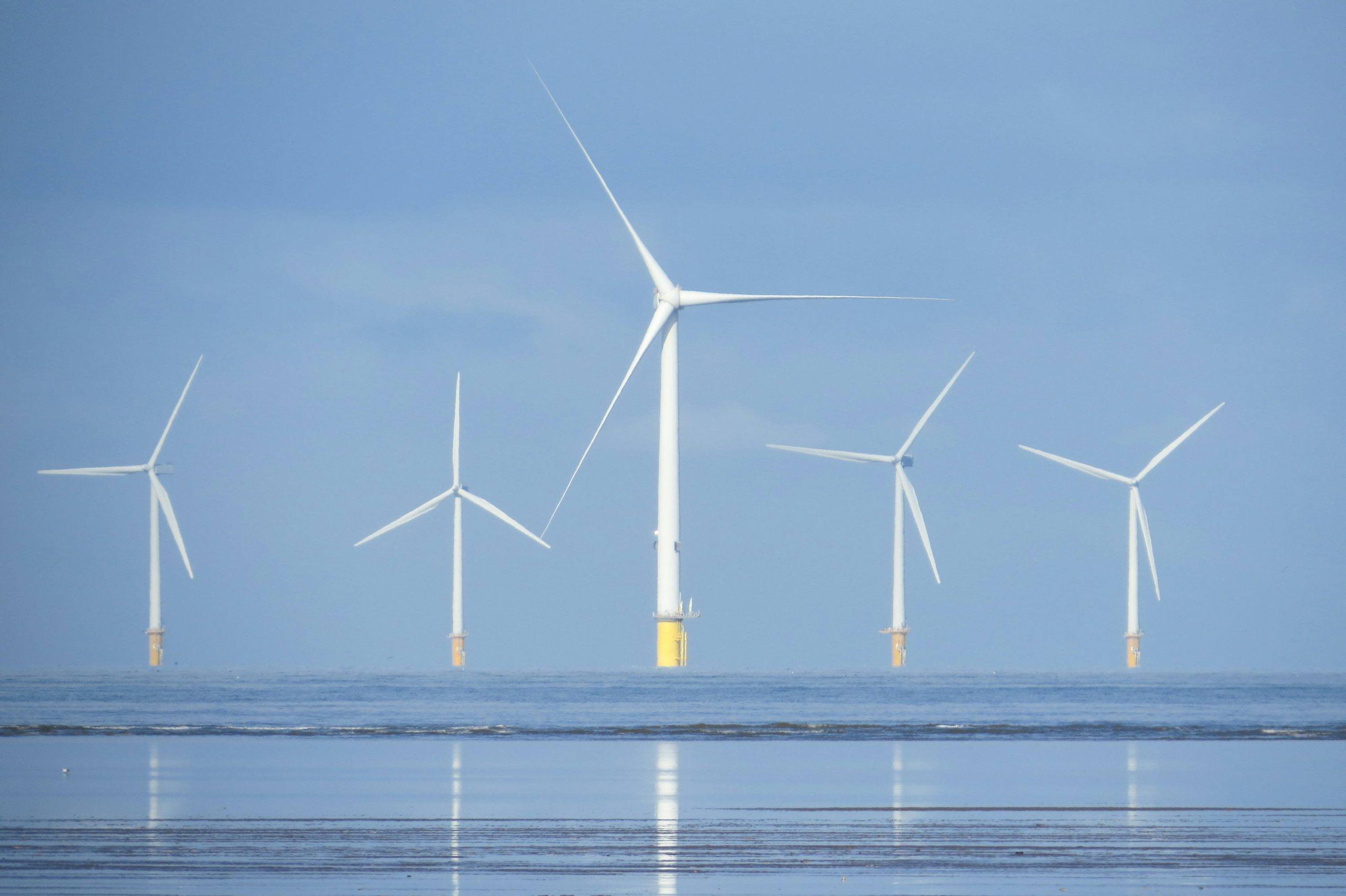
The wind farms, which are currently under development, have already received a favorable Environmental Impact Statement. They will share the evacuation infrastructure with the Escatron power station, optimizing resource use and operational integration. Repsol also highlighted the project’s alignment with the planned data center, for which it has secured grid connection approval from Red Electrica de España. The data center will receive 402 MW of renewable energy for self-consumption, supported by an additional 800 MW of hybrid energy. This will make it one of Spain’s most powerful data centers.
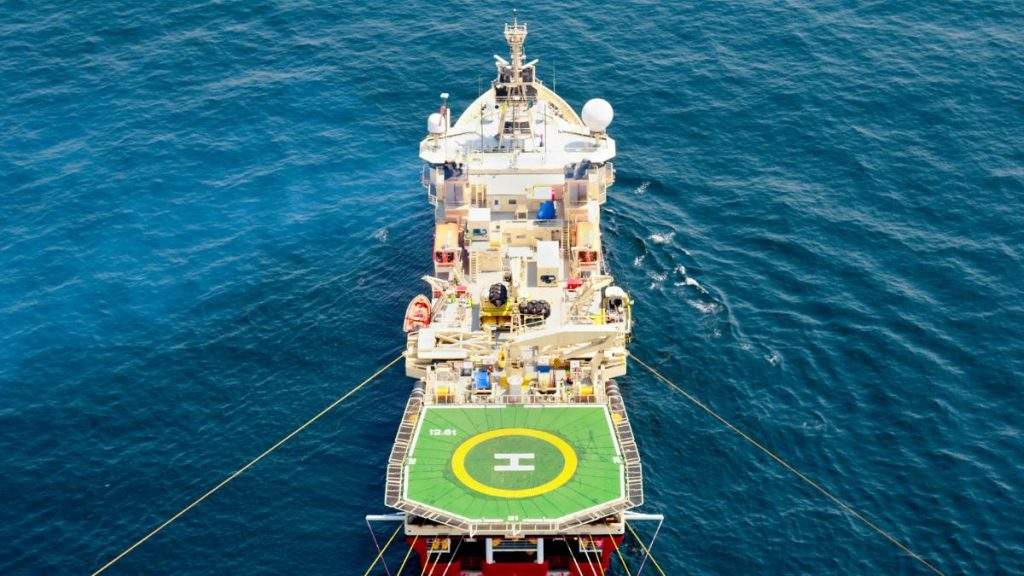
In a separate renewable energy initiative, Repsol and Norwegian Cruise Line Holdings Ltd. (NCLH) announced an eight-year agreement for the supply of renewable fuels to NCLH vessels operating at the Port of Barcelona. Starting from the 2026 European season, Repsol will provide a range of renewable fuels, including biofuels and, from 2029, renewable methanol. The supply will serve all three NCLH brands—Norwegian Cruise Line, Oceania Cruises, and Regent Seven Seas Cruises.
“All fuels provided under the agreement are certified under the ISCC EU framework and meet the standards necessary to support NCLH’s environmental compliance and decarbonization roadmap,” the companies said. The renewable methanol will be sourced from Repsol’s Ecoplanta facility in Tarragona, a project designed to convert municipal solid waste into renewable fuels and circular products. Expected to start operations in 2029, the plant will process up to 400,000 tons of waste annually to produce 240,000 tons of renewable fuels. NCLH will be the first offtaker for this facility.
Juan Abascal, Repsol’s executive managing director for industrial transformation and circular economy, said: “By partnering with NCLH, one of the world’s leading cruise companies, we show that renewable fuels are already deployable at scale to immediately start reducing emissions at sea.”