Aclara Jumps on US Ree Plant Plan
Wedoany.com Report-Oct. 27, Aclara Resources (TSX: ARA) plans to invest $277 million to build a heavy rare earth separation facility in Louisiana, aiming to support U.S. critical minerals supply. The plant, designed to process feed from Aclara’s ionic-clay projects in Brazil and Chile, is scheduled for completion in 2027, subject to financing and permitting. Louisiana is providing $46.4 million in tax incentives and grants to support the project. Currently, nearly all heavy rare earths are refined in China.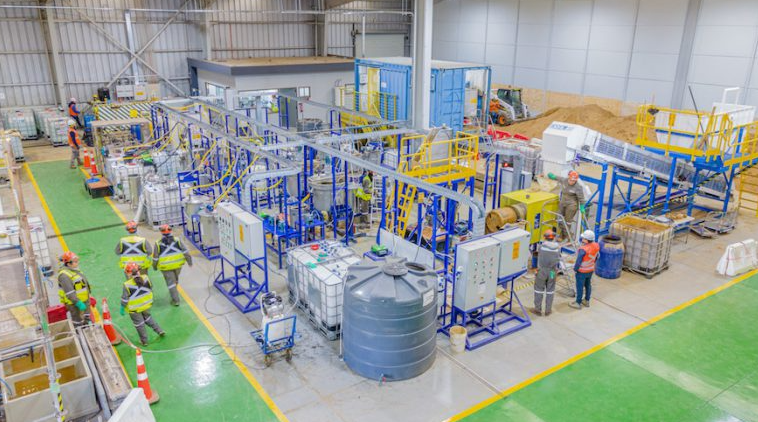
Aclara aims to produce quality rare earth oxide baskets sourced from ionic clay deposits.
The facility will occupy a 33-hectare (82-acre) site at the Port of Vinton near Lake Charles, providing access to the Gulf Intracoastal Waterway and nearby chlor-alkali facilities used in Aclara’s refining process. The site’s infrastructure, chemical industry presence, and logistics were key factors in its selection.
Ramon Barua, Aclara CEO, said: “Our project is unique in the Western world. With direct access to our ionic clay deposits, this will be the only fully integrated heavy rare earth separation operation currently capable of producing material volumes of heavy rare earths at scale.” Following the announcement, Aclara shares rose 14% in Toronto to C$3.15, valuing the company at C$686 million ($489 million).
Aclara, 57% owned by Hochschild Mining (LSE: HOC.L), aims to supply more than three-quarters of U.S. dysprosium (Dy) and terbium (Tb) demand by 2028, with annual output expected at 200 tonnes Dy, 30 tonnes Tb, and 1,400 tonnes neodymium-praseodymium (NdPr) of high-purity oxides. The planned production represents about 14% of China’s official DyTb output, positioning the Louisiana plant as a central node in a Western supply chain for magnets and electric motors used in electric vehicles, wind turbines, drones, and defense applications.
Aclara’s separation technology was co-developed with Virginia Tech, whose pilot plant is expected to operate in early 2026. Engineering partner Hatch is coordinating the design with the Carina project in Goiás, Brazil, where a pre-feasibility study is expected in November and a full feasibility study in the second quarter of 2026.
The Carina project hosts 236.3 million indicated tonnes grading 293 ppm NdPr, 43 ppm Dy, and 6.8 ppm Tb, totaling 371,492 tonnes of rare earth oxides. Inferred resources amount to 48 million tonnes grading 236 ppm NdPr, 41 ppm Dy, and 6.4 ppm Tb, totaling 61,675 tonnes TREO. The project could generate up to 191 tonnes of Dy and Tb annually, with a preliminary economic assessment estimating a 22-year mine life, $1.5 billion net present value at an 8% discount rate, and a 27% internal rate of return. Aclara received $5 million in U.S. government support in September 2025 for development work under a bilateral critical minerals cooperation framework.
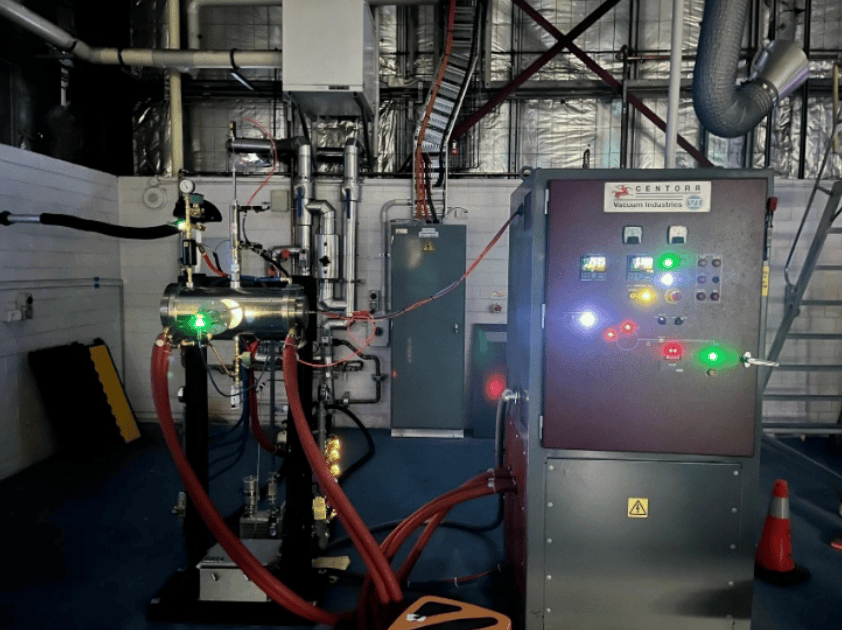
In Chile, Aclara is advancing the Penco project, hosting 27.5 million measured and indicated tonnes grading 2,292 ppm TREO for 62,900 tonnes contained. The Louisiana plant is designed for scalability, allowing processing of other compatible feedstocks as the company’s South American resources grow. A semi-industrial pilot plant in Brazil is currently testing metallurgical recovery and proprietary separation processes.
Founded in 2021 after spinning out from Hochschild Mining, Aclara uses a patented water-based process that avoids traditional acid leaching, reducing waste and eliminating radioactive by-products. The project aligns with broader North American investment in rare earths separation, processing, and magnet manufacturing.
Related Products
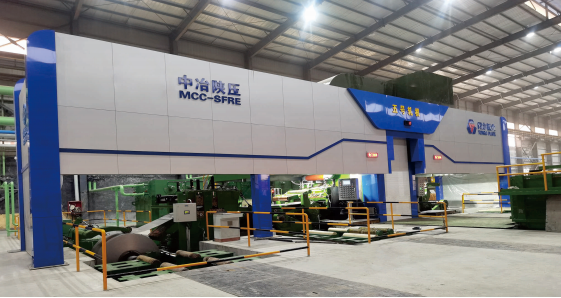

1050-1750mm Steel Strip Single-stand Reversible Cold Rolling Production Line
MCC-SFRE HEAVY INDUSTRY EQUIPMENT CO., LTD.

High-temperature Equal Wall Thickness High-power Screw Drilling Tool
Orient Energy & Technologies Co., Ltd.
New Environmentally Friendly Green Potassium Salt Collector
Chonfar Engineering and Technology Co., Ltd.
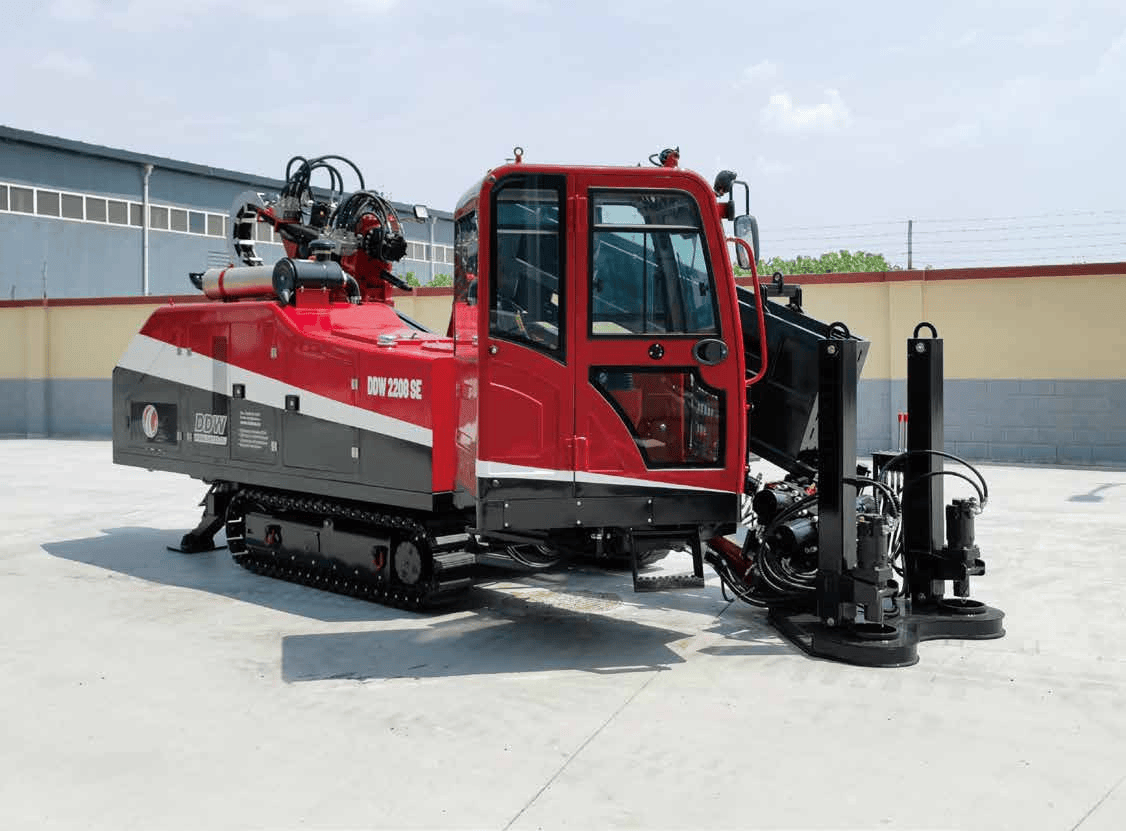
DDW22/08SE-HORIZONTAL DIRECTIONAL DRILL
DW/TXS Construction Equipment (Beijing) Co., Ltd.
Linyi Steel Investment Special Steel 2.7 Million Tons per Year High-quality Special Steel Project
Capital Engineering & Research Incorporation Limited