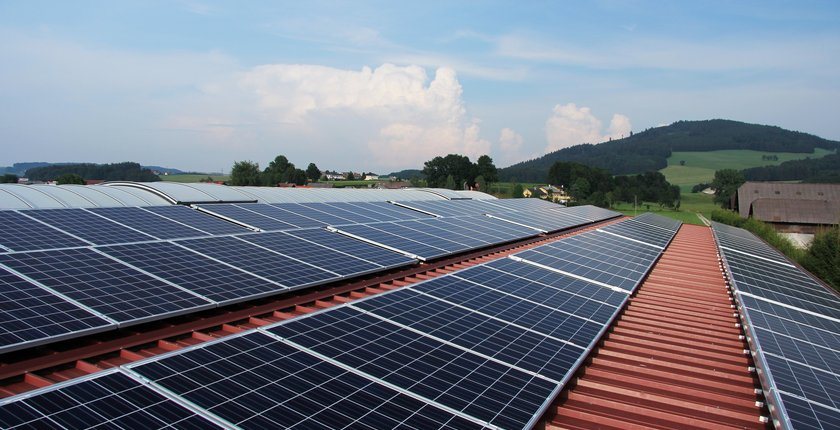
Wedoany.com Report-Nov. 4, Ghana has officially launched its National Clean Energy Programme (NCEP) to accelerate rooftop solar deployment across the country. The initiative is a joint effort between the Ministry of Energy and Green Transition and the Swiss-based Klik Foundation, a carbon offset organization. The programme will channel $200 million in Swiss investment to install approximately 4,000 new rooftop solar systems with a combined capacity of 137 MW.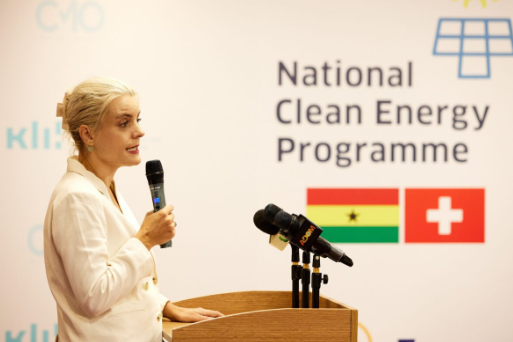
Funding for the project will be managed through the Klik Foundation, which supports verified emission reduction projects. The programme will cover both residential and commercial installations intended for self-consumption. Subsidies will be provided after installation, complemented by performance-based payments linked to verified emission reductions. A fully digital system will be used to track measurement, reporting, and verification for each installation, ensuring transparency and accountability.
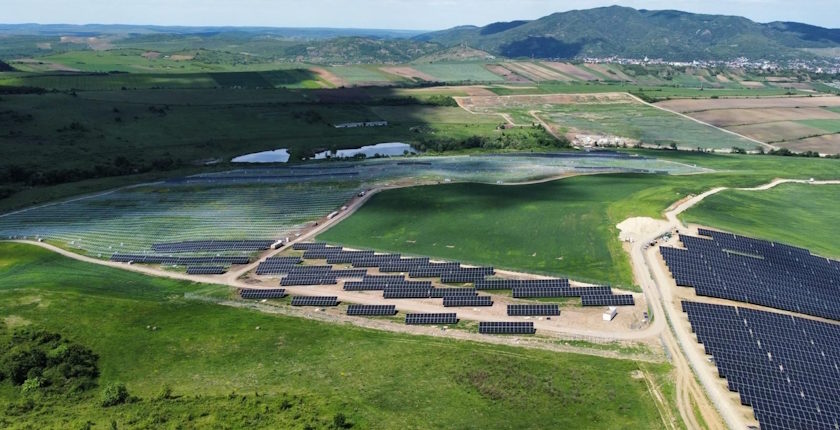
The NCEP builds on Ghana’s broader clean energy strategy, which includes plans to establish a renewable energy investment fund announced in March. This fund is designed to attract private capital and expand the country’s clean energy capacity. According to the Africa Solar Industry Association (AFSIA), Ghana currently has 188 MW of installed solar capacity, including 66 MW dedicated to commercial and industrial systems.
The government aims for renewable energy to contribute 10% of national electricity generation by 2030. As of the Voluntary National Review 2025, non-hydro renewables represent less than 3% of Ghana’s power mix, highlighting the need for accelerated adoption of clean energy solutions.
The NCEP is expected to support Ghana’s transition to a more sustainable energy system while promoting private-sector participation in the clean energy market. By targeting rooftop solar systems, the initiative not only increases electricity access and reliability but also contributes to emissions reductions and climate goals.
The Swiss Embassy in Ghana emphasized the importance of international collaboration in scaling up renewable energy adoption. Ghana’s Ministry of Energy and Green Transition will oversee implementation and ensure alignment with national policies, while the Klik Foundation provides technical and financial management, leveraging its expertise in carbon offset and verification mechanisms.
Through NCEP, the government aims to strengthen local capacity for renewable energy deployment, create jobs in installation and maintenance, and stimulate economic growth in the clean energy sector. The programme’s digital monitoring system will provide data-driven insights to optimize performance and inform future policy decisions.
Overall, the National Clean Energy Programme marks a significant step in Ghana’s renewable energy agenda. By mobilizing international investment, promoting private participation, and integrating innovative monitoring and verification systems, the initiative seeks to expand solar energy adoption, reduce carbon emissions, and contribute to long-term energy sustainability across the country.