Kenyan Tea Exporters Turn to Air Freight Amid Mombasa Port Congestion
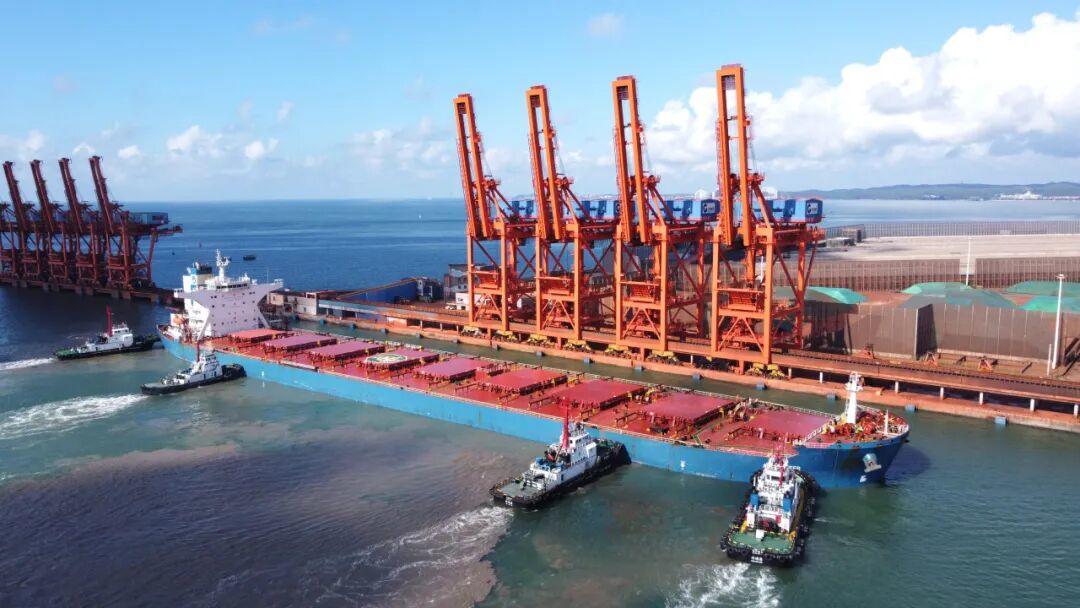
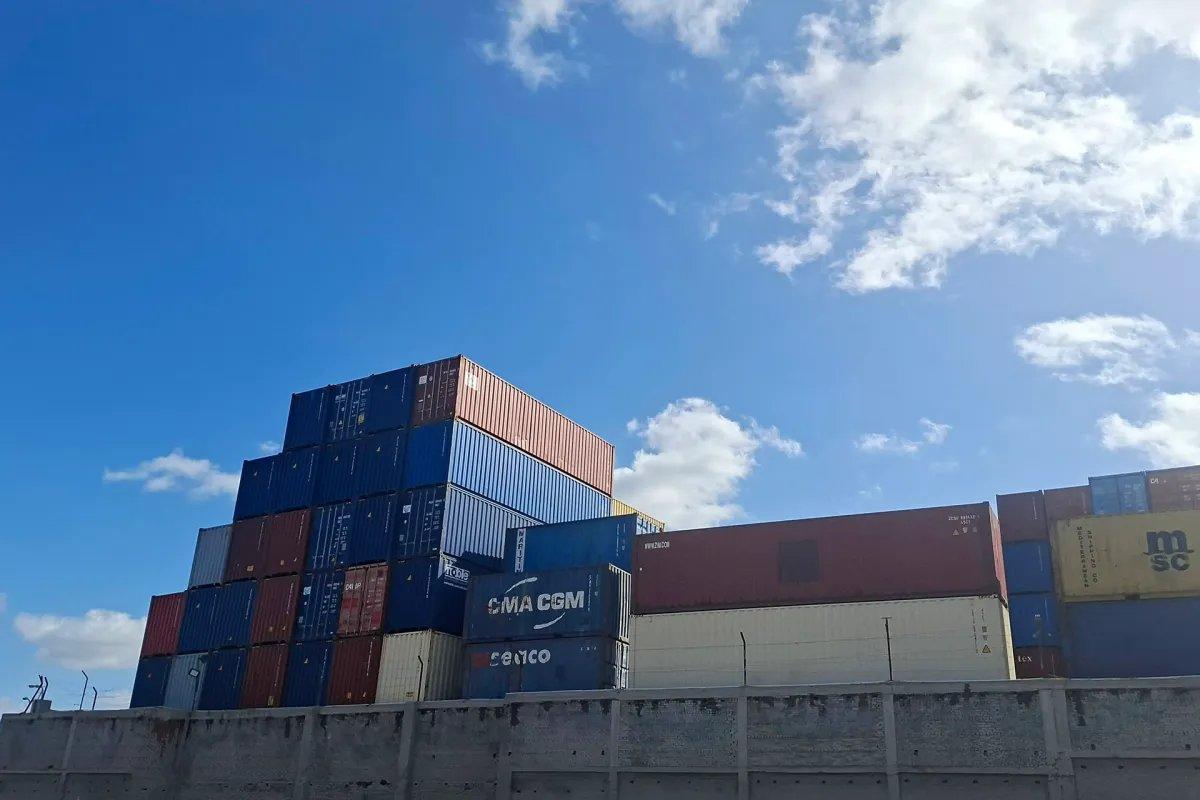
Wedoany.com Report on Feb 3rd, Faced with persistent congestion and cargo backlogs at the Mombasa port, Kenyan tea exporters are resorting to unconventional transportation methods. To ensure stable supply to the UK market, local producers are opting to ship tea via air freight, despite the significantly higher cost compared to traditional sea transport.
Peter Kimanga, Chairman of the East African Tea Buyers Association, pointed out that under the current circumstances, air freight has become the primary viable route for exporting tea to the UK. He stated, "Currently, it costs us $2 per kilogram to send tea to the UK by air, while sea freight is only $0.25. These costs are unbearable, but we have no choice because demand from the UK this season is very high."
The UK is a crucial overseas market for Kenyan tea. Data shows that in 2024, the UK imported 57.44 million kilograms of tea from Kenya, making it the third-largest importer after Pakistan and Egypt. Although specific statistics for 2025 have not yet been released, related trade is estimated to be between $106 million and $138 million. Maintaining a stable supply to the UK market is vital for the sustained development of Kenya's tea industry.
Kimanga further explained that although high freight costs significantly squeeze profit margins, maintaining access to the UK market is even more critical. He elaborated, "The UK market is very sensitive. If we fail to deliver on time, Kenya will be categorized as an unreliable supplier, which will affect future tea sales. After losing the Sudan and Iran markets, we need to protect the UK market." Therefore, even under cost pressures, ensuring supply chain reliability remains the current priority.
Addressing the operational bottlenecks at Mombasa Port, William Ruto, Managing Director of the Kenya Ports Authority, stated that the authority is collaborating with state-owned logistics enterprises like the Kenya Railways Corporation to reduce cargo dwell times and clearance delays. However, some industry representatives remain skeptical. Elijah Mbaru, CEO of the Kenya Ships Agents Association, noted that port efficiency issues have impacted the entire logistics chain, increasing various costs including berth fees and vessel services, which ultimately get passed on to exporters.
Currently, Kenyan tea exporters continue to rely on air freight to maintain supplies to the UK market amidst the congestion at Mombasa Port. This coping strategy highlights the significant impact of logistics infrastructure on trade activities and the challenges exporters face in balancing costs with market relationships.
Related Products
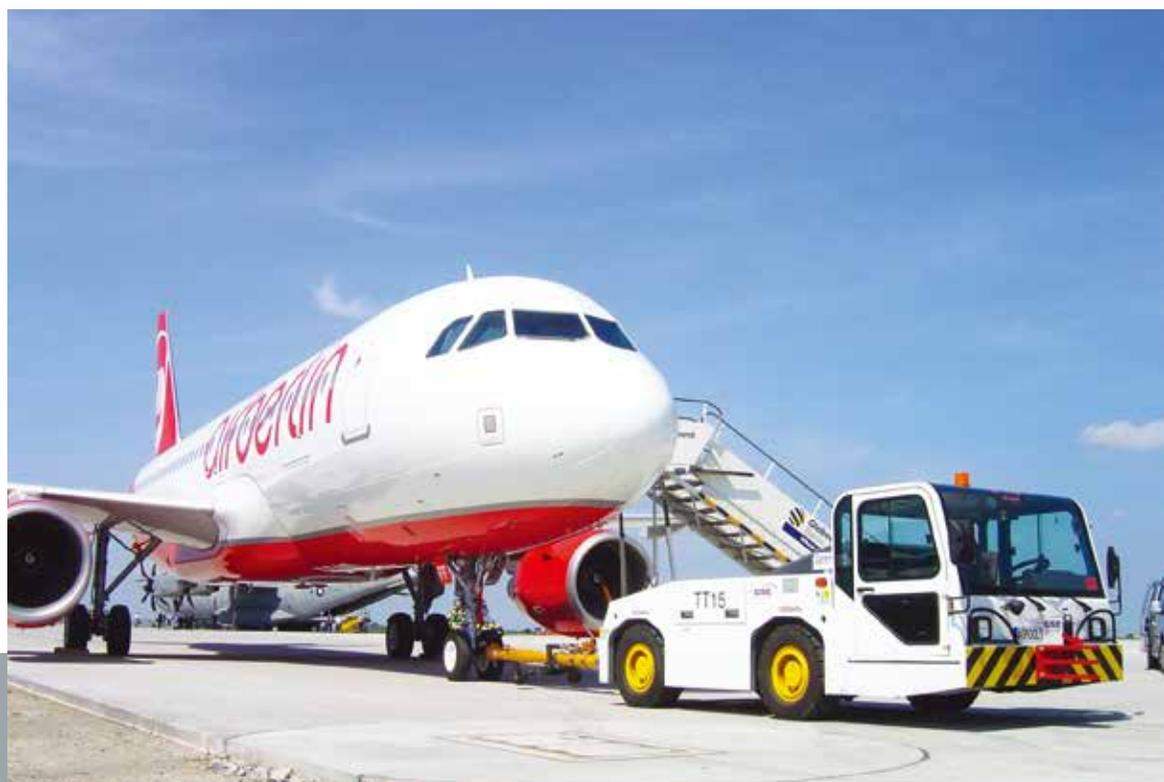

WGQY Series Aircraft Tow Tractor-WGQY15, WGQY27
Weihai Guangtai Airport Equipment Co., Ltd.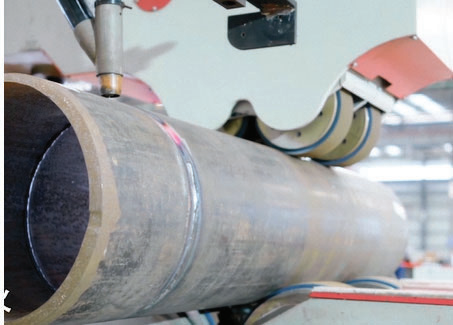
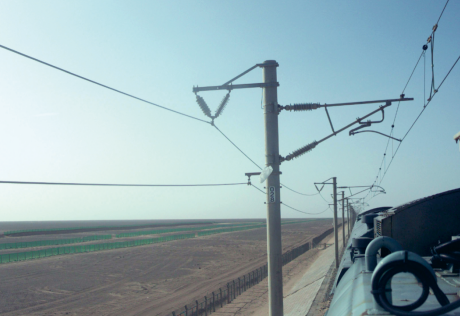
Pantograph-Catenary Comprehensive Detection Device (1C)
CHENGDU TANGYUAN ELECTRIC CO., LTD.
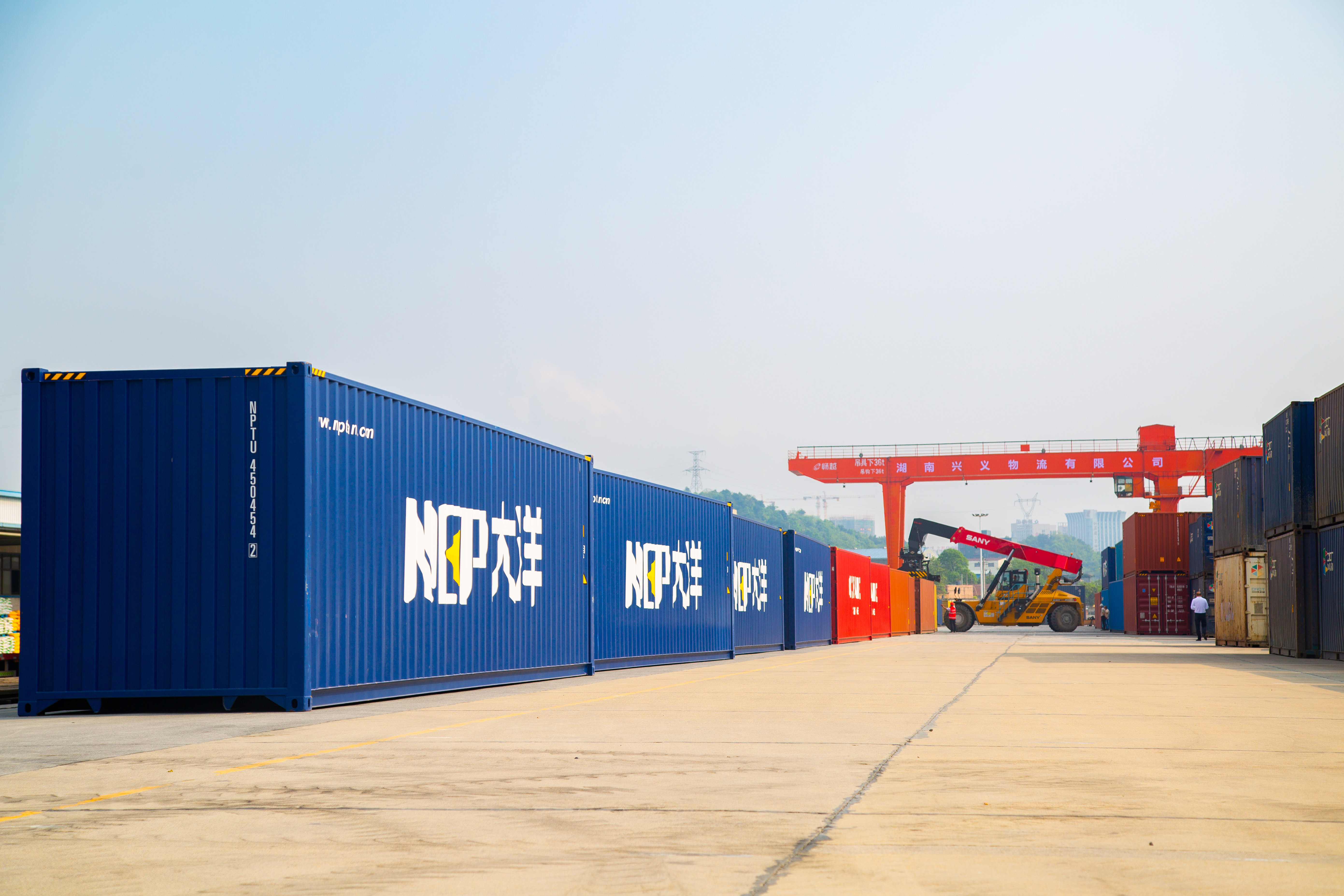
China - Alashankou/Khorgos - Europe Full Range Transportation (Mala/Hamburg/Duisburg/Budapest, etc.)
Shenzhen Neptune Logistics Co., Ltd.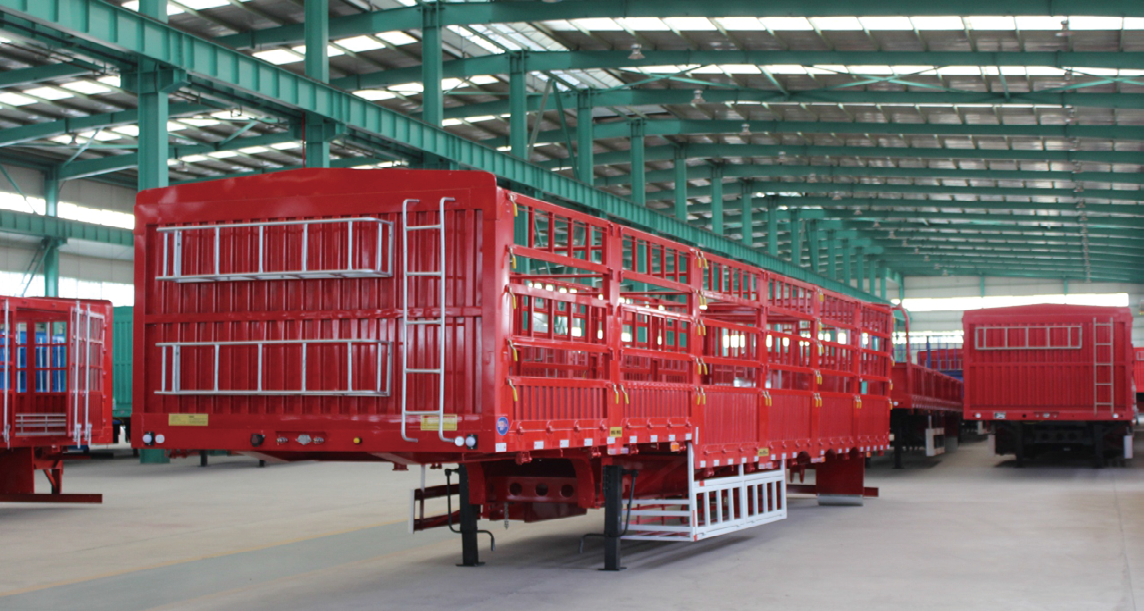
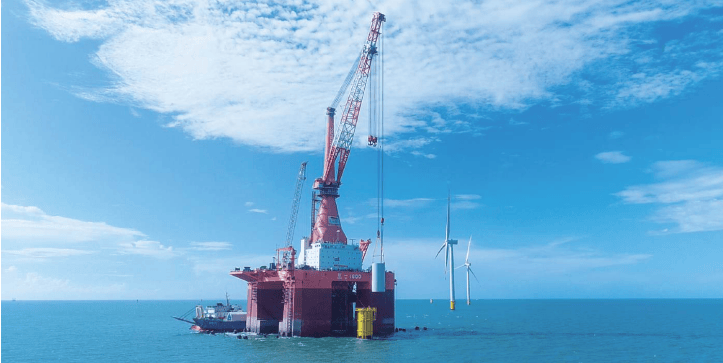
"Shunyi 1600" Deep-submerging Bottom-sitting Multi-functional Wind Power Engineering Vessel
Zhengli Offshore Engineering Co., Ltd.

ERW Welded Pipe (Black Pipe and Hot-dip Galvanized Steel Pipe)
Handan Zhengda Steel Pipe Co., Ltd.