Premier1 Lithium Commences Drilling at Mt Kersey Gold Prospect in Western Australia
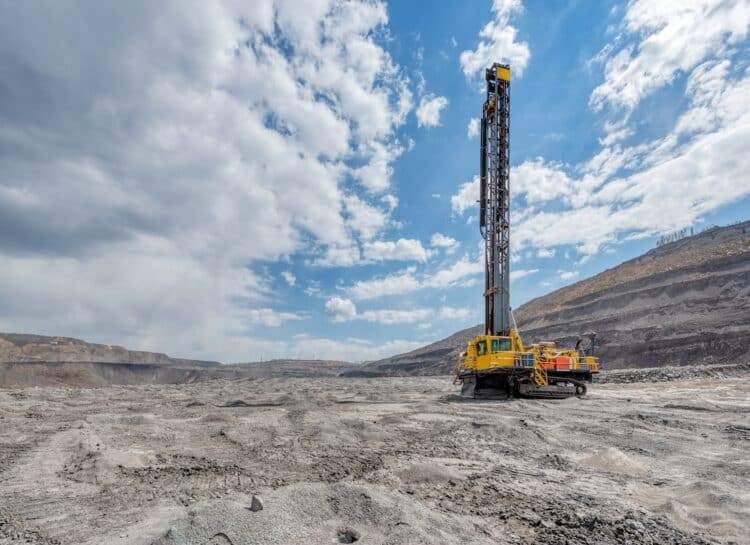
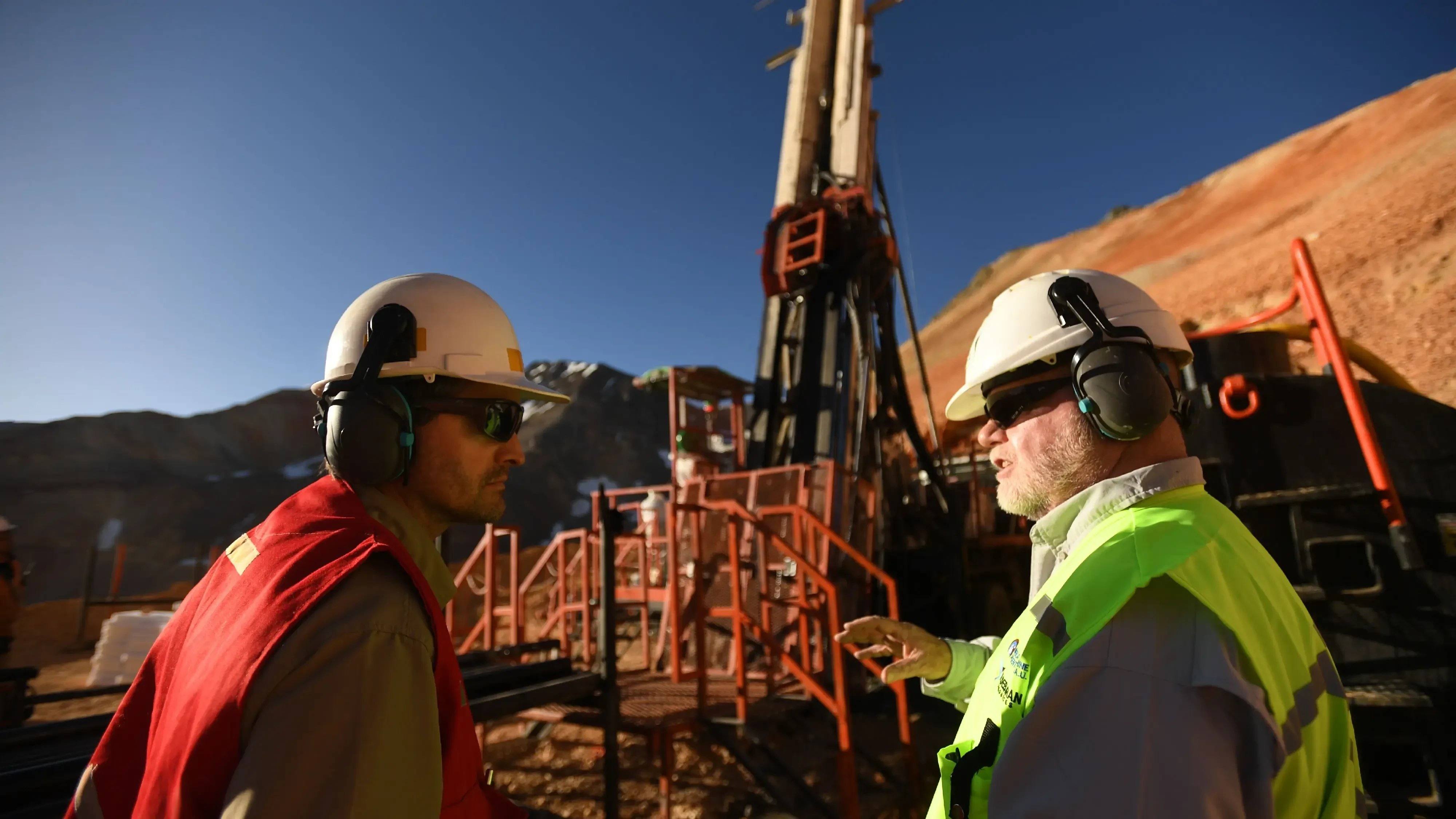
Wedoany.com Report on Feb 3rd, Premier1 Lithium Ltd has completed the full acquisition of the Yalgoo Gold Project in Western Australia and will commence drilling operations at its high-priority Mt Kersey gold prospect. The company plans to implement a 3,700-meter reverse circulation drilling program aimed at testing a hydrothermal system extending over one kilometer.
The Mt Kersey prospect is located east of the wholly-owned Wadgingarra prospect, which has an inferred resource of 150,000 tonnes at 2.7 g/t gold, containing approximately 13,000 ounces of gold. The broader Yalgoo area covers five square kilometers of confirmed gold mineralization. The company stated that rock chip sampling has yielded high-grade gold assay results of up to 26.4 g/t and 14.2 g/t, indicating the potential for higher-grade mineralization in the area.
Premier1 Lithium will utilize up to $180,000 in exploration incentive scheme funding and $176,000 in drilling credits, which is expected to significantly reduce the project's cash costs. Executive Director Simon Phillips said, "Completing the acquisition of the Yalgoo Gold Project gives Premier1 full ownership of Mt Kersey and surrounding prospects. These targets lie within an emerging large-scale mineralization center." The drilling work plan has been approved, site preparations are complete, and implementation is expected to begin in mid-February 2026.
Exploration Manager Paul Smith added, "Our geological team has obtained all necessary regulatory approvals and completed site preparations, enabling us to commence drilling. Mt Kersey is one of the highest priority targets at Yalgoo, and we look forward to the results this drilling campaign will reveal." The area shows a 300m by 200m soil gold anomaly on the surface, with gold values up to 88 ppb, accompanied by a suite of indicator elements including tellurium, bismuth, arsenic, copper, molybdenum, and zinc, outlining a hydrothermal system extending over one kilometer along strike.
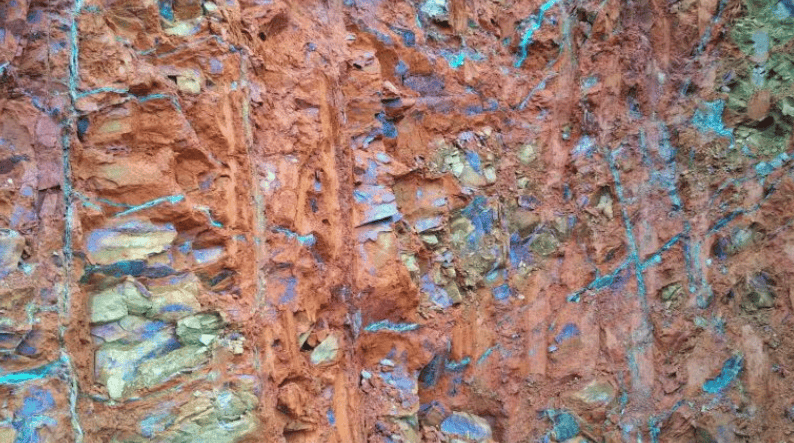
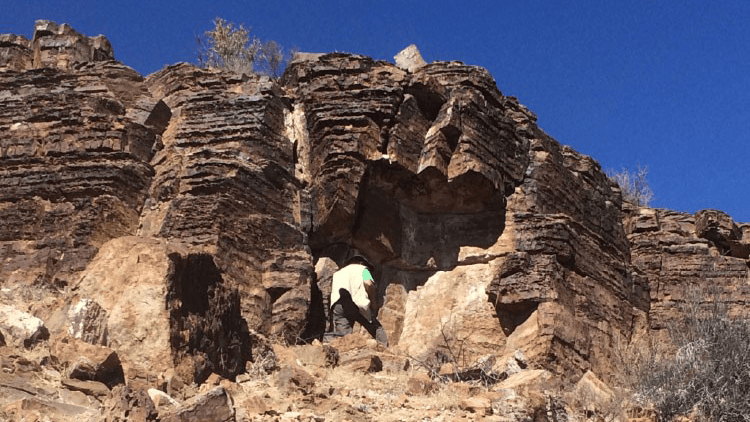
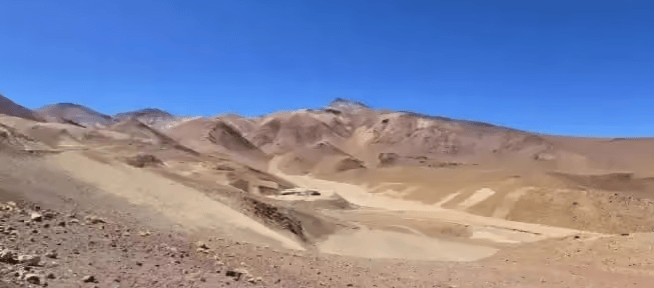
Mt Kersey is located on Exploration License E59/2288, hosted within structurally complex sedimentary rocks and banded iron formations, with intrusions such as gabbro and komatiitic basalt. The company interprets the mineralization to be controlled by secondary structures on the hanging wall of a major reverse fault on the eastern side of the target area. Historical drilling was typically shallow and did not adequately test key structures and geochemical targets. Subsequent drilling was also concentrated south of the main system, leaving the core area of Mt Kersey largely untested at effective depths and within the hydrothermal footprint.
Related Products


New Environmentally Friendly Green Potassium Salt Collector
Chonfar Engineering and Technology Co., Ltd.
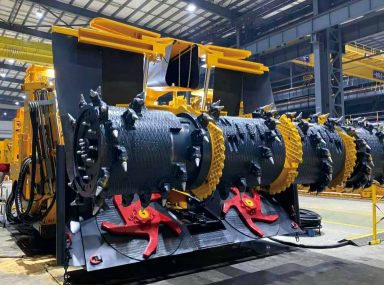
Integrated Excavation and Anchoring Machine (EJM Series)
China Railway Construction Heavy Industry Corporation Limited
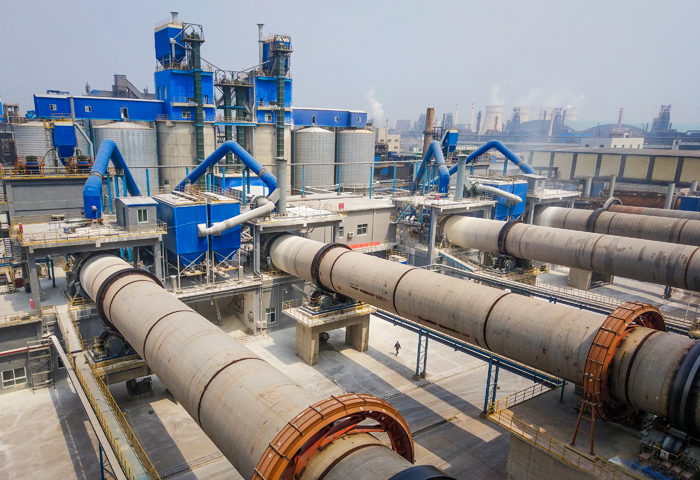
CITIC Heavy Industries Metallurgical Equipment Steel Smelting Engineering Equipment
CITIC Heavy Industries Co., Ltd.
Comprehensive Mining Automation Control System
Beijing Tianma Intelligent Control Technology Co., Ltd.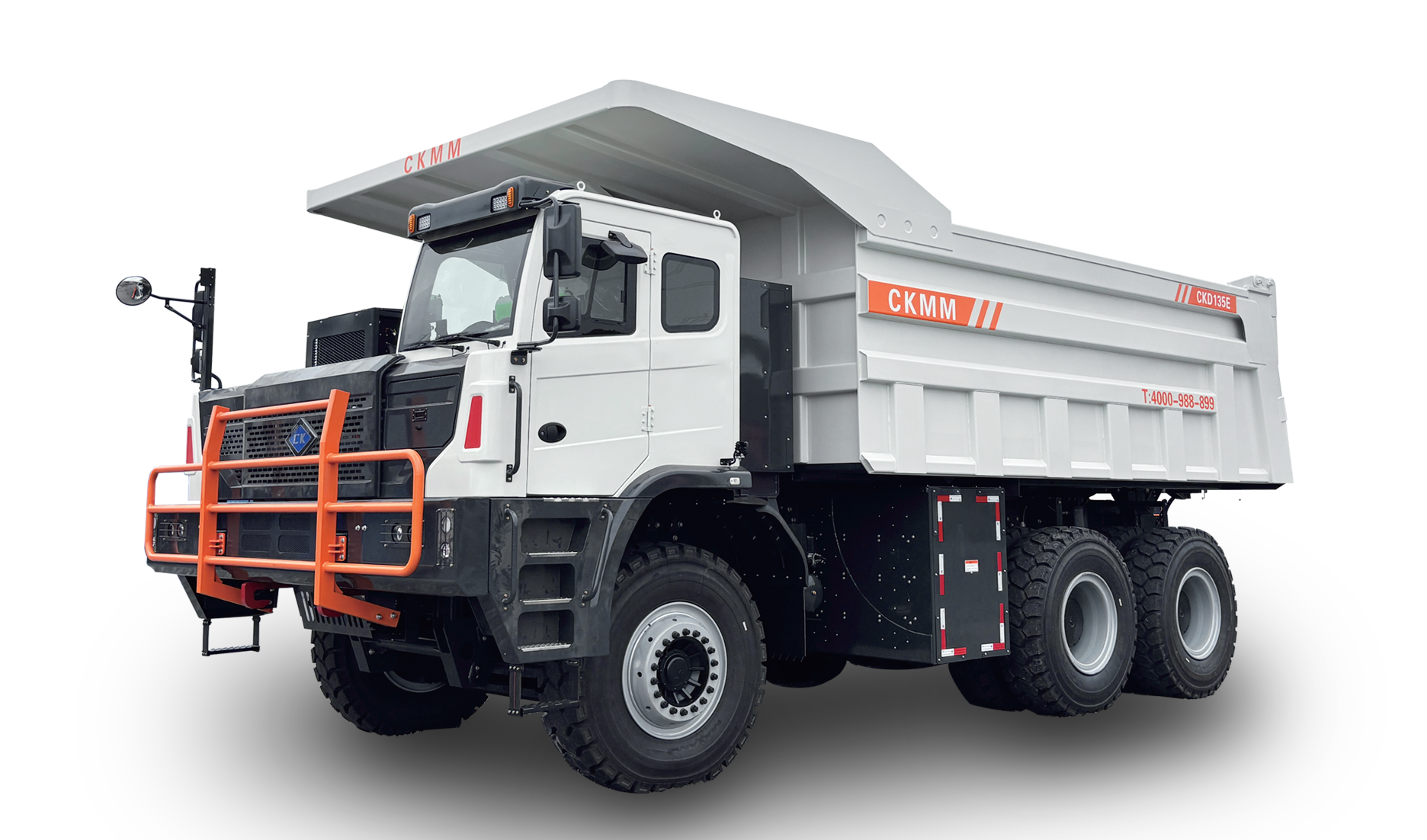
CKD135E Pure Electric Wide-body Dump Truck
Jiangsu Changkuang Engineering Machinery Co. Ltd.