HutanBio CEO Predicts Biofuel Industry Entering Strategic Consolidation Period
Wedoany.com Report on Feb 3rd, Manshu Agarwal, CEO of HutanBio, recently pointed out that the biofuel industry will face multiple key tests in the coming year. He stated: "My prediction for the coming year is that this will not be a year of explosive growth in biofuel production, but more like a period of strategic consolidation, where resilience is more important than ambition, and costs and hard constraints will ultimately outweigh optimistic narratives."
Currently, the viability of biofuel projects is being determined by several stress tests: feedstock security, regulatory compliance, the durability of sustainability credentials, and a credible path to cost parity. As several sustainable aviation fuel and advanced biofuel pathways progress from pilot stages to early commercial operations, technical risks have significantly decreased, confirming that the limiting factor is no longer the chemical process, but system design and rigorous execution.
This has shifted the industry discussion from "does the technology work" to "can it scale without breaking the system and achieve costs the market can bear." At the same time, structural constraints have become impossible to ignore. The availability and traceability of feedstocks have become significant constraints on the development of the biofuel industry, and changes in the policy environment and the attitude of capital markets will also directly affect the pace of project advancement.
In this reality-check phase, the biofuel industry needs to focus more on the challenges of actual operations rather than solely pursuing technological breakthroughs. Companies need to find a balance between feedstock supply, policy compliance, and financial support to ensure the long-term sustainable development of projects. Industry experts believe that the coming year will be a critical period for biofuel companies to prove their resilience and adaptability.
Related Products
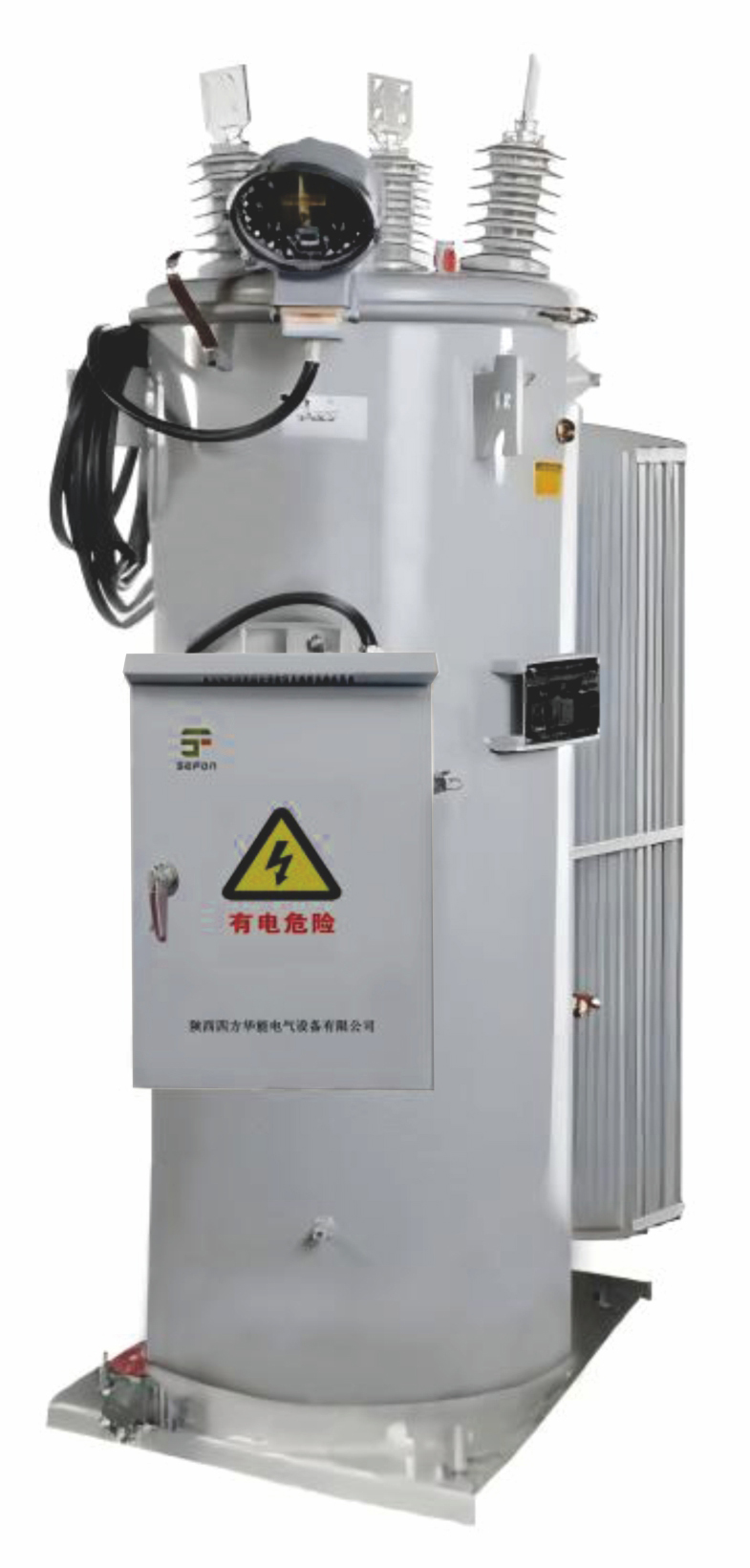

Single-Phase Automatic Voltage Regulator(AVR)
Shaanxi Sefon Electrical Equipment Co.,Ltd.


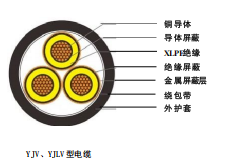
Rated Voltage 6-35kV Cross-linked Polyethylene Insulated Power Cable
TONGDING INTERCONNECTION INFORMATION CO., LTD.
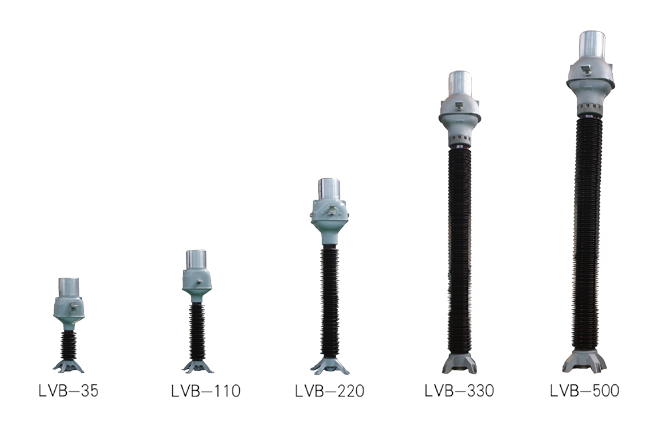
LVB Series 35-500kV Oil-immersed Inverted Current Transformer
Shandong Taikai Instrument Transformer Co., Ltd.