UAE Railways Partners with IronLev to Test Magnetically Assisted Freight Trains
Wedoany.com Report on Feb 3rd, UAE Railways, in collaboration with Israeli tech company IronLev, has recently initiated regional trials of a magnetically assisted freight train on existing railway sections in the UAE. This test marks the region's first attempt to apply magnetic levitation technology to freight trains, potentially paving a new direction for railway transportation.
The trials are being conducted on selected rail sections, focusing on evaluating whether IronLev's passive magnetic levitation system can be compatible with existing steel rail lines without requiring extensive infrastructure modifications. Unlike high-speed maglev systems that need dedicated tracks, this technology functions as an add-on component, partially lifting the railcars magnetically to reduce friction between the wheels and the rails.
The testing covers multiple aspects including performance, safety, and maintenance impact. Engineers are monitoring energy consumption, vibration, braking performance, and the wear and tear on both vehicle and track components. Currently, modified freight bogies are being used, with passenger applications not yet under consideration.
For UAE Railways, these trials aim to enhance transport capacity and efficiency while controlling infrastructure costs. By reducing friction, magnetically assisted trains have the potential to transport heavier loads with less energy consumption, extend the lifespan of the tracks, and reduce long-term maintenance needs.
IronLev noted that the UAE's modern railway assets, long straight sections, and extreme climatic conditions provide an ideal testing environment. Challenges such as high temperatures, sand and dust, and heavy axle loads reflect typical conditions for railway operations in the Middle East and similar regions.
Industry analysts stated that these trials are still in the experimental phase. Widespread implementation of this technology across a national rail network would require regulatory approvals, further safety validation, and detailed cost-benefit analysis. However, leveraging existing infrastructure could make the adoption of maglev technology more feasible than building entirely new track systems.
The two companies indicated that if the trials progress smoothly, subsequent phases could involve higher speeds and limited pilot services. While a specific deployment timeline has not been announced, this collaboration is seen as a potential model for upgrading traditional railway freight systems through next-generation technology.
Related Products



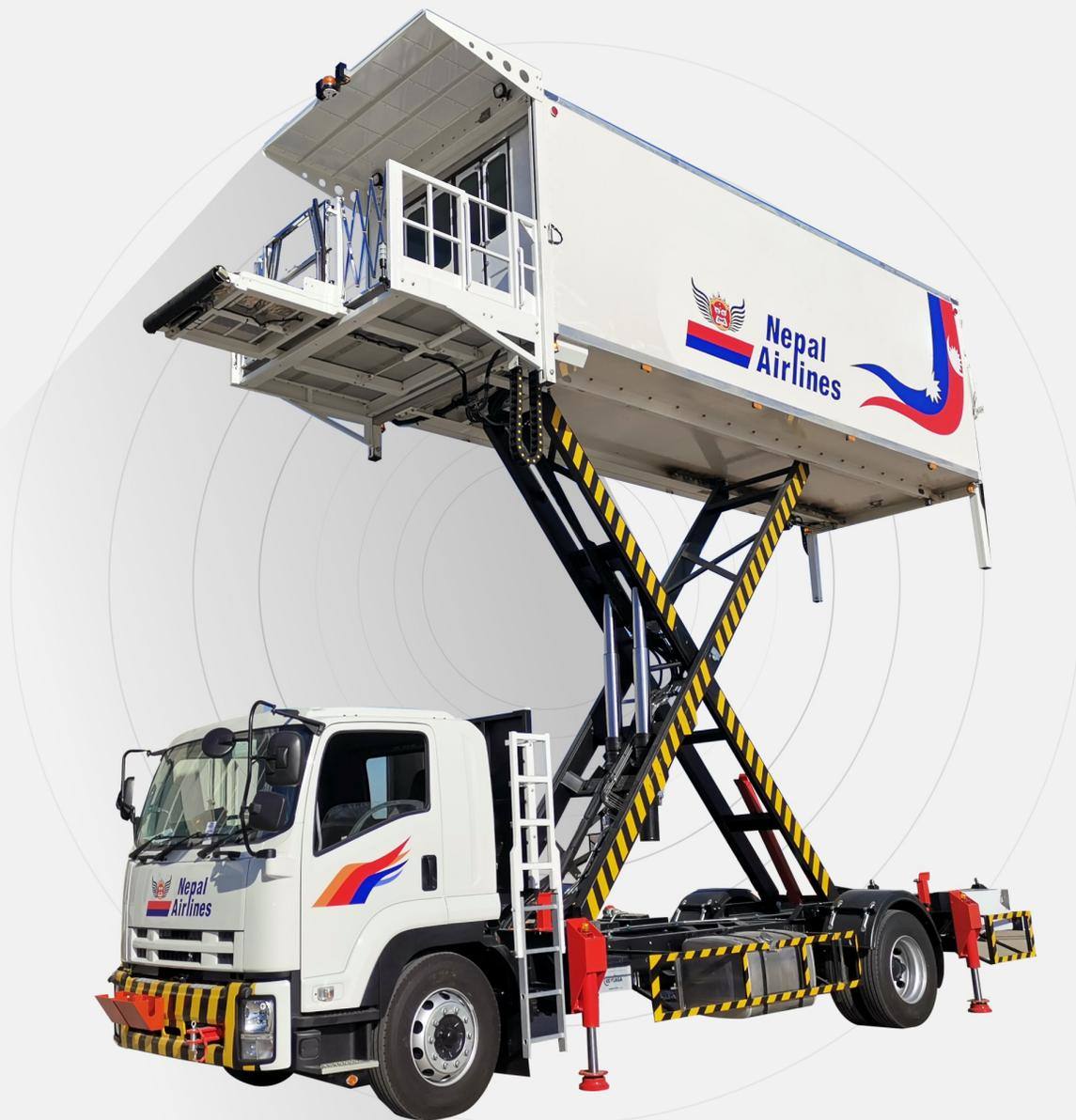
XC-6000e Type Aviation Catering Truck (Fuel Type)
Shenzhen CIMC-TianDa Airport Support Ltd.


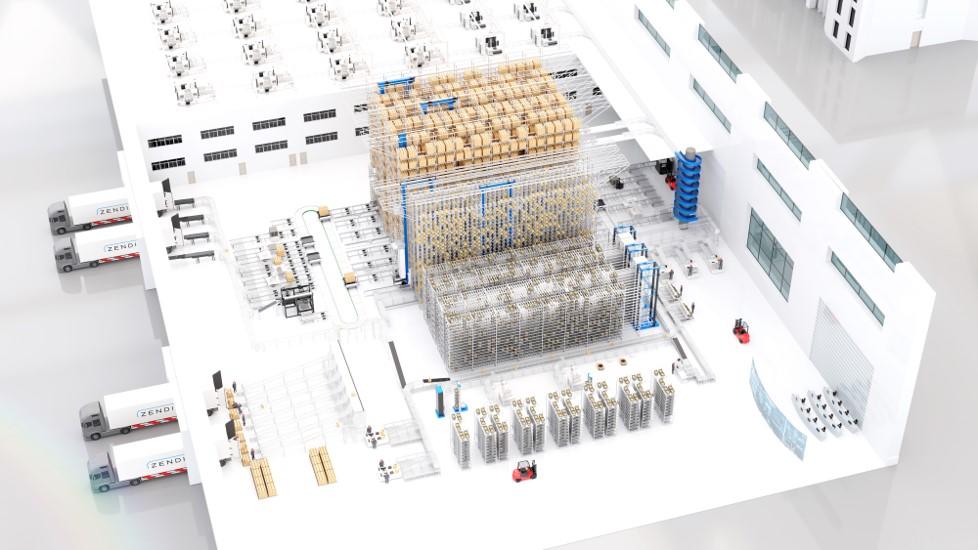
One-Stop Steward Service for the Entire Logistics System Integration Chain
Zhongding Intelligent (Wuxi) Technology Co., Ltd.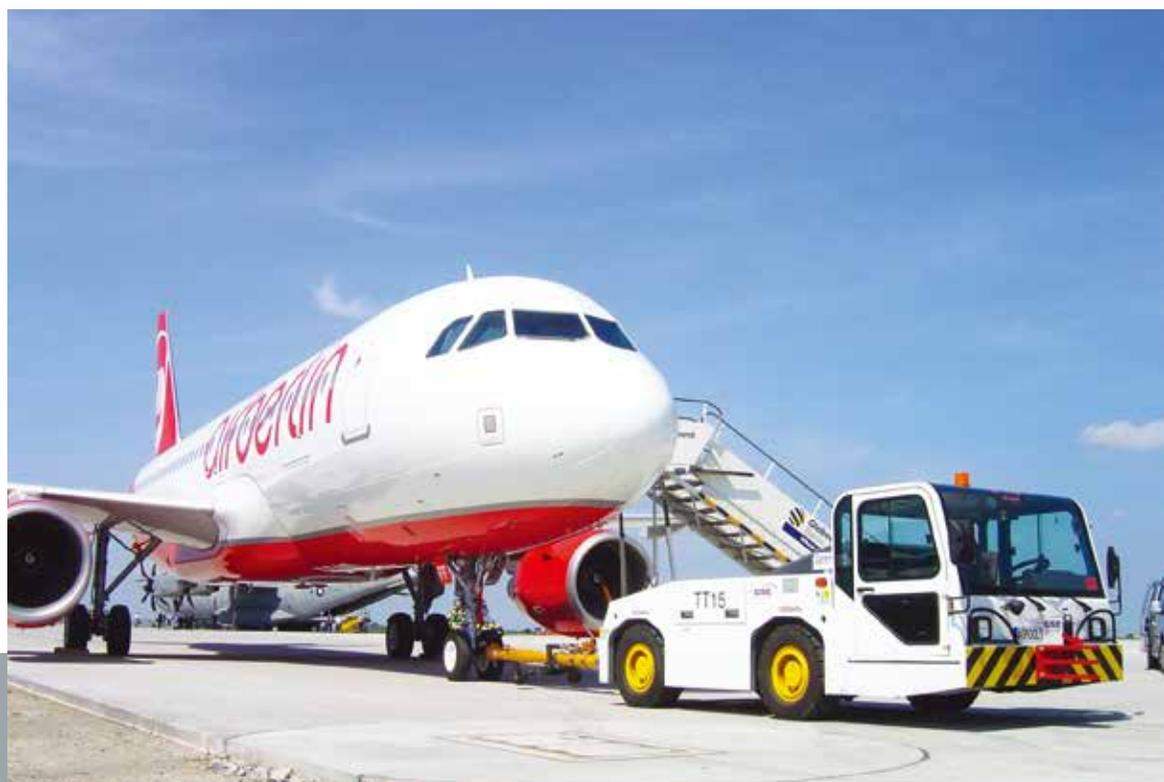
WGQY Series Aircraft Tow Tractor-WGQY15, WGQY27
Weihai Guangtai Airport Equipment Co., Ltd.