Opportunities and Challenges of Digital Logistics and Remote Work
Wedoany.com Report on Feb 3rd, Digital logistics is being applied on a large scale, and remote work models are gradually permeating the field of supply chain management. Although physical operations such as cargo transportation and warehousing still require on-site presence, functions like planning, coordination, and analysis can already be conducted remotely. 
Remote work brings talent advantages to logistics companies. Taking DHL as an example, after shifting its network planners to a remote-first model, the company hired experienced analysts from five countries, improving planning quality and reducing staff turnover. This model helps businesses overcome geographical limitations and expand their recruitment scope in a tight labor market.
In terms of cost control, remote work can reduce office space expenses, lower sick leave absenteeism, and improve employee retention. However, more resources need to be invested in IT infrastructure and cybersecurity. A North American freight forwarder once experienced a cloud system outage, preventing its remote teams from accessing data and affecting customer relationships.
For specific roles, remote work can enhance productivity. Analytical tasks like demand forecasting and route optimization benefit from a focused environment. After adopting remote teams for its global supply chain control tower, one company achieved round-the-clock monitoring across time zones without needing to arrange night shifts at a single location.
For employees, remote work offers flexibility and broader career choices. Eliminating commutes saves time costs, allowing employees to balance work and life. Experienced professionals can access high-quality positions even if they are not located in logistics hub cities.
Remote work in the logistics industry also faces coordination challenges. Decision-making speed in remote teams may be affected during cargo delays or tight capacity. During port congestion in the pandemic, some companies found that remote coordination slowed response times. Companies adopting hybrid models, where senior coordinators remain close to operations, adapted more quickly.
Another risk is that remote teams may become detached from actual operational environments. In last-mile delivery planning, remote route optimization sometimes fails to fully consider loading/unloading zone constraints or driver fatigue, making theoretically efficient routes impractical in practice. Successful companies schedule regular on-site visits to incorporate operational feedback into the planning cycle.
Management approaches also need adjustment. Remote work shifts the focus from supervision to trust, requiring clear metrics and expectations. Maintaining corporate culture poses a challenge, as reduced informal interaction may impact team collaboration.
Remote work in logistics is not a binary choice but a work model that requires careful design. Hybrid models combining remote flexibility with regular physical engagement are becoming an industry trend. Technology is driving change, but the demands of digital logistics for precision and speed mean remote work must leverage its strengths while acknowledging its limitations.
Related Products

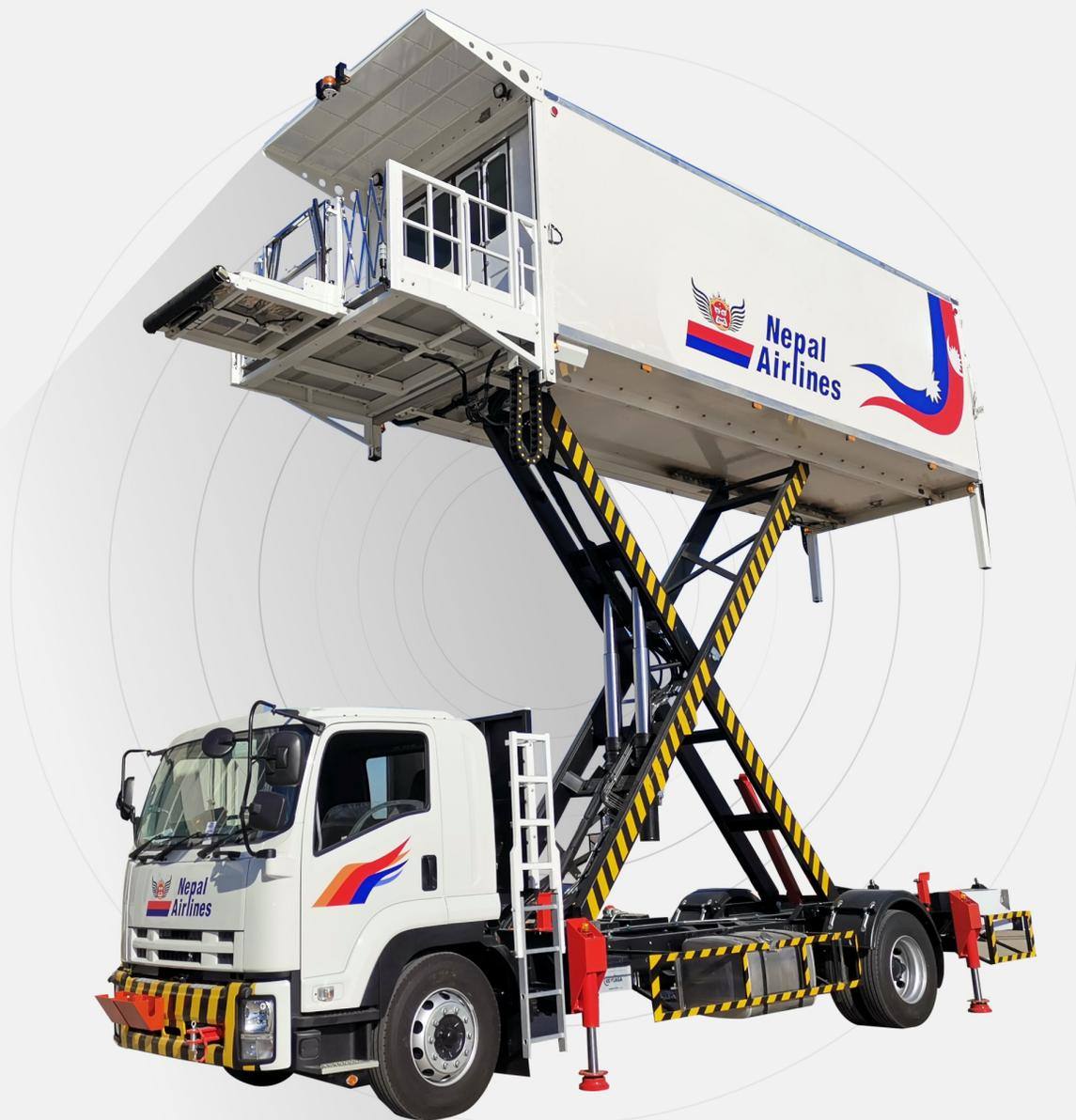
XC-6000e Type Aviation Catering Truck (Fuel Type)
Shenzhen CIMC-TianDa Airport Support Ltd.

GSR6-27.5kV SF6 Free Gas-insulated Metal-enclosed Switchgear
Zhejiang Juhonkia Intelligent Electric Co., Ltd.![IVECO Cash-in-Transit [DMT5048XYCL3-AM] - Chongqing Dima Industry Co., Ltd](https://img.wedoany.com/2026/0911/20260911030157582.png)
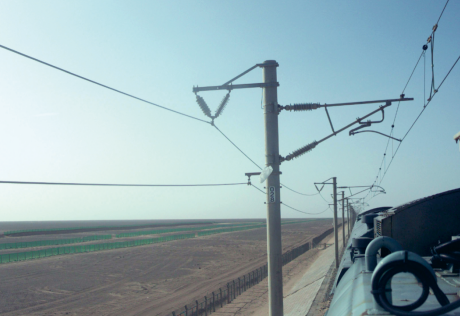
Pantograph-Catenary Comprehensive Detection Device (1C)
CHENGDU TANGYUAN ELECTRIC CO., LTD.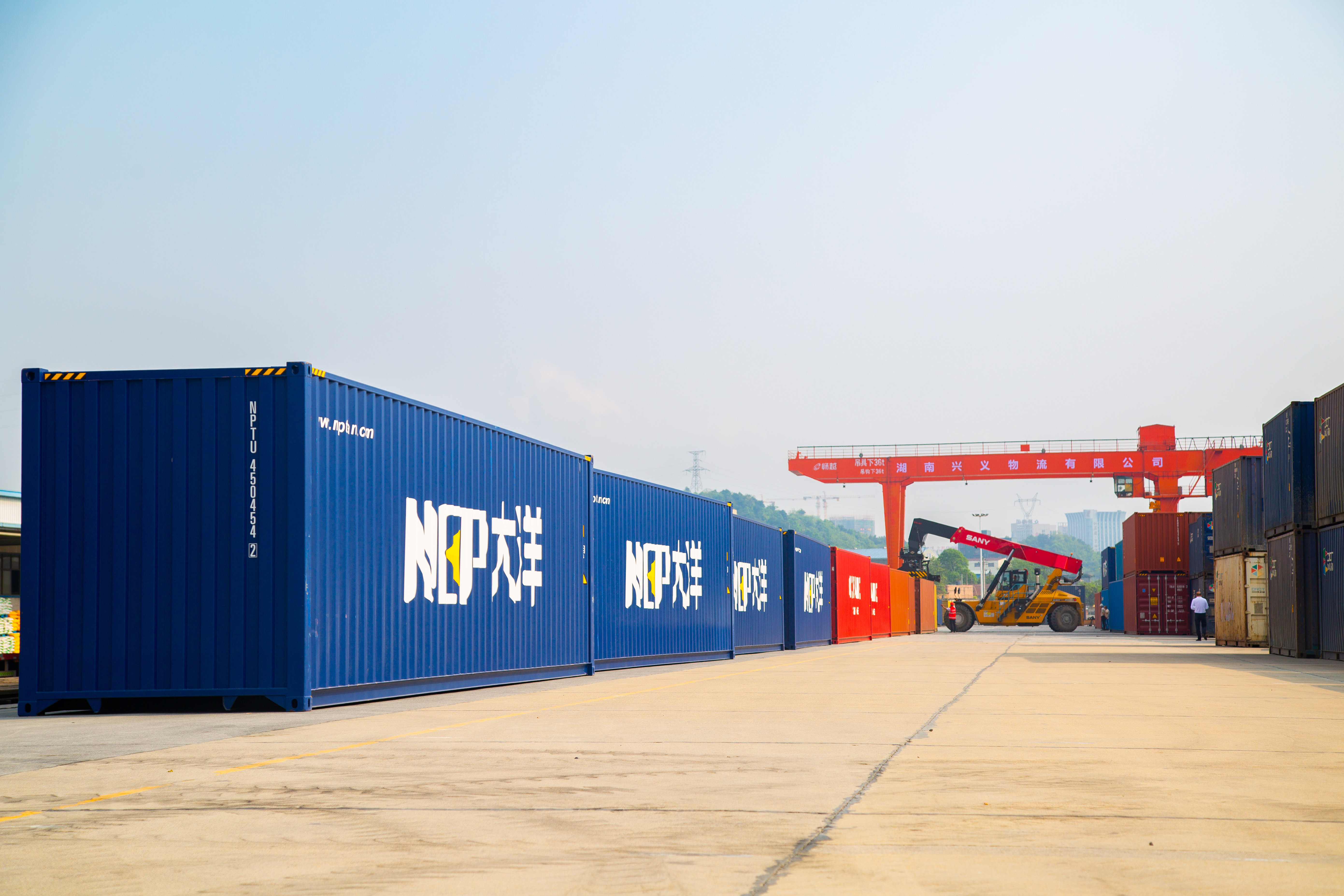
China - Alashankou/Khorgos - Europe Full Range Transportation (Mala/Hamburg/Duisburg/Budapest, etc.)
Shenzhen Neptune Logistics Co., Ltd.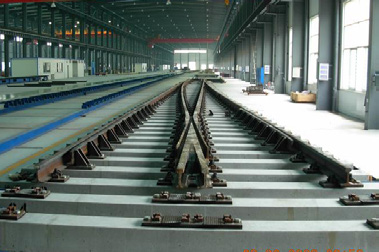
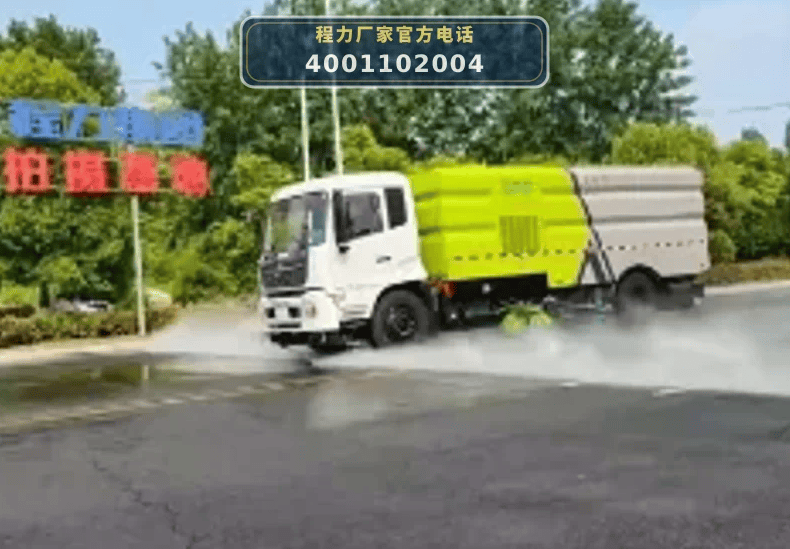
CLW5180TXSD6 Dongfeng Tianjin Washing and Sweeping Truck
ChengLi Special Automobile Co., Ltd.