Swiss Study Reveals Early PV Module Degradation Rates Lower Than Expected, Material Design is Key Factor
Wedoany.com Report on Feb 3rd, A research team from the University of Applied Sciences and Arts of Southern Switzerland (SUPSI) recently published a study on the long-term performance of early photovoltaic systems. They conducted decades-long monitoring of six grid-connected PV systems installed in Switzerland in the late 1980s and early 1990s. The study found that the average annual power degradation rate of these systems was only 0.16% to 0.24%, significantly lower than the 0.75% to 1% per year typically reported in the literature.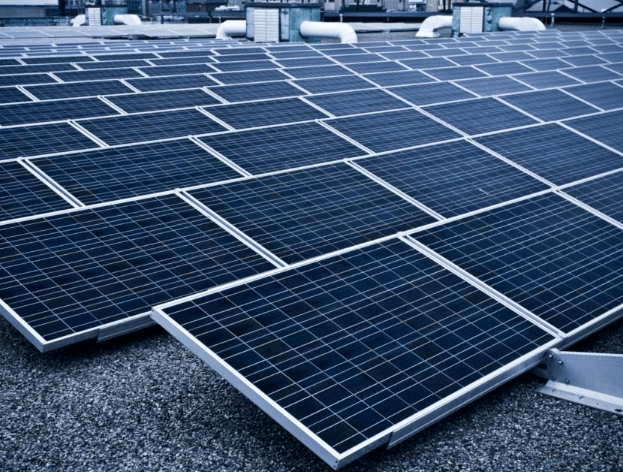
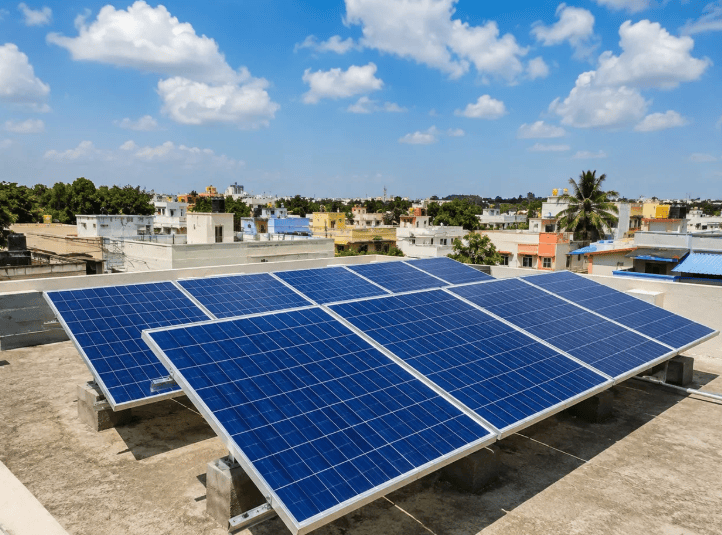
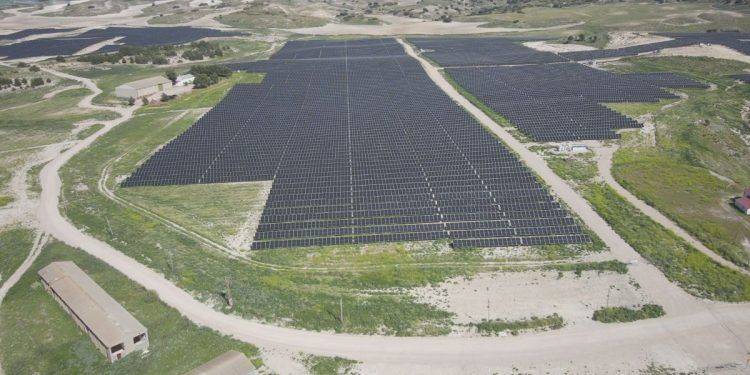
The research covered multiple installation sites under different altitudes and climatic conditions, including low-altitude rooftop systems, medium-altitude utility-scale power plants, and high-altitude facade-mounted systems. All systems used modules produced at the time by Arco Solar or Siemens, with rated power between 48W and 55W. Researchers evaluated system performance by monitoring on-site parameters such as power output, temperature, and irradiance, and by applying a year-over-year comparison method over multiple years.
The results showed that although high-altitude systems were exposed to stronger irradiance and UV radiation, their average performance ratio was higher, and their degradation rate was actually lower than that of low-altitude installations. The study also found that PV modules of the same model but with different internal designs exhibited significantly different degradation behaviors. For example, standard SM55 modules experienced performance decline due to solder joint issues, while SM55-HO modules demonstrated better long-term stability due to improved backsheet design.
The researchers noted, "For benchmarking, two Siemens SM55 modules have been stored in the controlled environment of the Photovoltaic Laboratory at Bern University of Applied Sciences since the start of the monitoring." The methods they applied helped accurately determine the system-level performance loss rate.
Overall, this study indicates that the long-term degradation of early PV modules is primarily influenced by thermal stress, ventilation conditions, and material design, rather than being solely determined by environmental factors. Modules installed in cool and well-ventilated environments exhibited more stable performance. The research team concluded, "The bill of materials is the most critical factor affecting the lifetime of PV modules. Differences in encapsulant quality, filler materials, and manufacturing processes can lead to significant variations in degradation rates."
The research findings have been published in the journal *EES Solar*, in a paper titled "Three decades, three climates: environmental and material impacts on the long-term reliability of photovoltaic modules". These findings hold significant reference value for understanding the long-term reliability of photovoltaic technology and for future module design.
Related Products

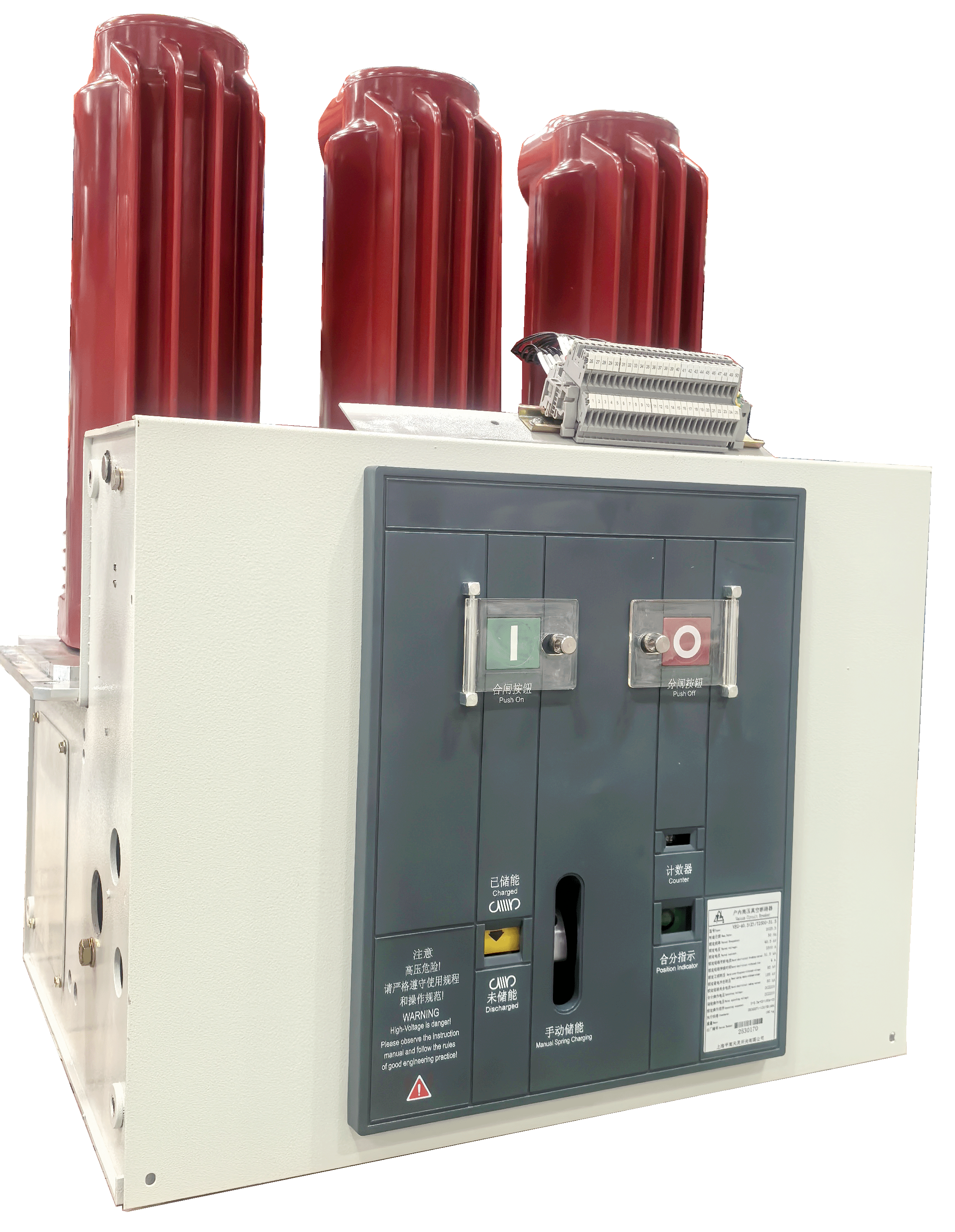
VEG-12/24/40.5 Series Vacuum Circuit Breaker
SHANGHAI PINGGAO TIANLING SWITCHGEAR CO., LTD.
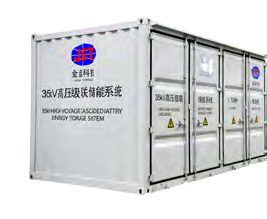
6kV-35kV Medium and High Voltage Direct-Connected Energy Storage System
Hainan Jinpan Smart Technology Co., Ltd.
Perfluorinated Ionic Membrane-CM-10N Series Membrane
Guizhou Juneng Century Technology Co., Ltd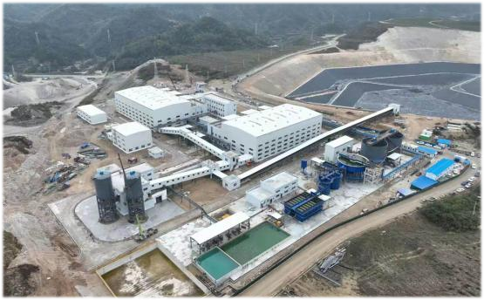
Yingping Mining Section Open-pit Tailings Backfill Treatment of Goaf Ecological Restoration EPC Project
China Bluestar Lehigh Engineering Corporation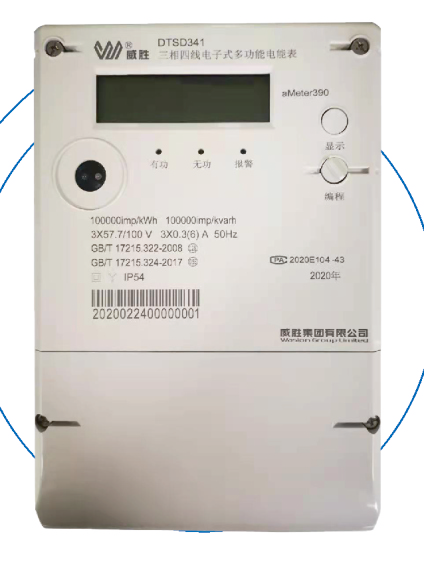
Overseas IEC Gateway Energy Meter - DTSD341/DSSD331-aMeter390
Wasion Group Limited Co., Ltd.