Challenges and Opportunities of Integrating Solar and Energy Storage Systems in Data Centers
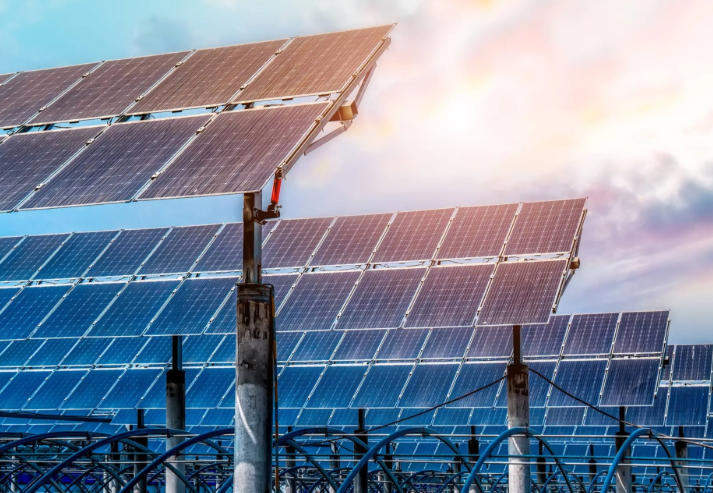
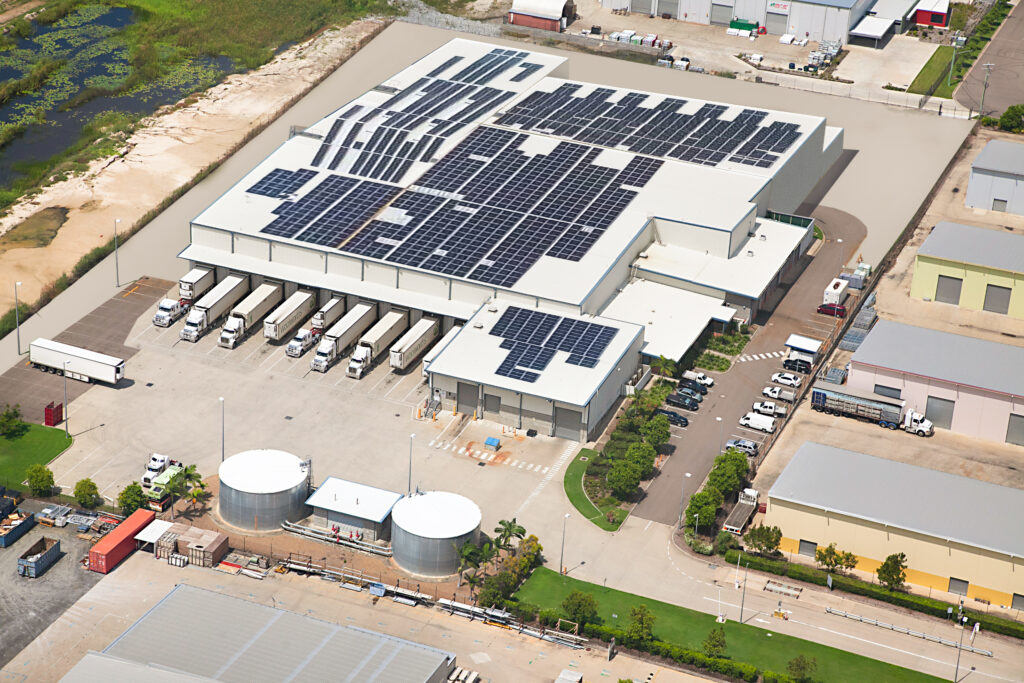
Wedoany.com Report on Feb 3rd, As data centers continue to scale, providing them with stable and cost-effective power supply has become a critical issue. Gerhard Salge, Chief Technology Officer of Hitachi Energy, points out that integrating renewable energy with data center operations is technically feasible but requires systematic planning, suitable facilities, and comprehensive solutions.
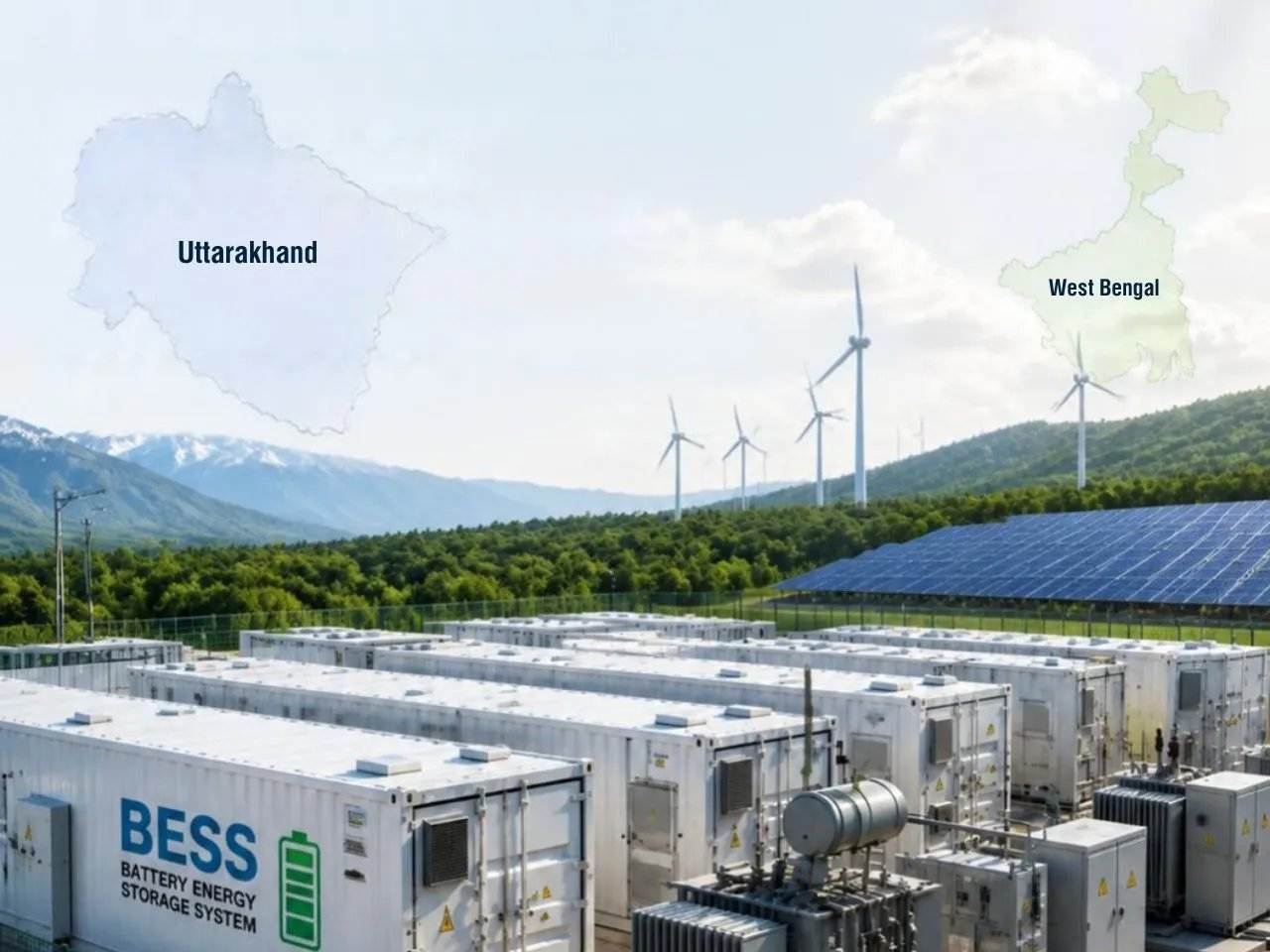
Salge stated: "Renewable energy is the core on the generation side, data centers are the focus on the demand side, and energy storage and active grids need to be added to coordinate all parties." He emphasized that active grids are crucial for integrating resources, ensuring power supply security, and optimizing costs, and that weak or congested networks struggle to achieve this goal.
Data centers are categorized into traditional and AI types. Traditional data centers have high loads with random fluctuations, while AI data centers rely on devices like GPUs, have consistently high power consumption, and often operate near full capacity. Salge explained: "AI data centers excel at parallel computing, with multiple facilities responding to the same demand simultaneously, causing peak loads on the grid."
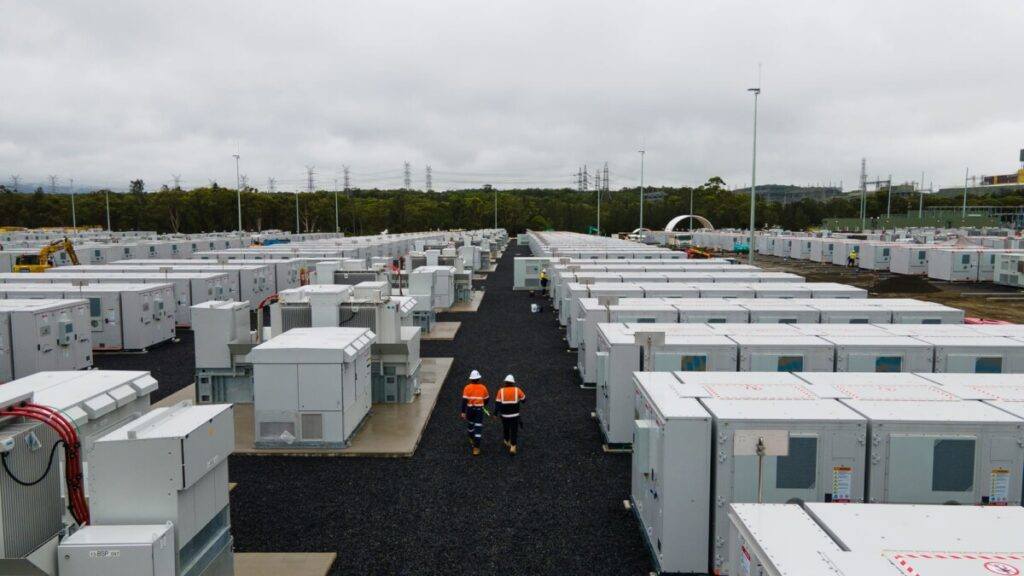
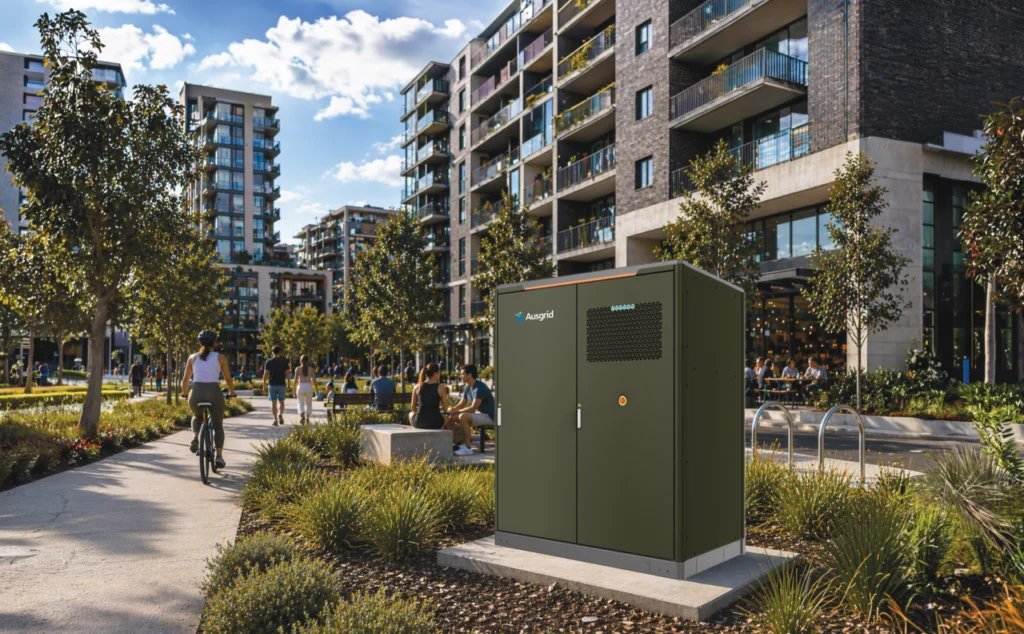
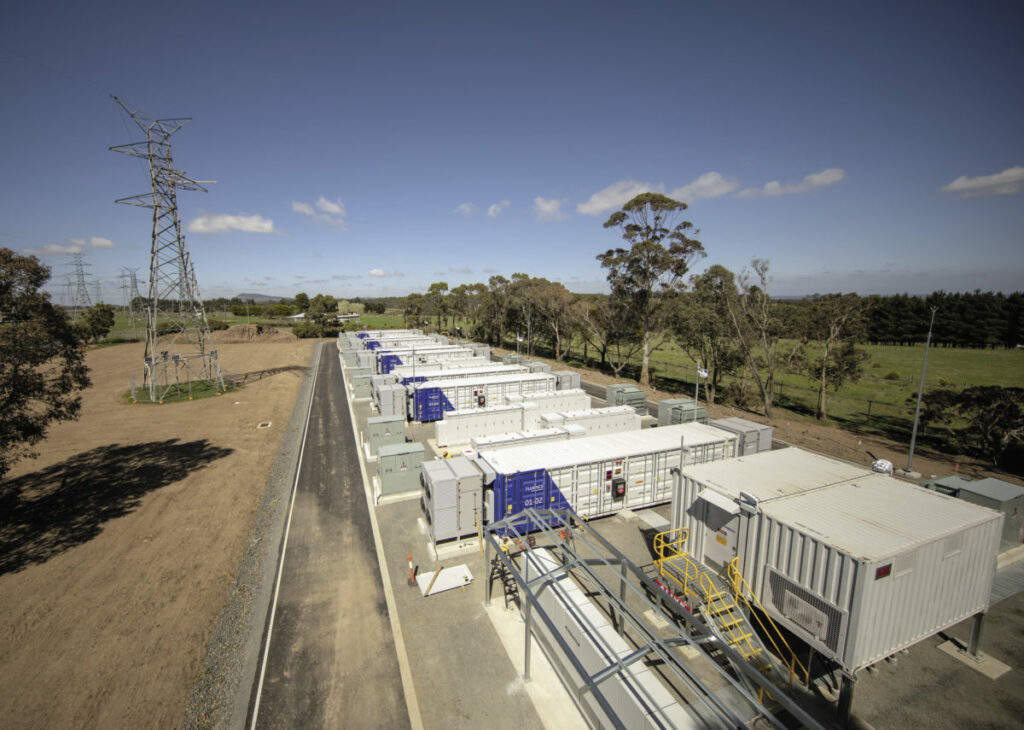
These fluctuations challenge the grid's power supply and quality. Energy storage systems or supercapacitors can deliver active power to AI data centers or absorb energy after peaks. Batteries have large storage capacity but their cycle life is affected by high-frequency events, whereas supercapacitors are more suitable for frequent regulation. Technology selection should be based on system parameters such as storage capacity and number of racks.
Salge emphasized the need to comply with grid codes, cooperate with utilities, and avoid data centers interfering with power feedback to the grid. When renewable energy sources and data centers are co-located, power supply can be managed within the local area. Advanced grids can better integrate energy storage and renewables, and handle dynamic loads. Through holistic planning, data centers can coordinate AI training to periods of ample grid capacity, becoming a controllable demand.
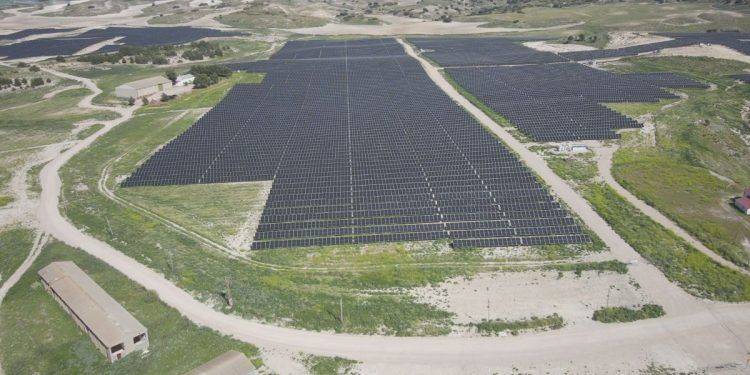
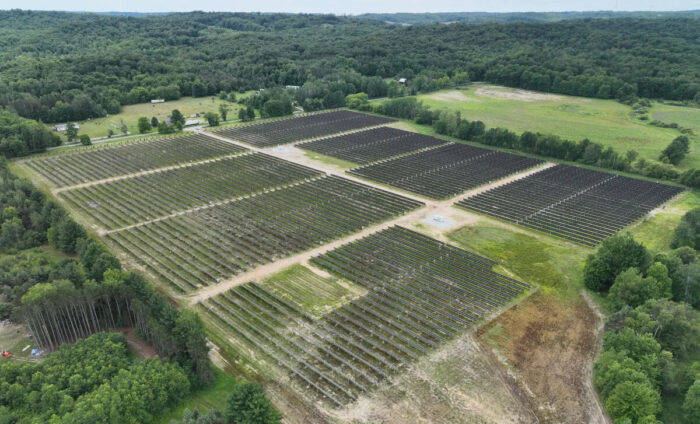
Economically, solar and wind power remain lower-cost energy sources. Solar can be deployed relatively quickly, and wind power can complement it. The growing demand from data centers requires investment in either renewable or traditional power generation, with economic viability influenced by market mechanisms, regulations, and grid planning. Salge advises developers to collaborate with stakeholders early on to ensure reliable power supply, controllable costs, and social acceptance, achieving long-term benefits.
Related Products


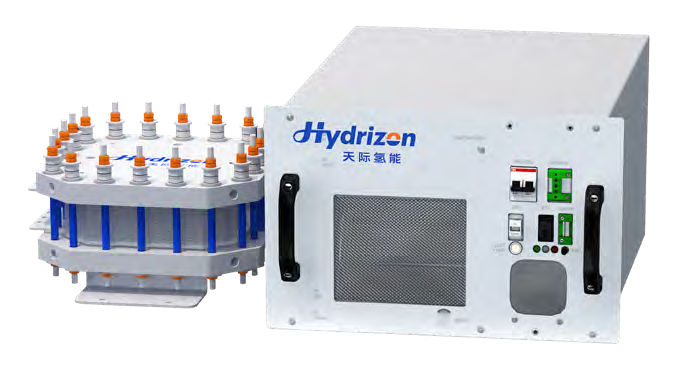
HI-Pro Green Hydrogen High-efficiency Production System-HI-PRO-AEM
Hydrizon Technology (Beijing) Co., Ltd.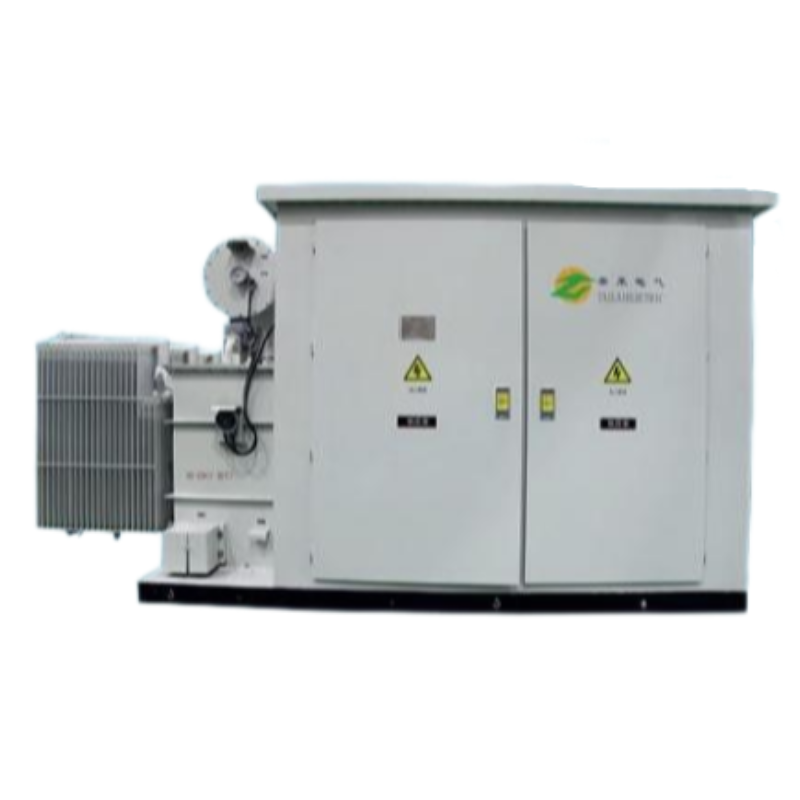
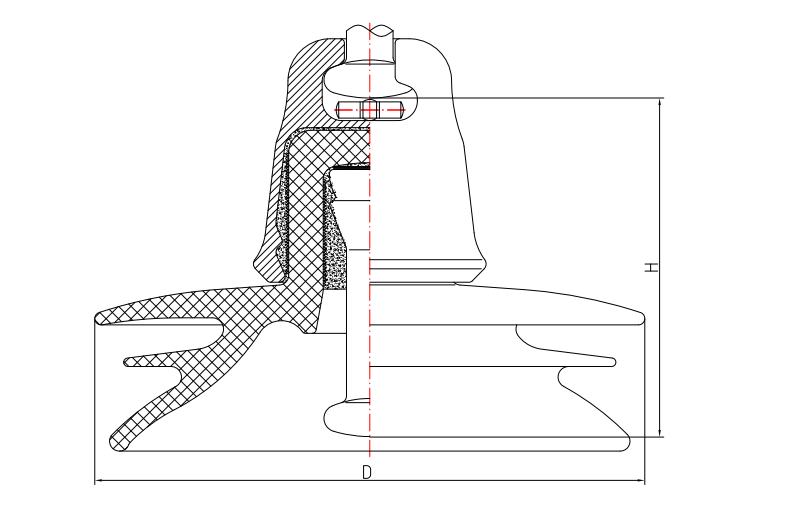
Post-type AC Pollution-resistant Disc Suspension Porcelain Insulator (Triple Umbrella Type)
Shandong High Voltage Insulator Co., Ltd.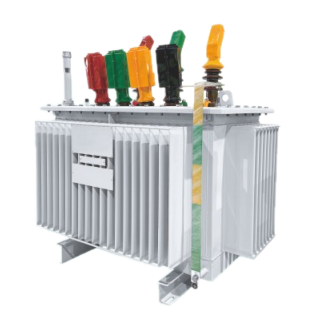
IS(B)□-M·RL Series Oil-immersed 3D Transformer (Planar / 3D Wound Core)
Guangdong Kehua Electric Power Technology Co., Ltd.