Wedoany.com Report on Feb 3rd, The Ministry of Energy and Mines of Peru (MINEM), through its General Directorate of Environmental Affairs for Electricity (DGAAE), recently participated in a social workshop on the development of an Action Plan for the reduction of Polychlorinated Biphenyls (PCBs) and Unintentionally Produced Persistent Organic Pollutants (UP-POPs). During the meeting, a draft of the action plan aimed at reducing the levels of these hazardous pollutants in the country was formally presented.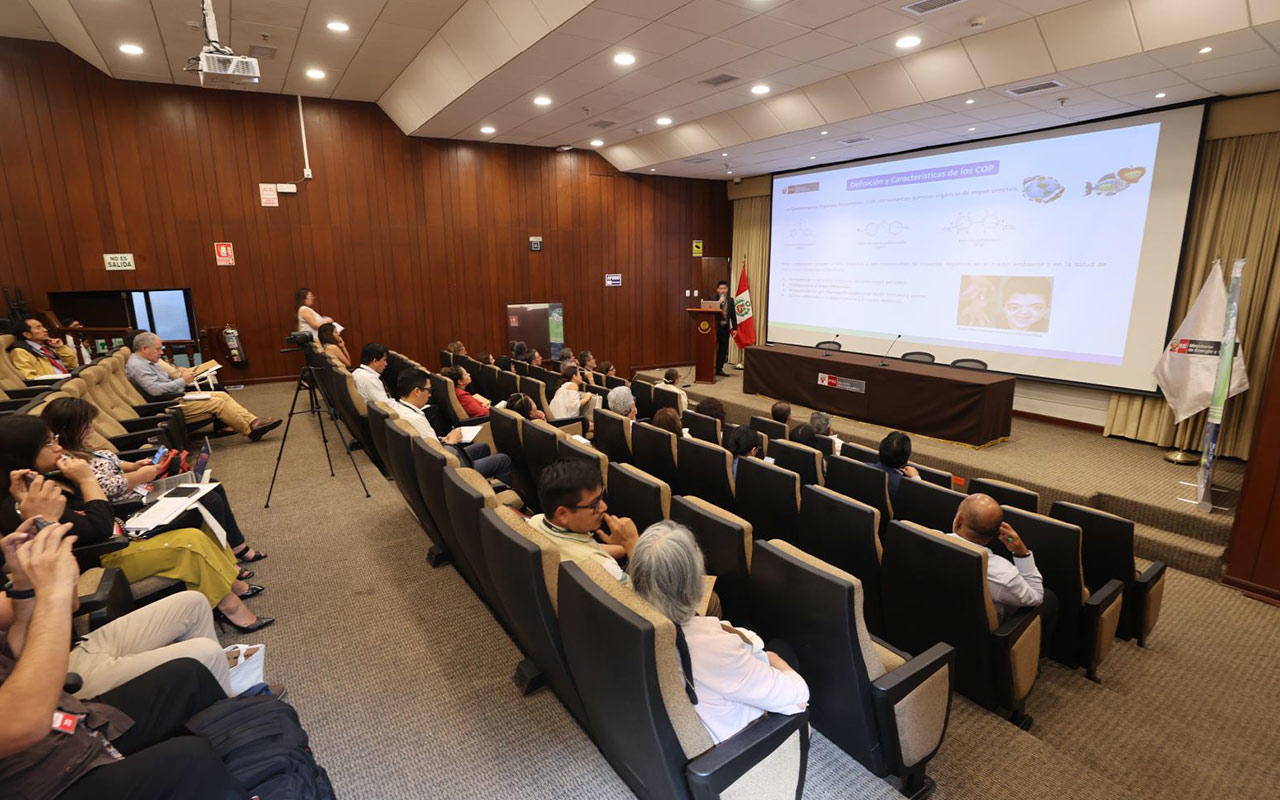
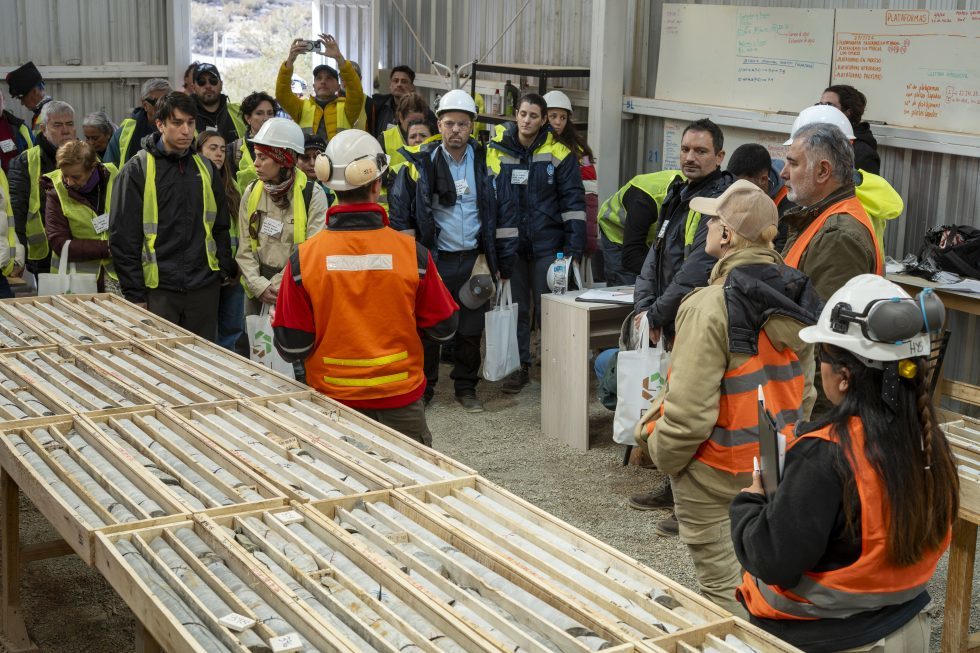
The workshop focused on presenting proposals for action plans targeting PCBs and other unintentionally produced persistent organic pollutants, and extensively gathered feedback and suggestions from participating public management institutions and relevant sectors.
This activity falls within the framework of the Global National Implementation Plan (NIP) project, which continues to assist Peru in identifying and assessing such pollutants. As part of the project, a national inventory of pollutants has been compiled and was reviewed and validated during a workshop in 2025, thereby clarifying the priorities and steps for subsequent work.
The meeting was co-organized by Peru's Ministry of Energy and Mines (MINEM) and the Ministry of the Environment (MINAM), with participation from multiple public entities and technical support from international organizations.
Juan Cosio, Director of the General Directorate of Environmental Affairs for Electricity, emphasized in his speech: "Coordinating efforts is crucial to reducing the risks posed by these pollutants, safeguarding public health, protecting the ecological environment, and this is also a necessary measure to fulfill the international commitments made by Peru."
Key reports presented at the meeting included "Progress of the Electricity Sector in Fulfilling Commitments on PCBs under the Stockholm Convention" and "The National Implementation Plan for Persistent Organic Pollutants under the Stockholm Convention Framework." The latter serves as an environmental planning tool for systematically updating and organizing related actions to be implemented at the national level.
As a next step, the various suggestions collected during the workshop will be integrated to formulate the final Persistent Organic Pollutants Action Plan. This plan will provide guidance for actions in the coming years and help achieve the goals of the National Implementation Plan for the period 2026 to 2030.