USGS Officially Adds Copper, Silver to Critical Minerals List
Wedoany.com Report-Nov. 7, The United States has updated its list of critical minerals, adding copper and silver, along with eight other commodities, highlighting their importance to the nation’s economy and security. Compiled by the US Geological Survey (USGS), the expanded list now totals 60 minerals, up from 50 in 2022. Other additions include uranium, metallurgical coal, potash, rhenium, silicon, and lead. The inclusion of copper and silver aligns with the earlier draft issued by USGS.
USGS explained that the list was developed using an economic model designed to evaluate potential impacts of foreign trade disruptions across mineral commodities. The analysis considered 84 mineral commodities, 402 industries, and more than 1,200 trade scenarios, providing policymakers with a comprehensive framework to assess vulnerabilities and investment priorities.
The critical minerals designation serves multiple purposes. It forms the basis for potential Section 232 investigations, which allow the administration to impose tariffs or trade restrictions on minerals critical to national security, as was applied to copper earlier this year. Additionally, the list guides investment strategies in mining, mineral processing, and resource recovery from mine waste and stockpiles. It also supports tax incentives for domestic processing and efforts to streamline permitting for new mining operations.
The update follows recent US-China discussions aimed at resolving trade issues related to rare earth minerals, which account for 15 entries—about one quarter of the total—on the USGS list. This agreement underscores the strategic importance of securing supply chains for critical minerals while maintaining trade stability.
Copper and silver are essential for a range of industries, including energy, electronics, infrastructure, and manufacturing. Their designation as critical minerals reflects both their economic value and potential supply risks in case of international trade disruptions. The expanded list signals increased focus on ensuring resilient domestic supply chains and supporting sustainable mining and processing initiatives.
By integrating this data-driven approach, USGS aims to provide a realistic and actionable tool for federal agencies, investors, and industry stakeholders to prioritize resources and reduce vulnerabilities in critical mineral supply chains.
The broader update highlights the US government’s ongoing commitment to securing access to essential materials, supporting domestic industry, and mitigating risks from global market fluctuations. It also reinforces the strategic role of minerals such as copper and silver in future technology development, clean energy infrastructure, and national economic stability.
This revision of the critical minerals list provides a foundation for policymaking, investment planning, and regulatory adjustments aimed at strengthening the United States’ long-term mineral security and economic competitiveness.
Related Products

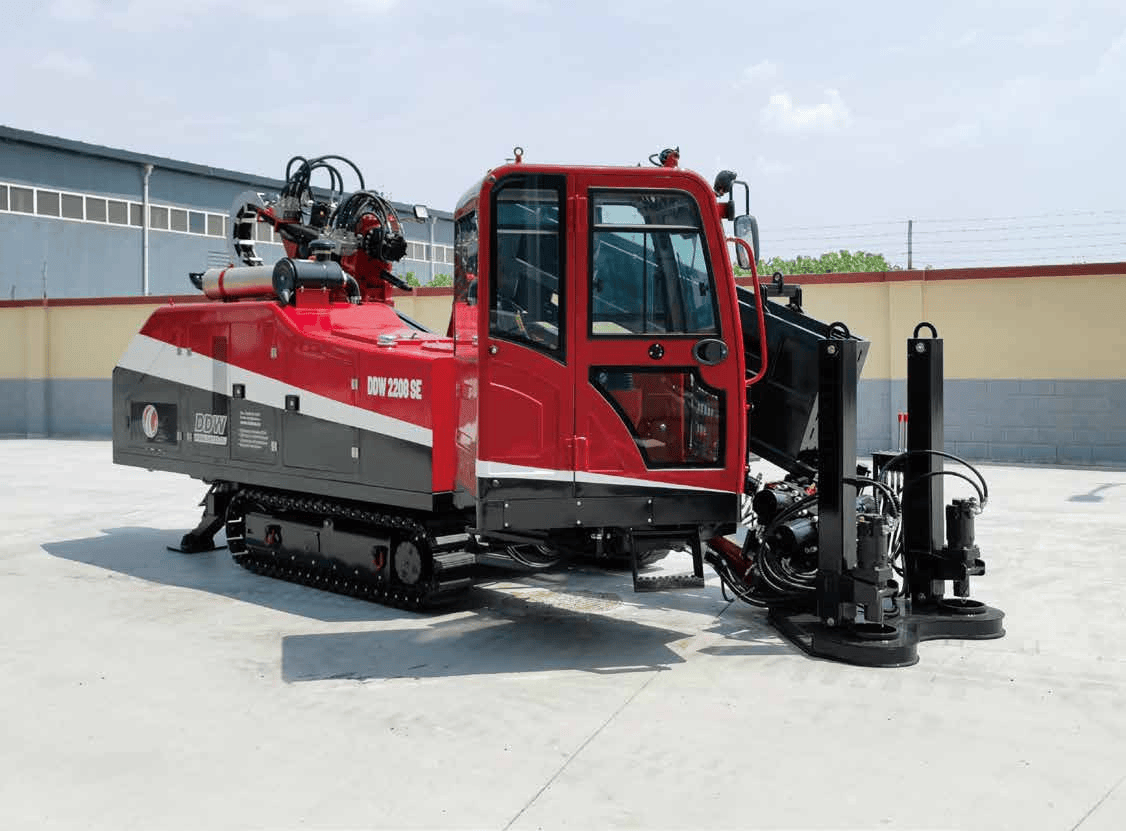
DDW22/08SE-HORIZONTAL DIRECTIONAL DRILL
DW/TXS Construction Equipment (Beijing) Co., Ltd.
Yunnan Phosphorus Chemical Group Co., Ltd. 2 Million t/a Phosphorus Ore Mining and Beneficiation Project
China Bluestar Lehigh Engineering Corporation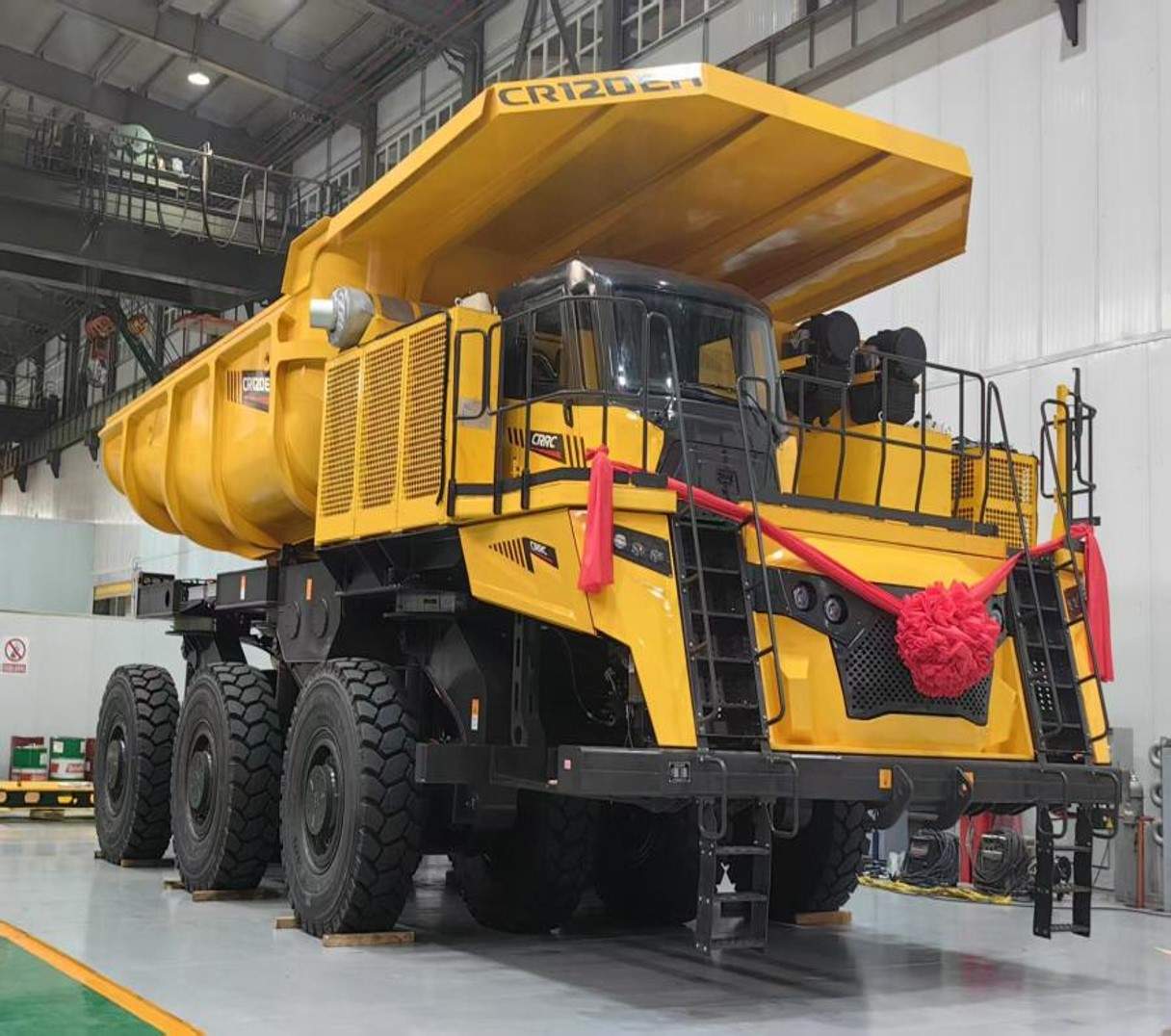


CYTJ45/2 Mining Hydraulic Tunneling Drill Rig
Zhangjiakou Xuanhua Huatai Mining and Metallurgical Machinery Co., Ltd.

Linyi Steel Investment Special Steel 2.7 Million Tons per Year High-quality Special Steel Project
Capital Engineering & Research Incorporation Limited
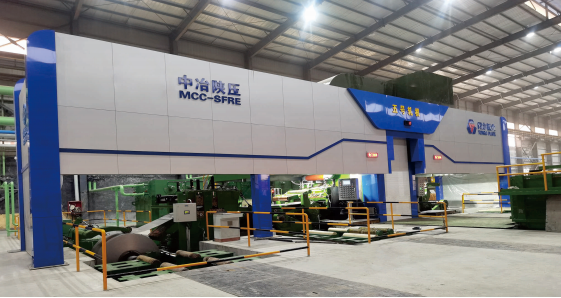
1050-1750mm Steel Strip Single-stand Reversible Cold Rolling Production Line
MCC-SFRE HEAVY INDUSTRY EQUIPMENT CO., LTD.