Global Beef Prices Exceed $7 per Kilogram for the First Time in History
Wedoany.com Report-Nov. 12, The global price of beef has reached a historic high, surpassing $7 per kilogram for the first time, according to recent World Bank data. Analysts reported that beef prices have been rising for five consecutive months, with October alone showing a 3% month-on-month increase. Compared with the same period last year, global beef prices have grown by approximately 17%, marking one of the sharpest annual increases in recent years.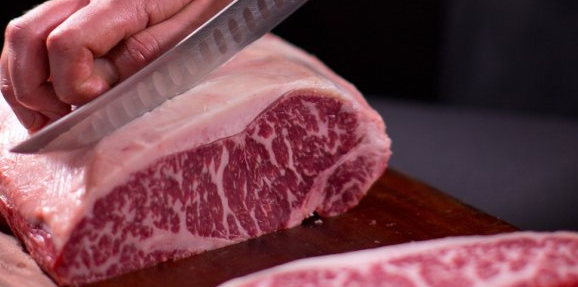
Experts explained that the price surge stems from challenges faced by producers worldwide. Rising costs in the dairy sector have influenced livestock management decisions, as higher milk and milk product prices have led many farmers to prioritize dairy production over meat. This shift has contributed to a reduced number of cattle dedicated to beef production, tightening global supply.
At the same time, demand from importing countries, particularly the United States, has grown noticeably. U.S. import demand for beef has risen as domestic producers have reduced their own output due to feed shortages and higher input costs. These conditions have limited the availability of locally produced meat, prompting buyers to seek imports to fill the supply gap.
Weather-related factors have also played a significant role. Unfavorable climate conditions in Europe and Argentina have negatively affected feed production and grazing conditions, leading many farmers to downsize their livestock herds. Reduced herd numbers in key producing regions have further constrained supply, amplifying upward pressure on prices.
The combined effects of constrained production, stronger import demand, and adverse environmental conditions have driven global beef prices to record levels. Analysts warn that unless herd sizes recover and feed supply stabilizes, prices may remain elevated in the near term. However, the extent of future increases will depend on global agricultural trends, weather conditions, and recovery in feed crop yields.
Market observers also note that the current situation reflects broader challenges in global food production, where disruptions in one agricultural sector—such as dairy—can directly affect another, like meat production. As producers adjust to higher costs and changing weather patterns, supply fluctuations are likely to continue influencing international price movements.
The World Bank’s latest data underscores the interdependence of global agricultural markets, with both climatic and economic factors shaping price trends. While demand remains steady, supply constraints across multiple regions have created conditions for sustained price strength in the global beef market, marking a new phase of volatility in food commodities.
Related Products





4HS-8 High-efficiency Peanut Inverted-laying Harvester
Hebei Yongfa Hongtian Agricultural Machinery Manufacturing Co., Ltd.
714CD Series C-Band Weather Radar
Chengdu Zhongdian Jinjiang Information Industry Co., Ltd.
Industrial and Commercial Point-Type Gas Detector
Jinan Benan Technology Development Co., Ltd.