USDA Maintains Productivity Forecast for the 2025 Corn Crop Year
Wedoany.com Report-Nov. 29, The USDA released its November supply-and-demand update for the 2025/26 marketing year, maintaining a largely bullish stance on U.S. corn. The average yield forecast was adjusted slightly lower to 186.0 bushels per acre from 186.7 previously, reducing total production to 425.5 million tonnes. Despite the minor cut, this remains a record-large crop.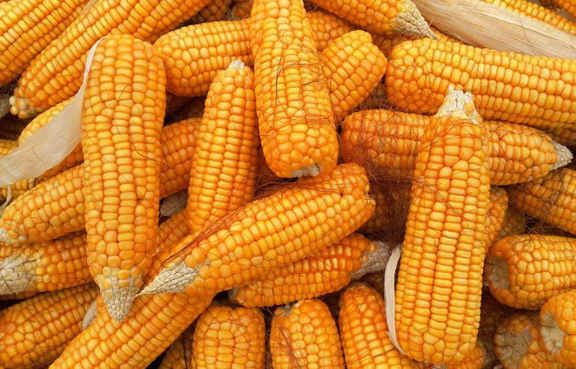
Carry-in stocks from 2024/25 were raised to 38.9 million tonnes following the September quarterly report. On the demand side, exports received the most significant upward revision, now projected at a record 78.1 million tonnes – nearly 3 million tonnes above the previous estimate and the key factor preventing a larger stock build. Ending stocks for 2025/26 are now forecast at 54.7 million tonnes, the highest level since 2018.
Market attention is shifting toward 2026 planting intentions and potential demand drivers. A pending U.S.–China trade agreement on rare earth minerals is expected to be finalised this week, paving the way for renewed Chinese soybean purchases from the United States. Current projections indicate China may import around 12 million tonnes of U.S. soybeans in the current marketing year, well below last year's 27 million tonnes, as domestic Chinese corn production is estimated near record levels and inventories remain comfortable.
In South America, Argentine corn exports continue to lag behind last season's pace, creating additional export opportunities for other origins through early 2026. Planting and early development of the Argentine crop proceed normally, with recent flooding causing limited impact on overall yield potential.
Brazilian corn markets face multiple challenges as the 2025/26 business year nears its close. Approximately 8 million tonnes still need to be shipped in December and January to meet reasonable annual targets, while domestic prices remain under pressure from ample supplies, a strong local currency, and limited support from international benchmarks. Summer corn crops in southern Brazil show excellent development so far, entering the critical pollination phase under favourable conditions. Central-northern regions, however, continue to experience irregular rainfall, potentially delaying soybean planting and affecting the optimal window for second-crop corn (safrinha) in 2026.
Current climate patterns remain neutral, with no confirmed La Niña or El Niño event established. Any significant price recovery in Brazil appears constrained by high stocks, ongoing summer crop progress, and the need to clear warehouse space ahead of the upcoming harvest. Weekly U.S. export sales and the pace of Chinese buying following the expected trade agreement will be closely monitored as key indicators for near-term direction.
Related Products



MH220E Two-Row Hybrid Packaged Cotton Picker
CHINA RAILWAY CONSTRUCTION HEAVY NDUSTRY XINJIANG CO., LTD.

714CD Series C-Band Weather Radar
Chengdu Zhongdian Jinjiang Information Industry Co., Ltd.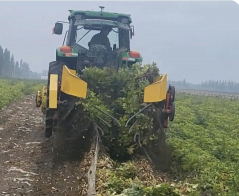
4HS-8 High-efficiency Peanut Inverted-laying Harvester
Hebei Yongfa Hongtian Agricultural Machinery Manufacturing Co., Ltd.
Industrial and Commercial Point-Type Gas Detector
Jinan Benan Technology Development Co., Ltd.